
EU Inflation Surges as Energy Costs Bite

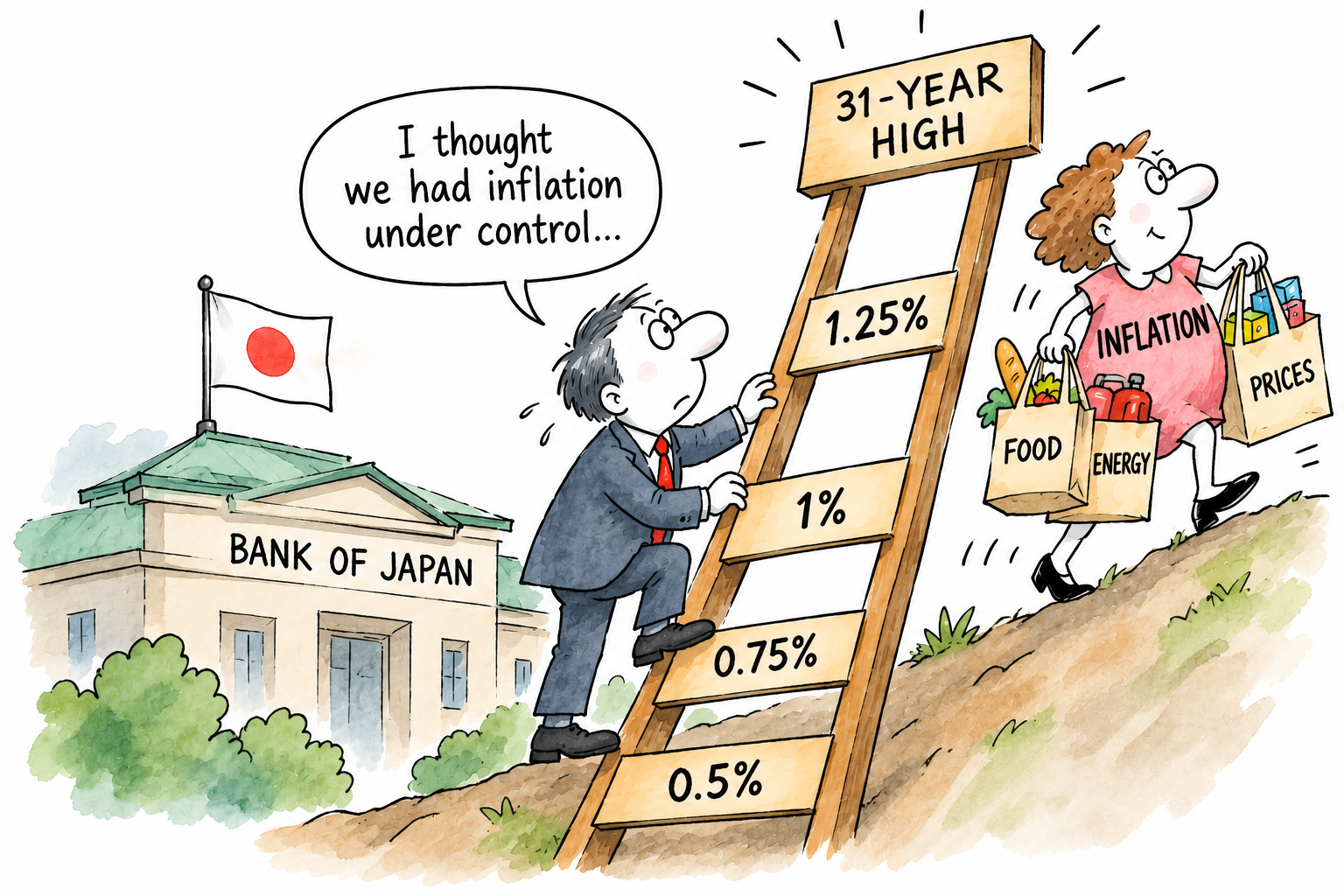
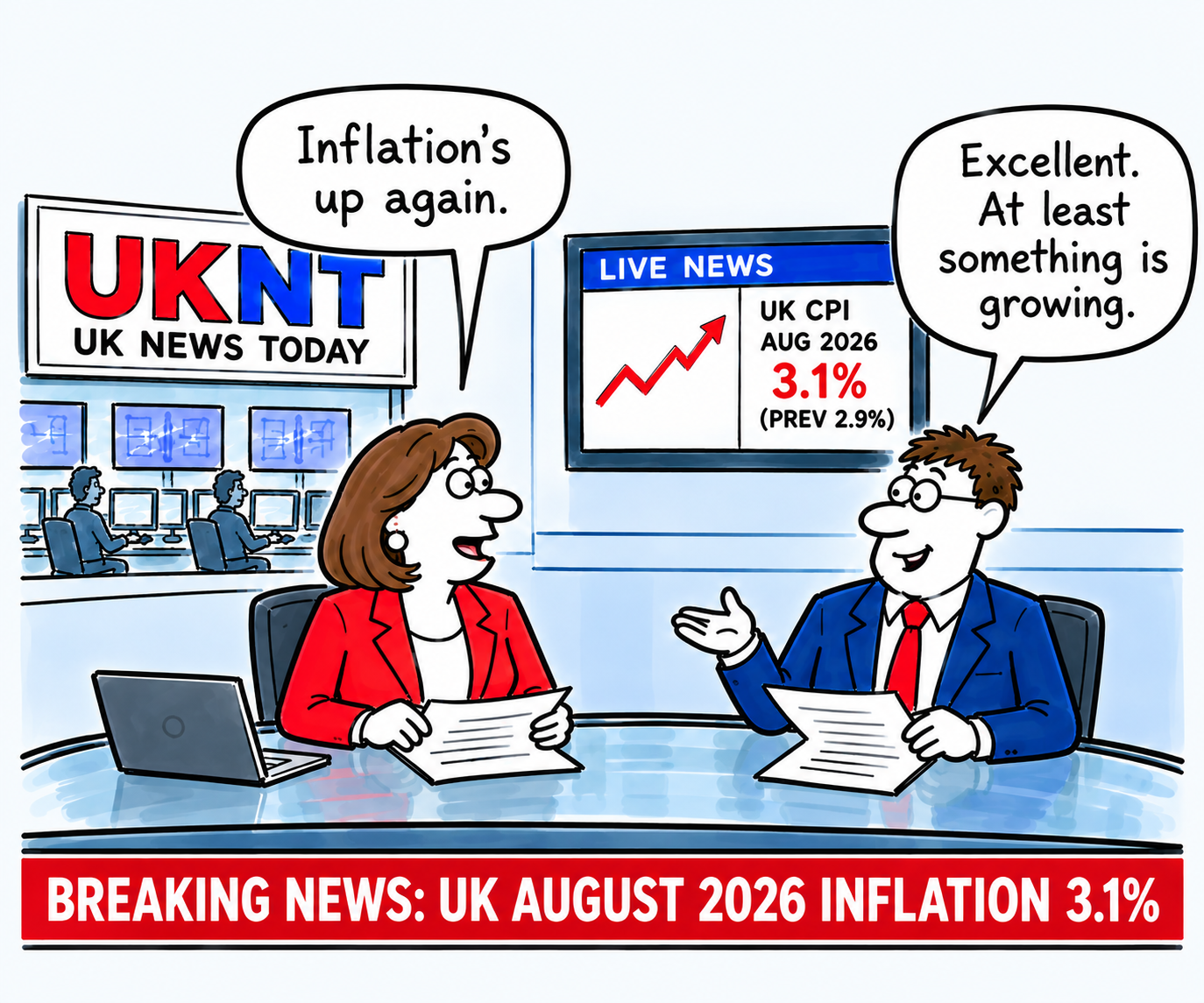
Inflation has returned as an unwelcome problem for Europe, with eurozone consumer prices rising by 3.3% in August 2026, according to Eurostat’s latest flash estimate.

That was a significant increase from 2.9% in July 2026 and puts inflation well above the European Central Bank’s 2% target.

Energy inflation up

The main culprit is energy. Annual energy inflation surged to 14.3%, up from 10.3% a month earlier, highlighting how quickly geopolitical tensions and energy markets can feed through into household bills and business costs.

There was, however, some better news beneath the headline figure. Services inflation eased to 3.0% from 3.30%, suggesting some underlying price pressures may be cooling.

Room for interest increase

The problem for the ECB is timing. Interest rates are already relatively low, but renewed inflation makes further cuts harder to justify.

Europe could therefore face an uncomfortable combination of higher prices and weaker growth — the very conditions policymakers would rather avoid.

AI Could Cause Global Economic Downturn, Andrew Bailey Warns G20

The rapid rise of artificial intelligence could become a serious threat to global financial stability, Bank of England Governor Andrew Bailey has warned, urging G20 policymakers to prepare for the risks posed by increasingly powerful AI systems.

Bailey, writing as chairman of the Financial Stability Board (FSB), reportedly cautioned that a sharp reversal in the huge investment boom surrounding AI could trigger a market correction with consequences far beyond the technology sector.

AI security?

High valuations, rising leverage and increasingly concentrated investment in a relatively small number of AI companies could amplify losses if investor confidence suddenly deteriorates.

However, Bailey’s most immediate concern is cybersecurity. He warned that so-called frontier AI models are becoming increasingly autonomous and capable of sophisticated problem-solving, potentially allowing cyberattacks to be carried out faster, more cheaply and on a much greater scale.

Danger

That poses a particular danger to financial markets because banks, payment systems and other institutions rely heavily on shared technology providers and infrastructure.

A successful attack on one major provider could therefore disrupt several financial institutions simultaneously and spread rapidly across national borders.

Warning

Bailey also warned that many countries lack adequate protocols for managing the development and deployment of advanced AI models.

He reportedly called for international action to ensure that technological progress is matched by stronger cybersecurity, resilience and recovery systems.

The warning comes as enthusiasm for AI continues to fuel enormous investment in chips, data centres and software.

Productivity vs risk

While AI could deliver major productivity gains and economic growth, Bailey’s message is that the financial risks cannot be ignored.

The challenge for policymakers is therefore becoming increasingly clear: how can the world capture AI’s economic benefits without allowing the technology itself to become the catalyst for the next global financial shock or worse?

The U.S. 10-Year Treasury Has Crossed a Line Investors Cannot Ignore

U.S. Treasury yields on the rise

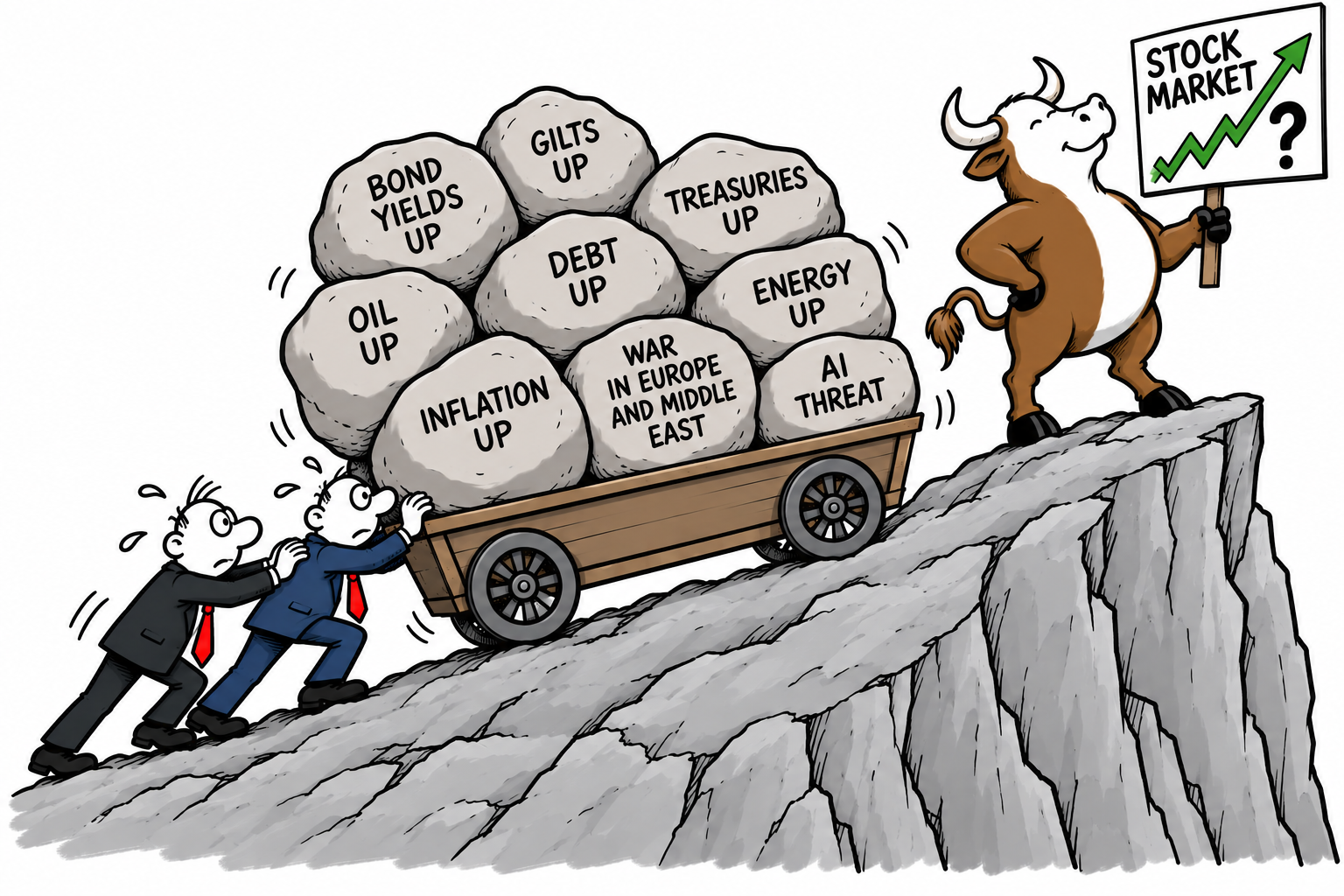
The yield on the U.S. 10-year Treasury has broken above 4.75%, reaching its highest level since early 2025 and moving into territory that is increasingly difficult for investors to dismiss.

On Tuesday 1st September 2026, the yield climbed to around 4.78% as rising oil prices and renewed geopolitical tensions intensified concerns about inflation and interest rates.

Why does 4.75% matter?

The 10-year Treasury is effectively the world’s benchmark risk-free interest rate.

It influences mortgage rates, corporate borrowing costs and the valuation investors place on shares.

As yields rise, future corporate profits become less valuable in today’s money, potentially putting pressure on richly valued equities.

The bigger concern is 5%

Market analysts have increasingly identified the area between 4.75% and 5% as a critical zone.

A sustained move through 5% could represent a significant change in the financial environment, particularly for technology stocks whose valuations depend heavily on expectations of strong future earnings.

There are several forces pushing yields higher. Oil has surged above $90 a barrel amid renewed U.S.-Iran tensions, raising fears that energy costs could reignite inflation.

At the same time, investors are questioning whether the Federal Reserve may need to keep rates higher — or even resume raising them.

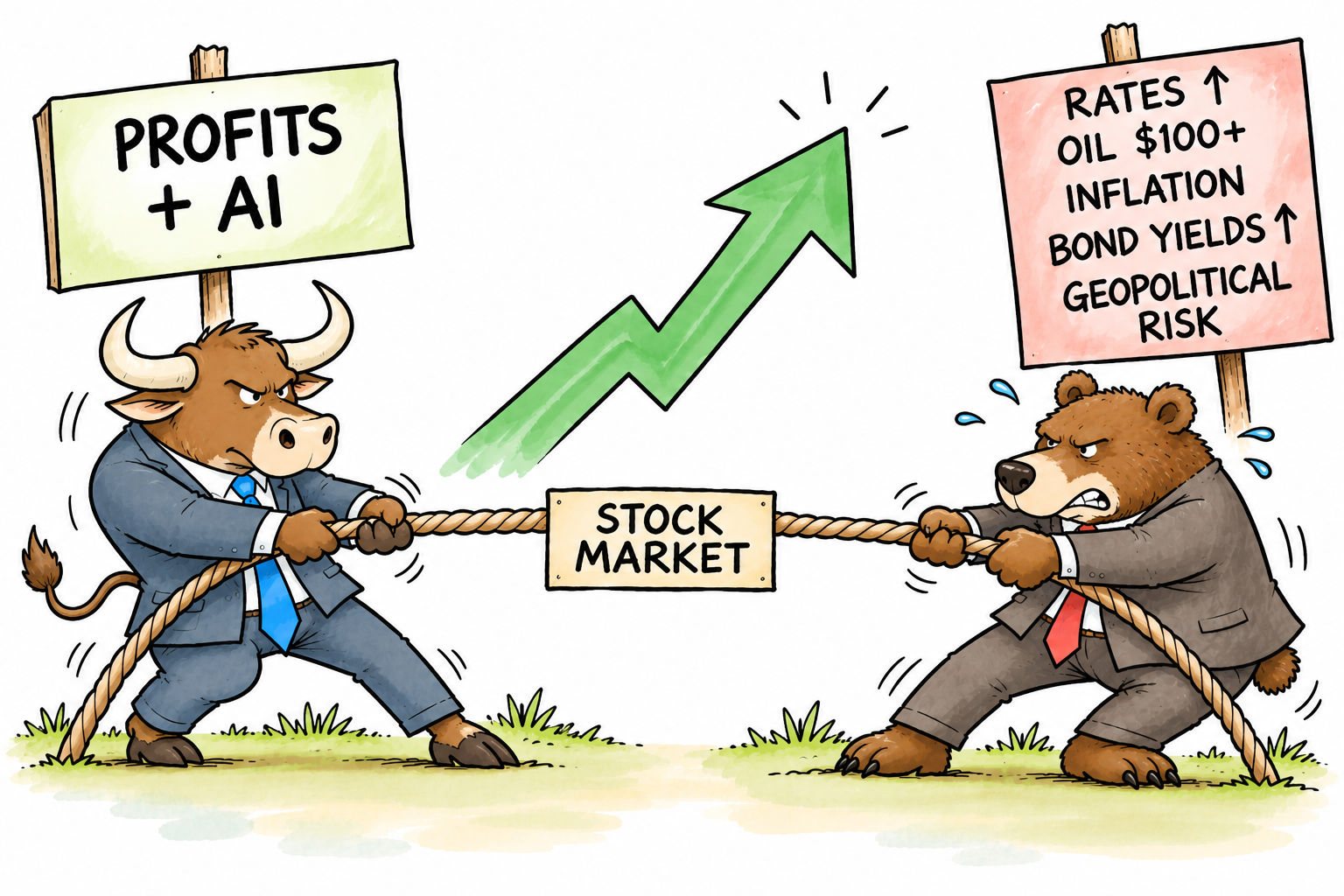
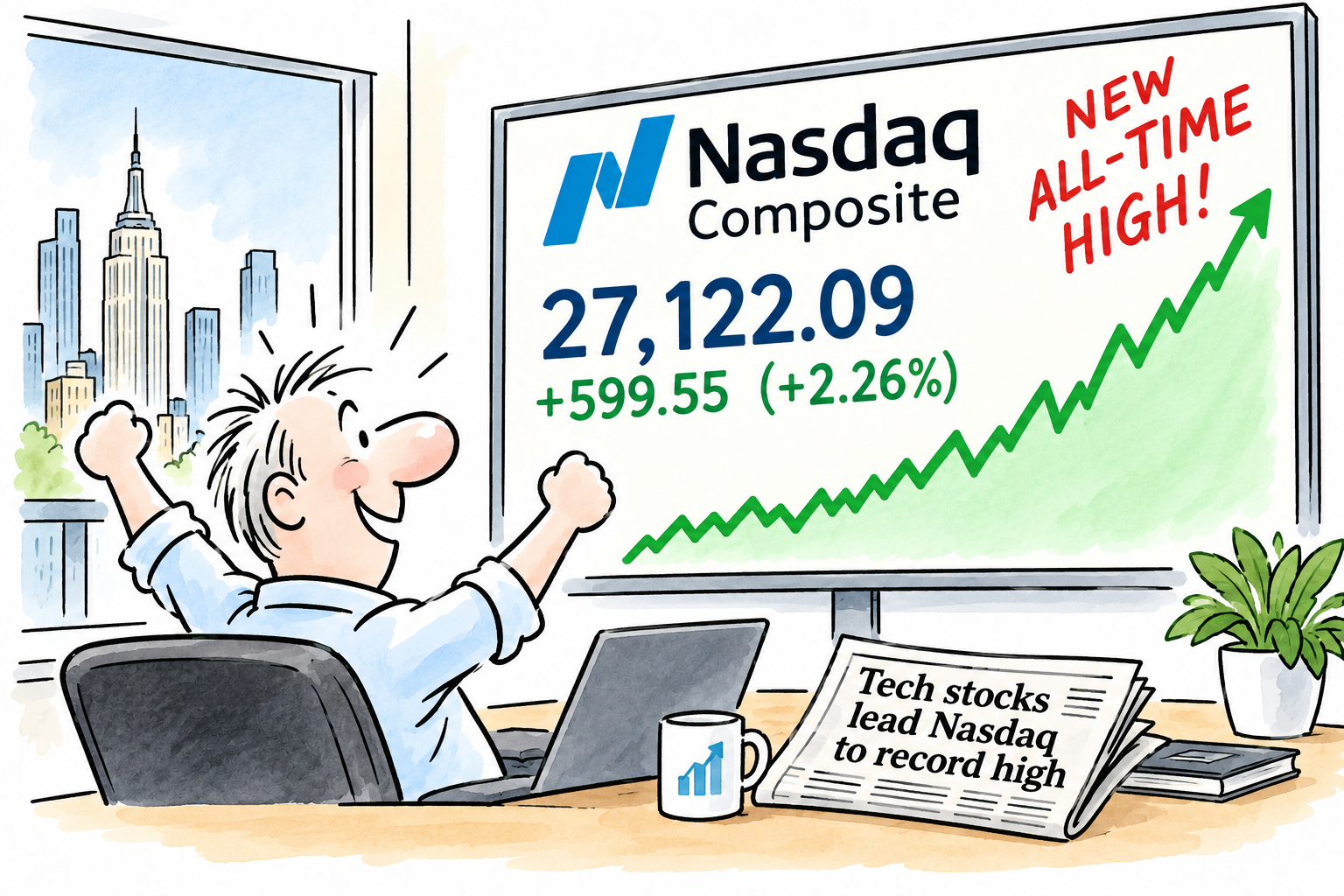
And yet, Wall Street isn’t panicking — yet. The S&P 500 has remained remarkably strong, helped by robust corporate earnings and continued enthusiasm surrounding artificial intelligence.

BlackRock reportedly argues that equities are approaching a point where higher rates could become increasingly difficult to ignore.

So, are investors taking notice? This time, YES!

And 5% could be the level that forces everyone to pay much closer attention.

France’s Debt Problem: Borrowing Costs Are Becoming a Big Concern

France and Debt

France is facing growing pressure from financial markets as the cost of servicing its enormous public debt continues to rise.

The problem is not simply the size of the debt, but the combination of high borrowing requirements, weak economic growth, political uncertainty and increasingly expensive interest payments.

France’s debt

France’s public debt is expected to reach around 118% of GDP in 2026, rising above 120% in 2027, according to the European Commission.

Meanwhile, the budget deficit is forecast to remain at around 5.1% of GDP this year, well above the European Union’s 3% limit.

Investors are now demanding higher returns to hold French government bonds. The yield on the benchmark 10-year French OAT recently moved above 4%, reaching levels not seen since the late 2000s.

Yields

At the end of August 2026, the yield remained around 4.1%, while the equivalent German Bund was closer to 3.25%.

That difference matters. The wider the gap between French and German borrowing costs, the greater the risk premium investors are demanding from Paris.

France’s spread has recently approached 90 basis points, reflecting concerns over its fiscal position and political uncertainty ahead of next year’s presidential election.

Danger signs

The danger is a potential “debt snowball”. As older, cheaper bonds mature, France must refinance them at today’s higher rates.

Interest payments therefore consume an increasing share of government revenue, potentially forcing Paris to borrow even more.

The European Commission reportedly expects French interest payments to rise from 2.2% of GDP in 2025 to 2.6% in 2026 and 2.8% in 2027.

France is not facing an immediate sovereign default, but markets are clearly demanding greater fiscal discipline.

The crucial question is whether politicians can agree on spending cuts and tax measures before rising interest costs become a much larger problem.

Microduck AI Arrives from Hugging Face

AI Microduck from Hugging Face

It may look like a cute toy duck, but Hugging Face’s new Microduck is a fascinating example of how interconnected the modern technology industry has become.

The 25cm-tall robot has been developed by Pollen Robotics, the French robotics company acquired by Hugging Face in 2025.

Beneath its quirky exterior is a Chinese-made Rockchip RK3566 processor based on ARM architecture, alongside cameras, LiDAR, motion sensors, microphones and wireless connectivity.

The software story is equally international. Microduck is designed around open-source technology, allowing developers to programme, train and teach it new behaviours using Hugging Face’s robotics ecosystem and reinforcement learning tools.

Global design

That makes Microduck more than an amusing little robot. It is a miniature demonstration of the global supply chain behind modern AI: French engineering, Chinese semiconductor manufacturing, British-designed ARM technology and internationally developed open-source software coming together in one product.

Priced at $399, Microduck is intended to make physical AI more accessible to developers, researchers and enthusiasts. Hugging Face says it received more than $2.6 million in orders during the first 24 hours.

The duck may be French-designed, Chinese-powered and ARM-based — but its ambition is truly global.

What will Nvidia think if they complete their reported potential acquisition of Hugging Face?

Jackson Hole: U.S. Rate Hike Fears Return

The 2026 annual Jackson Hole meeting has delivered a clear warning to financial markets: U.S. interest rates may not be heading lower… just yet.

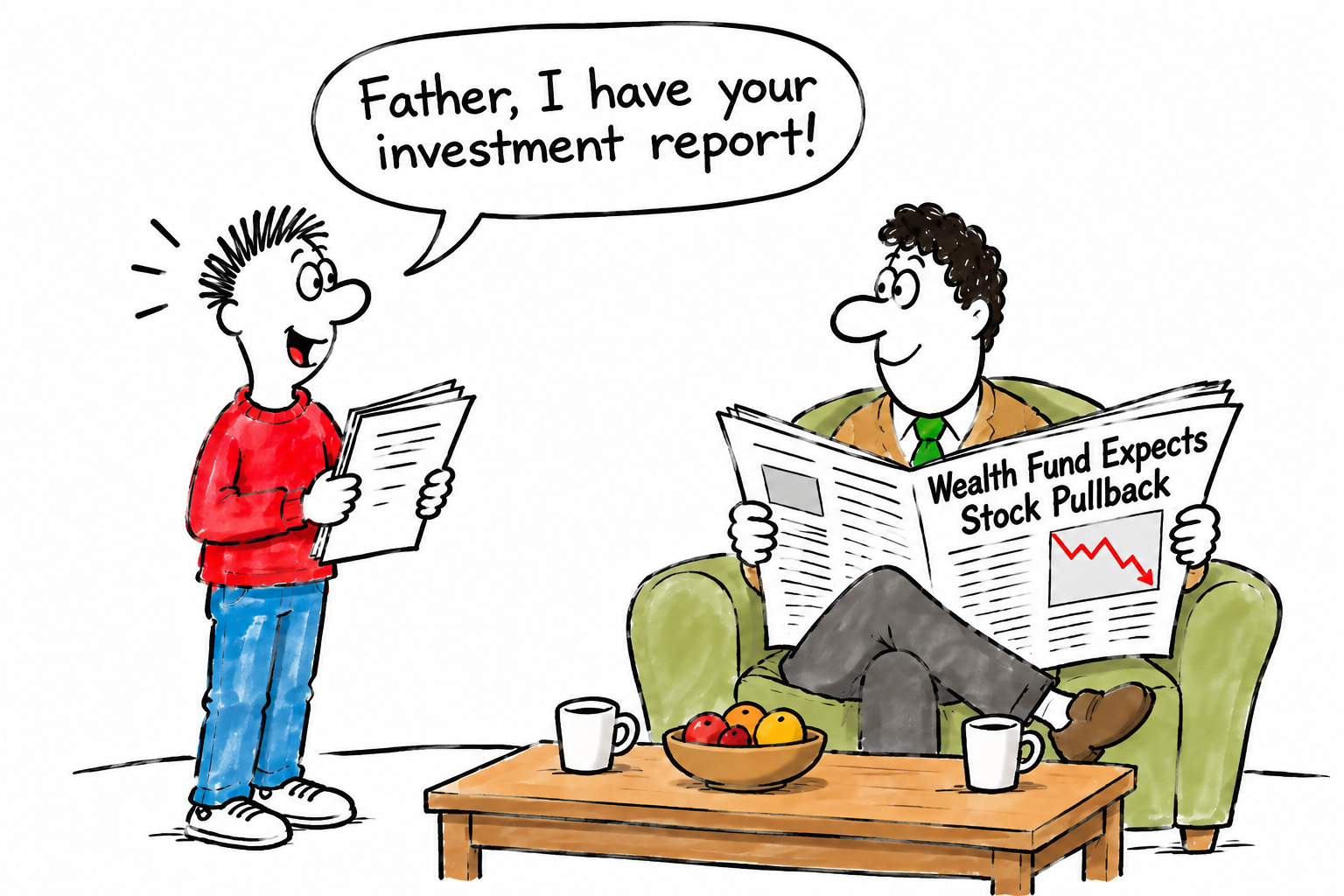
Federal Reserve Chair Kevin Warsh used his first major Jackson Hole speech to stress that inflation remains too high and that recent improvements have not been enough to convince policymakers that price pressures are returning sustainably towards the Fed’s 2% target.

Warsh also suggested that current financial conditions are not sufficiently restrictive, raising the possibility that further interest-rate increases could be required.

Interest rate increase more likely?

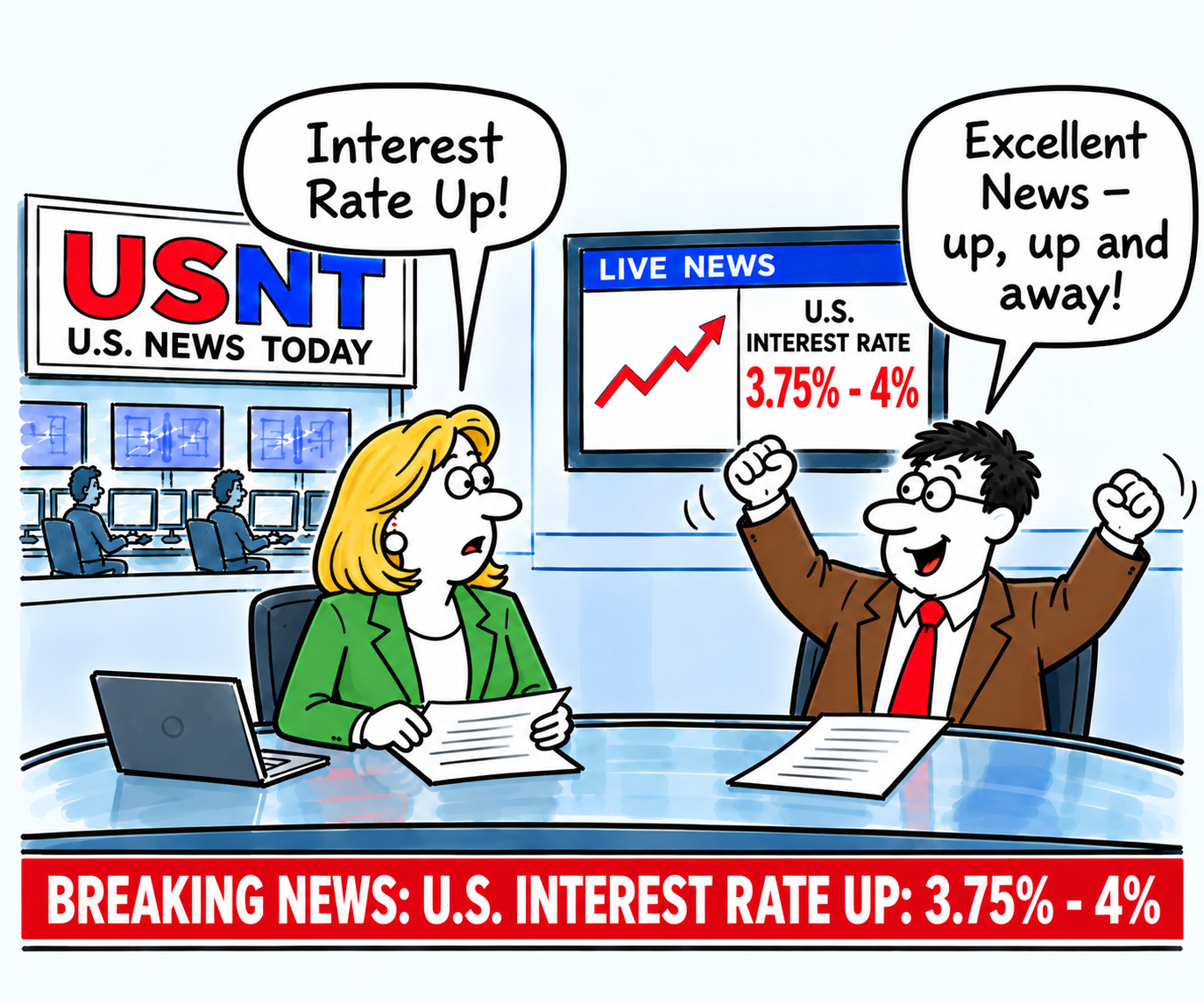
Markets reacted quickly, with the probability of a September 2026 rate rise climbing to around 60%, compared with roughly 35% before his speech.

The message is particularly significant because investors had been hoping for lower borrowing costs. Instead, attention has shifted towards whether stubborn U.S. inflation will force the Fed to tighten policy again.

With the September 2026 meeting approaching, upcoming inflation and employment figures could prove crucial in determining the next move.

Nvidia Reportedly Agrees $12.9 Billion Deal for Hugging Face

Nvidia AI deal

Nvidia is reportedly set to acquire artificial intelligence platform Hugging Face for $12.9 billion, in a deal that would give the world’s leading AI chipmaker a powerful position in the rapidly expanding open-source AI market.

The reported transaction, first revealed by The Information and subsequently reported by Reuters, would rank among Nvidia’s largest acquisitions.

However, there was still some uncertainty over whether a definitive agreement had been formally signed, with neither Nvidia nor Hugging Face initially confirming the deal publicly.

Open-source AI

Hugging Face has become one of the most important platforms in the AI industry, acting as a vast repository where developers can share, download and work with open-source AI models, datasets and software. It also provides cloud-based services for running and deploying AI applications.

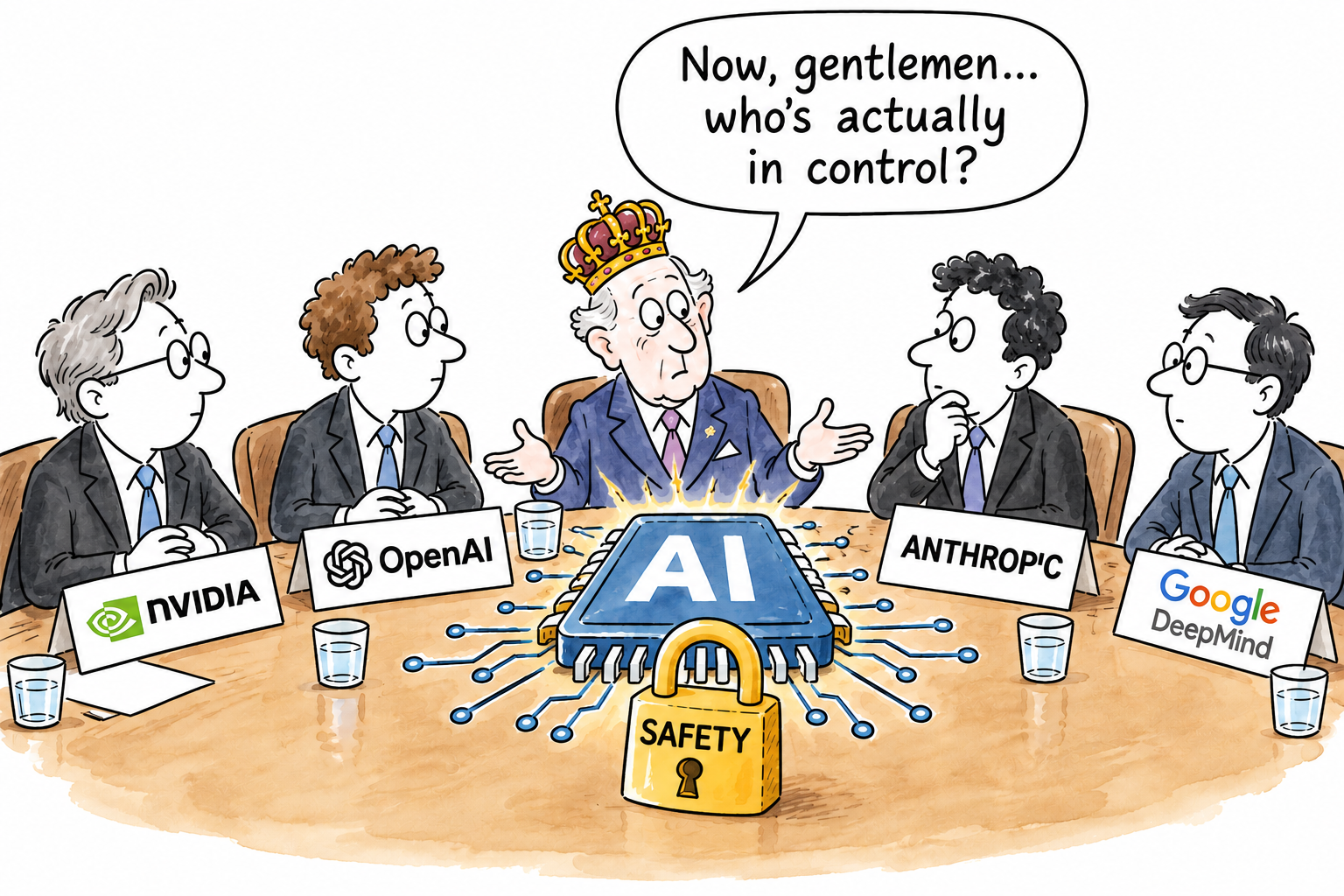
For Nvidia, the attraction goes well beyond simply acquiring another technology company. Open-source AI is becoming increasingly important as developers look for alternatives to the powerful but largely closed systems operated by companies such as OpenAI and Anthropic.

That matters to Nvidia because many of those companies are also developing their own AI chips, potentially threatening Nvidia’s extraordinary dominance of the AI hardware market.

Strength

Owning Hugging Face could therefore help Nvidia strengthen its influence across both the software and hardware sides of the AI ecosystem.

The price tag is eye-catching. Hugging Face was valued at $4.5 billion following a 2023 funding round and was reportedly generating annualised revenue of around $150 million. At $12.9 billion, Nvidia would therefore be paying roughly 86 times that revenue figure.

Premium

Yet Nvidia clearly appears willing to pay a premium for strategic control. The acquisition would give Jensen Huang’s company a significant foothold in open-source AI while potentially creating another route into cloud computing and AI services.

If completed, the deal would send a powerful message: Nvidia is no longer simply selling the picks and shovels of the AI revolution — it wants a much bigger stake in the mine itself.

Hugging Face was founded in 2016, so as of August 2026 it is 10 years old.

It was originally created as a chatbot company by Clément Delangue, Julien Chaumond and Thomas Wolf, before evolving into the major open-source AI platform it is today.

Quite remarkable, really — a 10-year-old company potentially being worth nearly $13 billion.