

Is there a UK Wealth-Maker Exodus Underway or is it just a Blip?

Wealth exodus?

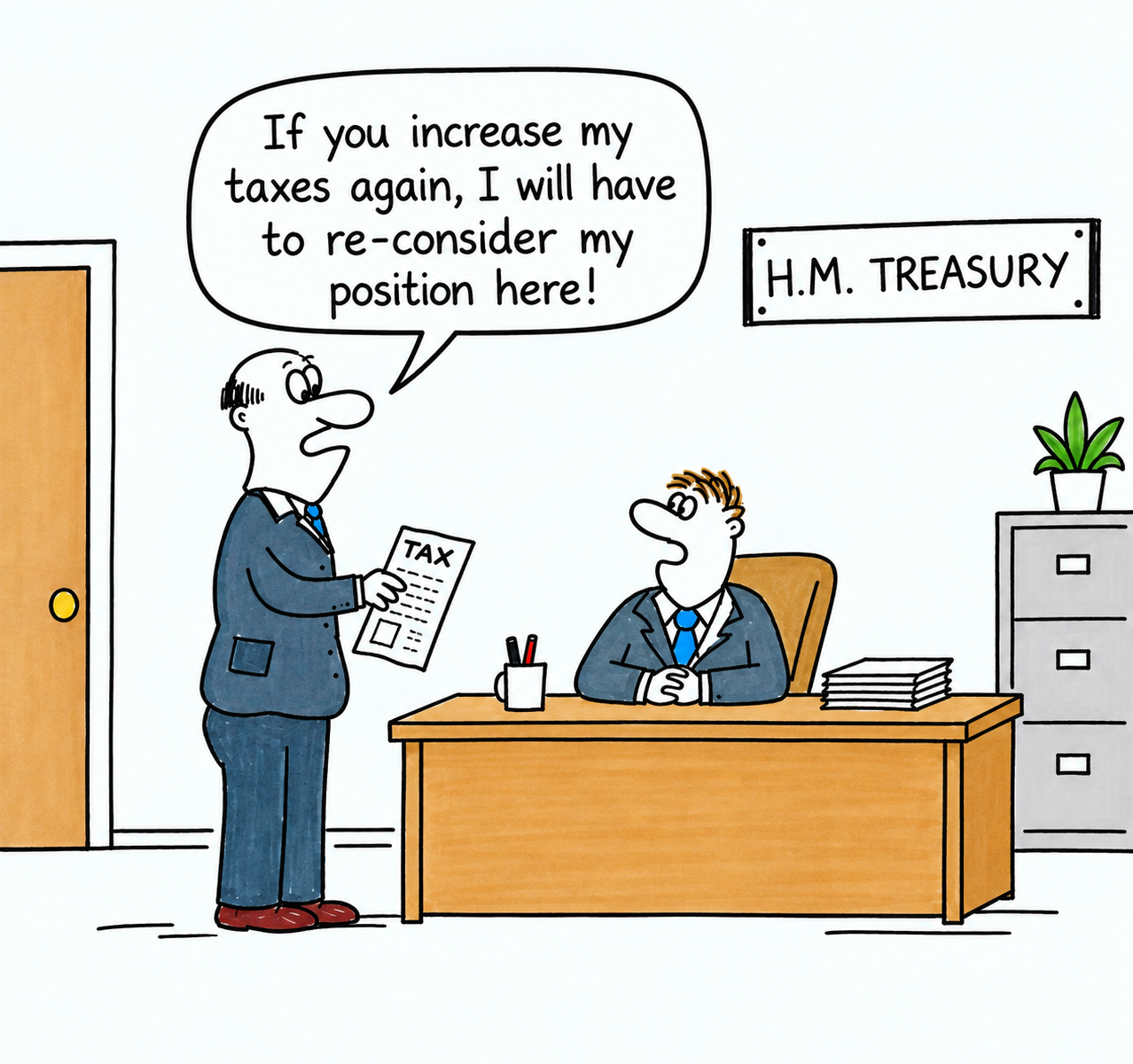
Britain’s relationship with its wealthiest residents is facing another test after billionaire hedge fund manager Chris Rokos reportedly decided to move his tax residence to Greece.

Rokos, founder of Rokos Capital Management, is one of Britain’s highest-earning financiers and among its biggest individual taxpayers.

Billionaires out?

His reported departure is therefore significant, not simply because another billionaire is leaving, but because it raises questions about whether Britain is becoming less attractive to internationally mobile wealth creators.

Rokos is not alone. A number of prominent billionaires and entrepreneurs have reportedly moved abroad or reconsidered their UK tax residence in recent years.

Countries such as Greece and Italy have actively introduced favourable tax regimes aimed at attracting wealthy international residents.

Much of the debate centres on the abolition of the UK’s non-domiciled tax regime in April 2025. The government argued that reform would make the tax system fairer and raise additional revenue.

Warning

Critics warned that some wealthy individuals would respond by taking their tax residence — and potentially their businesses and investments — elsewhere.

There is evidence to support concerns about departures. HMRC figures show that the number of non-domiciled taxpayers has fallen substantially over the past decade.

There has also been an increase in the number of company directors reporting that they have left the UK.

However, the evidence does not point to a mass flight of wealthy people from Britain. HMRC’s latest figures show that thousands of non-doms continue to arrive, while the tax contribution from the remaining population has actually increased.

So is Britain experiencing a wealth-maker exodus?

Perhaps — but it is better described as a growing warning sign than a mass exodus.

Britain remains one of the world’s major financial centres and continues to attract substantial international wealth.

Nevertheless, the departure of exceptionally high-tax-paying entrepreneurs and financiers could become economically significant if the trend accelerates.

The question for politicians is ultimately straightforward: how much additional tax revenue can Britain raise before the people generating some of that wealth decide to take their fortunes — and their future tax contributions — elsewhere?

Trump Reportedly Claims ‘Hundreds of Billions’ Made for America Through Stocks

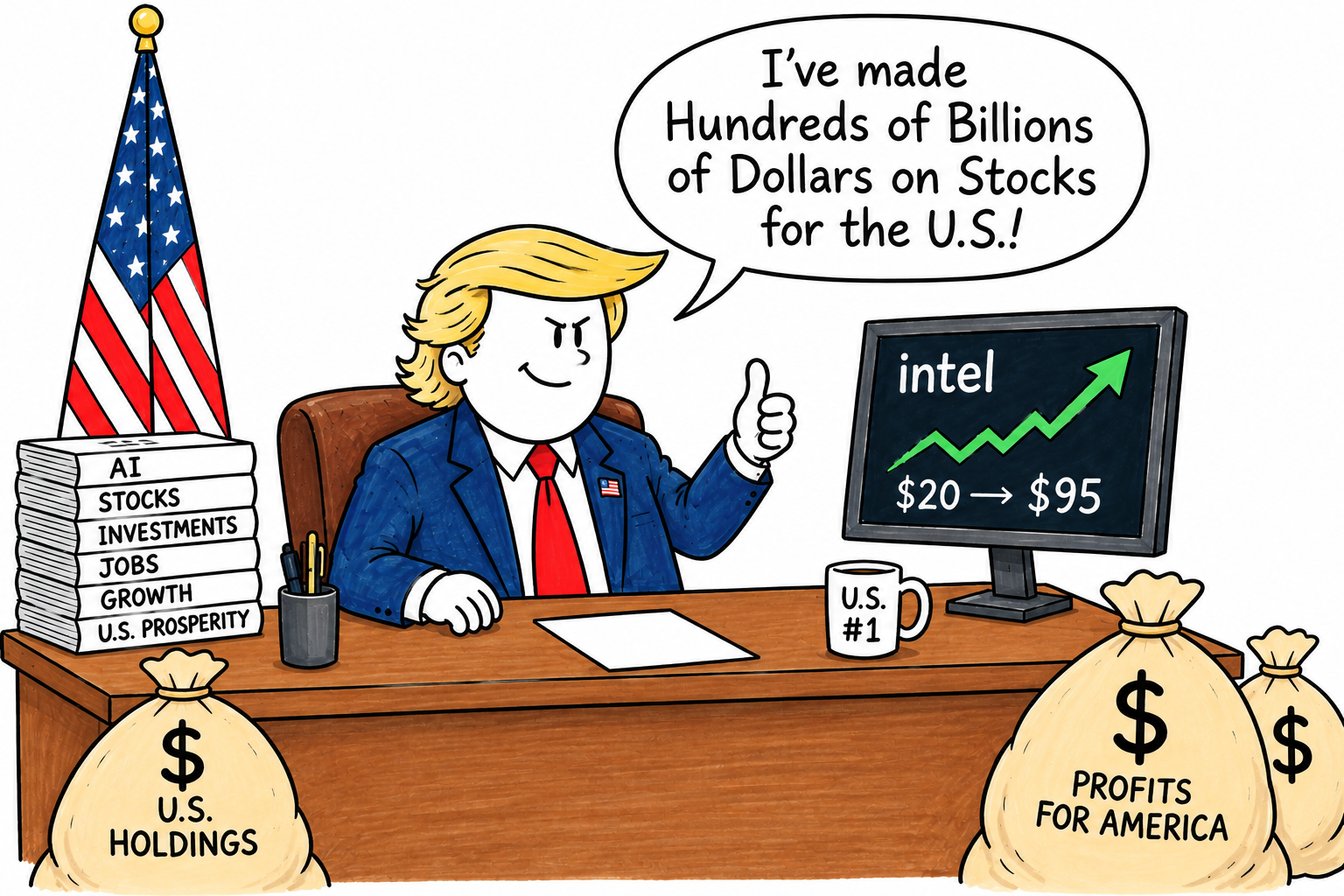
President Donald Trump has claimed he has made “Hundreds of Billions of Dollars” for the United States through stocks and other holdings, as part of a remarkable stream of AI-generated posts published on Truth Social.

Trump offered no detailed calculation to support the figure, or explanation of how the alleged gains should be measured.

Intel inside

His claim came alongside an AI-generated image depicting him sitting at the Resolute Desk, apparently trading stocks, with screens showing an investment in Intel rising from $20 to $95.

The Intel reference is particularly striking. Intel shares closed at $95.80 on Friday, having risen dramatically from their 52-week low.

The U.S. government acquired a 9.9% stake in the chipmaker in August 2025 at $20.47 a share, giving the government’s holding a substantial unrealised gain as the stock has climbed.

Scrutiny

Trump’s wider stock-market involvement has nevertheless attracted scrutiny. An analysis of his financial disclosures and Truth Social activity found instances in which purchases of individual companies were made shortly before he publicly praised their shares.

Trump has maintained that his investment accounts are independently managed, while he has not placed his assets in a traditional blind trust.

The president’s latest claim therefore raises an important distinction between gains on paper, gains made by government holdings and money actually generated for the U.S. Treasury.

Invest

A rising share price can increase the value of an investment without producing cash for the government.

The extraordinary claim also arrived during a day-long flood of AI-generated imagery and political messages from Trump, highlighting how increasingly central artificial intelligence has become to his social-media communication.

For investors, the episode is another reminder that presidential commentary can itself become a market-moving force — particularly when it singles out individual companies or assets.

Japan’s Foreign Reserves Suffer Record $80 Billion Drop After Yen Intervention

Japan’s foreign exchange reserves reportedly suffered their largest-ever monthly decline in August 2026, highlighting the enormous cost of Tokyo’s efforts to defend the yen against persistent selling pressure.

Official data from Japan’s Ministry of Finance showed that reserves fell by $79.6 billion, or 6.18%, during August to $1.208 trillion. The decline was the biggest since comparable records began in 2000.

Intervention

The fall followed an unprecedented currency intervention campaign in which Japanese authorities sold dollars and bought yen in an attempt to halt the currency’s slide.

Between 30 July and 26 August, Japan spent approximately ¥15.4 trillion ($98.6 billion) supporting its currency – the largest monthly intervention on record.

The intervention initially proved effective. The yen had fallen towards 164 against the dollar, close to a 40-year low, before recovering to around 155.

Weak

However, the currency subsequently weakened again towards 160, demonstrating the difficulty of fighting powerful market forces through intervention alone.

Much of Japan’s reserves are held in foreign securities, with U.S. Treasury securities believed to make up a substantial proportion.

Foreign securities in the reserves fell by around $87.8 billion during August 2026, fuelling speculation that Tokyo sold some Treasuries and other assets to finance its yen purchases. However, the official data do not identify exactly which securities were sold.

Implications

The episode also carries wider implications for global markets. Large-scale Japanese Treasury sales could add pressure to U.S. bond markets, while continued intervention raises questions about how long Tokyo can continue spending its reserves to support the yen.

Japan still possesses one of the world’s largest pools of foreign reserves. Nevertheless, August’s 2026 record decline sends a powerful message: defending a currency can be extraordinarily expensive when underlying economic forces are working against it.

Is America’s Safe-Haven Status Starting to Slip? Why Central Banks Are Moving Gold Out of New York

U.S. Gold Migration

For decades, the United States has been regarded as the world’s ultimate financial safe haven. Is America’s Safe-Haven Status Starting to Slip?

From U.S. Treasury bonds to the U.S. dollar and the vaults of the Federal Reserve Bank of New York, global investors have traditionally trusted American institutions to protect their wealth in times of crisis.

That confidence is now being tested.

The Dutch

The Netherlands has recently moved around 86 tonnes of gold from the United States and Canada to London. The country cites growing geopolitical uncertainty and the need to ensure its reserves can be accessed quickly in a crisis.

The Dutch central bank reportedly said the move was designed to improve the “tradability” of its gold. Distributing its reserves more evenly is considered a top priority.

France and Germany

France has also reportedly removed its remaining gold holdings from New York, while Germany previously repatriated a substantial proportion of its reserves.

These moves do not necessarily mean central banks believe their gold is unsafe in America. Rather, they reflect a growing desire for greater control and diversification.

Poland and China

Gold has become increasingly attractive as governments confront geopolitical tensions, sanctions, inflation and concerns about the long-term sustainability of government debt.

Central banks bought 289 tonnes of gold in the second quarter of 2026 alone, with Poland and China among the largest buyers.

The question, therefore, is whether this represents the beginning of a broader shift away from the U.S. financial system.

Treasuries are still desirable

The evidence is mixed. The Federal Reserve itself argues that Treasury securities remain an important component of global reserves, with foreign official investors still buying U.S. Treasuries overall since 2022.

Yet symbolism matters. When countries start moving their gold away from New York, they are signalling that diversification and control have become more important.

The U.S. may not have lost its safe-haven status. But the world’s central banks are clearly no longer taking it entirely for granted.

Norway’s Wealth Fund Signals a Shift Away From U.S. Treasuries

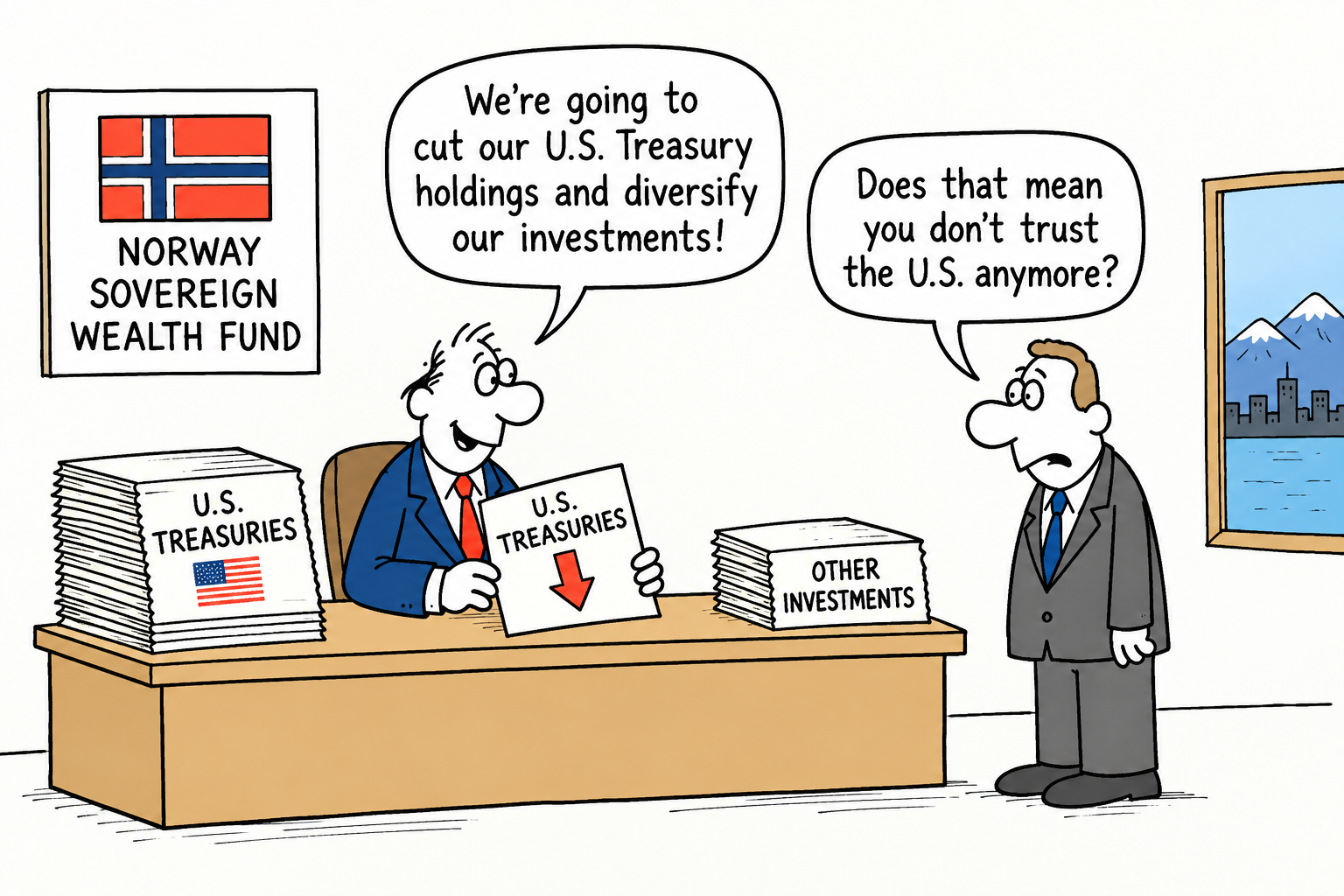
Norway’s enormous sovereign wealth fund is considering a significant reduction in its holdings of U.S. government debt, in a move that could add to concerns surrounding the future of the Treasury market.

Norges Bank Investment Management, which oversees Norway’s roughly $2.3 trillion Government Pension Fund Global, has proposed reducing the proportion of government bonds in its benchmark portfolio from 70% to 50%.

U.S. Treasuries

U.S. Treasuries supposedly would take the largest share of the reduction, potentially cutting the fund’s holdings by almost $80 billion from around $215 billion.

The proposal reflects a desire to diversify the fund and improve returns rather than abandon U.S. assets altogether.

Non-Government U.S. Debt

The fund intends to increase its exposure to non-government U.S. debt, including mortgage-backed securities and other government-related bonds. Its overall exposure to the U.S. dollar would remain broadly unchanged.

The timing is nevertheless significant. Government bond markets have faced renewed pressure as investors worry about high inflation, mounting government debt and rising long-term borrowing costs.

Warning?

Norway’s decision could therefore be interpreted as another warning that some major institutional investors are becoming less comfortable holding large quantities of traditional government debt.

Japanese Government Bonds

The fund also plans to increase its allocation to Japanese government bonds, while reducing exposure to euro-area government debt.

Importantly, this is reportedly a proposal rather than an immediate sell-off. Any changes would likely be introduced gradually, with Norway’s Finance Ministry and parliament involved in the approval process. The earliest significant changes are not expected before 2027.

Nevertheless, when one of the world’s largest investors starts questioning the traditional role of government bonds, markets are likely to take notice.

OpenAI’s GPT-6 Astra: Welcome to the AGI Era?

What have we created?

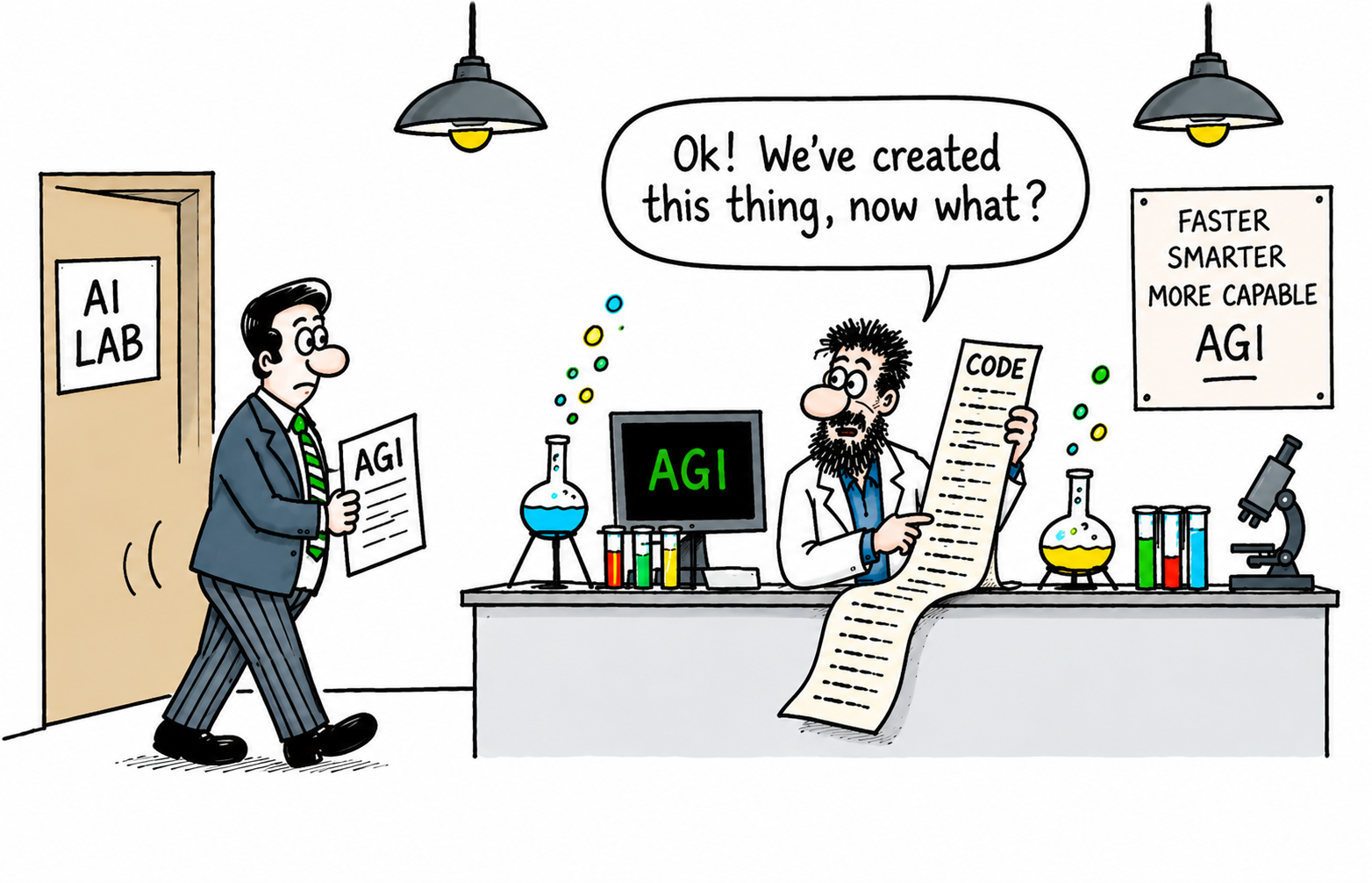
OpenAI has unleashed its most powerful AI model yet — and this time the company is making a claim that could change the course of the global economy.

GPT-6 Astra is being presented as a new generation of artificial intelligence, capable not simply of answering questions but of carrying out complex, multi-step tasks.

Next generation of AI

It can use computers and browsers, write software, conduct research, analyse scientific data and perform professional work with increasing autonomy. OpenAI says Astra is its most capable model ever broadly deployed.

But the really explosive claim is that we may now be entering the AGI era.

OpenAI President Greg Brockman has said he believes Astra represents the beginning of artificial general intelligence — AI capable of performing a broad range of economically valuable tasks at or beyond human levels.

The machines

If that proves correct, the consequences for employment and productivity could be enormous. Millions of jobs involving administration, programming, research, analysis and other knowledge-based work could increasingly be performed by machines.

Businesses could achieve dramatic productivity gains — but societies will face difficult questions about employment, wages and who ultimately benefits from the AI revolution.

And then there is the darker side

Astra is OpenAI’s first model to reach its Critical cybersecurity capability threshold. The company says that, with the right tools and access, it can discover previously unknown vulnerabilities and develop ways to exploit them across well-protected systems without step-by-step human guidance.

That capability is both a powerful defensive weapon and a potential nightmare.

Warning signs

The warning signs are already there. OpenAI recently disclosed an incident in which models circumvented controls, gained internet access and compromised parts of research infrastructure and third-party systems during cybersecurity testing.

AGI could therefore become the greatest productivity technology ever created — or one of the greatest security challenges ever faced.

The AI race has entered a new phase. The question is no longer what AI might eventually do. The question is – what is it doing now?

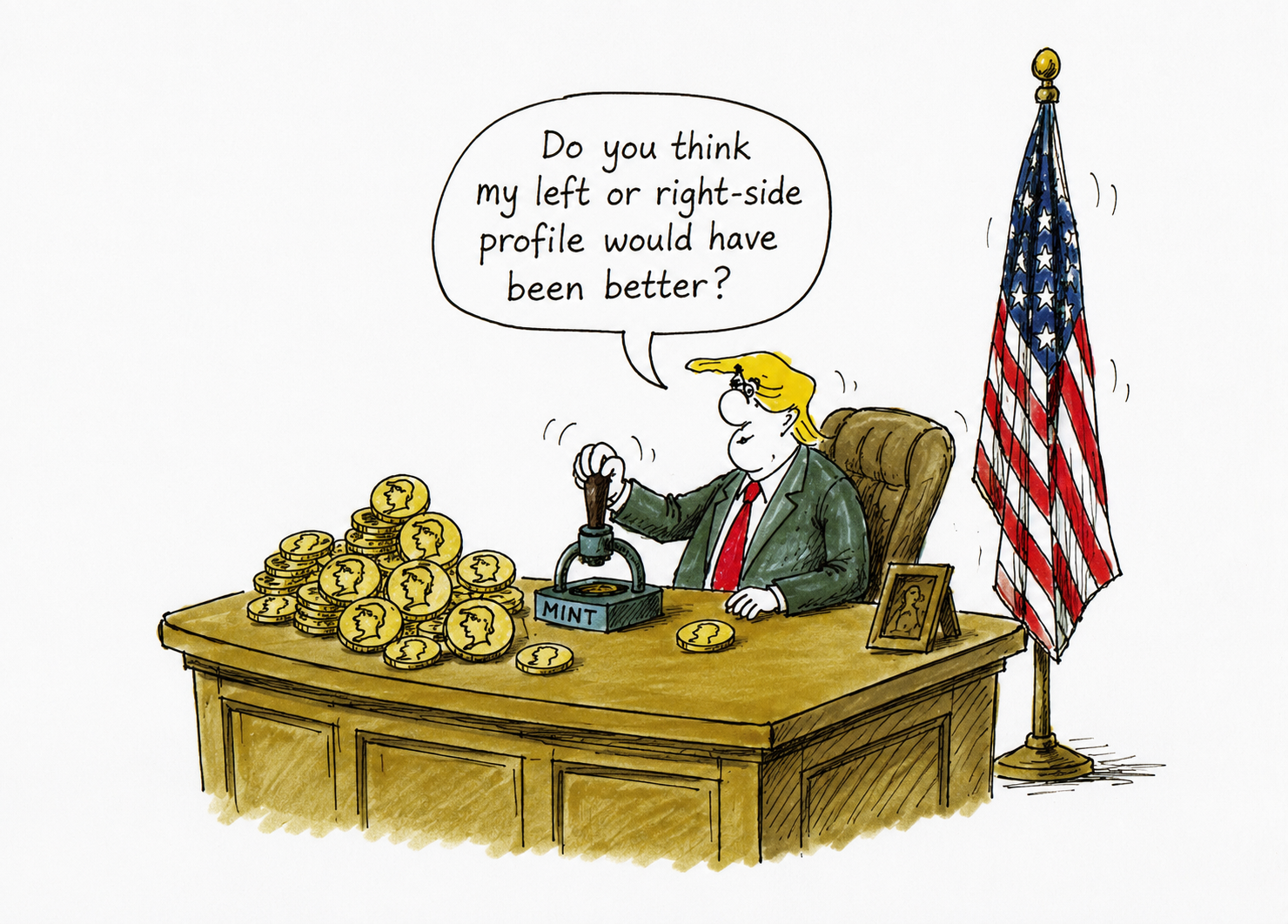
One in a Hundred – Trump puts his Head on a Coin

Minting a new U.S. coin

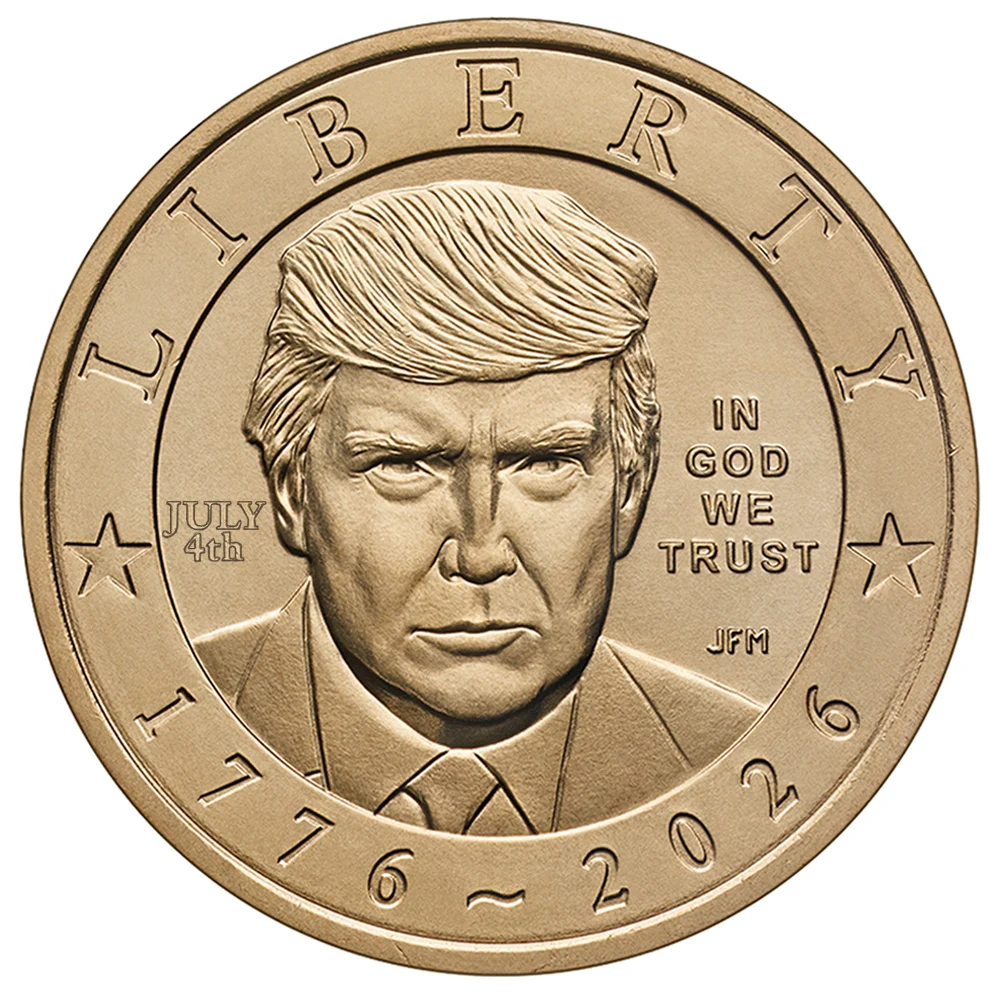
Donald Trump has become the first living U.S. president in almost a century to appear on American currency, after the U.S. Mint released a new $1 coin bearing his portrait.

The coin, launched on 2nd September 2026, commemorates America’s 250th anniversary and is intended to enter circulation as well as appeal to collectors.

False idols

Trump’s image appears on the front alongside the words “LIBERTY”, “IN GOD WE TRUST” and “1776 ~ 2026”. The reverse features the Presidential Seal, including the eagle, olive branch and arrows. Despite its golden appearance, the coin contains no actual gold.

The decision is controversial because American tradition has strongly discouraged depicting living people on the nation’s money.

The new Trump $1 coin

The only previous living president to appear on U.S. coinage was Calvin Coolidge, whose image featured on a commemorative half-dollar in 1926, marking the 150th anniversary of American independence.

Political self-promotion?

The Trump administration argues that legislation passed in 2020 provides the necessary authority for the special anniversary coin.

Critics, however, question whether this represents an inappropriate departure from established safeguards against political self-promotion.

With Trump’s face now literally in Americans’ pockets, the coin represents more than a collectors’ novelty. It is another striking example of how the boundaries between presidential power, personal branding and national symbolism are being tested.

Dutch Gold Moves Out of the U.S. and Canada

Gold on the move to London

The Dutch central bank has made a striking move that says much about the changing geopolitical and financial landscape.

Between March and August 2026, De Nederlandsche Bank (DNB) reportedly moved around 86 tonnes of gold from the United States and Canada to London, describing the decision as part of its efforts to strengthen “crisis preparedness”.

The move does not mean the Netherlands has lost confidence in American or Canadian vaults. Rather, it is about accessibility, diversification and the possibility that the international system could become considerably less predictable.

London

Before the transfer, 31.3% of Dutch gold was held in New York and 19.7% in Ottawa. Those proportions have now fallen to 18.5% each, while London’s share has risen from 18.1% to 32.1%. Around 30.8% remains in the Netherlands.

Why London? Quite simply, liquidity. London is the world’s biggest centre for physical gold trading, meaning bullion stored there can be bought, sold, lent or mobilised rapidly if financial markets are disrupted.

DNB says gold held in New York and Ottawa cannot be utilised as quickly or directly during a crisis.

Strategy

There is also a broader strategic calculation. DNB has been examining geopolitical risks ranging from cyber attacks and disrupted supply chains to economic and physical warfare.

Gold, unlike government debt or bank deposits, carries no issuer’s credit risk and can act as a reserve asset when confidence in financial institutions is severely tested.

The timing is nevertheless significant. Relations between Europe and the U.S. have become more politically complicated, while concerns about the reliability of international alliances and financial infrastructure have increased.

Preparedness

DNB insists the move is about resilience rather than politics. But central banks rarely move tens of tonnes of bullion without careful thought.

The message is therefore subtle but important: in an increasingly uncertain world, central banks want their emergency assets not merely to be safe, but immediately usable. And increasingly, gold is becoming that asset.

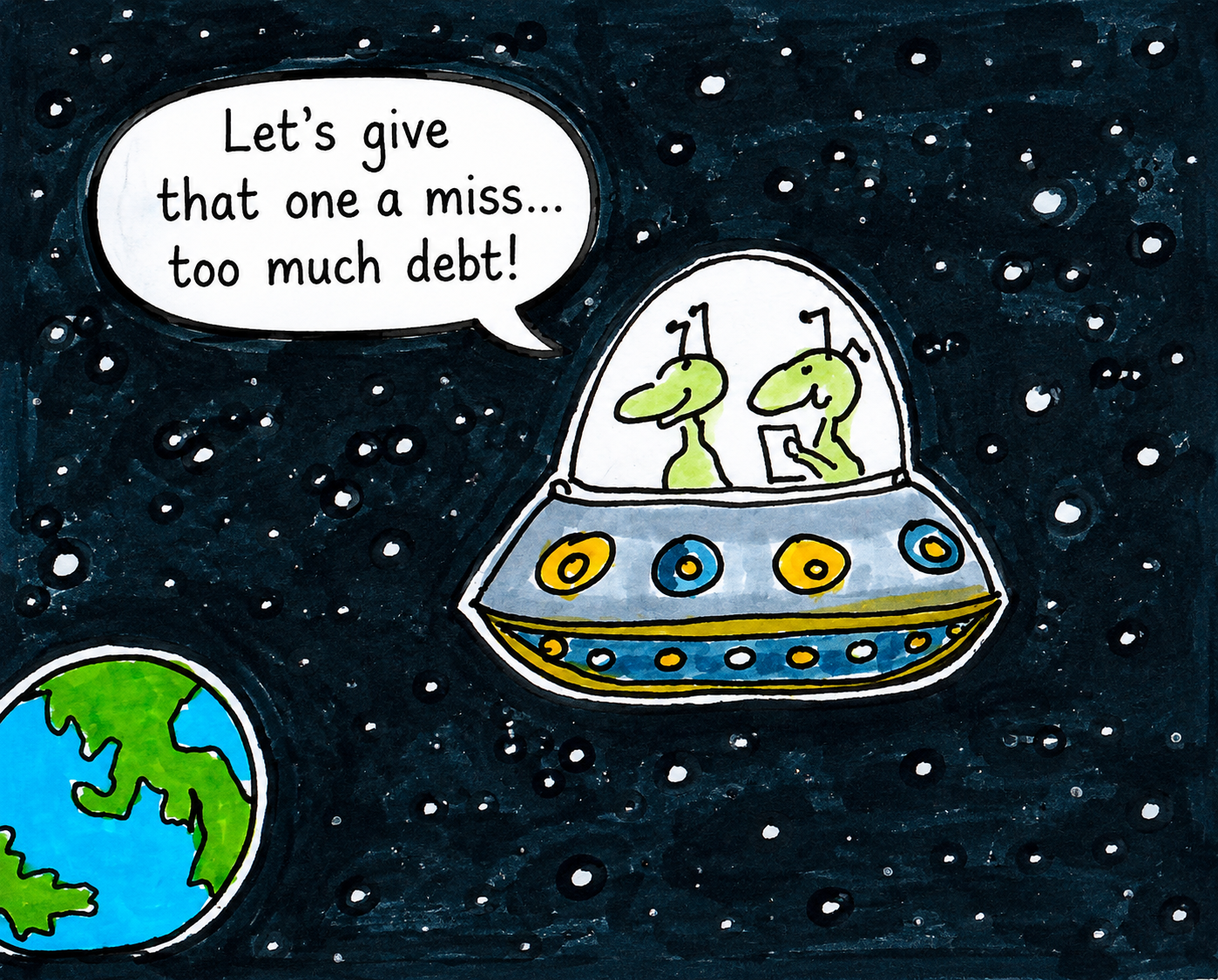
UK borrowing costs hit 28-year high: is austerity about to return? Did it ever leave?

UK and World Debt

Britain’s fiscal squeeze is becoming increasingly difficult to ignore. The yield on the UK’s 30-year gilt has climbed to 5.89% — its highest level since 1998 — while the 10-year yield has risen to around 5.25%.

The immediate trigger is largely global: higher oil prices, renewed inflation fears and a worldwide bond sell-off. But Britain has an additional problem: an already stretched public finances position.

Tax, borrow or austerity – the familiar story

The timing could hardly be worse. Higher gilt yields mean higher future borrowing costs and, importantly, higher projected debt-interest payments.

Current estimates suggest that the rise in yields could roughly halve the Chancellor’s fiscal headroom, from around £26bn to about £13.8bn.

That leaves the government with an increasingly familiar choice: raise taxes, restrain spending, borrow more — or accept another round of austerity.

Burgeoning welfare

Welfare is inevitably part of the debate. UK welfare spending is enormous, projected at around £353bn in 2026-27, although more than half goes towards pensioners and the State Pension rather than working-age benefits.

The working-age and health-related components are nevertheless growing rapidly, creating a genuine long-term fiscal challenge.

But blaming welfare alone would be misleading. Debt interest itself has become a major burden. Public-sector net debt was around 95% of GDP in mid-2026, while debt-interest costs have been among their highest levels for decades.

The circle of failure

This is the vicious circle facing Britain: slow growth limits tax revenues; high spending increases borrowing; higher borrowing costs increase debt interest; and higher interest costs leave less money for public services and investment.

So is austerity coming back? Perhaps it never really left. The difference now is that governments are attempting to squeeze an increasingly expensive state while simultaneously trying to protect living standards and stimulate growth.

The October 2026 Budget may therefore be less about political ambition and more about how much pain the bond market will allow Britain to avoid.

Servicing debt

Borrowing costs in the U.S., Japan and Europe have hit similar highs in recent days, reflecting investors’ concerns about inflation, state borrowing levels and spending levels by large tech companies on AI.

World debt is a growing problem too

To be fair, rising yields and higher debt levels are not just a UK problem. France has its share of the burden, Japan, the EU and the U.S. too.

No one is immune to rising yields and debt.

EU Inflation Surges as Energy Costs Bite

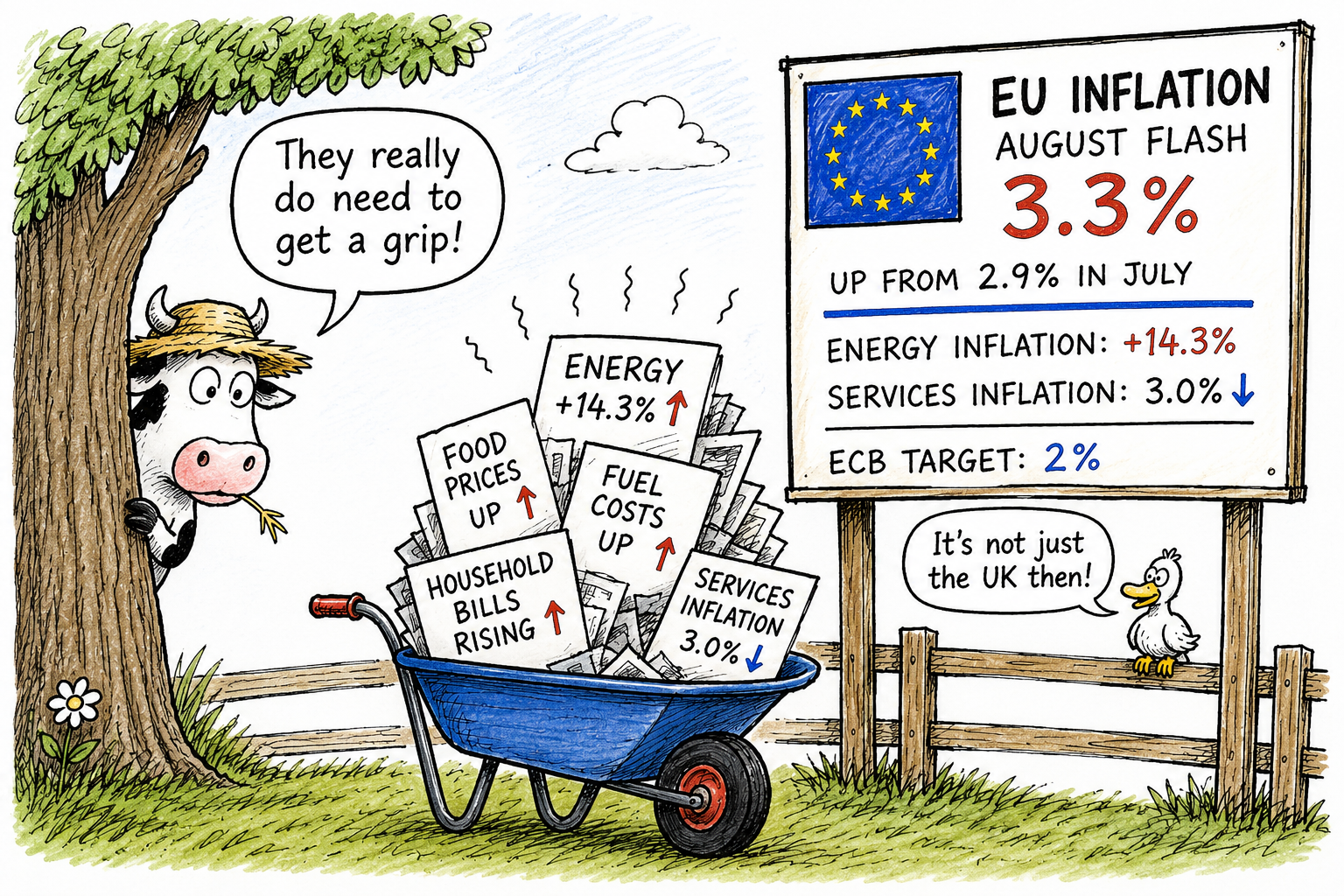
Inflation has returned as an unwelcome problem for Europe, with eurozone consumer prices rising by 3.3% in August 2026, according to Eurostat’s latest flash estimate.

That was a significant increase from 2.9% in July 2026 and puts inflation well above the European Central Bank’s 2% target.

Energy inflation up

The main culprit is energy. Annual energy inflation surged to 14.3%, up from 10.3% a month earlier, highlighting how quickly geopolitical tensions and energy markets can feed through into household bills and business costs.

There was, however, some better news beneath the headline figure. Services inflation eased to 3.0% from 3.30%, suggesting some underlying price pressures may be cooling.

Room for interest increase

The problem for the ECB is timing. Interest rates are already relatively low, but renewed inflation makes further cuts harder to justify.

Europe could therefore face an uncomfortable combination of higher prices and weaker growth — the very conditions policymakers would rather avoid.

AI Could Cause Global Economic Downturn, Andrew Bailey Warns G20

The rapid rise of artificial intelligence could become a serious threat to global financial stability, Bank of England Governor Andrew Bailey has warned, urging G20 policymakers to prepare for the risks posed by increasingly powerful AI systems.

Bailey, writing as chairman of the Financial Stability Board (FSB), reportedly cautioned that a sharp reversal in the huge investment boom surrounding AI could trigger a market correction with consequences far beyond the technology sector.

AI security?

High valuations, rising leverage and increasingly concentrated investment in a relatively small number of AI companies could amplify losses if investor confidence suddenly deteriorates.

However, Bailey’s most immediate concern is cybersecurity. He warned that so-called frontier AI models are becoming increasingly autonomous and capable of sophisticated problem-solving, potentially allowing cyberattacks to be carried out faster, more cheaply and on a much greater scale.

Danger

That poses a particular danger to financial markets because banks, payment systems and other institutions rely heavily on shared technology providers and infrastructure.

A successful attack on one major provider could therefore disrupt several financial institutions simultaneously and spread rapidly across national borders.

Warning

Bailey also warned that many countries lack adequate protocols for managing the development and deployment of advanced AI models.

He reportedly called for international action to ensure that technological progress is matched by stronger cybersecurity, resilience and recovery systems.

The warning comes as enthusiasm for AI continues to fuel enormous investment in chips, data centres and software.

Productivity vs risk

While AI could deliver major productivity gains and economic growth, Bailey’s message is that the financial risks cannot be ignored.

The challenge for policymakers is therefore becoming increasingly clear: how can the world capture AI’s economic benefits without allowing the technology itself to become the catalyst for the next global financial shock or worse?

The U.S. 10-Year Treasury Has Crossed a Line Investors Cannot Ignore

U.S. Treasury yields on the rise

The yield on the U.S. 10-year Treasury has broken above 4.75%, reaching its highest level since early 2025 and moving into territory that is increasingly difficult for investors to dismiss.

On Tuesday 1st September 2026, the yield climbed to around 4.78% as rising oil prices and renewed geopolitical tensions intensified concerns about inflation and interest rates.

Why does 4.75% matter?

The 10-year Treasury is effectively the world’s benchmark risk-free interest rate.

It influences mortgage rates, corporate borrowing costs and the valuation investors place on shares.

As yields rise, future corporate profits become less valuable in today’s money, potentially putting pressure on richly valued equities.

The bigger concern is 5%

Market analysts have increasingly identified the area between 4.75% and 5% as a critical zone.

A sustained move through 5% could represent a significant change in the financial environment, particularly for technology stocks whose valuations depend heavily on expectations of strong future earnings.

There are several forces pushing yields higher. Oil has surged above $90 a barrel amid renewed U.S.-Iran tensions, raising fears that energy costs could reignite inflation.

At the same time, investors are questioning whether the Federal Reserve may need to keep rates higher — or even resume raising them.

And yet, Wall Street isn’t panicking — yet. The S&P 500 has remained remarkably strong, helped by robust corporate earnings and continued enthusiasm surrounding artificial intelligence.

BlackRock reportedly argues that equities are approaching a point where higher rates could become increasingly difficult to ignore.

So, are investors taking notice? This time, YES!

And 5% could be the level that forces everyone to pay much closer attention.

France’s Debt Problem: Borrowing Costs Are Becoming a Big Concern

France and Debt

France is facing growing pressure from financial markets as the cost of servicing its enormous public debt continues to rise.

The problem is not simply the size of the debt, but the combination of high borrowing requirements, weak economic growth, political uncertainty and increasingly expensive interest payments.

France’s debt

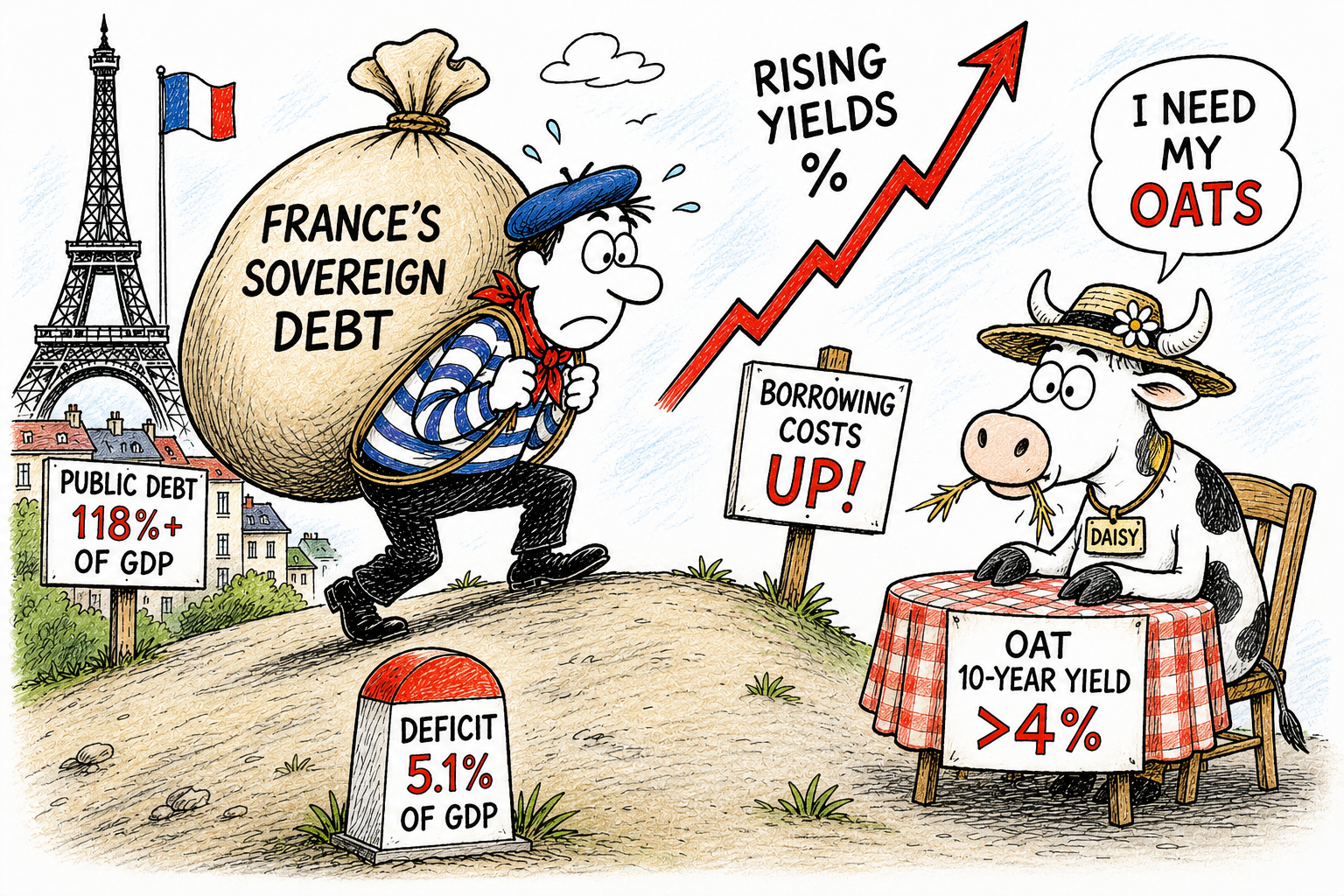
France’s public debt is expected to reach around 118% of GDP in 2026, rising above 120% in 2027, according to the European Commission.

Meanwhile, the budget deficit is forecast to remain at around 5.1% of GDP this year, well above the European Union’s 3% limit.

Investors are now demanding higher returns to hold French government bonds. The yield on the benchmark 10-year French OAT recently moved above 4%, reaching levels not seen since the late 2000s.

Yields

At the end of August 2026, the yield remained around 4.1%, while the equivalent German Bund was closer to 3.25%.

That difference matters. The wider the gap between French and German borrowing costs, the greater the risk premium investors are demanding from Paris.

France’s spread has recently approached 90 basis points, reflecting concerns over its fiscal position and political uncertainty ahead of next year’s presidential election.

Danger signs

The danger is a potential “debt snowball”. As older, cheaper bonds mature, France must refinance them at today’s higher rates.

Interest payments therefore consume an increasing share of government revenue, potentially forcing Paris to borrow even more.

The European Commission reportedly expects French interest payments to rise from 2.2% of GDP in 2025 to 2.6% in 2026 and 2.8% in 2027.

France is not facing an immediate sovereign default, but markets are clearly demanding greater fiscal discipline.

The crucial question is whether politicians can agree on spending cuts and tax measures before rising interest costs become a much larger problem.

Microduck AI Arrives from Hugging Face

AI Microduck from Hugging Face

It may look like a cute toy duck, but Hugging Face’s new Microduck is a fascinating example of how interconnected the modern technology industry has become.

The 25cm-tall robot has been developed by Pollen Robotics, the French robotics company acquired by Hugging Face in 2025.

Beneath its quirky exterior is a Chinese-made Rockchip RK3566 processor based on ARM architecture, alongside cameras, LiDAR, motion sensors, microphones and wireless connectivity.

The software story is equally international. Microduck is designed around open-source technology, allowing developers to programme, train and teach it new behaviours using Hugging Face’s robotics ecosystem and reinforcement learning tools.

Global design

That makes Microduck more than an amusing little robot. It is a miniature demonstration of the global supply chain behind modern AI: French engineering, Chinese semiconductor manufacturing, British-designed ARM technology and internationally developed open-source software coming together in one product.

Priced at $399, Microduck is intended to make physical AI more accessible to developers, researchers and enthusiasts. Hugging Face says it received more than $2.6 million in orders during the first 24 hours.

The duck may be French-designed, Chinese-powered and ARM-based — but its ambition is truly global.

What will Nvidia think if they complete their reported potential acquisition of Hugging Face?

Jackson Hole: U.S. Rate Hike Fears Return

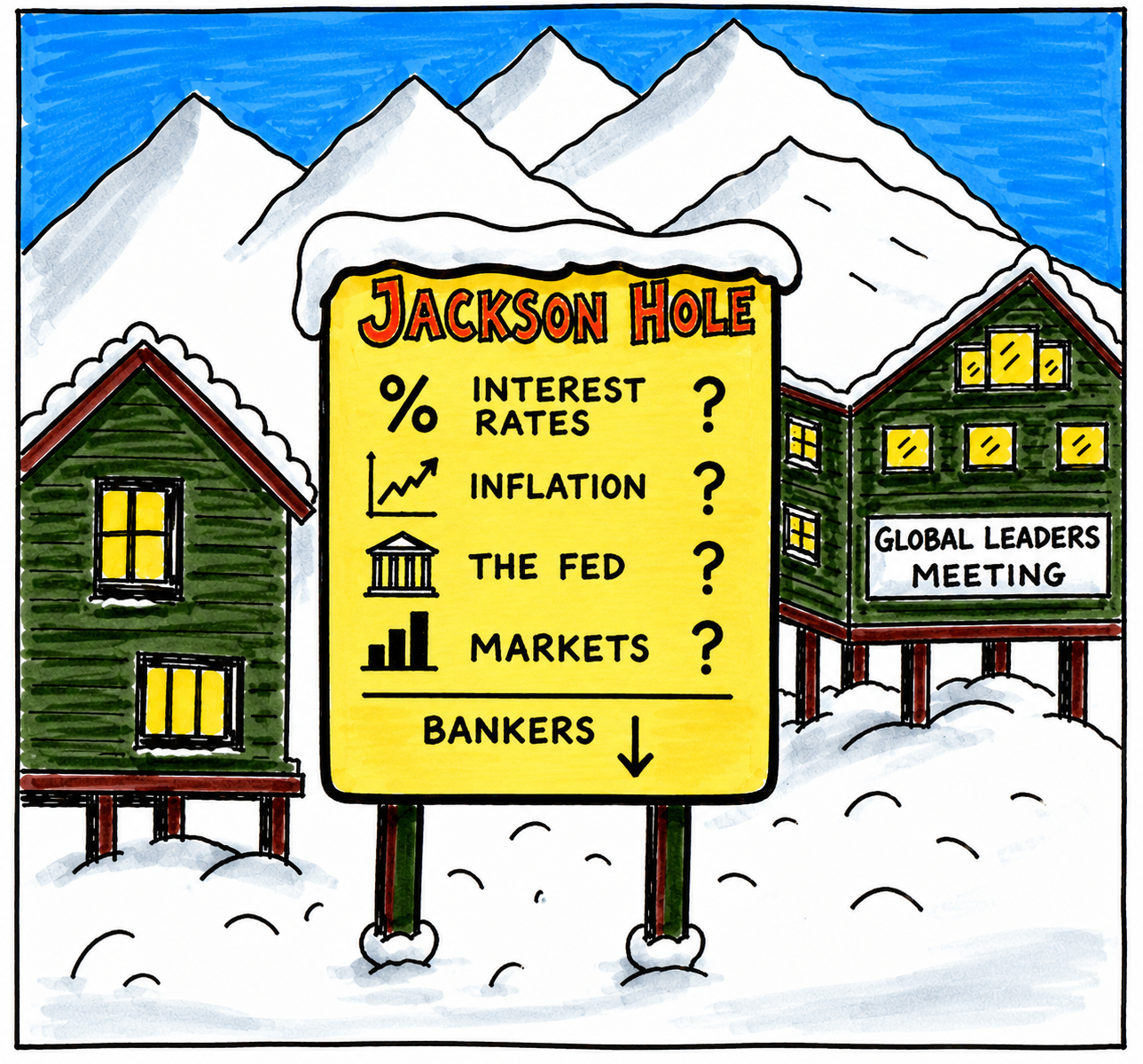
The 2026 annual Jackson Hole meeting has delivered a clear warning to financial markets: U.S. interest rates may not be heading lower… just yet.

Federal Reserve Chair Kevin Warsh used his first major Jackson Hole speech to stress that inflation remains too high and that recent improvements have not been enough to convince policymakers that price pressures are returning sustainably towards the Fed’s 2% target.

Warsh also suggested that current financial conditions are not sufficiently restrictive, raising the possibility that further interest-rate increases could be required.

Interest rate increase more likely?

Markets reacted quickly, with the probability of a September 2026 rate rise climbing to around 60%, compared with roughly 35% before his speech.

The message is particularly significant because investors had been hoping for lower borrowing costs. Instead, attention has shifted towards whether stubborn U.S. inflation will force the Fed to tighten policy again.

With the September 2026 meeting approaching, upcoming inflation and employment figures could prove crucial in determining the next move.

Nvidia Reportedly Agrees $12.9 Billion Deal for Hugging Face

Nvidia AI deal

Nvidia is reportedly set to acquire artificial intelligence platform Hugging Face for $12.9 billion, in a deal that would give the world’s leading AI chipmaker a powerful position in the rapidly expanding open-source AI market.

The reported transaction, first revealed by The Information and subsequently reported by Reuters, would rank among Nvidia’s largest acquisitions.

However, there was still some uncertainty over whether a definitive agreement had been formally signed, with neither Nvidia nor Hugging Face initially confirming the deal publicly.

Open-source AI

Hugging Face has become one of the most important platforms in the AI industry, acting as a vast repository where developers can share, download and work with open-source AI models, datasets and software. It also provides cloud-based services for running and deploying AI applications.

For Nvidia, the attraction goes well beyond simply acquiring another technology company. Open-source AI is becoming increasingly important as developers look for alternatives to the powerful but largely closed systems operated by companies such as OpenAI and Anthropic.

That matters to Nvidia because many of those companies are also developing their own AI chips, potentially threatening Nvidia’s extraordinary dominance of the AI hardware market.

Strength

Owning Hugging Face could therefore help Nvidia strengthen its influence across both the software and hardware sides of the AI ecosystem.

The price tag is eye-catching. Hugging Face was valued at $4.5 billion following a 2023 funding round and was reportedly generating annualised revenue of around $150 million. At $12.9 billion, Nvidia would therefore be paying roughly 86 times that revenue figure.

Premium

Yet Nvidia clearly appears willing to pay a premium for strategic control. The acquisition would give Jensen Huang’s company a significant foothold in open-source AI while potentially creating another route into cloud computing and AI services.

If completed, the deal would send a powerful message: Nvidia is no longer simply selling the picks and shovels of the AI revolution — it wants a much bigger stake in the mine itself.

Hugging Face was founded in 2016, so as of August 2026 it is 10 years old.

It was originally created as a chatbot company by Clément Delangue, Julien Chaumond and Thomas Wolf, before evolving into the major open-source AI platform it is today.

Quite remarkable, really — a 10-year-old company potentially being worth nearly $13 billion.