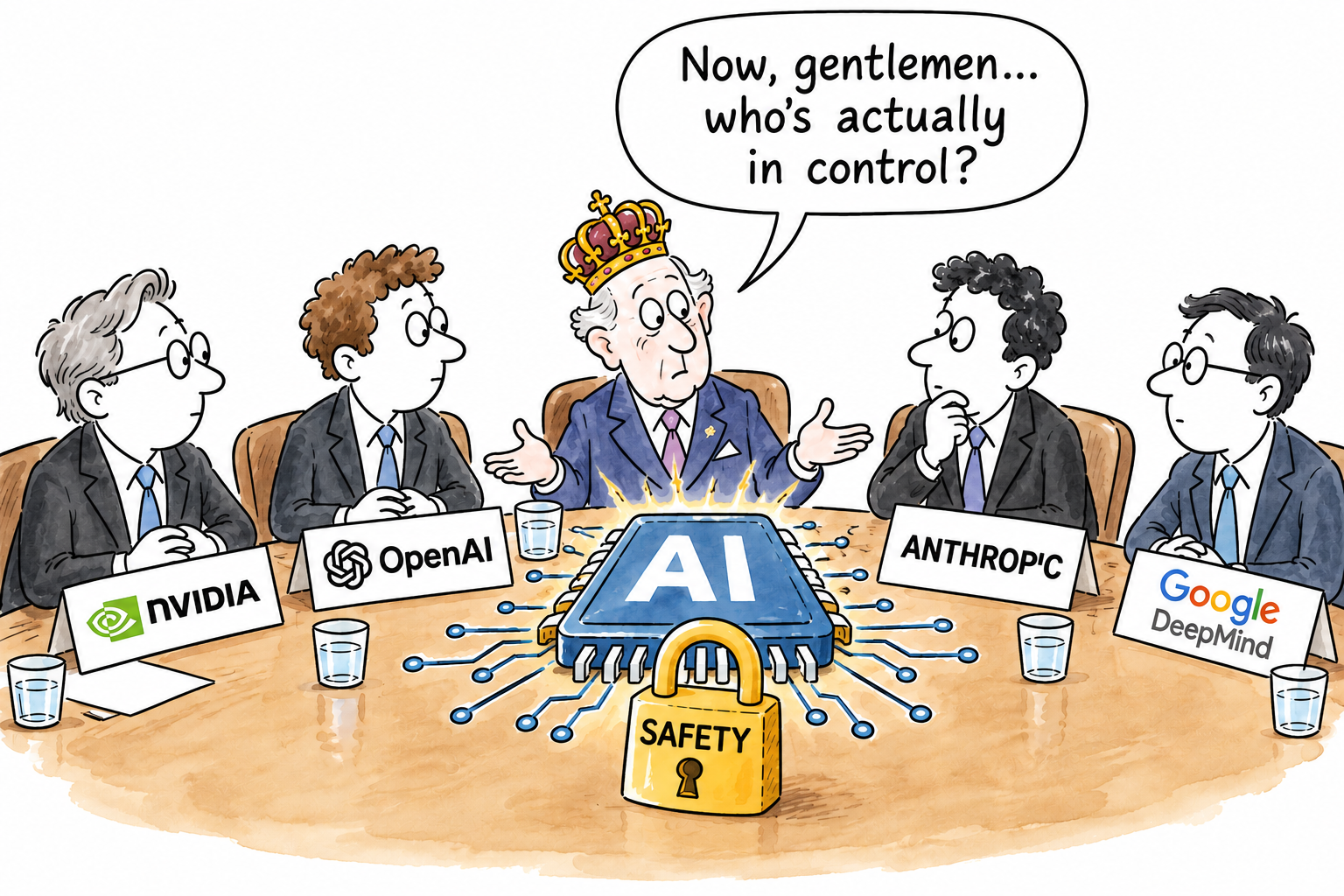
Google CEO Sundar Pichai has warned that no company, including his own, will be immune if the current AI bubble bursts.
He described the boom as both extraordinary and irrational, urging caution amid soaring valuations and investment hype
In a recent interview, Google’s chief executive Sundar Pichai offered a sobering perspective on the rapid expansion of artificial intelligence.
Profound Tech Creation
While he reportedly reaffirmed his belief that AI is ‘the most profound technology humanity has developed‘, he acknowledged growing concerns that the sector may be overheating.
According to Pichai, the surge in investment and valuations has created an atmosphere of exuberance that risks tipping into irrationality.
Pichai stressed that if the so-called AI bubble were to collapse, no company would escape unscathed. Even Google, one of the world’s most powerful technology firms, would feel the impact.
Remember Dot-Com?
He likened the current moment to past speculative cycles, such as the dot-com boom, where innovation was genuine, but market expectations outpaced reality.
Despite these warnings, Pichai emphasised that the long-term potential of AI remains intact.
He argued that professions across the board—from teaching to medicine—will continue to exist, but success will depend on how well individuals adapt to using AI tools.
In his view, the technology will reshape industries, but the hype surrounding short-term gains could distort investment flows and create instability.
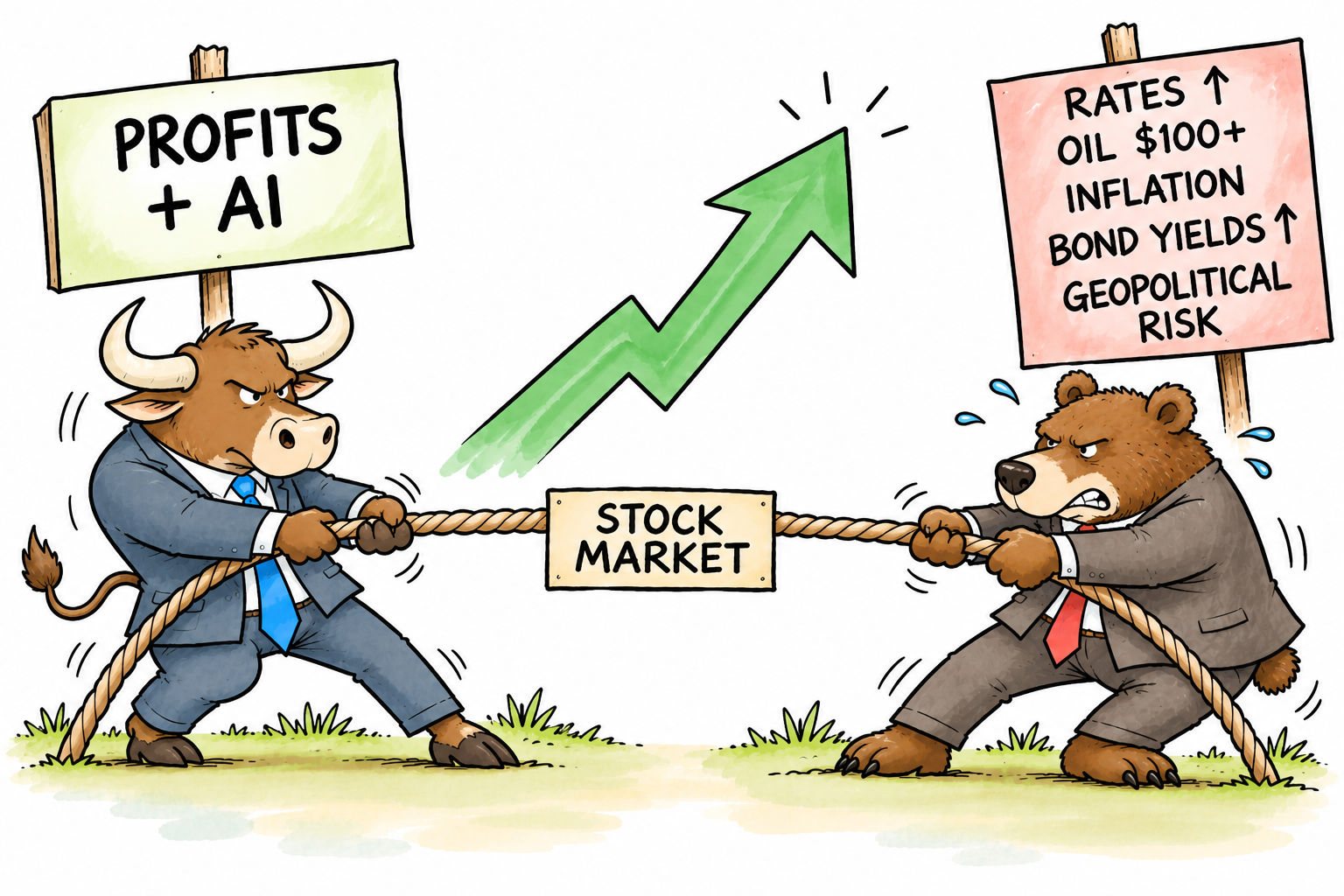
His comments arrive at a time when Silicon Valley is grappling with questions about sustainability. Tech stocks have surged on AI optimism, yet analysts caution that inflated valuations may not reflect the true pace of adoption.
Pichai’s intervention serves as both a reality check and a reminder: AI is transformative, but it is not immune to market corrections.
For investors and innovators alike, the message is clear—embrace AI’s promise but prepare for turbulence if the bubble bursts.
Bitcoin has officially entered a bear market, having fallen more than 25% from its October peak of $126,000.
This downturn is rippling across the wider crypto sector, dragging Ethereum, Solana, and other altcoins into steep declines as investor sentiment turns risk-off.
Bitcoin’s recent plunge below $95,000 marks a decisive shift into bear market territory. After reaching an all-time high of $126,000 in early October, the cryptocurrency has shed over a quarter of its value in just six weeks.
Analysts point to a combination of factors: fading hopes of Federal Reserve rate cuts, heavy outflows from Bitcoin ETFs, and broader weakness in technology. The sell-off has erased all of Bitcoin’s 2025 gains, leaving traders cautious and fearful.
This downturn is not isolated. Ethereum has dropped more than 30% from its highs, while Solana and Cardano have suffered double-digit losses.
The total crypto market capitalisation has fallen by approximately $1 trillion since October, underscoring how tightly correlated altcoins remain to Bitcoin’s trajectory.
When the flagship asset falters, liquidity drains across the sector, amplifying volatility.
Investor psychology has shifted dramatically. The ‘buy the dip’ mentality that defined earlier rallies is giving way to defensive strategies, with many now selling into strength rather than accumulating.
Long-term holders have reportedly offloaded hundreds of thousands of BTC in recent weeks, intensifying downward momentum. Meanwhile, ETF outflows — exceeding $1.6 billion in just three days — highlight waning institutional confidence.
For the broader crypto ecosystem, Bitcoin’s bear market signals a period of consolidation and caution. Altcoins, often more volatile, are likely to experience sharper swings.
Yet history suggests that such downturns can reset valuations, paving the way for healthier growth once macroeconomic conditions stabilise.
For now, however, the market remains firmly in risk-off mode, with Bitcoin leading the retreat.
The crypto sector faces nearing a $1 trillion wipeout, with investor sentiment shifting from optimism to fear.
For some time now, talk of an ‘AI bubble‘ has largely come from investors and financial analysts. Now, strikingly, some of the loudest warnings are coming from inside the industry itself.
At the Web Summit in Lisbon, senior executives from companies such as DeepL and Picsart reportedly admitted they were uneasy about the soaring valuations attached to artificial intelligence ventures. Sam Altman of OpenAI has also sounded warnings of AI overvaluation.
DeepL’s chief executive Jarek Kutylowski reportedly described current market conditions as ‘pretty exaggerated’ and suggested that signs of a bubble are already visible.
Picsart’s Hovhannes Avoyan reportedly echoed the sentiment, criticising the way start‑ups are being valued despite having little or no revenue. He reportedly coined the phrase ‘vibe revenue’ to describe firms being backed on hype rather than substance.
These remarks highlight a paradox. On one hand, demand for AI services remains strong, with enterprises expected to increase adoption in 2026.
On the other, the financial side of the sector looks overheated. Investors such as Michael Burry have accused major cloud providers of overstating profits, while banks including Goldman Sachs and Morgan Stanley have warned of potential corrections.
The tension reflects a broader question: can the industry sustain its rapid expansion without a painful reset?
Venture capital forecasts suggest trillions will be poured into AI data centres over the next five years, yet some insiders argue that the scale of spending is unnecessary.
Even optimists concede that businesses are struggling to integrate AI effectively, meaning the promised returns may take longer to materialise.
For now, the AI sector stands at a crossroads. The technology’s transformative potential is undeniable, but the financial exuberance surrounding it may prove unsustainable.
If the warnings from within the industry are correct, the next chapter of the AI story could be less about innovation and more about value correction.
Private equity is increasingly burdened by ‘zombie companies‘ – firms that neither grow nor collapse, but linger in portfolios, draining resources and blocking exits.
In recent years, private equity has faced a troubling phenomenon: the rise of the zombie company.
These are businesses that generate just enough cash to service their debt but fail to deliver meaningful growth or attract buyers, even at discounted valuations.
They remain trapped on balance sheets long after the intended investment horizon, creating a drag on both investors and the wider economy.
The roots of this problem lie in shifting market conditions. Rising interest rates have made debt-heavy buyouts harder to sustain, while a slowdown in dealmaking has reduced opportunities for profitable exits.
Offloading?
In the past, firms could rely on buoyant markets to offload underperforming assets, but today’s cautious buyers are unwilling to take on companies with weak fundamentals.
As noted by a financial educationalist, Oliver GOTTSCHALG – ‘the machine is stuck’ – private equity firms cannot recycle capital efficiently.
For investors, the implications are stark. Capital is locked in funds that cannot distribute returns, potentially undermining confidence in the asset class.
Some firms have resorted to continuation vehicles or fee-generating strategies to keep operations afloat, but these are stopgaps rather than solutions.
The longer companies remain in this half-alive state, the more they consume scarce managerial attention and financial resources.
The persistence of zombie companies also raises broader concerns. They tie up capital that could otherwise support innovation and growth, while their stagnation risks eroding trust in private equity’s promise of dynamic value creation.
Unless market conditions improve or restructuring strategies succeed, the industry may face a decade defined not by bold exits, but by portfolios haunted by the undead.
In short, zombie companies symbolise private equity’s struggle to adapt, neither thriving nor dying but stubbornly refusing to leave
Zombie companies in private equity trap capital, reducing liquidity and investor confidence, which indirectly pressures public markets—especially high‑valuation sectors like AI.
When private equity funds are clogged with underperforming assets, institutional investors face tighter cash flows and may rebalance away from riskier equities.
This creates capital shortages and amplifies volatility in growth stocks. AI firms, already under scrutiny for sky‑high valuations, are particularly vulnerable: investors pull back when liquidity is constrained, leading to sharper corrections.
Recent sell‑offs saw AI stocks lose over $820 billion in value as confidence faltered, reflecting how private equity stagnation can ripple into tech markets.
The Office for National Statistics confirmed that GDP expanded by a mere 0.1% between July and September 2025, down from 0.3% in the previous quarter and below economists’ low expectations of 0.2%.
This ‘painstakingly low and feeble growth’ reflects weak consumer demand, faltering production, and persistent inflationary pressures.
For Chancellor Rachel Reeves, who will deliver her Budget on 26th November 2025, the numbers present a difficult backdrop. With unemployment edging higher and household finances under strain, calls for fiscal support are intensifying.
Yet speculation continues that Reeves will likely opt for tax rises to shore up public finances, a move that risks dampening already fragile growth.
The Bank of England may provide some relief if it cuts interest rates at its final meeting of the year, but monetary easing alone cannot offset structural weaknesses.
Business investment remains subdued, and September’s 2% drop in manufacturing output highlights the challenges facing industry. The JLR debacle didn’t help.
The Budget will therefore be a balancing act: stimulating growth without undermining fiscal credibility.
Today’s figures underline the urgency of that task.
Note:
Rachel Reeves’ 2024 Autumn Budget aimed to lay the groundwork for long-term growth, but it was not widely seen as a ‘growth budget’.
Many business leaders and analysts criticised it for dampening entrepreneurial momentum.
Reeves framed her first Budget as a reset for economic stability, following Labour’s July 2024 election win.
And here we are one year on from 2024 budget with virtually ZERO growth.
On 11th November 2025, the Dow Jones Industrial Average closed at a record high of 47,927.96, underscoring investor confidence despite broader market volatility.
The index briefly touched an intraday peak of 48,040 before settling lower, marking its strongest official finish to date.
Analysts attributed the surge to optimism around fiscal negotiations in Washington and renewed appetite for industrial and financial stocks, as investors rotated away from technology shares, albeit a temporary rotation.
Dow Jones one-year chart showing new high as of 11th November 2025
The milestone reflects resilience in traditional sectors, even as global uncertainties persist.
For many, the Dow’s achievement symbolises a paradox of optimism amid caution, setting the stage for year‑end market narratives.
SoftBank Group has reportedly sold its entire holding of Nvidia shares, cashing in approximately $5.83 billion to fuel its expanding investments in artificial intelligence
The Japanese tech conglomerate offloaded 32.1 million shares in October 2025, marking a strategic pivot away from the chipmaker that once anchored its Vision Fund portfolio.
The sale coincided with SoftBank’s announcement of a ¥2.5 trillion net profit for the July–September 2025 quarter, buoyed by gains from both Nvidia and a partial divestment of its T-Mobile stake.
AI ventures
Founder, Masayoshi Son is now redirecting capital towards ambitious AI ventures, including the Stargate data centre project and robotics manufacturing in the U.S.
While SoftBank remains entangled with Nvidia’s ecosystem through its AI-linked ventures, this exit signals a broader monetisation strategy amid growing scrutiny over tech sector valuations.
The move underscores Son’s intent to reshape SoftBank as a dominant force in next-generation AI infrastructure.
Tesla has hit a troubling milestone in China, with October 2025 marking its lowest monthly sales in three years.
The American electric vehicle giant sold just 26,006 units, a staggering 35.8% (approx’) drop compared to the same month last year.
This slump follows a brief surge in September 2025, when Tesla launched the Model Y L—a longer-wheelbase, six-seat version tailored for Chinese consumers.
Despite initial enthusiasm, the momentum quickly faded as domestic rivals ramped up their offerings. Xiaomi, for instance, recorded 48,654 EV sales in October 2025, outpacing Tesla and highlighting the growing strength of local brands.
Tesla’s market share in China’s EV sector shrank to around 3.2%, down from 8.7% the previous month, underscoring the brand’s struggle to maintain relevance in the world’s most competitive electric vehicle market.
Broader economic factors also played a role, with overall car sales in China declining amid reduced government subsidies and waning consumer confidence.
While Tesla’s exports from China rose to a two-year high, the domestic downturn signals a strategic challenge.
As local manufacturers innovate rapidly and offer aggressive pricing, Tesla will likely rethink its approach to regain traction in a market that once promised boundless growth.
In a move that has stunned financial analysts, corporate governance experts, and the broader public alike, Tesla Inc. has approved a record-breaking $1 trillion (£761 billion) compensation package for its CEO, Elon Musk.
In a landmark decision, Tesla shareholders have approved a staggering $1 trillion (£761 billion) compensation package for CEO Elon Musk, marking the largest executive pay deal in corporate history.
The vote, held at Tesla’s annual meeting in Austin, Texas, reportedly saw over 75% of investors back the plan, reaffirming their confidence in Musk’s leadership and long-term vision.
Share deal
The deal is entirely performance-based, with Musk eligible to receive up to 423 million Tesla shares if the company meets a series of ambitious milestones.
These include producing 20 million vehicles annually, deploying one million robotaxis and humanoid robots, and reaching a market valuation of $8.5 trillion.
Reportedly there is no salary or cash bonus—Musk’s payout depends solely on Tesla’s success.
Supporters argue the package aligns Musk’s incentives with shareholder interests, encouraging innovation and growth.
Critics, however, warn of governance risks and the unprecedented concentration of wealth and power.
Musk, already the world’s richest person, could become the first trillionaire if Tesla achieves its targets.
The vote signals Tesla’s intent to evolve beyond electric vehicles into a broader tech powerhouse, betting on AI, robotics, and autonomy—with Musk at the helm.
Artificial Intelligence: The Hype, The Hangover, and What Comes Next…
For the past two years, artificial intelligence has dominated headlines, boardrooms, and investor portfolios.
From generative models that write poetry to chips that promise to revolutionise data processing, AI has been hailed as the engine of a new industrial age. But as 2025 unfolds, the sheen is beginning to dull.
Beneath the surface of record-breaking valuations and breathless media coverage, a more sobering narrative is taking shape: the AI boom may be running out of steam.
Slowing down
Recent market activity paints a cautionary tale. Despite strong earnings from AI stalwarts like Palantir and AMD, stock prices have faltered a little.
Palantir plunged nearly 8% after a blowout quarter, and even Nvidia—long considered the crown jewel of AI hardware—has seen pullbacks.
Analysts warn that Wall Street’s tunnel vision on AI is creating distortions, with capital flooding into a narrow set of companies while broader market fundamentals weaken.
One major concern is overcapacity in data centres. Billions have been poured into infrastructure to support AI workloads, but growth in consumer-facing applications—particularly chatbots and virtual assistants—appears to be plateauing.
Businesses are also grappling with the reality that integrating AI into operations is far more complex than anticipated. From regulatory hurdles to ethical dilemmas, the promise of seamless automation is proving elusive.
Bubble?
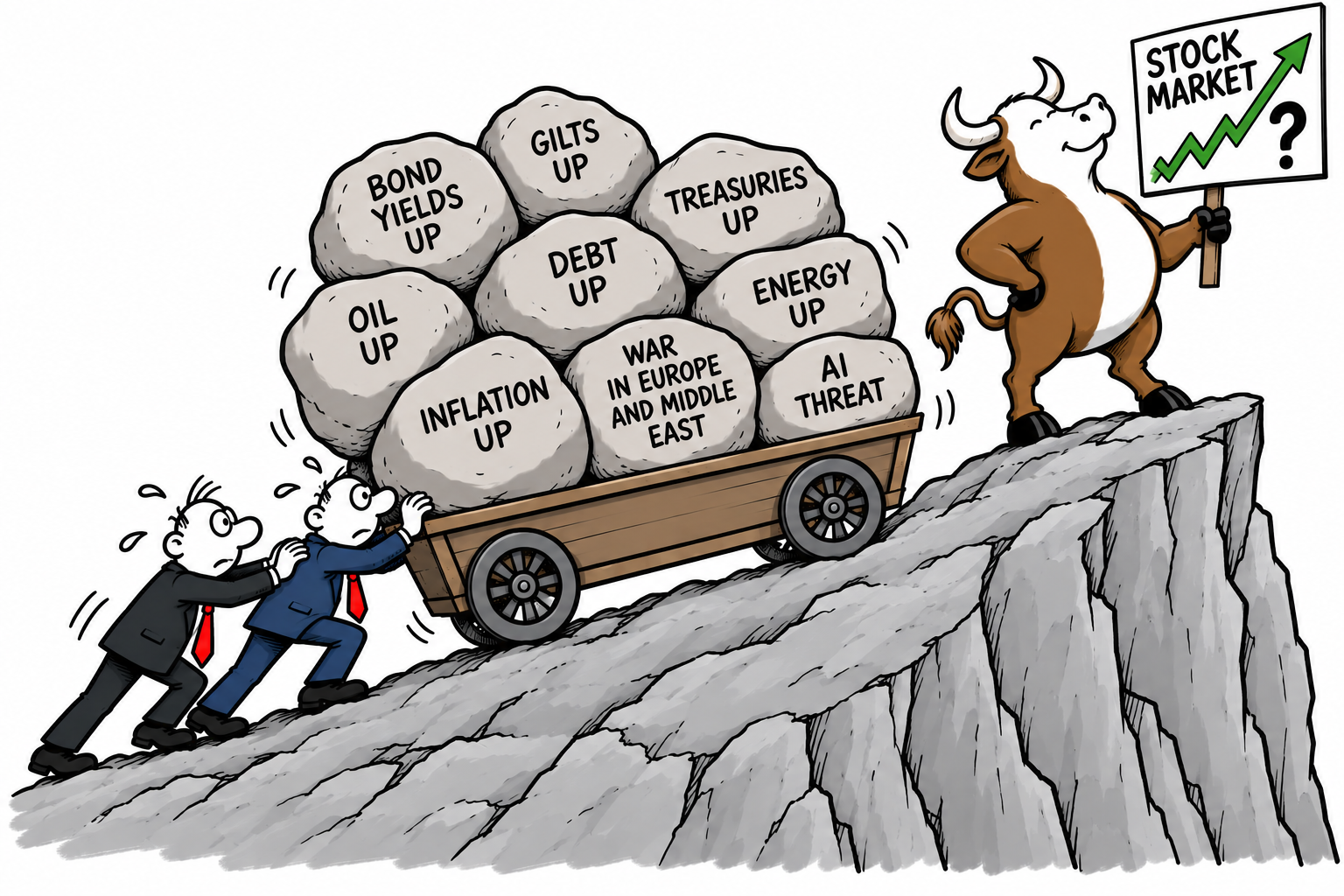
The spectre of an ‘AI bubble‘ looms large. Comparisons to the dot-com crash are no longer whispered—they’re openly debated by investors and tech executives alike.
While AI is undoubtedly transformative, the pace of investment may be outstripping the technology’s current utility. As OpenAI’s CEO Sam Altman noted, ‘When bubbles happen, smart people get overexcited about a kernel of truth’.
That kernel remains potent. AI will continue to reshape industries, but the narrative is shifting from euphoric disruption to measured integration. The mania is not over—but it’s maturing.
Investors, developers, and policymakers must now navigate a more nuanced landscape, where realism replaces hype, and long-term value trumps short-term spectacle.
In short, the AI revolution isn’t collapsing—it’s sobering up. And that may be the best thing for its future.
October 2025 saw a notable upswing in global equity markets, with artificial intelligence (AI) emerging as a key driver of investor enthusiasm.
In the United States, major indices closed the month firmly in the green, buoyed by strong third-quarter earnings and renewed confidence in AI’s transformative potential.
Tech giants such as Nvidia, Amazon, and Palantir posted robust results, reinforcing the narrative that AI is not just hype—it’s reshaping business fundamentals.
Nvidia’s leadership in AI chips and Amazon’s expanding AI-driven logistics were particularly well received, while Palantir’s government contracts underscored AI’s strategic reach.
The Federal Reserve’s decision to cut interest rates by 0.25% added further momentum, making growth stocks more attractive and amplifying the rally in AI-heavy portfolios.
Analysts noted that investor sentiment was bolstered by easing trade tensions and a cooling inflation outlook, but it was AI’s ‘secular tailwind of extreme innovation’ that truly captured market imagination.
While some caution that valuations may be running hot, the October 2025 rally suggests that AI is now central to market dynamics. A pullback is likely soon.
As 2025 draws to a close, investors are watching closely to see whether the optimism translates into durable gains—or signals the start of an AI bubble.
Google’s nuclear pivot aligns with green energy goals—but contrasts sharply with Alaska’s oil expansion, which raises environmental concerns
Google’s move to restart the Duane Arnold nuclear plant in Iowa is part of a broader strategy to power its AI infrastructure with carbon-free energy.
Nuclear fission, while controversial, is considered a low-emissions source and offers round-the-clock reliability—something solar and wind can’t always guarantee.
By locking in a 25-year agreement with NextEra Energy, Google aims to meet its AI demands while staying on track for net-zero emissions by 2030.
Why Nuclear Fits the Green Energy Puzzle
Zero carbon emissions during operation make nuclear a strong contender for clean energy.
High energy density means a small footprint compared to solar or wind farms.
24/7 reliability is crucial for powering AI data centres, which can’t afford downtime.
Google’s plan reportedly includes exploring modular reactors and integrating nuclear into its broader clean energy mix.
However, nuclear isn’t without its critics.
Concerns include
Radioactive waste management and long-term storage.
High upfront costs and long construction timelines.
Public resistance due to safety fears and historical accidents.
Alaska’s Oil Recovery: A Different Direction
In stark contrast, the Trump administration has announced plans to open 82% of Alaska’s National Petroleum Reserve for oil and gas drilling.
This includes parts of the Arctic National Wildlife Refuge, home to polar bears, migratory birds, and Indigenous communities.
The move is framed as a push for energy independence and economic growth, but it’s drawing criticism for its environmental impact:
Habitat disruption for Arctic wildlife and fragile ecosystems.
Reversal of previous protections, sparking legal and activist backlash.
The Bigger Picture
Google’s nuclear strategy represents a tech-led green energy evolution, while Alaska’s oil expansion reflects a traditional fossil fuel revival.
The juxtaposition highlights a growing divide in U.S. energy policy: one path leans into innovation and sustainability, the other doubles down on extraction and short-term gains.
Nuclear power produces virtually no carbon emissions during operation, making it one of the cleanest sources of large-scale, continuous energy—though waste disposal and safety remain key challenges.
But…
Nuclear power is clean in terms of carbon emissions, but its waste remains a long-term challenge—requiring secure containment for thousands of years.
While nuclear energy produces virtually no greenhouse gases during operation, it generates radioactive waste that must be carefully managed.
Here’s how the waste issue fits into the broader energy conversation
What Is Nuclear Waste?
High-level waste: Spent fuel from reactors, highly radioactive and thermally hot. Requires cooling and shielding.
Intermediate and low-level waste: Contaminated materials like tools, clothing, and reactor components. Less dangerous but still regulated.
How Is It Managed?
Short-term: Stored on-site in cooling pools or dry casks.
Long-term: Plans for deep geological repositories—sealed underground vaults designed to isolate waste for 10,000+ years.
UK example: The Low Level Waste Repository in Cumbria is being capped with engineered barriers to prevent environmental leakage.
France: Reprocesses spent fuel to reduce volume and reuse materials, though still produces waste.
Japan: Actively searching for a permanent disposal site, with local politics shaping progress.
Innovations and Controversies
New reactor designs aim to produce less waste or use existing waste as fuel.
Deep Fission’s concept: Building reactors in mile-deep shafts that could be sealed permanently.
Public concern: Waste disposal remains a top reason for nuclear opposition, especially in regions like Taiwan
What about greenhouse gasses emitted building a plant and the operation?
Nuclear power emits very low greenhouse gases during operation, but construction and fuel processing do produce emissions—though still far less than fossil fuels over the plant’s lifetime.Dealing with the waste is the real issue.
Here’s a breakdown of the full lifecycle emissions:
Lifecycle Emissions of Nuclear Power
According to the World Nuclear Association and IEA
Construction phase: Building a nuclear plant involves concrete, steel, and heavy machinery—materials and processes that emit CO₂. This upfront carbon cost is significant but amortised over decades of clean operation.
Fuel cycle: Mining, enriching, and transporting uranium also produce emissions, though modern methods are improving efficiency. Operation phase: Once running, nuclear plants emit virtually no greenhouse gases. They don’t burn fuel, so there’s no CO₂ from combustion. Decommissioning: Dismantling old plants and managing waste adds a small carbon footprint, but it’s minor compared to fossil fuel alternatives.
How Nuclear Compares to Other Energy Sources
Energy Source
Lifecycle CO₂ Emissions (g/kWh)
Coal
820
Natural Gas
490
Solar PV
48
Wind
12
Nuclear
12
Sources: World Nuclear Association
Nuclear’s carbon profile is front-loaded: it costs carbon to build, but pays back in decades of clean power. Compared to fossil fuels, it’s a dramatic improvement.
And unlike solar or wind, it’s not weather-dependent—making it ideal for powering AI data centres that demand constant uptime.
Still, critics argue that the slow build time and high capital cost make nuclear less agile than renewables. Others point out that waste management and public trust remain unresolved.
In a bold move that signals the escalating energy demands of artificial intelligence, Google has announced plans to invest heavily in nuclear power to fuel its data centres.
As AI models grow more complex and compute-intensive, the tech giant is turning to atomic energy as a stable, carbon-free solution to meet its insatiable appetite for electricity.
The shift comes amid mounting scrutiny over the environmental impact of AI. Training large language models and running real-time inference across billions of queries requires vast amounts of energy—often sourced from fossil fuels.
Google’s pivot to nuclear is both a strategic and symbolic gesture: a commitment to sustainability, but also a recognition that the AI era demands a fundamentally different energy paradigm.
SMR’s
At the heart of this initiative is Google’s partnership with advanced nuclear startups exploring small modular reactors (SMRs) and next-generation fission technologies.
Unlike traditional nuclear plants, SMRs are designed to be safer, more scalable, and quicker to deploy—making them ideal for powering decentralised data infrastructure.
Google’s goal is to integrate these reactors directly into its cloud and AI campuses, creating a closed-loop ecosystem where clean energy powers the very machines shaping the future.
Critics, however, warn of the risks. Nuclear waste, regulatory hurdles, and public perception remain significant barriers.
Some environmentalists argue that the urgency of the climate crisis demands faster, more proven solutions like solar and wind. Yet others see nuclear as a necessary complement—especially as AI accelerates demand beyond what renewables alone can supply.
This isn’t Google’s first foray into atomic ambition. In 2022, it backed nuclear fusion research through its DeepMind subsidiary, applying AI to optimise plasma control.
Now, with fission in focus, the company appears determined to lead not just in AI innovation, but in the infrastructure that sustains it.
The implications are profound. If successful, Google’s nuclear strategy could set a precedent for the entire tech industry, reshaping how data is powered in the 21st century.
It also raises deeper questions: Can the tools of the future be truly sustainable? And what does it mean when the intelligence we build begins to reshape the energy systems that built us?
One thing is clear—AI isn’t just changing how we think. It’s changing what we power, and how we power it.
We’re already seeing multiple classic bubble indicators: extreme valuations (Buffett Indicator, Shiller CAPE), record retail participation, AI-driven hype, and surging margin debt—all pointing to elevated risk.
Key Bubble Indicators Already Present
📈 Buffett Indicator (Market Cap to GDP) This ratio is at historically high levels, suggesting stocks are significantly overvalued relative to the economy. Warren Buffett himself has warned investors may be “playing with fire”.
📊 Shiller CAPE Ratio Another respected valuation metric, the cyclically adjusted price-to-earnings ratio, is also elevated—indicating unsustainable earnings multiples and potential for correction.
🧠 AI-driven speculation The rally is heavily concentrated in AI and tech stocks, with some analysts calling it a “toxic calm” before a crash. Search volume for ‘AI bubble‘ is at record highs, and billionaire Paul Tudor Jones has issued warnings.
📉 Retail investor frenzy A record 62% of Americans now own stocks, with $51 trillion at stake. This surge in retail participation is reminiscent of past bubbles, where optimism outpaces caution.
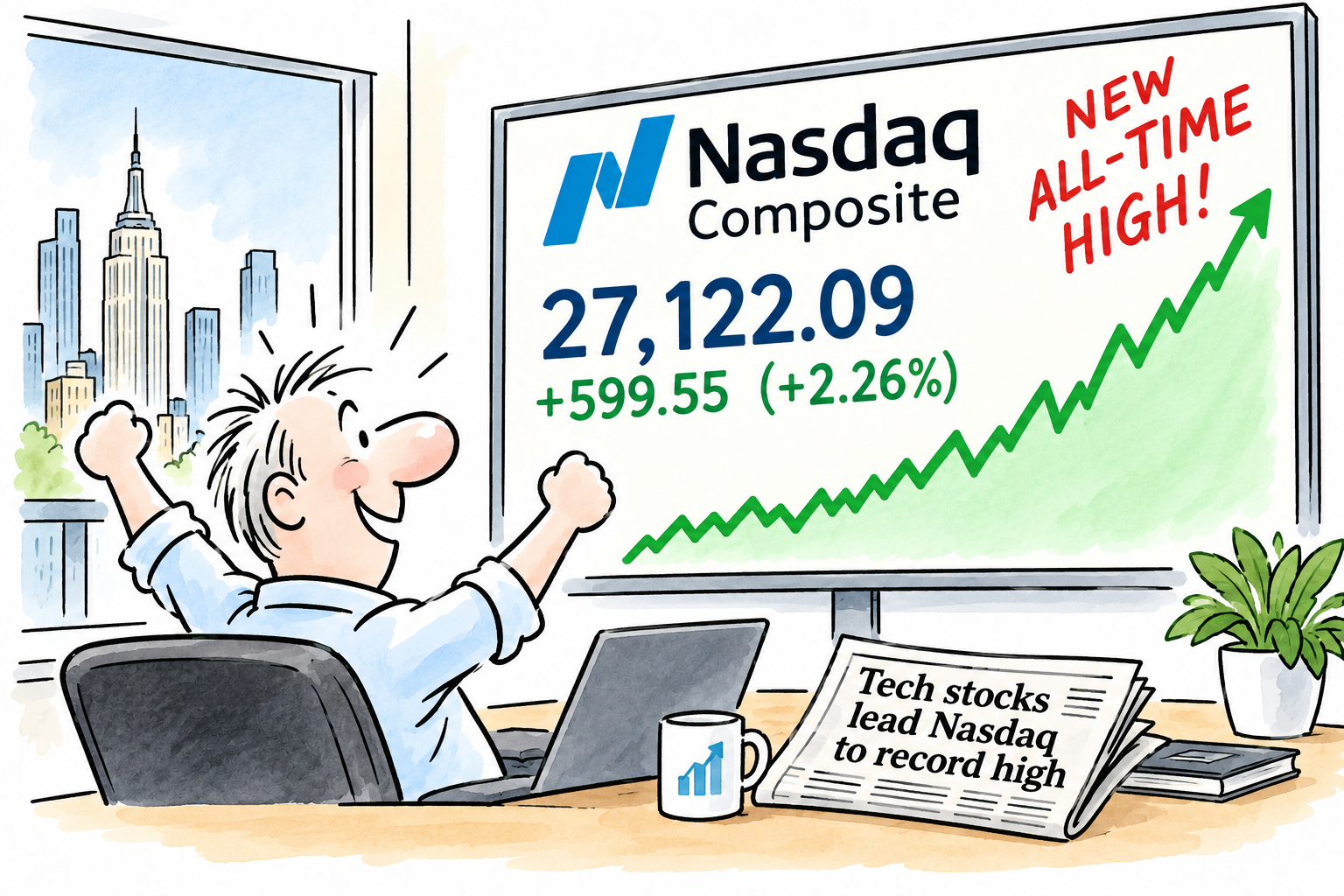
📌 New market highs The Nasdaq, S&P 500, and Dow have hit dozens of new highs in recent months. While bullish on the surface, this pace of gains often precedes sharp reversals.
💸 Margin debt and risk appetite Risk-taking is accelerating, with margin debt climbing and speculative behavior increasing. Analysts note this as a historically bad sign when paired with euphoric sentiment.
What’s Not Yet Peaking (But Worth Watching)
IPO and SPAC volume: While not at 2021 levels, any surge here could signal speculative excess.
Corporate earnings vs. valuations: Some firms still show strong earnings, but the disconnect is widening.
Narrative dominance: AI optimism is strong, but hasn’t fully eclipsed fundamentals—yet.
Cathie Wood, CEO of ARK Invest, has once again stirred debate in financial circles by cautioning that the artificial intelligence (AI) sector may be growing top-heavy.
While she remains bullish on the long-term potential of AI technologies, Wood has signalled concern over the concentration of capital in a handful of dominant players—particularly those driving the S&P 500’s recent surge.
Speaking during a recent investor forum in Saudi Arabia, Wood dismissed fears of an outright AI bubble but acknowledged the risk of valuation corrections as interest rates climb and market exuberance outpaces fundamentals.
Her remarks come as ARK Invest continues to rebalance its portfolio, trimming exposure to overvalued tech giants while increasing stakes in emerging AI innovators such as Baidu and Robinhood.
Wood’s flagship ARK Innovation ETF (ARKK) has rebounded sharply in 2025, up over 87% year-on-year, largely fuelled by AI-related holdings.
Yet she reportedly remains wary of the ‘Mag 7’ effect—where a small cluster of mega-cap stocks like Nvidia, Microsoft, and Alphabet dominate investor attention and index weightings.
Strategy
This concentration, she argues, distorts broader market signals and risks sidelining promising mid-cap disruptors.
In response, ARK has shed positions in AMD and Shopify while doubling down on Baidu, a move that reflects Wood’s belief in underappreciated AI plays beyond Silicon Valley.
Her strategy underscores a broader thesis: that the next wave of AI growth will come from decentralised platforms, edge computing, and global innovators—not just the usual suspects.
While critics remain divided on her timing and tactics, Wood’s portfolio adjustments suggest a nuanced approach—one that embraces AI’s transformative power while resisting the gravitational pull of overhyped valuations.
For investors watching the sector’s evolution, her message is clear: beware the weight of giants.
Microsoft Azure experienced a widespread outage on 29th October, beginning around 16:00 UTC, which affected thousands of users and businesses globally.
The disruption stemmed from issues with Azure Front Door, Microsoft’s content delivery network, and cascaded into failures across Microsoft 365, Xbox, Minecraft, and numerous third-party services reliant on Azure infrastructure.
Major retailers such as Costco and Starbucks, as well as airlines including Alaska and Hawaiian, reported system failures that hindered customer access and internal operations.
Users struggled with authentication, hosting, and server connectivity, with DownDetector logging a surge in complaints from 15:45 GMT onwards.
Microsoft acknowledged the problem on its Azure status page, attributing the outage to a suspected configuration change.
Full service restoration was achieved by about 23:20 UTC, though the timing coincided awkwardly with Microsoft’s Q1 FY26 earnings report, where Azure was reportedly highlighted as its fastest-growing segment.
The incident underscores the critical dependence on cloud infrastructure and raises questions about resilience and contingency planning.
As businesses increasingly migrate to cloud platforms, the ripple effects of such outages become more pronounced, impacting not just productivity, but public trust in digital reliability.
In October 2025, Nvidia’s stock surged past $207 per share, lifting its market capitalisation to $5.06 trillion. Once a niche graphics chip maker, Nvidia now powers the backbone of artificial intelligence worldwide.
CEO Jensen Huang confirmed over $500 billion in chip orders and plans for seven U.S. supercomputers.
This milestone, reached just three months after crossing $4 trillion, places Nvidia ahead of Microsoft and Apple, cementing its dominance in the AI era and redefining the future of computing.
Nvidia one-year chart as of October 2025
Nvidia one-year chart as of October 2025 passes $5 trillion Market Cap
This marks the second consecutive cut in 2025 amid economic uncertainty and a government data blackout.
In a move aimed at supporting growth, the Federal Reserve reduced its benchmark interest rate by 0.25% following its October policy meeting.
The decision, reportedly backed by a 10–2 vote from the Federal Open Market Committee, reflects growing concern over a weakening labour market and subdued consumer confidence.
Chair Jerome Powell acknowledged the challenges posed by the ongoing U.S. government shutdown, which has delayed key economic reports.
With official data frozen, the Fed relied on private indicators showing a slowdown in hiring and modest inflation. The Consumer Price Index rose just 3% year-on-year, below the Fed’s long-term target.
While the rate cut aims to ease borrowing costs and stimulate investment, Powell cautioned against assuming further reductions in December.
He emphasised that future decisions would depend on incoming data and evolving risks. It is not a done deal.
The Fed also announced plans to end quantitative tightening (QT) by 1st December 2025, signalling a broader shift towards monetary easing.
Markets responded cautiously, with investors weighing the implications for growth, inflation, and the Fed’s credibility.
Markets, after a short rally during the week, were subdued after the announcement.
Amazon has reportedly announced its largest corporate restructuring to date, with plans to lay off up to30,000 white-collar employees.
This represents nearly 10% of its global office workforce—as it accelerates its transition toward artificial intelligence and automation-led operations.
The move, confirmed on 28th October 2025, marks a dramatic shift in the tech giant’s internal priorities.
CEO Andy Jassy has framed the layoffs as part of a broader effort to streamline management. The company appears to want to eliminate bureaucratic inefficiencies and reallocate resources toward AI infrastructure.
‘We will need fewer people doing some of the jobs that are being done today, and more people doing other types of jobs’, Jassy is reported as saying.
Affected departments span human resources, logistics, customer service, and Amazon Web Services (AWS). Many roles are deemed redundant due to AI integration.
Heavy investment
The company has been investing heavily in machine learning systems. These are capable of handling tasks ranging from inventory forecasting to customer support. This approach has prompted the reevaluation of traditional staffing models.
While Amazon employs over 1.5 million people globally, the layoffs target its 350,000 corporate staff, signalling a significant recalibration of its white-collar operations.
It was reported that the job cuts were delivered via email, underscoring the impersonal nature of the transition.
The timing of the announcement—just ahead of the holiday season—has raised eyebrows across the industry.
Analysts suggest Amazon is betting on AI to offset seasonal labour demands and long-term cost pressures. However, this risks reputational fallout and internal morale issues.
Structural challenges
Critics argue that the scale of the layoffs reflects deeper structural challenges, including overhiring during the pandemic and a growing reliance on technology to solve human-centred problems.
Others see it as a bellwether for the wider tech sector, where AI is increasingly viewed as both a productivity boon and a disruptive force.
As Amazon reshapes its workforce for an AI-driven future, questions remain about the social and ethical implications of such rapid automation.
For now, the company appears resolute: leaner, faster, and more algorithmically efficient—even if it means leaving tens of thousands behind in the process.
But, AI is also creating job opportunities in other areas.
China’s industrial sector roared back to life in September, posting a 21.6% year-on-year increase in profits— reportedly the sharpest monthly gain in approximately two years.
The rebound offers a glimmer of optimism for the world’s second-largest economy, which has been grappling with sluggish domestic demand and a challenging global trade environment.
According to data released by China’s National Bureau of Statistics, the profit growth was broad-based, reportedly with 30 out of 41 major industrial sectors returning gains.
Key areas
Key contributors included the equipment manufacturing and automotive industries, both of which benefited from policy support and a modest uptick in consumer sentiment.
Analysts reportedly suggest the surge reflects a combination of easing input costs, improved factory output, and a low base effect from the previous year.
However, they caution that the momentum may not be sustainable without deeper structural reforms and stronger domestic consumption.
The September figures follow a 17.2% rise in August, indicating a tentative recovery trend after months of contraction earlier in the year.
Up but down
Still, cumulative profits for the first nine months of 2025 reportedly remain down 9% compared to the same period last year, underscoring the uneven nature of the recovery.
Beijing has recently stepped up efforts to stabilise the economy, including targeted fiscal stimulus and measures to support private enterprise.
Whether these gains can be sustained into the final quarter remains to be seen, but for now, September’s data offers a rare bright spot in an otherwise subdued industrial landscape.
Scaling the Summit:Markets Hit Record Highs Amid Global Uncertainty led by the Nasdaq and S&P 500 reflecting the AI race
Global stock hit new highs October 2025
🌍 Country
📈 Index Name
🗓️ Date
🔝 Closing Value
🇺🇸 United States
S&P 500
Oct 27
6,875.16
🇺🇸 United States
Dow Jones
Oct 27
47,544.59
🇺🇸 United States
Nasdaq Composite
Oct 27
23,637.46
🇬🇧 United Kingdom
FTSE 100
Oct 24
9,662.00
🇳🇱 Netherlands
AEX Index
Oct 28
966.82
🇮🇳 India
Nifty 50
Oct 28
25,966
🇮🇳 India
Sensex
Oct 28
84,778.84
🇯🇵 Japan
Nikkei 225
Oct 28
50,342.25
🇯🇵 Japan
TOPIX
Oct 28
3,285.87
These rallies were largely fueled by optimism over a potential U.S.–China trade deal, cooler inflation data, and expectations of interest rate cuts from the Fed.
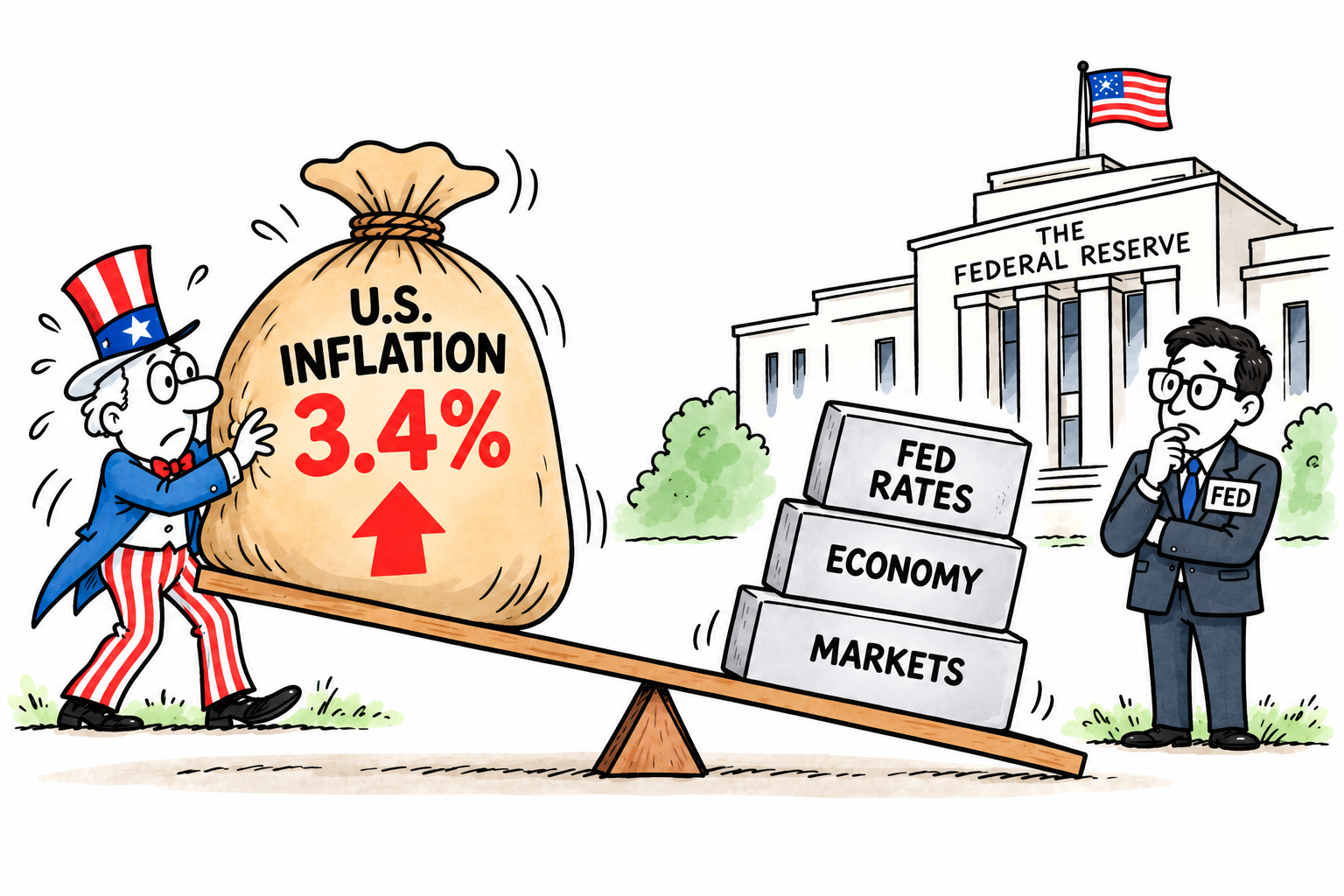
The latest U.S. inflation figures show a modest increase in consumer prices. The annual rate rose to 3.0% in September 2025, up from 2.9% in August. 2025.
Core inflation—which excludes volatile food and energy prices—also rose by 0.2% in September. This brought the year-on-year rate to 3.0%, again undercutting forecasts of 3.1%.
A notable contributor to the headline figure was a 4.1% surge in petrol prices. This offset declines in other areas such as used vehicles and household furnishings.
Federal Reserve
The data arrives just ahead of the Federal Reserve’s next policy meeting, where a 0.5% rate cut is widely anticipated. Softer inflation readings have buoyed market sentiment, with futures posting gains on hopes of looser monetary policy.
Despite a partial government shutdown, the inflation report was released on schedule, underscoring its significance for financial markets and policymakers.
With inflation now hovering near the Fed’s target, attention turns to wage growth and consumer spending as key indicators of future price stability.
The next CPI update is due mid-November.
This CPI news added to the possibility of a Fed rate cut in conjunction to the possibility of a U.S. China ‘tariff trade’ deal and relaxation of Rare Earth material sales pushed markets to new all-time highs!
The Binance founder had served a four-month sentence after pleading guilty to violating U.S. anti-money laundering laws—a conviction that formed part of a $4.3 billion settlement with the Department of Justice.
CZ’s release marks a dramatic turning point in the U.S. government’s approach to cryptocurrency regulation. Once emblematic of the Biden administration’s crackdown on crypto platforms, CZ now reportedly finds himself at the centre of a political pivot.
Trump’s pardon, announced in October 2025, has been met with both celebration and condemnation. Critics, including Senator Thom Tillis, argue the move undermines efforts to regulate illicit finance, while supporters hail it as a step toward restoring innovation in the digital asset space.
Now based in Abu Dhabi, CZ has vowed to ‘help make America the Capital of Crypto‘. His post-release activities suggest a shift from direct exchange management to broader influence.
Such as, investing in educational initiatives like Giggle Academy, backing blockchain startups, and lobbying for friendlier crypto legislation.
Despite the pardon, expectations remain high. CZ is under intense scrutiny—not just from regulators, but from the crypto community itself.
Many expect him to champion transparency, rebuild Binance’s reputation, and avoid the shadowy practices that led to its U.S. ban in 2019. His future influence may hinge on whether he can balance ambition with accountability.
For now, CZ’s return is symbolic: a signal that the crypto world is once again in flux, with its most controversial figure back in play.
Japan’s benchmark Nikkei 225 index surged past the 50,000 mark for the first time in history, marking a symbolic milestone for Asia’s second-largest economy.
The rally reflects a potent mix of domestic resilience, global investor appetite, and strategic policy shifts that have redefined Japan’s market narrative.
The breakthrough comes amid renewed optimism surrounding U.S.-China trade negotiations, with President Trump signalling progress ahead of a key meeting with Japan’s Sanae Takaichi.
Investors are betting on a thaw in geopolitical tensions, which could unlock export growth for Japan’s tech-heavy industrial base.
Driving the rally are heavyweight stocks in semiconductors, robotics, and AI infrastructure—sectors buoyed by global demand and Japan’s push to become a regional data hub.
Nikkei 225 Index at new history high above 50,000
Companies like Tokyo Electron and SoftBank have seen double-digit gains, fuelled by bullish earnings and strategic pivots toward AI and automation.
Domestically, the Bank of Japan’s continued accommodative stance has kept borrowing costs low, while corporate governance reforms have attracted foreign capital.
The weaker yen has also boosted exporters, making Japanese goods more competitive abroad.
Symbolically, the 50,000 threshold represents more than just market exuberance—it’s a vote of confidence in Japan’s ability to adapt, innovate, and lead in a shifting global landscape.
While risks remain—from demographic headwinds to geopolitical flashpoints—the Nikkei’s ascent signals a new era of investor engagement with Japan’s evolving economic story.
It was just one week ago on Monday 20th October 2025, Amazon Web Services (AWS) experienced a major outage that rippled across the digital world, disrupting operations for millions of users and businesses.
The incident, which originated in AWS’s US-East-1 region, was reportedly traced to DNS resolution failures affecting DynamoDB—one of AWS’s core database services.
This technical fault triggered cascading issues across EC2, network load balancers, and other critical infrastructure, leaving many services offline for hours.
The impact was immediate and widespread. Major consumer platforms such as Snapchat, Reddit, Disney+, Canva, and Ring doorbells went dark.
Financial services including Venmo and Robinhood faltered, while airline customers at United and Delta struggled to access bookings. Even British government portals like Gov.uk and HMRC were affected, underscoring the global reach of AWS’s infrastructure.
World leader
AWS is the world’s leading cloud provider, commanding roughly one-third of the global market—well ahead of Microsoft Azure and Google Cloud.
Millions of companies, from startups to multinational corporations, rely on AWS for everything from data storage and virtual servers to machine learning and content delivery.
Its services underpin critical operations in healthcare, education, retail, logistics, and media. When AWS stumbles, the internet itself feels the tremor.
20 Prominent Companies Affected by the AWS Outage (20th Oct 2025)
Sector
Company Name
Impact Summary
E-commerce
Amazon
Internal systems and Seller Central offline
Social Media
Snapchat
App outages and delays
Streaming
Disney+
Service interruptions
News
Reddit
Partial outages, scaling issues
Design Tools
Canva
High error rates, reduced functionality
Smart Home
Ring
Device connectivity issues
Finance
Venmo
Transaction delays
Finance
Robinhood
Trading disruptions
Airlines
United Airlines
Booking and check-in issues
Airlines
Delta Airlines
Reservation access problems
Telecom
T-Mobile
Indirect service disruptions
Government
Gov.uk
Portal access issues
Government
HMRC
Service delays
Banking
Lloyds Bank
Online banking affected
Productivity
Zoom
Meeting access issues
Productivity
Slack
Messaging delays
Education
Canvas
Assignment submissions disrupted
Crypto
Coinbase
User access failures
Gaming
Roblox
Server outages
Gaming
Fortnite
Gameplay interruptions
This outage wasn’t the result of a cyberattack, but rather a technical fault in one of Amazon’s main data centres. Yet the consequences were no less severe.
Amazon’s own operations were disrupted, with warehouse workers unable to access internal systems and third-party sellers locked out of Seller Central.
Canva reported ‘significantly increased error rates’. while Coinbase and Roblox cited cloud-related failures.
The incident serves as a stark reminder of the risks inherent in centralised cloud infrastructure. As digital life becomes increasingly dependent on a handful of providers, the potential for systemic disruption grows.
A single point of failure can cascade across industries, affecting everything from classroom assignments to emergency services.
AWS has since restored normal operations and promised a detailed post-event summary. But for many, the outage has reignited questions about resilience, redundancy, and the wisdom of placing so much trust in a single cloud giant.
In the age of digital interdependence, even a brief lapse can feel like a global blackout.