The UK energy price cap is expected to rise by 5% in January 2024, which means that a typical household who pays by Direct Debit will face an annual bill of £1,931, up from £1,834 in the previous quarter.
This increase comes at a “difficult period” for struggling households, as many are already facing higher costs of living due to the pandemic, Brexit, and inflation.
Designed to protect customers
The energy price cap is designed to protect customers from unfair price hikes and ensure that they pay a fair price for their energy. However, it does not limit the total bill, which depends on how much energy is actually used.
Therefore, customers are advised to shop around for better deals and switch to cheaper tariffs if possible. This, however, is easier said than done.
It is also recommended that struggling customers contact suppliers if they have difficulty paying their bills and seek help from schemes, grants, and benefits.
The UK energy price cap is a limit on the maximum amount that energy suppliers can charge customers on standard or default tariffs for each unit of gas and electricity they use. It is set by Ofgem, the energy regulator, every three months based on the underlying costs of energy and inflation.
Will these projects alter the world weather pattern?
According to a study, installing large-scale wind and solar farms in the Sahara desert could increase rainfall and vegetation in the region. The researchers simulated the effects of covering 20% of the Sahara with solar panels and wind turbines and found that it would trigger a feedback loop of more monsoon rain and more plant growth.
This could have benefits for the local environment and the global climate, as well as providing a huge amount of clean energy for the world.
Could it also create a detrimental effect to the ecosystem too?
10.5 GW solar energy
The desert project would produce 10.5 GW of solar power and 3 GW of wind power. However, there are also challenges and uncertainties involved, such as the cost, feasibility, and environmental impacts of such a massive undertaking.
The Sahara is a desert on the African continent. With an area of 9,200,000 square kilometres, it is the largest hot desert in the world and the third-largest desert overall, smaller only than the deserts of Antarctica and the northern Arctic.
Daily global electricity energy demand
The global electricity energy demand is the amount of electricity that the world needs in a given day. It can be calculated by multiplying the average global electricity demand in GW by 24 hours. According to the International Energy Agency (IEA), the average global electricity demand in 2020 was about 3 TW or 3 000 GW. This means that the global electricity energy demand in 2020 was about 72 000 GWh or 72 TWh per day. However, this is an average value, and the actual demand may vary depending on the season, time of day, weather, and other factors.
The researchers simulated the effects of covering 20% of the Sahara with solar panels and wind turbines and found that it would trigger a feedback loop of more monsoon rain and more plant growth.
In the Announced Pledges Scenario, renewables in electricity generation rise from 28% in 2021 to about 50% by 2030 and 80% by 2050.
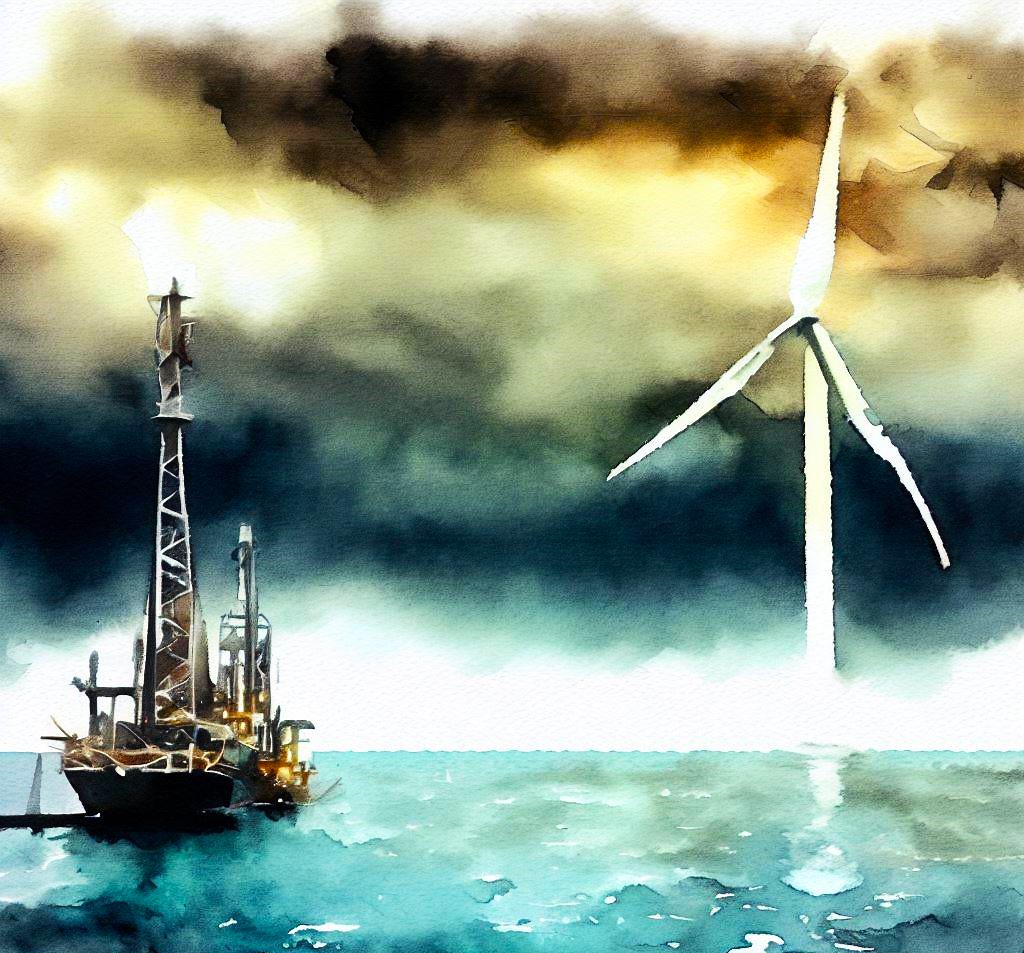
The UK government has announced a plan to issue over 100 new oil and gas licences in the North Sea, as part of its drive to make Britain more energy independent and reduce reliance on imports. The Prime Minister said that even when the UK reaches net zero by 2050, a quarter of its energy needs will still come from oil and gas.
Carbon Capture
The new licences will be subject to a climate compatibility test and will aim to unlock carbon capture and storage and hydrogen opportunities in the region. The government has also approved two new carbon capture projects in Scotland and the Humber, which are expected to be delivered by 2030.
Criticised
The move has been criticised by environmental groups, who argue that opening up new fossil fuel projects is incompatible with the UK’s climate goals and will undermine its leadership ahead of the COP26 summit in Glasgow.
They also question the claim that domestic production is cleaner than imports, as the UK’s oil and gas sector is still responsible for significant emissions.
The government has said that it will support the transition of the North Sea industry to low-carbon technologies and protect more than 200,000 jobs in the sector. The UK government has also pledged to invest in renewable energy sources, such as offshore wind, to diversify the UK’s energy mix.
British Gas owner Centrica and Shell see profits soar as bills rise.
Profit for the six months ending in June 2023 for British Gas owner Centrica rose to around £1.34bn from £262m a year earlier. The rise in profits came from the company’s nuclear and oil and gas business, rather than from the British Gas energy supply business which performed much worse. The average annual British Gas profit has been £584m in recent years.
Profit increase down to Ofgem ‘tweak’
However, the profit boom is surprisingly down to a ‘tweak’ to the regulator Ofgem’s energy price cap that allows the supplier to recover elements of the costs of supplying its 10 million customers during the energy crisis.
The supplier’s current profit highs are likely to upset consumer groups that have campaigned against the supplier’s treatment of vulnerable energy customers as record energy market prices forced millions into fuel poverty. Some have called the profit making ‘legalised robbery’, and demanded to bring energy into public ownership.
Dividend plans
Centrica plans to raise its interim dividend by around a third but remarks that its underlying profitability will ease significantly in the second half of the year. Energy firms saw their profit margins hit last year when wholesale prices surged in the wake of Russia’s invasion of Ukraine. Wholesale prices also jumped as th UK emerged from the dark cloud Covid as markets undicated that the UK was ill prepared for the enconomic recovery. Brexit blues didn’t help either.
The energy price cap remains £1,000 above its pre-pandemic average, despite oil and natural gas costs easing significantly. It is predicted by industry ‘experts’ to remain around the £2,000 a year average for the coming winter months, maintaining excessive pressure on household budgets.
Some ‘windfall’ tax recovery, over the years will apparently go back to ‘society’, British Gas says.
Centrica chief executive reportedly said that a lot of the firm’s profits were ‘going back into society’.
‘I know it’s difficult to see the word profits, or dividends, or similar words when people are having a tough time. I’m very conscious of this,’ he reportedly said.
Windfall
‘Bear in mind, over the next couple of years we are expecting to pay a windfall tax of ‘probably‘ well over £600m on our UK gas business off the back of the profits that we’re seeing, so a lot of this is going back into society.’
A contentious thought
A business needs to make profits otherwise there is no business. It exits to make a profit and to supply a service or product – but it is about how that business makes its profit, isn’t it?
Token windfall tax temporarily slapped on by the UK government is only payable on UK profits. Oil and gas recovery companies will only pay a tax windfall on UK related profits not on overseas returns!
Profits from fossil fuel recovery invested in greener energy for the future – that’s a topic for another article.