This proverb is a quote by Confucius
It means that we should be: ‘humble and honest about our own knowledge and ignorance’.
Confucius was a Chinese philosopher who is traditionally considered the ‘most perfect’ of Chinese sages.


From Calm to Chaos and Back Again. A Lighthearted Look at Daily Financial News and Events Moving Global Markets

It means that we should be: ‘humble and honest about our own knowledge and ignorance’.
Confucius was a Chinese philosopher who is traditionally considered the ‘most perfect’ of Chinese sages.

Economists had expected U.K. GDP to level off in the second quarter, after a surprise increase of 0.1% in the first quarter, as the Bank of England’s monetary policy tightening took effect and as persistent inflation began to slow consumer demand.
The economy expanded by 0.5% in June 2023, beating a forecast of 0.2% growth. It follows monthly GDP growth of 0.1% in May and 0.2% in April. However, the strength of the June rise was partially attributed to warm weather, as well as the additional public holiday in May to celebrate the coronation of King Charles III.
GDP was lifted by 1.6% growth in manufacturing and 0.7% in production in the second quarter, while services grew by 0.1%.
The Office for National Statistics (ONS) noted strong growth in household and government consumption in terms of expenditure. Both faced price pressures in the quarter, though this moderated from the previous three-month period.

Growth in June 2023 was stronger than expected at 0.5%, showing a recovery when the economy lost one working day due to the national holiday in May. June’s warm weather also benefited the construction industry as well as pubs and restaurants. But the economy was impacted by strike action by NHS workers, doctors, railway unions and teachers. However, the figures for the three months and June in particular were better-than-expected.
Gross Domestic Product (GDP) is one of the most important tools for looking at the health of the economy, and is watched closely by the government and businesses. If the figure is increasing, that means the economy is growing and people are doing more work and getting a little bit richer, on average.
But if GDP is falling, then the economy is shrinking which can be bad news for businesses. If GDP falls for two quarters in a row, it is typically defined as a recession.

The Electoral Commission said unspecified ‘hostile actors‘ had managed to gain access to copies of the electoral registers, from August 2021. Note the word ‘unspecified’ is used – do they even know?
Hackers also broke into its emails and “control systems” but the attack was not discovered until October last year. The watchdog has warned people to watch out for unauthorised use of their data.
The commission said hackers accessed copies of the registers it was holding for research purposes, and for conducting checks on political donors. The commission knew which of its systems were accessible to the hackers, but could not ‘conclusively‘ identify which files may have been accessed.
The personal data held on the registers – name and address – did not itself present a ‘high risk‘ to individuals, it added, although it is possible it could be combined with other public information to ‘identify and profile individuals’.
It has not said when the hackers’ access to its systems was stopped, but said they were secured as soon as possible after the attack was identified in October 2022. Why was it left so long to be made public and how long did it take to make systems secure again?
Explaining why it had not made the attack public before now, the commission said it first needed to stop the hackers’ access, examine the extent of the incident and put additional security measures in place.Defending the delay, commission chair John Pullinger said: “If you go public on a vulnerability before you have sealed it off, then you are risking more vulnerabilities.” He is reported to have said the ‘very sophisticated attack involved using software to try and get in and evade our systems’. Well, that clearly worked then.

He reportedly said that the hackers were not able to alter or delete any information on the electoral registers themselves, which are maintained by registration officers around the country. Information about donations and loans to political parties and registered campaigners is held in a system that is not affected by this incident, the notice added. He understood public concern, and would like to apologise to those affected.
The commission added that it had taken steps to secure its systems against future attacks, including by updating its login requirements, alert system and firewall policies. The Information Commissioner’s Office, which is responsible for data protection in the UK, said it was urgently investigating.
Labour’s deputy leader Angela Rayner reportedly said: ‘This serious incident must be fully and thoroughly investigated so lessons can be learned‘. Why wouldn’t it be investigated? I dislike it immensely when clueless politicians roll out this ‘standard remark’ as an attempt to demonstrate they ‘know what’s going on’.
Then what? It happens again and we have to… learn more lessons…?
Step up the security – we have the ability!

The phrase, ‘neither a borrower nor money lender be’ is a famous quote from William Shakespeare’s play, Hamlet, spoken by the character Polonius to his son Laertes. Polonius is giving his son some advice before he leaves for Paris, and he tells him not to lend or borrow money from anyone, because it can ruin friendships and lead to financial troubles.
‘Neither a borrower nor a lender be; For loan oft loses both itself and friend, And borrowing dulls the edge of husbandry’.
The phrase means that we/you should be self-reliant and prudent with your money, and avoid getting into debt or lending money to others. It implies that borrowing and lending can cause resentment, dishonesty, and loss of trust between people. It also suggests that borrowing can make you lazy and wasteful, while lending can make you lose both the money and the friend. Thats’s true!
The phrase is still relevant today, as many people face the challenges of managing their finances and dealing with debt. It is often used as a proverb or a piece of wisdom to warn people against the dangers of borrowing and lending money. However, some people may disagree with the phrase, and argue that borrowing and lending can be beneficial in some situations, such as when one needs to invest in education, business, or emergency needs. They may also point out that borrowing and lending can strengthen relationships if done with honesty, generosity, and gratitude.

This proverb is attributed to Confucius, the founder of Confucianism. It means that we can learn from anyone, even those who are less knowledgeable or experienced than us.
Confucius was a Chinese philosopher who is traditionally considered the ‘most perfect’ of Chinese sages.


Very apt quote for our time, even though this comment is some 460 yeas old.
John Calvin, theologian and pastor. He was the leading French Protestant reformer and the most important figure in the second generation of the Protestant Reformation.
The term protestant comes from the Latin word protestari, which means to declare publicly or to protest

This is the famous quote in the novel Animal Farm where it suggests ‘we are all equal, but some are more equal than others’.
Animal Farm is a fable by George Orwell that criticizes the corruption of power and the dangers of totalitarianism.
It appears in the last chapter of the novel, when the pigs have changed the original commandment of ‘All animals are equal‘ to justify their tyranny and privilege over the other animals. It is an example of how the pigs use language to manipulate and deceive the other animals, and how they betray the ideals of the ‘revolution’ that Old Major inspired.
Draw your own conclusions and comaparisons to ‘human’ behaviour…

This quote is attributed to Nikola Tesla, a Serbian-American inventor, engineer and physicist who is best known for his contributions to the development of alternating current electricity, wireless communication and radio.

China has been leading the global electric vehicle (EV) market for years, thanks to its large domestic demand, generous government subsidies, and well-established battery and electronics industry. However, the west is not giving up on the race to electrify the transport sector and reduce greenhouse gas emissions.
Europe reportedly surpassed China in terms of new EV registrations in 2020, driven by stricter emission regulations, higher consumer awareness, and more diverse and affordable models. The United States also saw a growth in EV sales, despite the Covid-19 pandemic and lower fuel prices. How are western countries and companies now competing with China in the EV market?
Global automakers such are using advanced tech such as driver-assist software to compete in the world’s largest EV market – China. ‘China’s domestic brands are leading the market in the development and implementation of advanced assisted driving systems, capitalizing on their early-entry advantages in the electric and intelligent vehicle sector‘, a recent report suggests.
BofA reportedly said it expects China to still be the world’s largest EV market in 2025, standing at 40%-45% market share.
One of the strategies is to invest more in research and development, innovation, and collaboration. Western automakers are trying to improve the performance, efficiency, and cost of their EVs by developing new technologies and designs, such as advanced batteries, smart and autonomous features, and sustainable materials. They are also partnering with other players in the EV ecosystem, such as battery suppliers, charging network operators, software developers, and regulators, to create synergies and overcome challenges.

Another strategy is to adapt to local market conditions and consumer preferences. Western automakers are aware that China is not a homogeneous market, but rather a complex and dynamic one with different regional characteristics, customer segments, and competitive landscapes. They are tailoring their products and services to meet the specific needs and expectations of Chinese consumers, such as offering more connectivity options, longer driving ranges, and lower prices. They are also leveraging their global brand reputation, quality standards, and customer loyalty to differentiate themselves from local competitors.
A third strategy is to diversify their portfolio and target niche markets. Western automakers are not only focusing on passenger cars, but also exploring other types of EVs, such as commercial vehicles, motorcycles, scooters, and buses. They are also targeting niche markets that have high growth potential or specific demands, such as luxury cars, sports cars, or green cars. By doing so, they can tap into new customer segments and create more opportunities.
The EV market is expected to grow rapidly in the coming years, as more countries and regions adopt policies and measures to support the transition to low-carbon mobility. China will remain a dominant player in the global EV scene, but the west will not lag behind.
Electric vehicles (EVs) are becoming more popular and competitive with traditional cars in terms of performance and cost. Here are some of the main differences and similarities between EVs and traditional cars:
Performance: EVs have a faster acceleration and are more efficient than traditional cars. They can reach high speeds in a short time, thanks to their instant torque rovided by the electric motor. They also have a smoother and quieter ride, as they do not have gears or transmissions. However, traditional cars perform better at high speeds and have a longer driving range than EVs. They can also handle different terrains and weather conditions better than EVs, as they have more power and stability.
Cost: EVs have a higher retail price than traditional cars, on average. But EVs may be a better financial deal for consumers over the long term. That’s because maintenance, repair and fuel costs tend to be lower than those for fossil fuel cars. EVs have fewer moving parts and fluids, which means they require less servicing and repairs. They also run on electricity, which is cheaper and cleaner than fossil derived fuels. However, traditional cars have lower upfront costs and more financing options than EVs. They also have a higher resale value and more availability than EVs, as they are more common and therefore familiar to buyers.
Environmental impact: EVs are more environmentally friendly than traditional cars, as they do not emit greenhouse gases or pollutants that contribute to air quality problems. They can also use renewable energy sources, such as solar or wind power, to charge their batteries and use fossil derived energy too.

However, EVs are not completely carbon-neutral, as they still depend on the electricity grid, which still uses fossil fuels to generate power. They also produce emissions during their manufacture and disposal processes.
Traditional cars, on the other hand, are a major source of carbon emissions and environmental damage, as they burn fossil fuels and release harmful substances into the atmosphere such as carbon monoxide and carbon dioxide. They also consume natural resources and create waste during their production and operation.

As the EV population grows, so too will the energy requirement – and it will most likely be met moreso by fossil fuels in the short term as well as by renewables.
According to various sources, electric cars are generally cheaper to run than petrol cars in terms of fuel, road tax, maintenance, and insurance. However, the initial purchase price of electric cars is usually higher than petrol cars, so the overall cost of ownership may depend on how long you plan to keep the car and how much you drive it.

There are many factors that affect the running costs of electric cars vs petrol cars, and different sources may have different assumptions and methods of calculation. However, the general trend is that electric cars are cheaper to run than petrol cars in most cases.
Hydrogen and hybrids are fast becoming future contenders. Watch this space…

Germanium and gallium are two elements that are used in the production of semiconductor chips, which are essential for various electronic devices and technologies. They have different properties and applications, and they are both considered critical materials.
Germanium is a metalloid, which means it has properties of both metals and non-metals. It is a shiny, hard, gray-white element that is brittle and can be cut easily with a knife. It has a high melting point of 938°C and a low boiling point of 2830°C. It is mainly obtained as a by-product of zinc production, but it can also be extracted from coal.
Germanium is used in, solar cells, fibre optic cables, infrared lenses light-emitting diodes (LEDs), and transistors. It is also used in some alloys to improve their strength and hardness. Germanium is essential for the defence and renewable energy sectors, as well as for space technologies. It can resist cosmic radiation better than silicon, and it can enhance the performance and efficiency of some semiconductors.
Gallium is a metal that has a very low melting point of 29.8°C, which means it can melt in your hand. It is a soft, silvery-white element that can be easily cut with a knife. It has a high boiling point of 2403°C. It is mainly obtained as a by-product of processing bauxite and zinc ores.
Gallium is used in the electronics industry to produce heat-resistant semiconductor wafers that can operate at higher frequencies than silicon-based ones. It is also used in LEDs, solar panels, microwave devices, sensors, and lasers. Gallium is important for the development of new technologies such as electric vehicles, high-end radio communications, and Blu-Ray players. It can also improve the power consumption and reliability of some semiconductors.
China is the largest producer and exporter of both germanium and gallium, accounting for about 60% and 80% of the global supply. However, China has recently announced new export restrictions on these two elements, requiring special licences for exporters. This move is seen as a response to the western sanctions on China’s access to advanced microchip technology.
The export curbs could affect the global supply chain of semiconductor chips and have implications for various industries and markets

This quote is attributed to Nikola Tesla, a Serbian-American inventor, engineer and physicist who is best known for his contributions to the development of alternating current electricity, wireless communication and radio.

The Bank of England (BoE) announced another increase in its base rate, from 5% to 5.25%, the highest level in over 15 years as of 3rd August 2023. This is the 14th consecutive rise since December 2021, when the BoE started to tighten monetary policy in response to rising inflation.
The Bank said that inflation, which fell to 7.9% in June, remained well above its 2% target and that further action was needed to bring it down. It also cited the risks posed by the global economic situation, especially the conflict in Ukraine and the slowdown in China.
The rate hike will affect millions of borrowers and savers across the UK. Fixed-rate mortgages will not change until the end of their term, but new deals will be hit borrowers hard. Savers may see some benefit from higher interest rates, but only if banks and building societies pass on the increase, which they are slow to do.
Bear in mind that for the past 15 years many have benefitted from ultra low interest rates and cheap money, this is not the ‘norm’. And now, as more ‘normal’ interest rates return it will initially disrupt financial stability for some, and it will be difficult for many for a time. But money has been cheap and mortgages have always been the cheapest way to borrow long term and that is still the case – even if it doesn’t feel like it right now.
The Bank of England’s decision was widely expected by market analysts, but some have warned that further rate rises could damage the UK economy, which is already showing signs of weakness. House prices are falling, manufacturing activity is contracting and consumer confidence is low.
The prime minister, Rishi Sunak, said he was disappointed that inflation was not falling faster, but claimed that he was making progress and that there was ‘light at the end of the tunnel‘.
And a train too if he isn’t careful!

Interest rates have been increasing across the world in recent months.
The Bank of England’s latest rate hike means the UK now has the highest rates in the G7 – a group of the world’s seven largest so-called ‘advanced’ economies.
That’s higher than France, Germany, Italy, Japan, Canada and the U.S.
Let’s not talk about inflation, just yet…

XRP Ripple is a payment settlement system and currency exchange network that can process transactions globally. It is designed to facilitate cross-border payments by using XRP, a cryptocurrency, as a bridge currency between different fiat currencies.
XRP Ripple claims to offer several advantages over SWIFT, the system most financial institutions use for international money transfers. XRP transactions can be completed in as little as 3 to 5 seconds and transaction fees are just 0.0001 XRP. SWIFT, on the other hand, can take up to 5 business days and charge higher fees.
However, despite XRP Ripple’s efforts to disrupt the industry, SWIFT has not been idle. The interbank payments network has recently launched SWIFT Go, a new service that enables businesses and consumers to send low-value cross-border payments anywhere in the world in seconds with full transparency and security.
SWIFT has also reportedly completed a successful cross-border payment from Australia to Singapore in only 13 seconds in a trial.
Therefore, it is not clear whether banks will adopt XRP Ripple as a payment system to replace SWIFT, or whether they will stick with the incumbent network that has been improving its speed and efficiency. The outcome may depend on factors such as regulation, customer demand, and market competition.
It may also depend on costs and speed guarantees – banks will love to save money on money transfers.
Now that an international money transfer can be completed in seconds and not days – what will the client be charged?
Ripple is confident U.S. banks will start wanting to use XRP for cross-border transactions after a judge gave the firm a partial victory in its fight against the SEC.
A judge ruled that XRP cryptocurrency Ripple is closely associated with, but was not in itself necessarily a security, in a development with major implications for the digital asset industry.
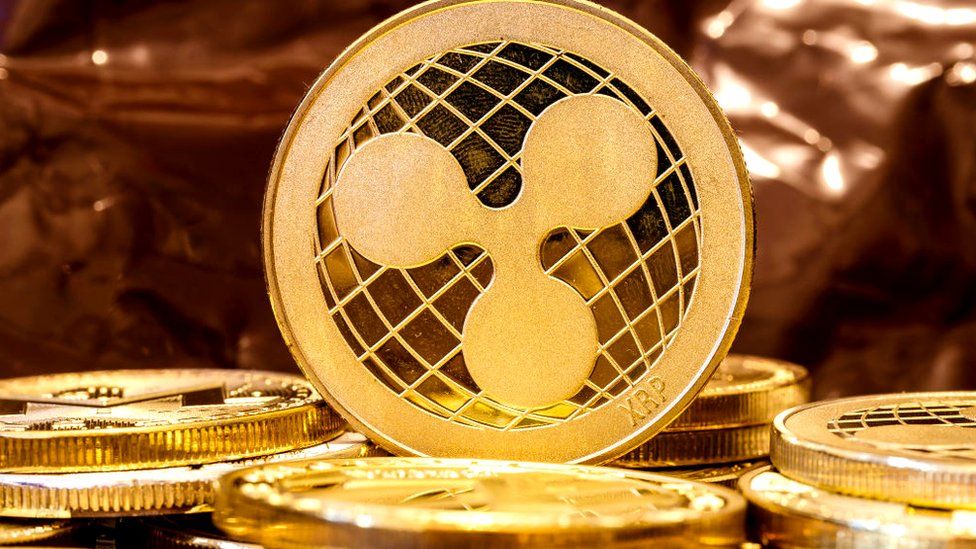
It wasn’t a total victory for Ripple, however – the judge also ruled that sales of XRP by Ripple to institutional buyers do count as unregistered sales of securities.

This quote is attributed to George Orwell, a British writer and journalist who is best known for his novels 1984 and Animal Farm, which are critical of totalitarian regimes and propaganda.

The Buffet Indicator is a valuation multiple used to assess how expensive or cheap the aggregate stock market is at a given point in time. It was proposed by investor Warren Buffett in 2001, who called it ‘probably the best single measure of where valuations stand at any given moment‘ . It compares the total value of all publicly traded securities in the U.S. to the U.S. GDP .
The current value of the Buffet Indicator is 181%, (July 2023) – which suggests that the U.S. stock market is reportedly worth $48.37 trillion, while the U.S. GDP is $26.74 trillion.
This ratio is 50.50% above the historical trend line, suggesting that the stock market is overvalued relative to GDP. Buffett warned that if the ratio approaches 200%, ‘you are playing with fire‘.
Buffett Indicator: $48.85T ÷ $26.91T = 182%
The Buffett Indicator expresses the value of the U.S. stock market in terms of the size of the U.S. economy. If the stock market value is growing much faster than the actual economy, then it may be in a bubble.


Apple shares previously failed to close at levels that would have given the company a market cap of $3 trillion, despite a promising intra-day move in January 2022.
Apple has become the first publicly traded company ever to be worth $3 trillion. The company’s market valuation reached this milestone on January 3rd, 2022. Apple’s stock briefly eclipsed $182.86 a share before closing at $182.01. The milestone is mostly symbolic but it represents investor recognition of Apple’s success over the past few years as the company has reported several record-breaking quarters of big growth in all of its product lines.
Apple is not just a hardware player – it has an even bigger slice of the tech’ consumer pie than you may imagine, especially in the cloud computing arena.
Apple has regained its $3 trillion valuation to become the first-listed company, in modern times, to reach the $3 trillion milestone again. It acheived this on 30th June 2023. Shares climbed more than 2% to hit a record $193.97. However, by direct comparison and by todays valuation, the East India Trading Company beat Apple to this accolade long-a-go in the 17th Century having acheived a higher value equivalent to $7 trillion in todays money.
C’mon Apple you laggard!

The FEDNOW payment system is a new instant payment infrastructure developed by the Federal Reserve that allows financial institutions of every size across the U.S. to provide safe and efficient instant payment services.
It went live on July 20, 2023 and enables individuals and businesses to send and receive money in near real-time, 24/7/365, through their depository institution accounts.
The service is a flexible, neutral platform that supports a broad variety of instant payments and offers optional features such as fraud prevention tools, request for payment capability, and tools to support payment inquiries.
FedNow is the first new payment rail in the United States since the introduction of the Automated Clearing House (ACH) in the early 1970s.
Is this a possibly a pre-emptive strike to get ahead of international digital currency deployment and set the scene to adopt a digital payment structure of a new ‘crypto coin system’ for the future – the digital dollar?


XRP, the native token of the blockchain company Ripple, soared more than 60% on Thursday after a U.S. judge delivered a major victory to the firm in its legal battle with the Securities and Exchange Commission (SEC).
The SEC had sued Ripple in December 2020, alleging that it had raised over $1.3 billion through the sale of XRP in an unregistered securities offering. The SEC claimed that XRP was an investment contract that gave buyers the expectation of profits based on Ripple’s efforts.
However, the Judge ruled that XRP was not a security “on its face” and that some aspects of its sale did not violate the federal securities laws.
The judge drew a distinction between the sales of XRP to institutional investors, which she said could constitute investment contracts, and the sales of XRP to the general public on exchanges, which did not.
The judge also denied Ripple’s argument that the SEC lacked jurisdiction over XRP transactions because they were not domestic, and agreed with the SEC that the Howey test, a four-pronged criteria to determine whether an asset is a security, applied to cryptocurrency transactions.
The ruling was welcomed by Ripple and its supporters, who argued that XRP was a utility token that facilitated cross-border payments and did not depend on Ripple’s efforts for its value.
Ripple’s chief legal officer, reportedly tweeted: “A huge win today – as a matter of law – XRP is not a security. Also, a matter of law – sales on exchanges are not securities. Sales by executives are not securities. Other XRP distributions – to developers, charities, and employees- are not securities.”
A lawyer representing over 19,000 XRP holders who intervened in the case, reportedly called on U.S. exchanges to relist XRP in solidarity with the decision.
The ruling also boosted the sentiment in the broader crypto market, as it suggested that the SEC did not have unlimited authority over digital assets and that some tokens could escape the securities classification.

Crypto-related stocks such as Coinbase and crypto-coins such as ADA, HBAR, BITCOIN & ETH surged following the news.
However, the case is not quite over yet, as the SEC said it would continue to review the decision and pursue its claims against Ripple for the sales of XRP to institutional investors.
The SEC also responded to the judge’s ruling by saying that it did not change its position that XRP was a security and that it would seek to prove that Ripple violated the securities laws in certain circumstances.
The outcome of the case could have significant implications for the crypto industry, as it could set a precedent for how other tokens are regulated and how other lawsuits are resolved.

It’s hard to calculate the number of people in the world accurately, and the UN admits its calculations could be out by a year or two – but it estimated that in November 2022 the eight billion line was crossed.
It is only 11 years since the population hit seven billion, and experts say this huge growth is because of many reasons including better health, nutrition and medicine.
The world reached one billion people in around 1800, then it took about another 100 years to get to the second billion – but since the 1950s the popultion growth has sped up dramatically.
Countries in Asia, including India, were responsible for a large amount of population growth over the last ten years.
The increase in population shows more children are being born, surviving adulthood and having children of their own.
People are also living longer because of better medicine and nutrition.
If you saw a picture of every person on the planet every second, it would take 253 years.
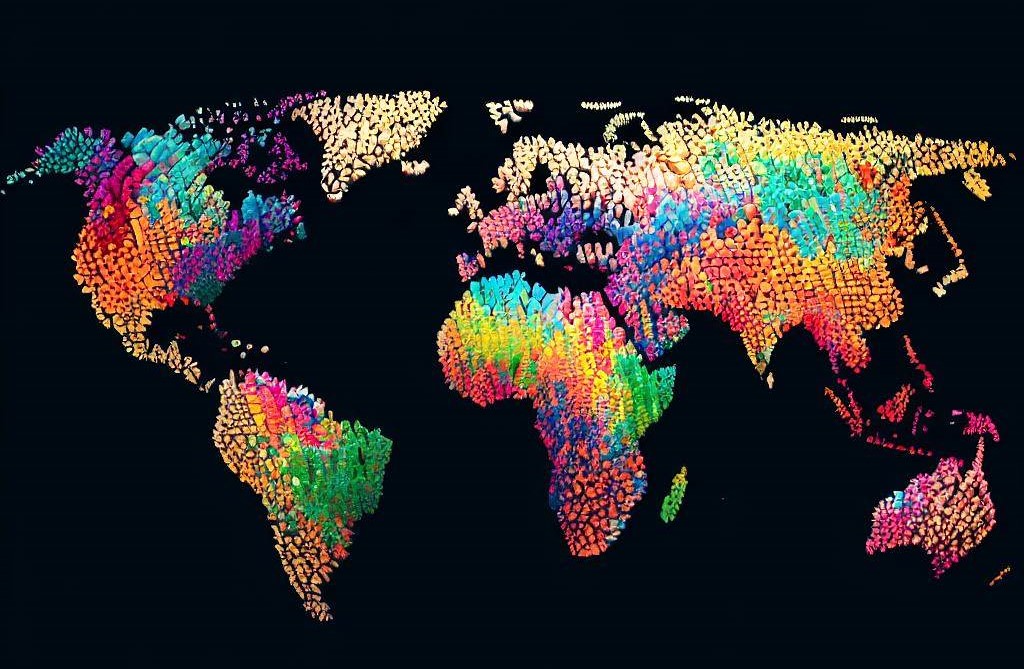
Middle-income countries, mostly in Asia, accounted for most of the growth over the past decade, with 700 million more people since 2011.
India has increased by roughly 180 million people, and is set to surpass China as the world’s most populous nation next year for the first time in almost 2,000 years.
Birth rates in China have decreased since 1980 when the country’s one-child policy was introduced, and more women have also been having children later in life to focus on their education and career opportunities.
When it comes comes to which countries are likely to grow more in the future, the UN says that most of the 2.4 billion people to be added before the global population peaks are likely to be born in sub-Saharan Africa. This includes countries like Angola, Botswana, Cameroon and the Central African Republic.
But experts say that the rate of rapid growth is starting to slow down, meaning it will take about 15 years for the population to reach nine billion – which wouldn’t be until the year 2037.
One of the main reasons for this is that people in many parts of the world are having less children. In the 1960s five births per woman was the global average, now it’s nearly half at 2.4 per woman.
The UN is predicting that the global population will rise to around 10.4 billion people in the 2080s and remain at that level until 2100.
The population growing is seen as a success by the UN because it shows how much public health, nutrition, personal hygiene and medicine has improved – but it can also present challenges.
Having more people on Earth puts more pressure on nature, with people in competition with wildlife for water, food and space, as well as with each other. Also, growing food as fuel creates immense infrastructure pressure.
This could lead to mass migration and conflict in coming decades, experts say, particularly as extreme climate change could make parts of Africa and countries so hot they could be unsuitable for people to live in.
More people means there are less resources to go around, and so governments will also need to think about how the way people and countries use what the world currently has and how this can this should be used.
This also includes how we are using energy and the impact on climate change if big countries with growing populations continue to use fossil fuels.
Although having more people on the planet will impact the environment, in fact it is the increase in producing and using materials which creates dramatic pollution increases that causes more of an impact to our immediate environment.
The UN Secretary General António Guterres said: ‘…it is a reminder of our shared responsibility to care for our planet and a moment to reflect on where we still fall short of our commitments to one another.’

Twitter, the social media platform, has undergone a major rebranding, changing its name to X and replacing its iconic blue bird logo with a simple black-and-white X. The move was announced by the company’s owner, Elon Musk, who reportedly said he wanted to create a “super app” that would transform the global ‘town square’.
Musk and Twitter’s chief executive, Linda Yaccarino, posted pictures of the new logo projected on the side of Twitter’s headquarters in San Francisco, California. They also changed profile pictures and bios to reflect the new brand identity. The desktop version of the app has already switched to the new logo, while the mobile version is expected to follow soon.

Musk is reported to have said he was looking to change Twitter’s logo because he wanted to “embody the imperfections in us all that make us unique”. He also said he had a personal affinity for the letter X, which he also used for his other ventures, such as SpaceX and X.com. Yaccarino said the rebrand was an exciting new opportunity to make a fresh “big impression” and go further than Twitter.
The rebranding of Twitter marks the biggest change to the platform since Musk began his tumultuous tenure. Among the changes have been sacking thousands of staff, locking verification checkmarks behind a paywall, reinstating banned accounts like those of Andrew Tate and Donald Trump, and applying reading limits.
The reaction from users and marketers has been mixed, with some praising the bold move and others criticising it as unnecessary and confusing. Some have also questioned whether the new logo infringes on the trademarks of other companies that use similar designs, such as Tesla and Xbox.
The company has not yet revealed whether other aspects of the platform, such as tweets, hashtags, and handles, will also be changed to match the new brand name.

Elon Musk, the billionaire entrepreneur behind Tesla, SpaceX and Neuralink, has revealed his latest venture: xAI, a new artificial intelligence company that aims to “understand the true nature of the universe”.
Musk announced the formation of xAI on Wednesday on Twitter and on the company’s official website, which features a minimalist design and a brief introduction.
Link to website: xAI: Understand the Universe
“Today we announce the formation of xAI,” the website states. “The goal of xAI is to understand the true nature of the universe.”
The website also lists 12 members of the xAI team, including Musk himself as the director. The team consists of researchers and engineers who have worked at leading AI firms such as Google’s DeepMind, OpenAI, Microsoft Research and Tesla.
It was reported that xAI was incorporated in Nevada in June 2023 and Musk has purchased thousands of graphic processing units (GPUs) to power his AI vision. The company also has a Twitter account, @xAI, which has gained over 300,000 followers in less than a day.
Musk invited the public to ask questions about xAI on a Twitter Space – this was scheduled for 1h. July 2023. He has not provided any further details about the company’s mission, vision or products.
However, based on Musk’s previous comments and involvement in AI, it is likely that xAI will focus on developing artificial general intelligence (AGI), or human-level intelligence that can perform any task across any domain.
Musk has been a vocal critic of OpenAI, the AI research organization that he co-founded in 2015 but left in 2018. He has accused OpenAI of becoming too secretive, too commercial and too “woke”, especially after the launch of its popular chatbot ChatGPT.
Musk has also expressed his concerns about the potential dangers of AI, warning that it could pose an existential threat to humanity if not aligned with human values and goals. He has advocated for ethical and responsible development of AI, as well as global cooperation and regulation.
With xAI, Musk may be trying to create an alternative to OpenAI that is more aligned with his vision and values. He may also be aiming to achieve breakthroughs in AI that could benefit his other ventures, such as Tesla’s self-driving cars, SpaceX’s reusable rockets and Neuralink’s brain-computer interfaces.
However, xAI will also face many challenges and uncertainties in its quest to understand reality. AI is a complex and rapidly evolving field that requires massive amounts of data, computing power and talent. It also raises many ethical, social and philosophical questions that are not easy to answer.
Moreover, xAI will have to compete with other established and emerging players in the AI space, such as Google, Facebook, Amazon, IBM, Microsoft and Meta. These companies have invested billions of dollars in AI research and development and have access to vast amounts of data and resources.
It remains to be seen whether xAI will be able to achieve its ambitious goal and how it will impact the AI industry and society at large.
As Musk himself tweeted: “The future is weird.”


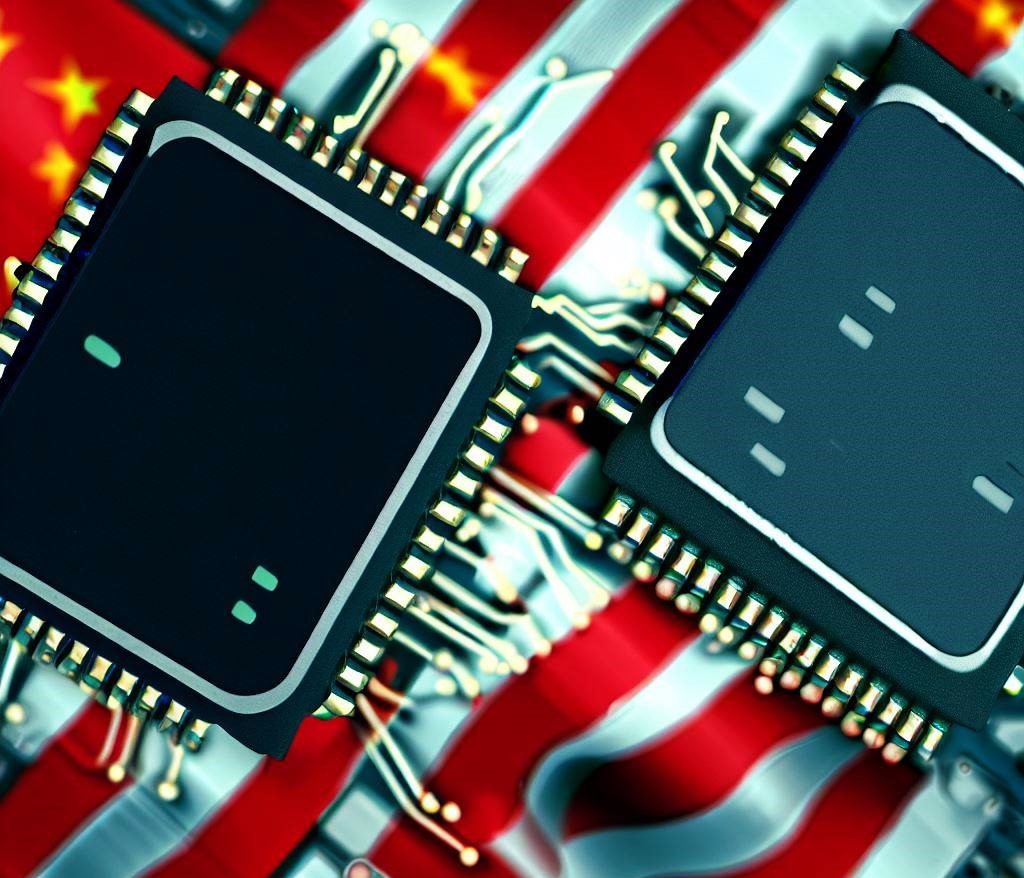
Ernie was first introduced in 2019, and since then, Baidu has been improving and upgrading it with new versions. The latest version, Ernie 3.5, was announced in June 2023, and it claims to outperform OpenAI’s ChatGPT and GPT 4 in several key areas
Baidu’s Ernie is an artificial intelligence (AI) model that powers the company’s chatbot service, Ernie Bot. Ernie stands for Enhanced Language RepresentatioN with Informative Entities, and it is a natural language processing (NLP) deep-learning model that can understand and generate natural language.
Ernie 3.5 is based on Baidu’s foundational AI model, which is trained on huge amounts of data from various domains, such as news, social media, encyclopedias, books, and more. Ernie 3.5 can handle various NLP tasks, such as question answering, dialogue generation, text summarization, sentiment analysis, and more.
According to a test by the China Science Daily journal, Ernie 3.5 surpassed ChatGPT and GPT 4 in general abilities and outperformed the more advanced GPT 4 on several Chinese-language capabilities.
ERNIE version 3.5 boosted its training and efficiency, making it faster and cheaper to upgrade to future versions. Baidu hopes that ERNIE Bot will become the next must-have app in China’s internet market, attracting users because of its natural and engaging conversations.
Baidu has been integrating ERNIE Bot across multiple business applications, ranging from cloud computing to smart speakers.
ERNIE Bot is one of the examples of how Baidu is investing in AI technology and competing with other tech giants in the US and China. Baidu’s founder Robin Li, reportedly said that ‘foundation models are an engine driving global economic growth and represent a major strategic opportunity that cannot be missed‘.
The major BIG players, Alphabet (Google), Microsoft & META all have their own versions of AI. Hopefully it will be used ‘intelligently’.

AI stands for Artificial Intelligence, which is the ability of machines to perform tasks that normally require human intelligence. AI can involve various aspects of cognition, such as perceiving, reasoning, learning, problem-solving, and even creativity.
AI can be classified into different types based on the level of intelligence and the scope of tasks that machines can perform. One common way to categorise AI is by using the following four types:
AI is here to stay – it’s all about how we use it for the betterment of ‘humankind’. Please, let’s use it safely, responsibly and for the good!
Alphabet/Google
Amazon
AMD
Meta
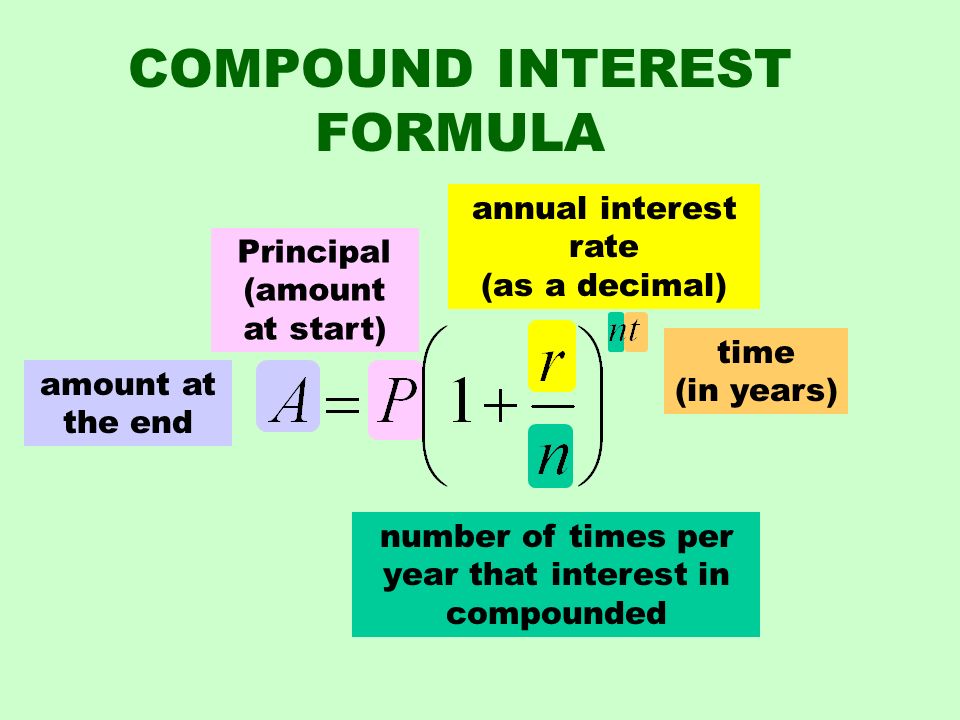
Compound interest is simply interest added back to the original or principal sum and then more interest is earned or calculated on ‘that’ added interest over the next compounding period.
Over a one year period: Take £1000 capital and add 5% interest (lucky if you can get it). That equals to £1050. That’s 1000 x 5% over 1 year = £1050.
Now this is the best bit…
Take your £1050 from the first year (original capital plus interest). Now, in year two it goes like this…
Take the new value £1050 capital add 5% interest again (but this time it is added to £1050 not just the original £1000).
That’s 1050 x 5% equals £1102.50 we’re compounding the interest on the £50 earned in the first year as well as the original capital.
It will be £1102.50 x 5% = £1157.63 and so on.
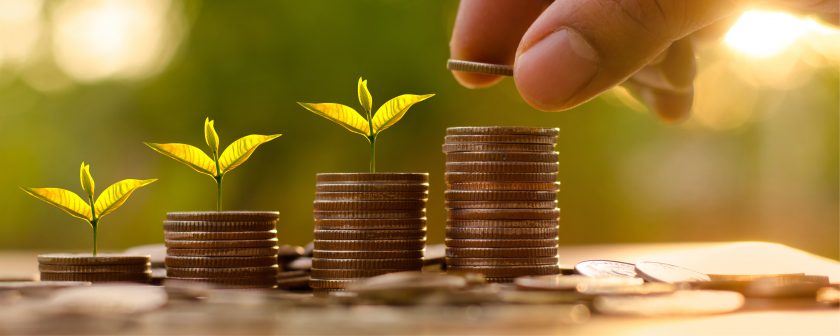
You can clearly see why it is important to take advantage of compound interest. Leaving your money in a savings account right now with such low interest rates isn’t a wise option. But when/if you can find a sensible interest rate COMPOUND interest will be your best friend.
Don’t just take my word for it. Compound interest is in very good company.
‘Compound interest is the eighth wonder of the world. He who understands it, earns it … he who doesn’t … pays it.’

He called it, ‘the greatest mathematical discovery of all time.’
Start £100,000.00
Year 1 £105,000.00
Year 2 £110,250.00
Year 3 £115,762.50
Year 4 £121,550.63
Year 5 £127,628.16
Year 6 £134,009.56
Year 7 £140,710.04
Year 8 £147,745.54
Year 9 £155,132.82
Year 10 £162,889.46
Year 1 £5,000.00
Year 2 £5,250.00
Year 3 £5,512.50
Year 4 £5,788.13
Year 5 £6,077.53
Year 6 £6,381.41
Year 7 £6,700.48
Year 8 £7,035.50
Year 9 £7,387.28
Year 10 £7,756.64
It’s time to compound your savings.
What are you waiting for… go do it now!
