
Polar Vortex Threatens Europe’s Depleted Gas Reserves

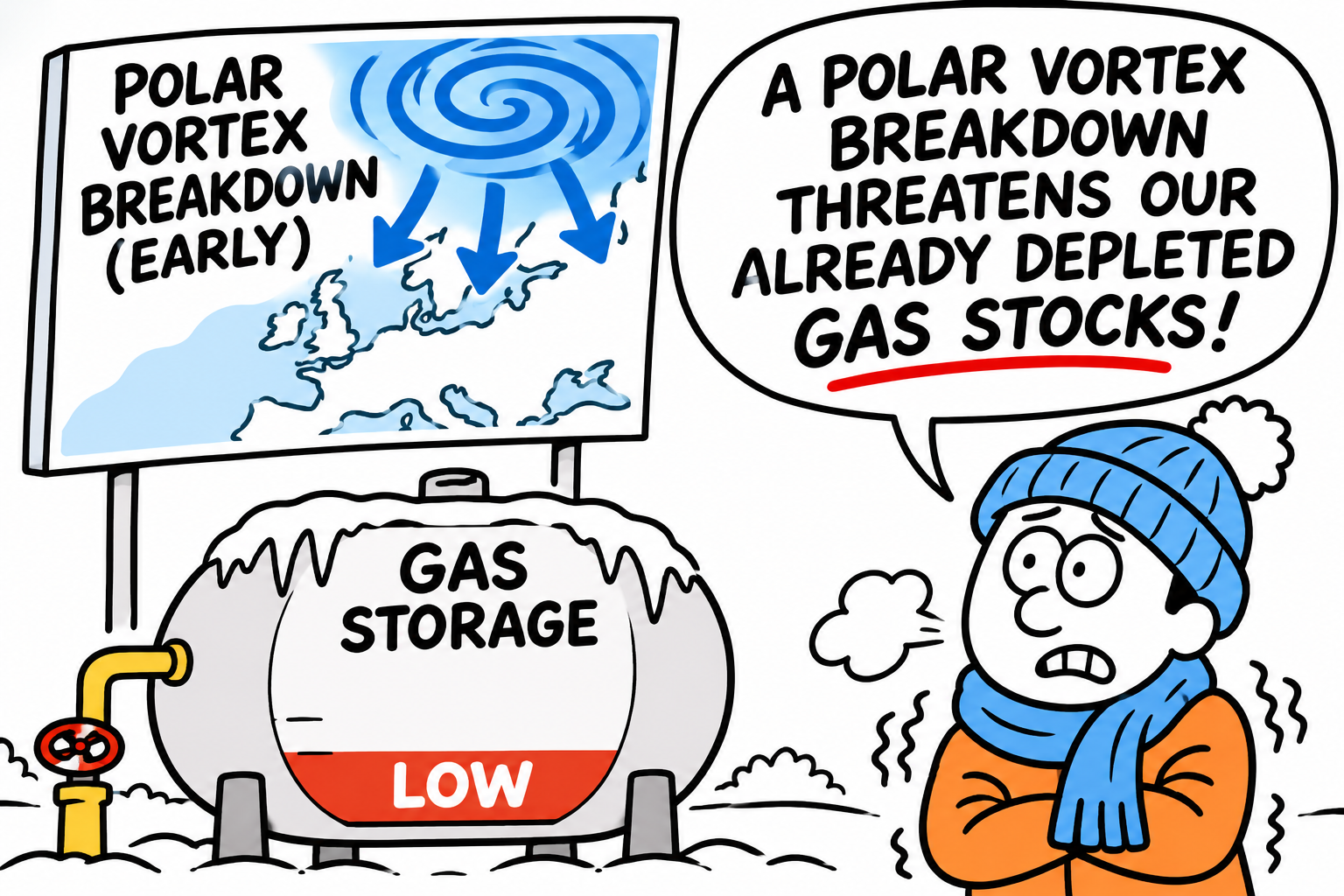
Cartoon map illustrating the impact of the polar vortex on Europe's gas reserves, showing depleted storage levels and affected regions.

Europe is facing a potentially difficult winter as an unusually early breakdown of the polar vortex raises fears of prolonged cold weather, threatening already depleted natural gas reserves and increasing the prospect of another energy price shock.

Stratospheric disruption

Meteorologists are reporting an exceptionally early disruption to the stratospheric polar vortex, a powerful circulation of winds high above the Arctic that normally keeps freezing air trapped around the North Pole.

When this system weakens or breaks down, colder Arctic air can move southwards, potentially bringing freezing temperatures, snow and prolonged cold spells to parts of Europe and North America.

Timing

The timing is particularly concerning. Europe entered the 2026/27 winter with gas storage at its lowest levels in more than a decade.

Stocks have already experienced unusually heavy withdrawals during November 2026, adding pressure to a market struggling to rebuild its reserves.

The situation is further complicated by an exceptionally powerful El Niño weather phenomenon.

The combination of a disrupted polar vortex and strong El Niño is unusual, leaving forecasters without a reliable historical comparison for predicting the winter’s overall impact.

Lower temperatures

Lower temperatures would increase heating demand, while reduced wind speeds could force greater reliance on gas-fired electricity generation.

This would accelerate withdrawals from storage at precisely the time Europe needs to conserve its remaining supplies.

War

Geopolitical tensions are adding another complication. Disrupted Qatari liquefied natural gas (LNG) shipments through the Strait of Hormuz have tightened international supplies, increasing competition between Europe and Asia for available cargoes.

European wholesale gas prices have already surged towards levels last experienced during the 2022 energy crisis.

Concern

Analysts warn that continued heavy withdrawals, combined with colder weather, could trigger another substantial price increase.

A polar vortex breakdown does not guarantee a severe winter, but the combination of vulnerable gas reserves, uncertain weather and disrupted supplies presents a worrying prospect.

Europe may soon discover that its greatest energy threat this winter is not simply geopolitics, but the weather itself.
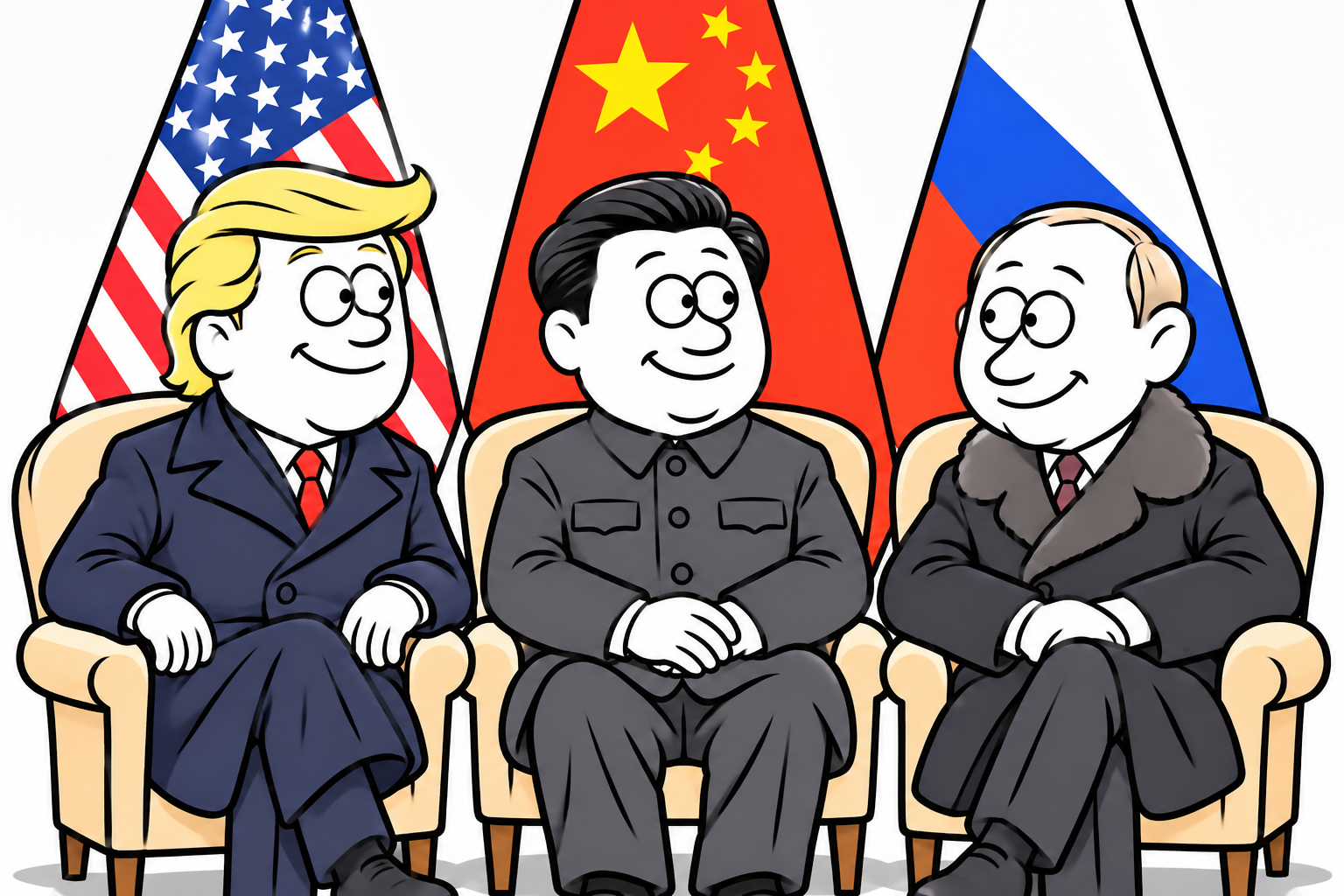
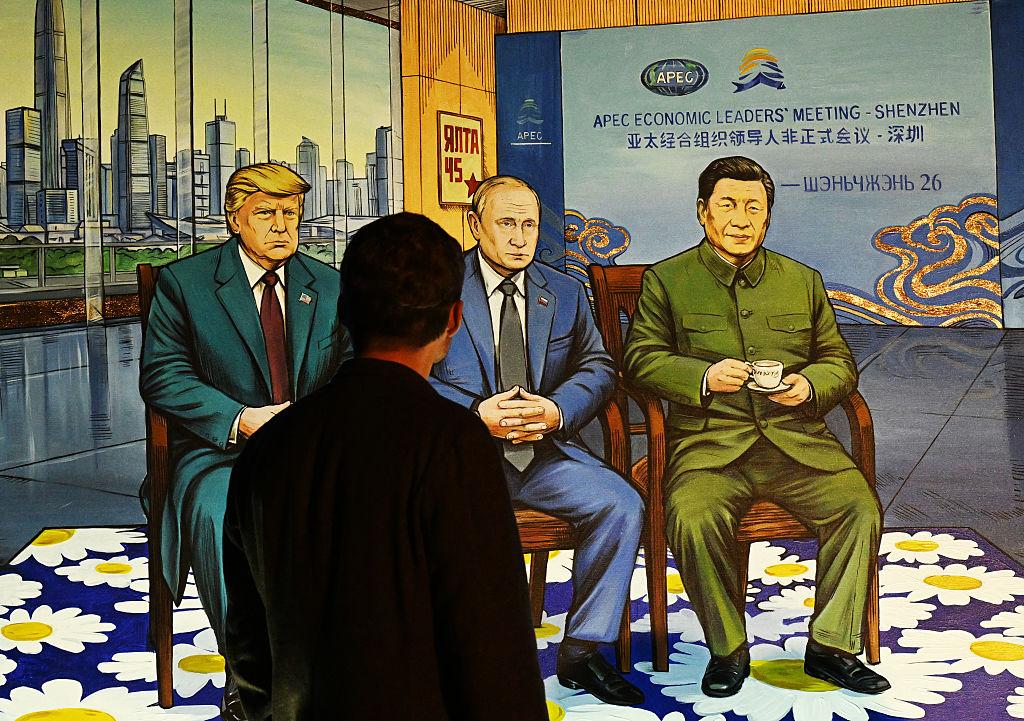
THE NEW YALTA? Trump, Xi and Putin Meet to Shape a New World Order

The meeting between Donald Trump, Xi Jinping and Vladimir Putin in China marks a potentially defining moment in modern geopolitics.

For the first time, the leaders of the United States, China and Russia have sat down together for formal trilateral discussions, raising questions about what the three most powerful military nations in the world might be seeking to achieve.

The historic meeting is likened to the Yalta gathering for the then New World Order of 1945.

Held in Shenzhen on the sidelines of the Asia-Pacific Economic Cooperation (APEC) summit, the meeting has been described as historic.

However, beneath the diplomatic handshakes and carefully choreographed photographs lies a far more complicated agenda.

What is the real objective?

Each leader arrives with different priorities. Trump is keen to explore nuclear arms control, potentially seeking an agreement that could reduce the threat of global conflict.

He also faces mounting international pressures, including tensions with Iran and the ongoing war in Ukraine.

Putin, meanwhile, sees an opportunity to discuss Ukraine and potentially secure concessions from Washington over Russia’s territorial ambitions and wider European security arrangements.

For Moscow, simply being included alongside Washington and Beijing is thought to reinforce its claim to remain a major global power.

For China’s Xi Jinping, the meeting may be the greatest diplomatic opportunity of all. Hosting both leaders places Beijing at the centre of international diplomacy, strengthening its image as an emerging global superpower capable of influencing the direction of world affairs.

There are also wider questions about international trade, energy security, military competition and the future balance of global power.

A new world order?

Some observers have drawn comparisons with the 1945 Yalta Conference, when the victorious powers negotiated Europe’s post-war future.

However, today’s three leaders have considerably different ambitions, making any grand agreement far from certain.

Perhaps the real objective is not an immediate peace deal, but establishing a new relationship between the three superpowers.

For smaller nations, particularly those in Europe and Asia, that possibility raises an uncomfortable question: could the world’s biggest powers increasingly make decisions that affect everybody else?

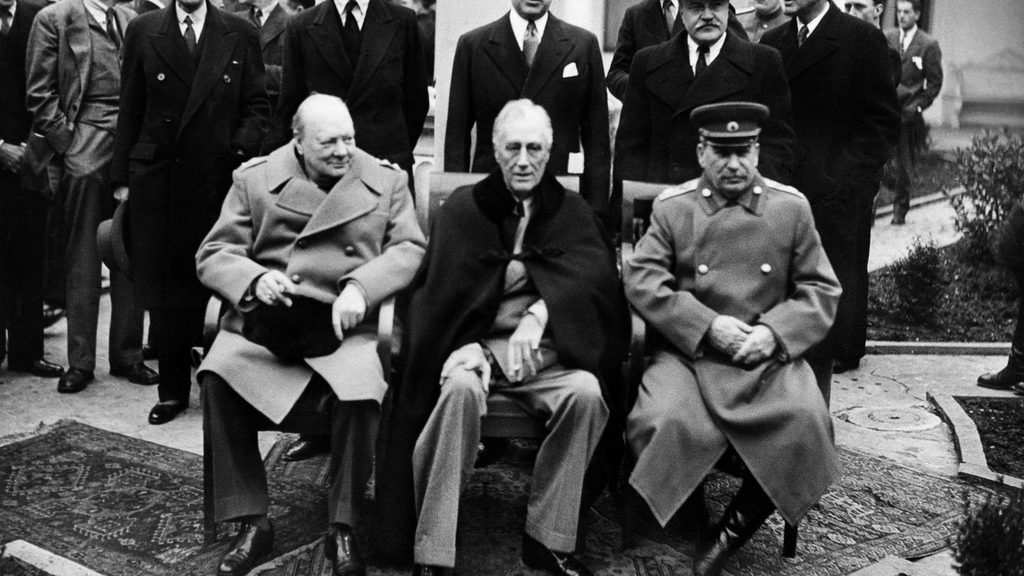
Older World Order of 1945 after the Second World War – Yalta

Winston Churchill – British Prime Minister (left).

Franklin D. Roosevelt – U.S. President (centre).

Joseph Stalin – Soviet leader (right).

They met at Livadia Palace in Crimea between 4th and 11th February 1945 to discuss the post-war settlement of Europe and the future of Germany.

The interesting modern connection: On 16th November 2026, an artwork depicting Trump, Putin and Xi was placed in Livadia Park, beside the monument commemorating the original three leaders. It deliberately echoed the historic Yalta gathering.

It is a fascinating parallel – and precisely the historical reference we should use for your cartoon.

Outcome from historic meeting

Following their historic three-way meeting in Shenzhen, China, on 19th November 2026, Donald Trump, Xi Jinping and Vladimir Putin issued a four-point joint peace declaration.

The three countries reportedly agreed to work towards

  • Reforming the United Nations.
  • Increase the production and international supply of refined petroleum products to help maintain stable energy supplies.
  • Uphold the principle of national sovereignty, including protection from what they described as excessive interference by the International Criminal Court.

Most significantly, they reportedly agreed to begin dialogue aimed at reducing nuclear risks and preventing the spread of nuclear weapons.

And it was also reported that they reaffirmed a nuclear war must never be fought.

However, despite discussions reportedly covering Ukraine, Iran, Taiwan and international security, no concrete agreements were reached on ending the war in Ukraine, resolving the Iran conflict, or establishing a new nuclear arms reduction treaty.

The declaration was therefore a diplomatic commitment rather than a substantive peace settlement.

A powerful statement from three powerful nations demonstrating ‘cooperation’.

Bank of England Raises Interest Rates to 4%

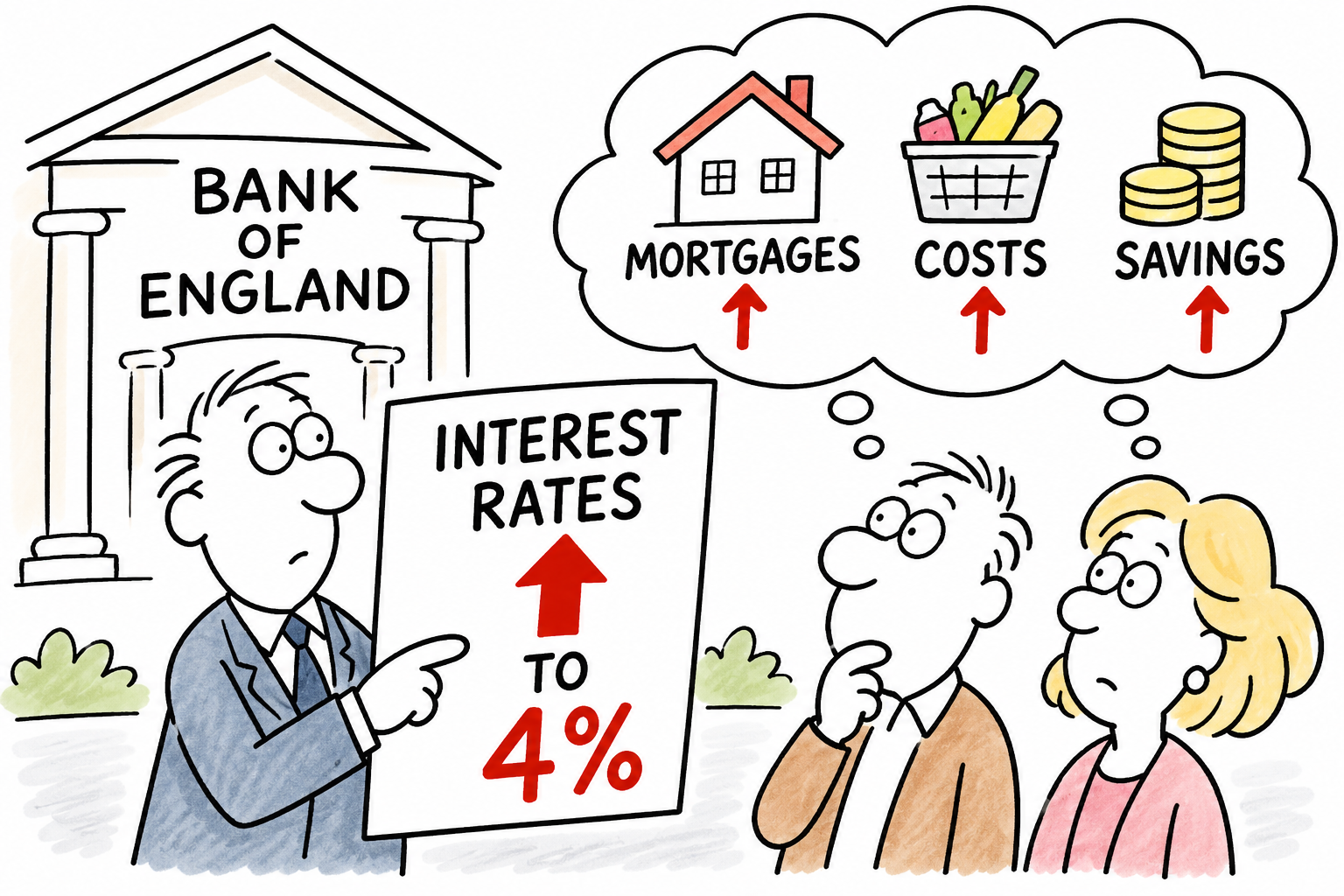
Graph showing the Bank of England's interest rate increase to 4% as of November 2026, with trends in previous rates indicated.

The Bank of England has raised interest rates for the first time in more than three years, increasing the base rate from 3.75% to 4% in a move aimed at tackling renewed inflationary pressures.

The decision, announced on Thursday 5th November 2026, followed growing concerns over rising energy prices, fuelled by the continuing conflict in the Middle East. and of the Russia-Ukraine war.

UK inflation reached 3.5% in September 2026, and the Bank now expects it could approach 5% by the middle of 2027.

Vote

The Monetary Policy Committee voted 8–1 in favour of a quarter-point increase, although one member wanted a larger rise to 4.25%.

Higher interest rates will increase borrowing costs for mortgage holders and businesses, while potentially offering better returns for savers.

The Bank has warned that further increases remain possible if energy prices continue to drive inflation higher.

The decision highlights the difficult balancing act facing policymakers: controlling inflation without damaging an already fragile economy.