

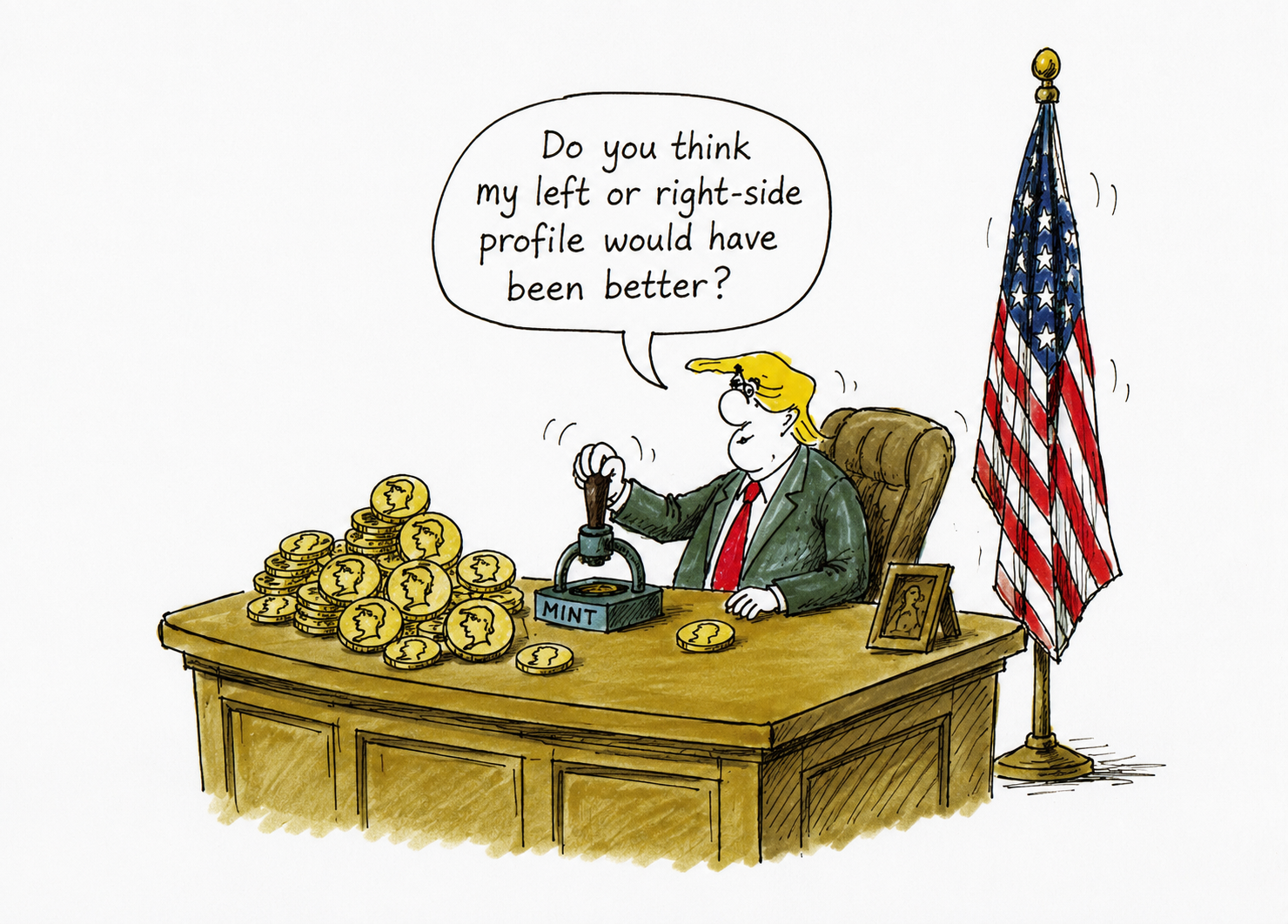
One in a Hundred – Trump puts his Head on a Coin

Minting a new U.S. coin

Donald Trump has become the first living U.S. president in almost a century to appear on American currency, after the U.S. Mint released a new $1 coin bearing his portrait.

The coin, launched on 2nd September 2026, commemorates America’s 250th anniversary and is intended to enter circulation as well as appeal to collectors.

False idols

Trump’s image appears on the front alongside the words “LIBERTY”, “IN GOD WE TRUST” and “1776 ~ 2026”. The reverse features the Presidential Seal, including the eagle, olive branch and arrows. Despite its golden appearance, the coin contains no actual gold.

The decision is controversial because American tradition has strongly discouraged depicting living people on the nation’s money.
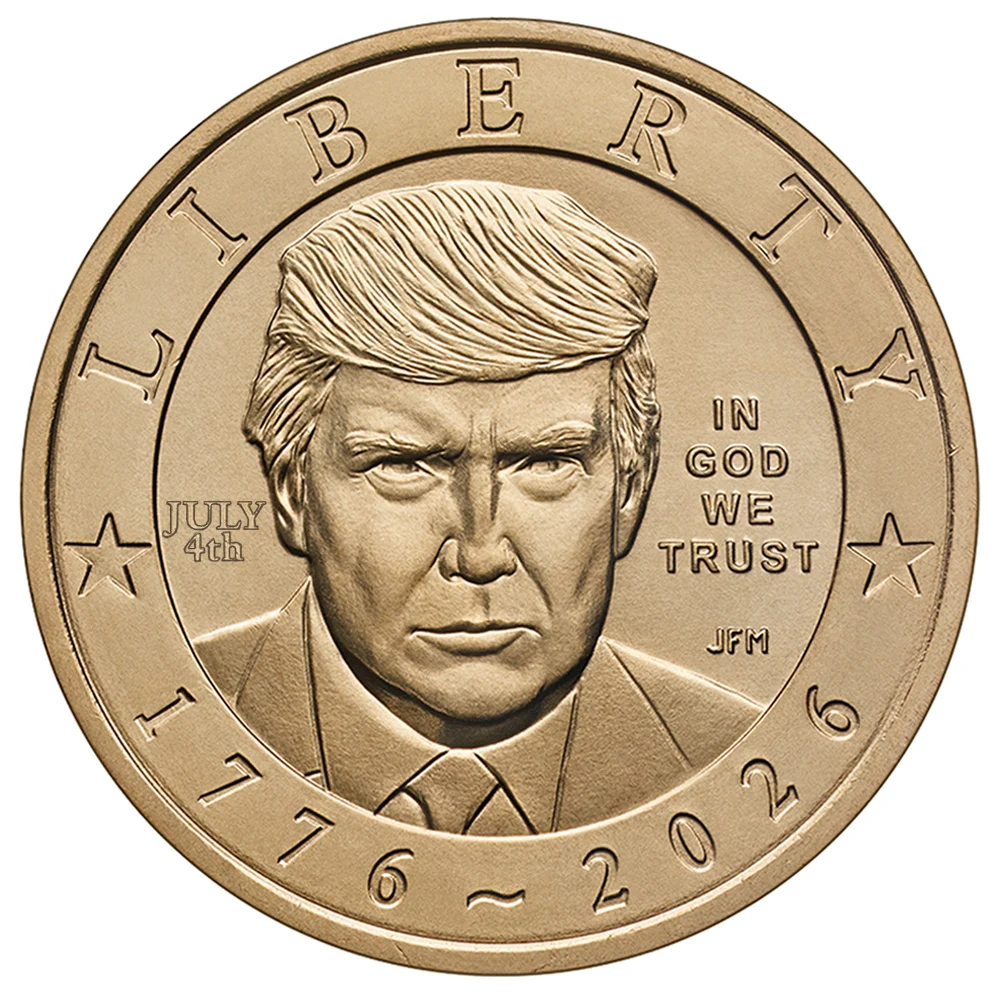
The new Trump $1 coin

The only previous living president to appear on U.S. coinage was Calvin Coolidge, whose image featured on a commemorative half-dollar in 1926, marking the 150th anniversary of American independence.

Political self-promotion?

The Trump administration argues that legislation passed in 2020 provides the necessary authority for the special anniversary coin.

Critics, however, question whether this represents an inappropriate departure from established safeguards against political self-promotion.

With Trump’s face now literally in Americans’ pockets, the coin represents more than a collectors’ novelty. It is another striking example of how the boundaries between presidential power, personal branding and national symbolism are being tested.
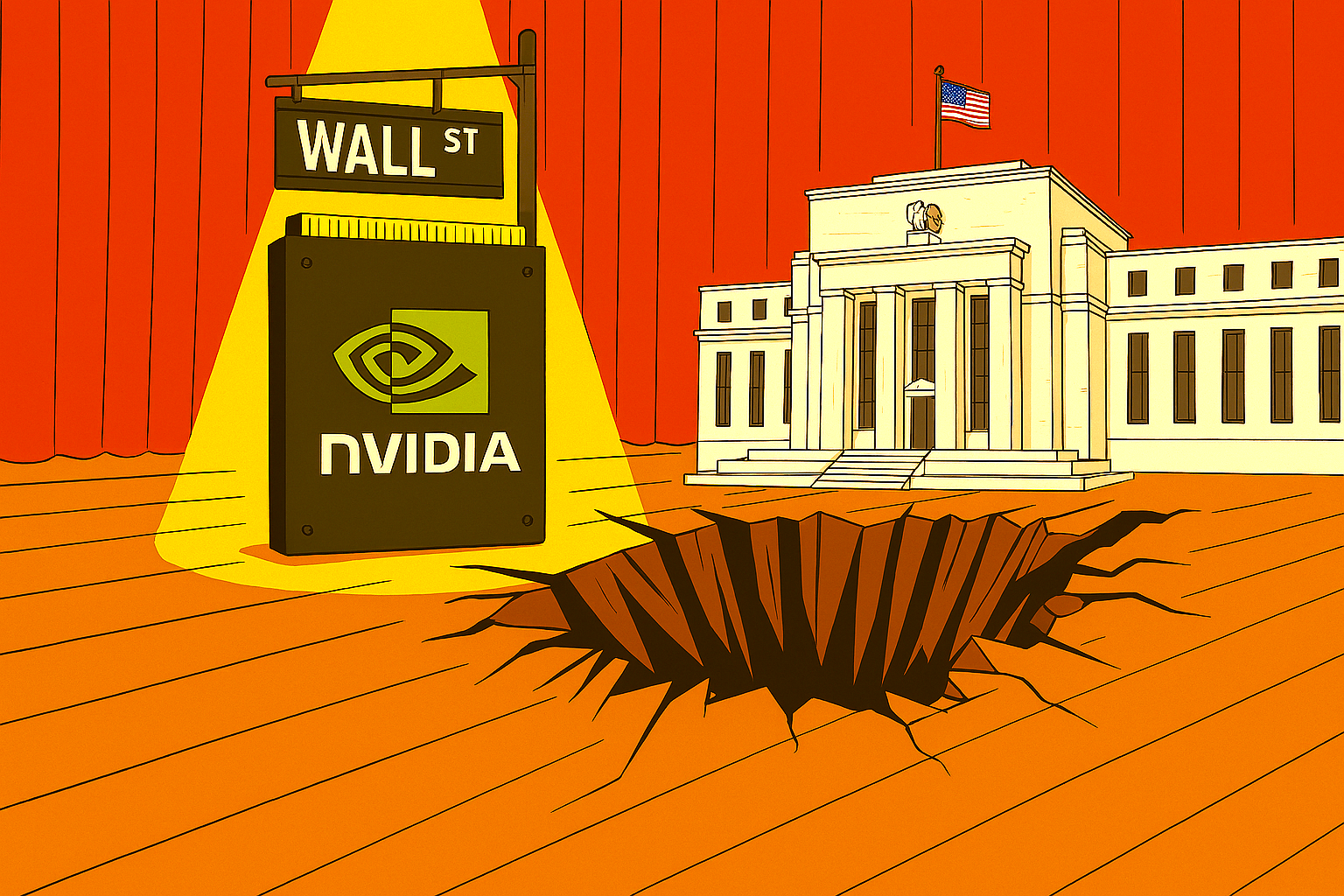
Is Wall Street more fixated on Nvidia’s success than the potential failure of the Fed – the Fed needs to maintain independence?

Nvidia, Wall Street and the Fed

As Nvidia prepares to unveil another round of blockbuster earnings, Wall Street’s gaze remains firmly fixed on the AI darling’s ascent.

The company has become a proxy for the entire tech sector’s hopes, its valuation ballooning on the back of generative AI hype and data centre demand. Traders, analysts, and even pension funds are treating Nvidia’s quarterly results as a bellwether for market sentiment.

But while the Street pops champagne over GPU margins, a quieter and arguably more consequential drama is unfolding in Washington: The Federal Reserve’s independence is under threat.

Recent political manoeuvres—including calls to fire Fed Governor Lisa Cook and reshape the Board’s composition—have raised alarm bells among economists and institutional investors.

The Fed’s ability to set interest rates free from partisan pressure is a cornerstone of global financial stability. Undermining that autonomy could rattle bond markets, distort inflation expectations, and erode trust in the dollar itself.

Yet, the disparity in attention is striking. Nvidia’s earnings dominate headlines, while the Fed’s institutional integrity is relegated to op-eds and academic panels.

Why? In part, it’s the immediacy of Nvidia’s impact—its share price moves billions in minutes.

The Fed’s erosion, by contrast, is a slow burn, harder to quantify and easier to ignore until it’s too late.

Wall Street may be betting that the Fed will weather the political storm. But if central bank independence falters, even Nvidia’s stellar performance won’t shield markets from the fallout.

The real risk isn’t missing an earnings beat—it’s losing the referee in the game of monetary policy.

In the end, Nvidia may be the star of the show, but the Fed is the stage. And if the stage collapses, the spotlight won’t save anyone.