
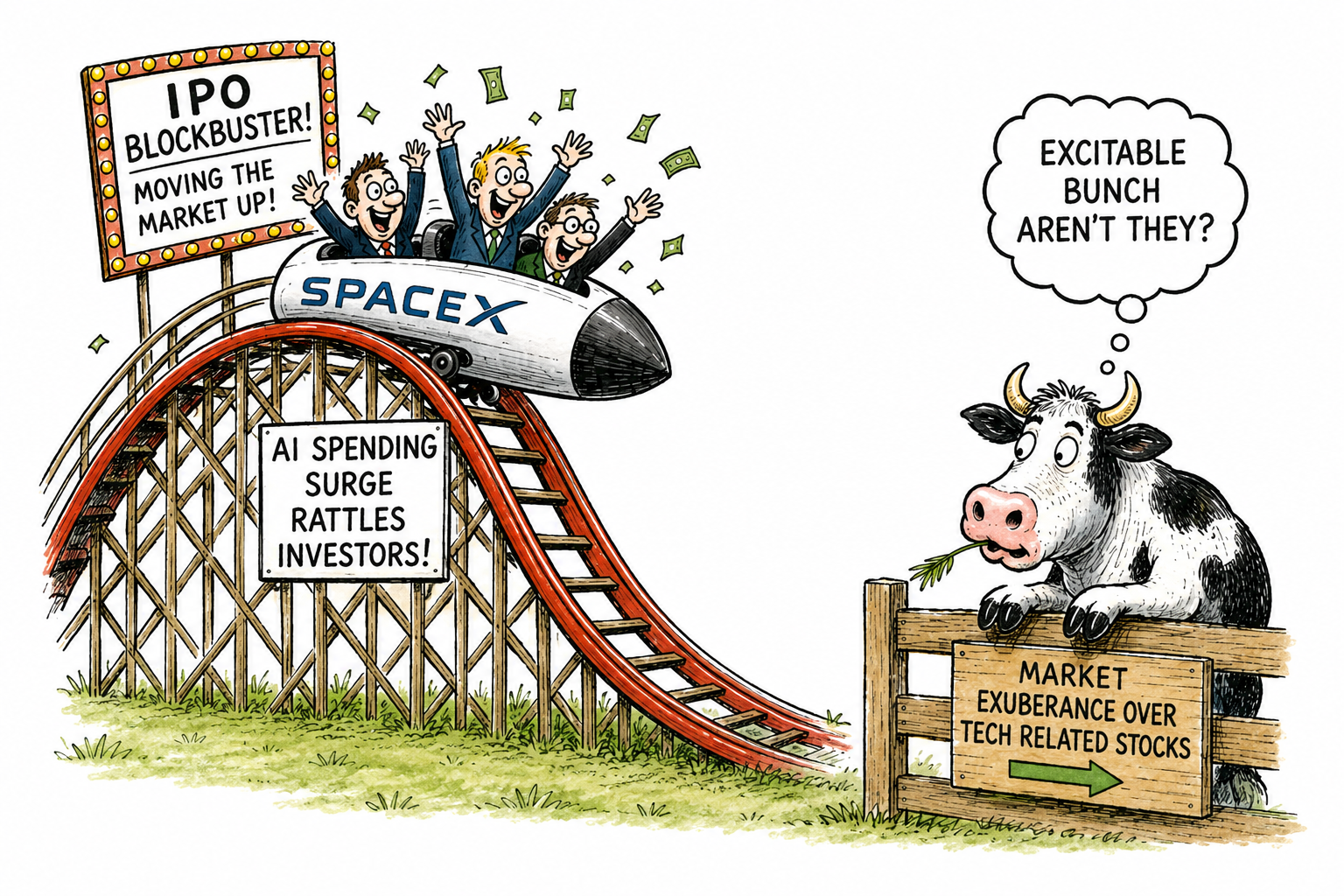
In June 2026 – SpaceX seemed unstoppable. Its long-awaited stock market debut was hailed as one of the biggest public offerings in years, helping lift investor confidence and fuelling another wave of enthusiasm for technology shares.
The company’s arrival on public markets was viewed as confirmation that the AI revolution, combined with space technology, would continue to power the next leg of the bull market.
That optimism has now been tempered.
Sharp fall
SpaceX shares fell sharply after investors reacted to the company’s latest results, with soaring artificial intelligence spending becoming the chief concern.
While management argued that massive investment in AI infrastructure and advanced computing would strengthen the company’s long-term competitive position, many shareholders focused instead on the near-term impact on profits and cash flow.
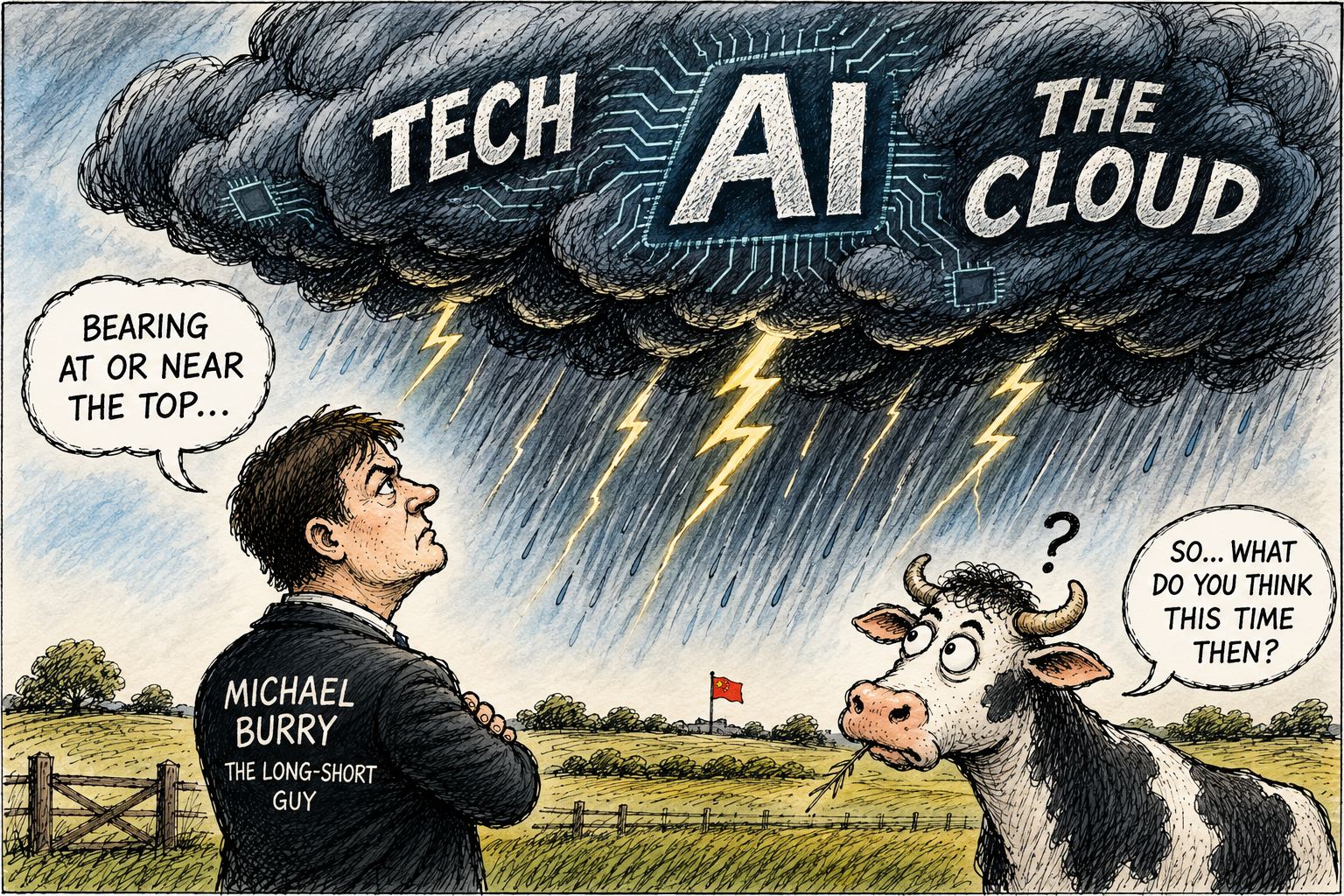
The sell-off highlights an increasingly familiar dilemma across the technology sector. Investors remain excited by the promise of artificial intelligence, but they are becoming more selective about how much they are willing to finance before seeing meaningful returns.
Massive Investment
Building cutting-edge AI systems requires enormous investment in data centres, specialised chips and energy-hungry computing infrastructure, all of which place pressure on corporate earnings.
Yet despite the decline in SpaceX shares, broader market sentiment has remained remarkably resilient.
Investors have largely shrugged off the weakness, instead turning their attention to fresh AI announcements, semiconductor developments and upbeat economic data.
Focus
The enthusiasm that once surrounded the SpaceX IPO has not disappeared; it has simply migrated elsewhere.
This shifting focus demonstrates just how rapidly today’s markets move. Yesterday’s headline can quickly become today’s footnote as investors chase the next technological breakthrough or market narrative.
From vision to achievement
For SpaceX, the challenge now is clear. Investors have already bought into the vision. The next step is proving that billions spent on artificial intelligence can eventually translate into stronger revenues, higher margins and sustainable shareholder returns.
In today’s market, bold ambition alone is no longer enough. Investors increasingly want evidence that the AI race will deliver profits as well as promises.