

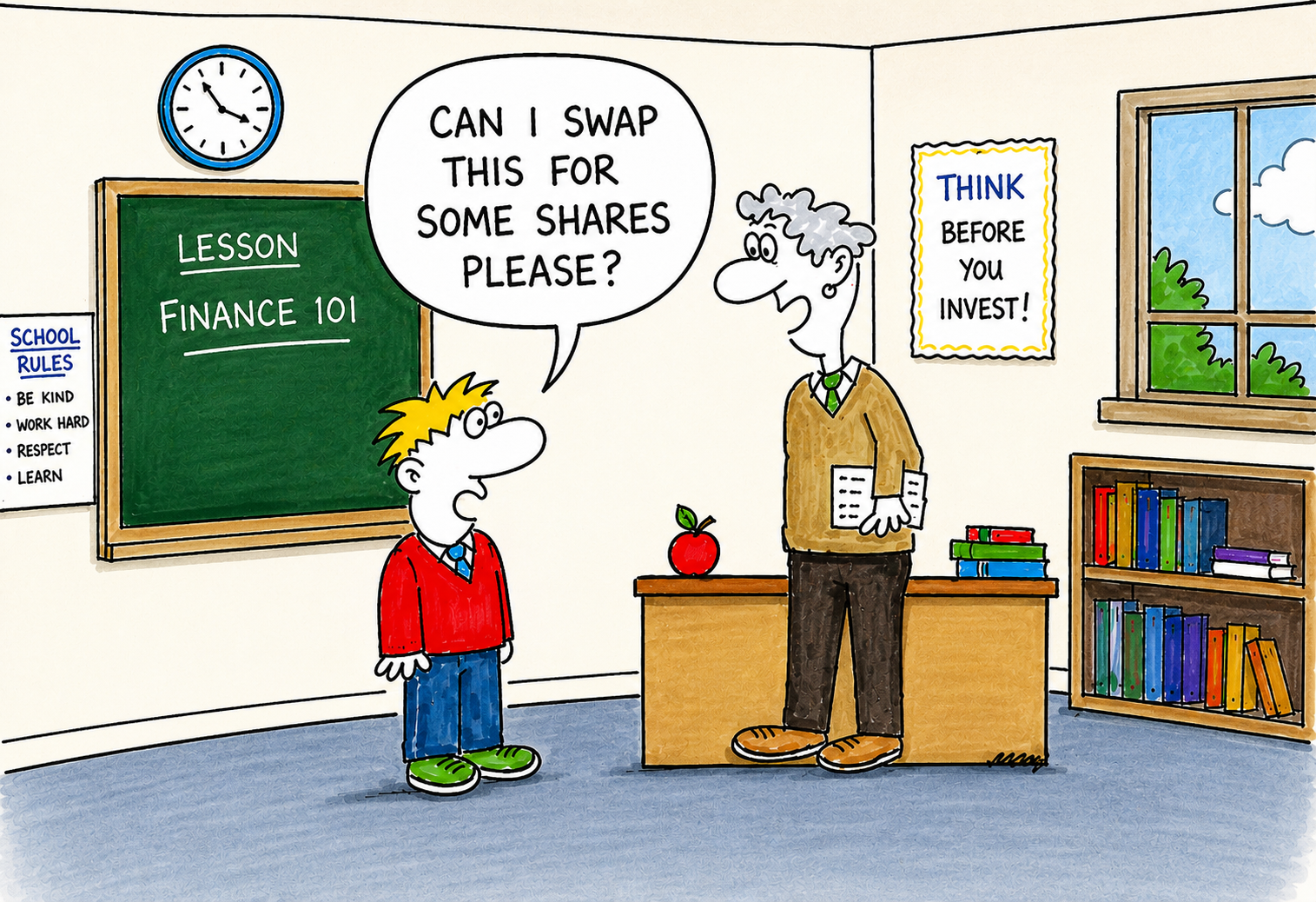
Apple Crosses the $5 Trillion Frontier

Apple passes $5 trillion market cap

Apple has once again rewritten corporate history by becoming only the second publicly traded company to cross the remarkable $5 trillion market capitalisation milestone.

The achievement underlines not only the enduring strength of the iPhone maker but also investors’ growing confidence that disciplined execution can still triumph over market hype.

Questions answered

For years, Wall Street questioned whether Apple was falling behind in the artificial intelligence race as rivals poured hundreds of billions of dollars into AI infrastructure.

Yet, while competitors chased rapid expansion, Apple focused on its traditional strengths: premium hardware, a fiercely loyal customer base, a thriving services ecosystem and exceptional cash generation.

That measured strategy has increasingly appealed to investors seeking sustainable profits rather than speculative promises.

$5 trillion

The $5 trillion valuation is more than a symbolic figure. It reflects the extraordinary concentration of wealth and influence now held by a handful of global technology companies.

Apple alone now carries enough market value to shape major stock indices and influence pension funds, investment portfolios and market sentiment around the world.

Future

However, history suggests that size alone offers no guarantee of future success. Apple must continue to innovate in artificial intelligence, wearable technology and next-generation devices if it is to justify such lofty expectations.

For now, though, the company has delivered another landmark moment that cements its place among the greatest corporate success stories of the modern era.

And that’s for both product and shareholder value.
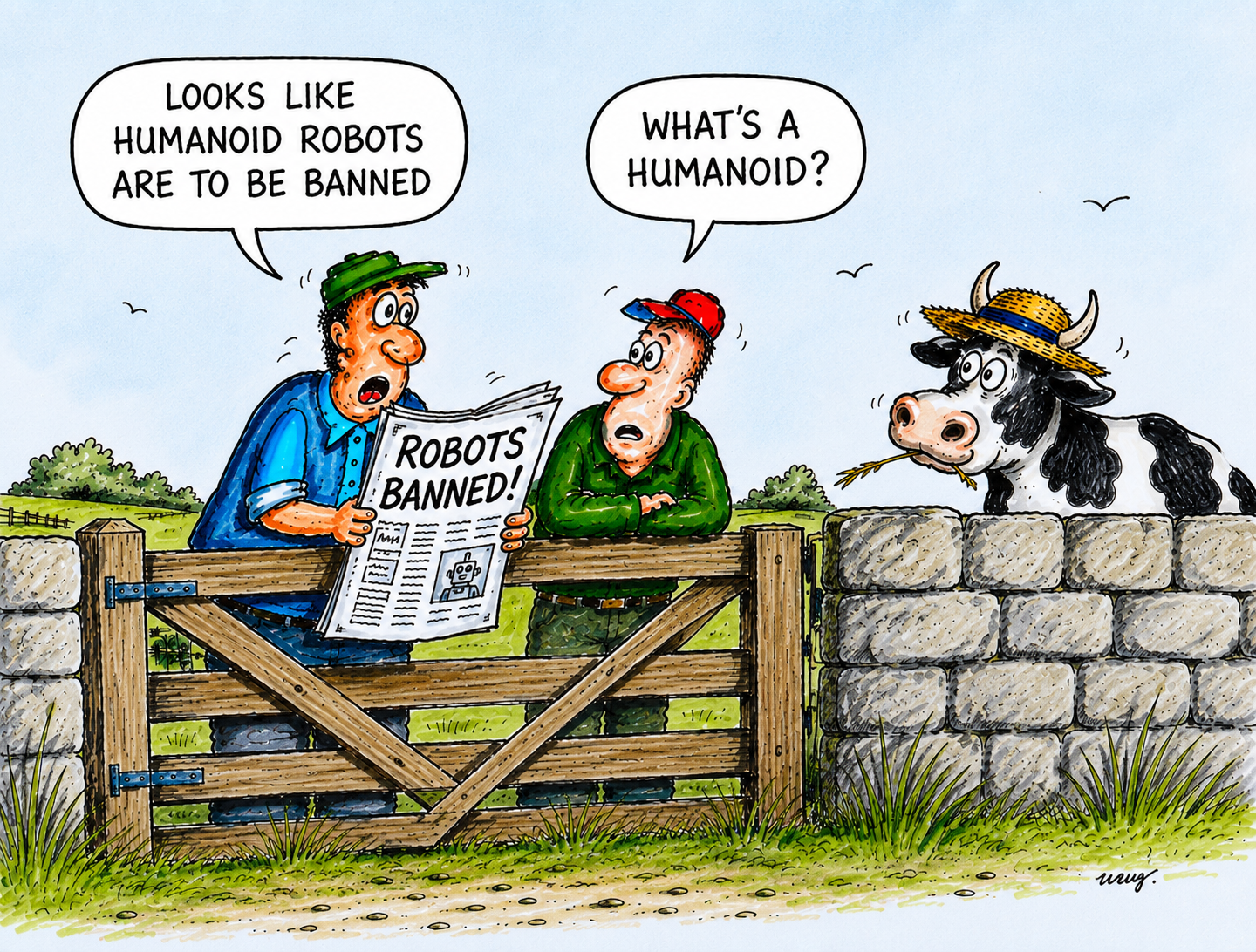
China Warns of Retaliation Over U.S. Humanoid Robot Ban

U.S. upsets China with talk of humanoid robot ban

China has reportedly sharply criticised the United States after Washington introduced restrictions on the import of new Chinese-made humanoid robots, warning that it will take retaliatory measures if the ban remains in place.

Beijing reportedly described the decision as one that “severely damages” bilateral relations and accused the United States of using national security as a pretext to restrict fair competition.

U.S. Measures

The new U.S. measures, announced by the Federal Communications Commission (FCC), prohibit the import of certain advanced Chinese humanoid and quadruped robots, along with related power inverters.

American officials argue that the restrictions are necessary to protect critical infrastructure, safeguard sensitive data, and reduce potential cybersecurity risks posed by connected robotic systems.

China’s Ministry of Commerce rejected those claims, insisting the move represents protectionism rather than genuine security concerns.

Unfair ban?

Officials argued that the ban unfairly targets Chinese companies and disrupts international trade, while also harming American businesses that rely on affordable robotics technology and established supply chains.

Beijing has called on Washington to reverse the decision immediately and warned that it reserves the right to respond with countermeasures.

The dispute marks another escalation in the growing technological rivalry between the world’s two largest economies.

Previous disagreements over semiconductors, artificial intelligence, telecommunications equipment and electric vehicles have already strained commercial ties.

New battleground

Humanoid robots are now emerging as the latest battleground, with both nations viewing the technology as strategically important for future manufacturing, logistics, healthcare and defence.

Industry analysts believe the restrictions could provide short-term protection for U.S. robotics manufacturers, but they also warn that American developers may face higher costs and fewer hardware options during a period of rapid innovation.

As China continues to expand its leadership in robotics production, the latest dispute highlights how technological competition is increasingly shaping international trade, investment and diplomatic relations.