

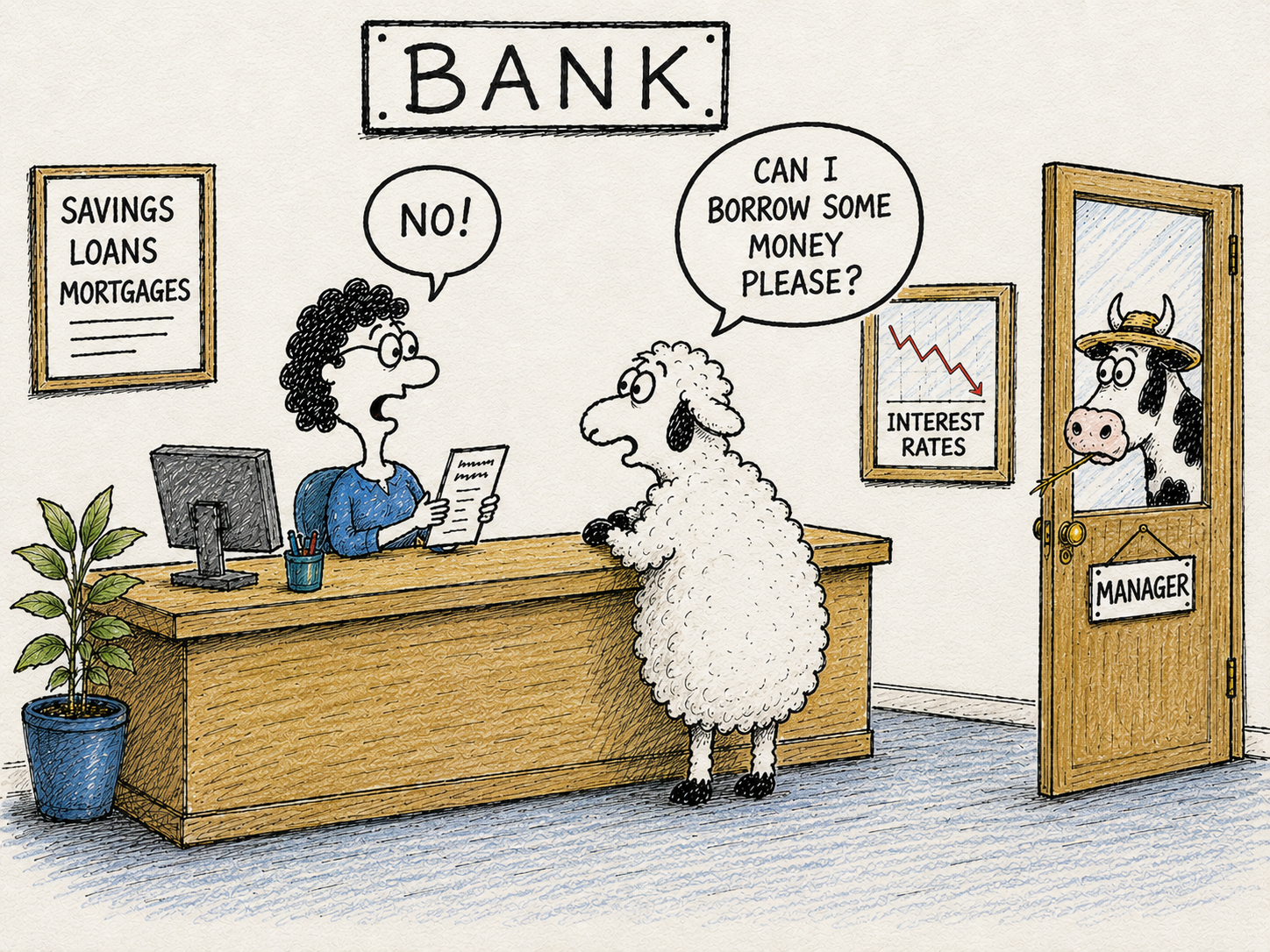
Bank of England Holds Rates at 3.75% as Inflation Fears Linger

UK bank interest rates stick for July 2026

The Bank of England has kept UK interest rates on hold at 3.75%, choosing caution over action as policymakers continue to wrestle with stubborn inflation despite signs that price pressures are gradually easing.

The decision, widely expected by financial markets, reflects the Monetary Policy Committee’s concern that inflation risks remain elevated.

Inflationary pressure persists

Although headline inflation has fallen sharply from its peak, persistent wage growth and resilient services inflation continue to cloud the outlook.

For homeowners and businesses, the announcement provides some welcome certainty after a prolonged period of rising borrowing costs.

However, the Bank stopped short of signalling that rate cuts are imminent, stressing that monetary policy must remain restrictive until it is confident inflation will return sustainably to its 2% target.

Economic data

Governor Andrew Bailey has repeatedly emphasised that the Bank will remain guided by incoming economic data rather than a predetermined path.

That leaves future policy finely balanced, with inflation, wage settlements and consumer spending likely to determine the timing of any reductions in borrowing costs.

Scrutiny

Investors will now scrutinise forthcoming economic releases for clues about the next move. While many economists still expect interest rates to edge lower before the end of the year, the latest decision underlines the Bank’s determination not to relax policy prematurely.

For now, inflation remains the overriding concern, and patience continues to be the watchword.
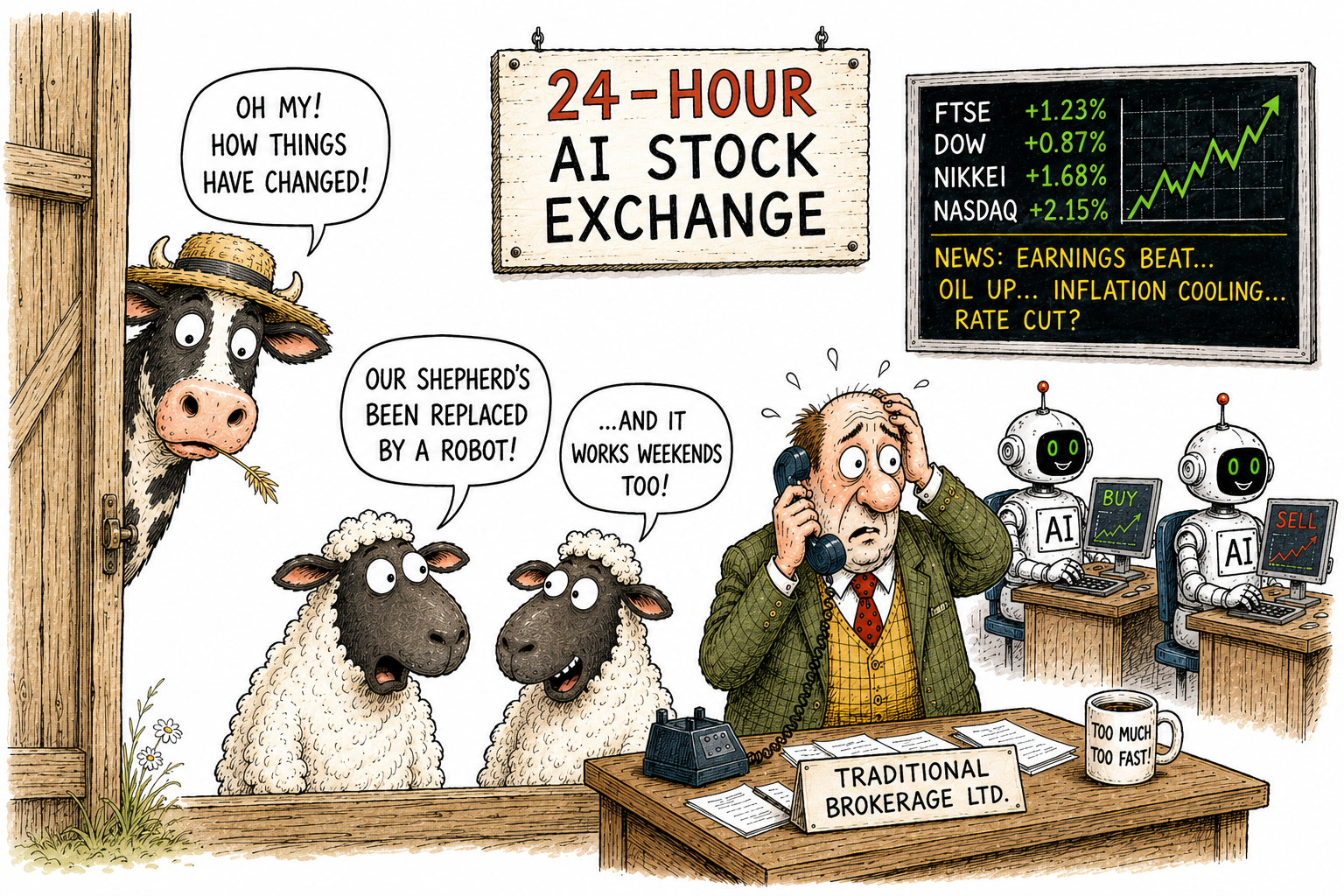
The Future of Stock Trading Has Arrived and it’s AI

The future of stock trading is AI

Imagine owning an AI employee that never takes a coffee break, never gets tired and never misses breaking news from the other side of the world.

That future isn’t ten years away. It’s already beginning.

Agentic AI Trading

A new generation of AI-powered trading agents is emerging, and they promise to transform the way ordinary investors buy and sell shares.

While Wall Street has used sophisticated algorithms for years, the next wave is different. These aren’t simply automated trading bots following fixed rules.

They’re intelligent agents that can analyse news, interpret earnings reports, monitor social media sentiment, compare economic data and adapt their strategies as markets change—all without constant human intervention.

The race is now on

Start-ups are building autonomous investing platforms. Established brokers are adding AI assistants to their services.

Retail investors are experimenting with personal AI agents that can monitor portfolios twenty-four hours a day, searching for opportunities while their owners sleep.

Think about that for a moment

Instead of logging into your trading account every evening, you might simply tell your AI agent:

“Grow my portfolio steadily, avoid excessive risk and alert me only when something needs my attention.”

From that point onwards, your digital trader works continuously, scanning global markets, weighing new information and executing trades according to your objectives.

Of course, AI won’t eliminate risk. Markets remain unpredictable, and no technology can guarantee profits. Human judgement will still matter—particularly when deciding investment goals, risk tolerance and when to override the machine.

But here’s the bigger question

What happens when millions of AI agents are trading against millions of other AI agents, each learning, adapting and competing in real time?

The stock market could become less about humans making individual decisions and more about intelligent software negotiating value at machine speed.

We’ve spent decades teaching computers how to trade.

Now we’re teaching them how to think.

And that may prove to be the biggest disruption financial markets have ever seen.