
Oh Dear – Here we go again – Seven Prime Ministers in Ten Years: Why is Britain’s Politics Failing?

7 PMs in 10 Years

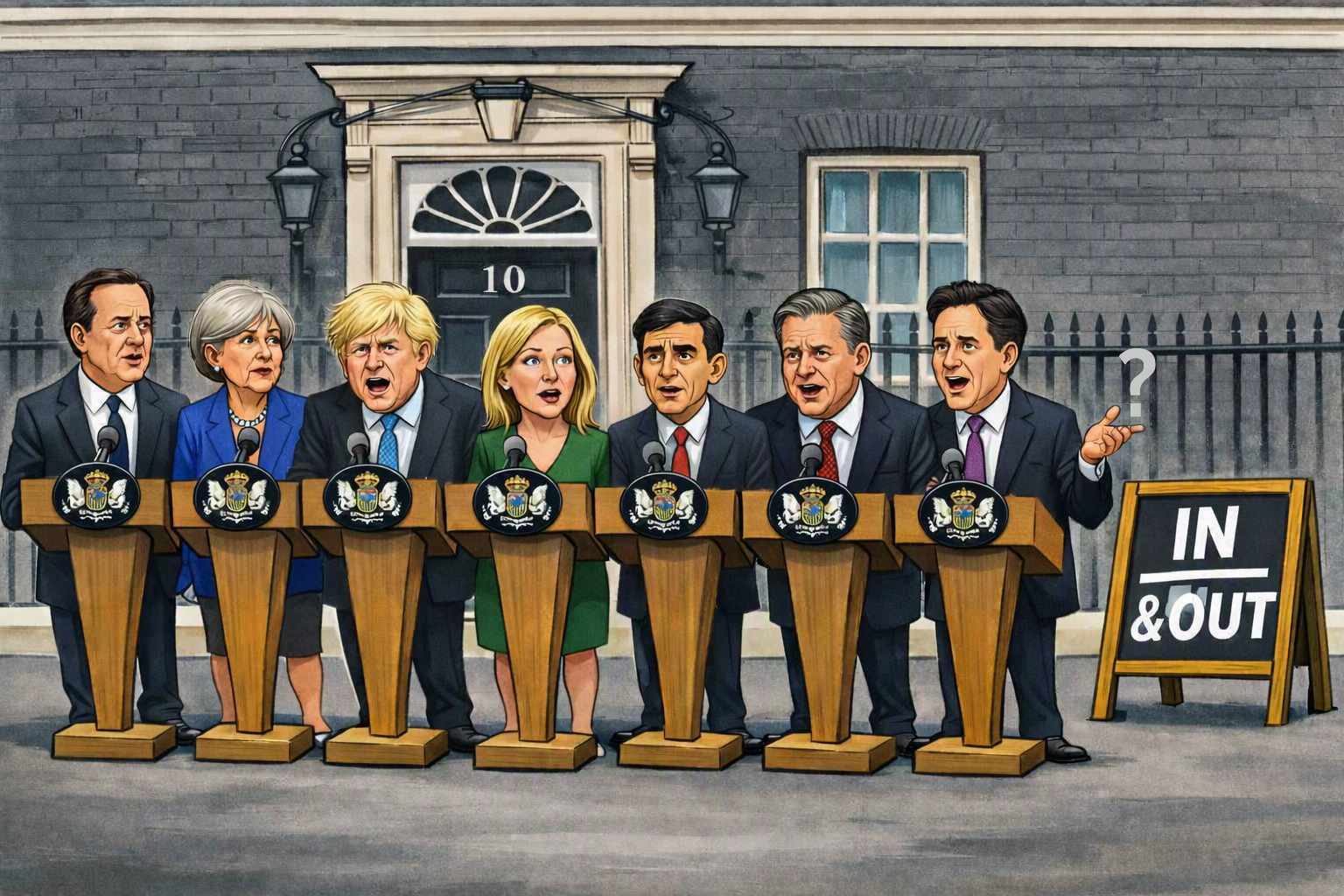
Britain has now burned through seven prime ministers in a decade, an extraordinary rate of political turnover for a country that once prided itself on institutional steadiness.

This is not a run of bad luck or a string of unfortunate personalities. It is the symptom of a political system that has lost its way!

The first rupture was Brexit, which detonated the old Conservative coalition and replaced it with a permanent internal civil war.

Disfunctional

The party ceased to function as a unified governing force and instead became a collection of factions, each convinced it alone represented the “true” mandate of the referendum. Prime ministers were no longer leaders but temporary referees.

Once they failed to contain the infighting, they were removed. Theresa May fell to it. Boris Johnson was consumed by it. Liz Truss was destroyed by it in record time.

But the deeper failure is structural exhaustion. Westminster has been in crisis mode since 2016: Brexit negotiations, minority government, pandemic, inflation shock, energy turmoil, geopolitical instability.

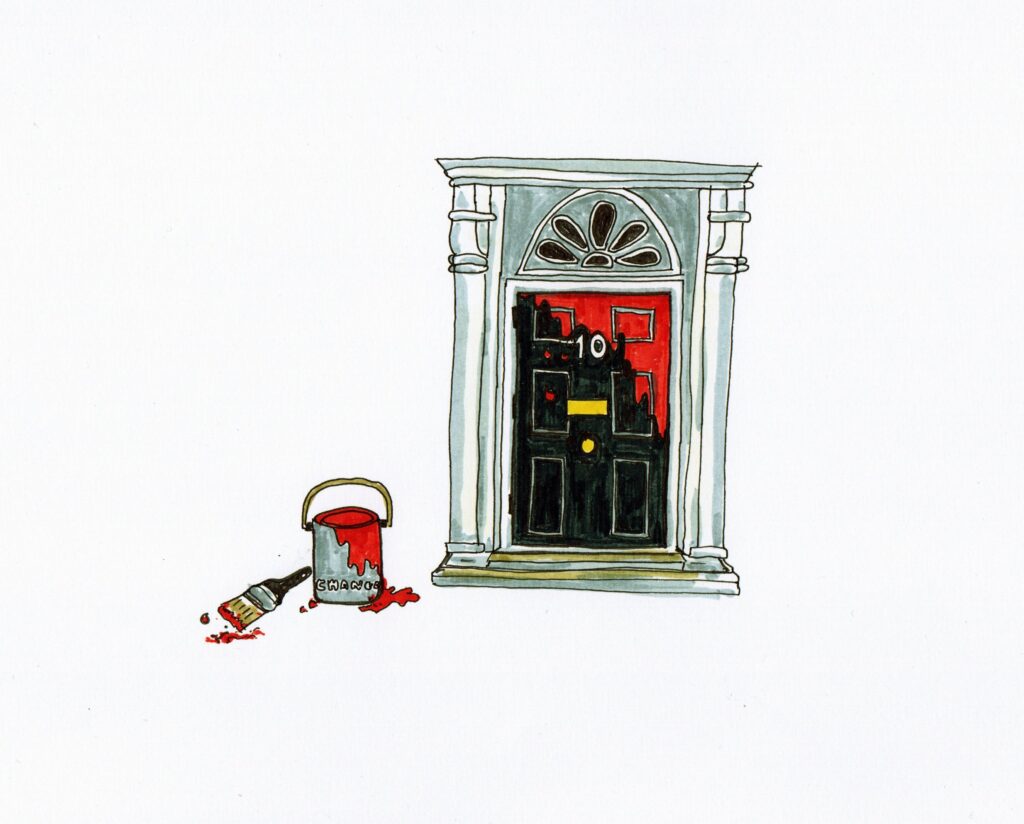
Let’s CHANGE again – just becuase we can
Firefighting

The machinery of state has been asked to deliver transformation while simultaneously firefighting. That combination breeds short‑termism. Policies are launched for headlines rather than outcomes.

Leaders are judged by weekly polling rather than national strategy. The result is a political class that behaves like a boardroom under siege — reactive, brittle, and permanently on edge.

Disillusioned

Layered on top is public disillusionment. Trust in politics has collapsed to historic lows. Voters now punish governments faster and more aggressively than at any point in modern British history. Every scandal becomes existential.

Every by‑election becomes a referendum on the prime minister’s survival. MPs panic, parties fracture, and leaders lose authority long before the electorate formally removes them.

Vacuum

Finally, Britain faces a governance vacuum. The country has major structural problems — weak productivity, regional inequality, an overstretched NHS, fragile public finances — but no long‑term political consensus on how to fix them.

Without a shared national direction, governments drift, parties implode, and leadership churn becomes inevitable.

Fund your way UK?

7 in 10

Seven prime ministers in ten years is not a curiosity. It is a warning light. Until the UK rebuilds political discipline, restores institutional seriousness, and commits to long‑term strategy over short‑term spectacle, the revolving door at No. 10 will keep spinning.

Personal gain – the country’s loss. Imagine if a business was run like this?

And, for your information the UK has had 21 Prime Ministers in the past 100 years (1926 to 2026) including the 7 in the past 10 years.

So, that’s one third of the 21 PM’s in the last 10 years – just think about that.

Shocking, and no wonder the country is lost it’s identity and direction – the people running it don’t even know who they are or what the truly stand for.

Let’s put the vote back to the people.

We can’t keep chopping and changing like this.
Why is UK Politics in such a Shambles?

UK Political Shambles

Britain has ripped through five prime ministers in just over five years — Theresa May, Boris Johnson, Liz Truss, Rishi Sunak, and now the prospect of yet another change.

It is not simply bad luck or a run of flawed leaders. It is the visible symptom of a political system that has lost focus and direction.

Conservative infighting to Labour back biting!

The core problem is structural volatility. The UK’s unwritten constitution relies heavily on norms, restraint and party discipline. Over the past decade, those stabilising forces have collapsed.

Brexit

Brexit detonated the old Conservative coalition, splitting MPs into factions that no longer share a common project. Once a party becomes a collection of tribes, leadership becomes temporary management rather than authority.

Prime ministers are installed not to govern but to contain internal warfare — and they are removed the moment they fail to do so.

Exhaustion

The second driver is institutional exhaustion. Westminster has been running in crisis mode since 2016: Brexit negotiations, minority government, pandemic, inflation shock, energy crisis, geopolitical instability.

The machinery of state has been asked to deliver transformation while simultaneously firefighting. That combination breeds short-termism. Policies are launched for headlines, not outcomes.

Leaders are judged by weekly polling, not national strategy. The result is a political class that behaves like a boardroom under siege — reactive, brittle, and constantly reshuffling the chief executive.

Disillusioned

A third factor is public disillusionment. Trust in politics has fallen to historic lows. Voters now punish governments faster and more aggressively than at any point in modern British history.

The electoral cycle has shortened psychologically: every scandal becomes existential, every by‑election a referendum on the prime minister’s survival.

This creates a feedback loop where MPs panic, parties fracture, and leaders lose authority long before the public formally removes them.

Gap

Finally, the UK faces a governance gap. The country has major structural problems — weak productivity, regional inequality, an overstretched NHS, fragile public finances — but no long-term political consensus on how to fix them.

Without a shared national direction, governments drift, parties implode, and leadership churn becomes inevitable.

Britain’s political chaos is not random. It is the predictable outcome of a system that has lost coherence, a governing party that has lost unity, and a public that has lost patience. Until those three forces stabilise, the revolving door at No. 10 will keep spinning.

Just look at the calibre of politicians in the UK – or lack thereof.

I rest my case.

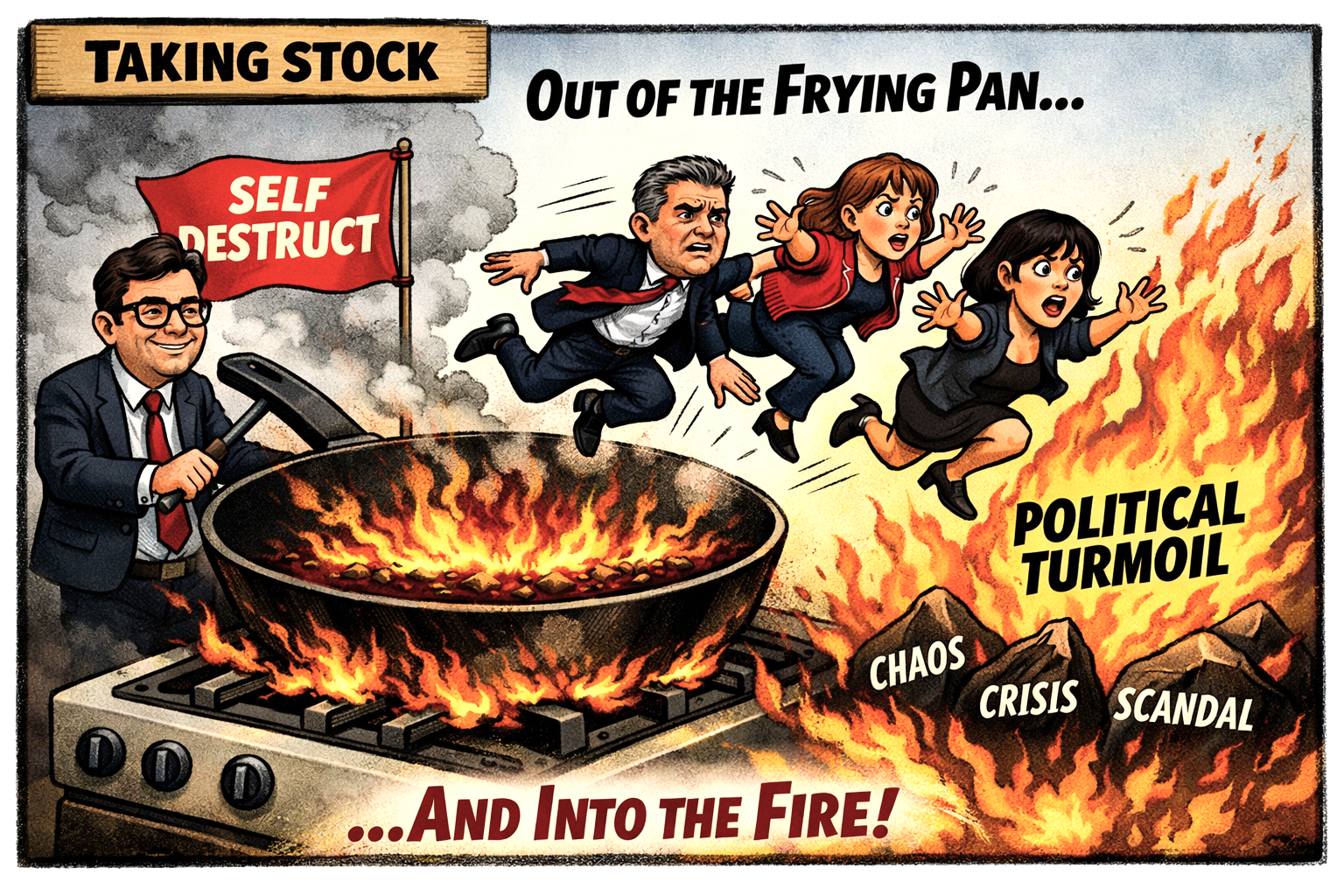
The self-destruct button is being pressed yet again…

UK politicians – it’s time to grow-up.

Definition of politician

A person who is professionally involved in politics, especially someone who holds or seeks public office in government.

More broadly, it refers to anyone who participates in governing, policy‑making, or political leadership at local, national, or international level.

Three words immediately jump out at me: professional, govern and leadership.

I see very little of any of these right now in our political ‘elite’.