

UK inflation in surprise fall, a ‘massive’ drop all of 0.1%

UK inflation

ONS says inflation dropped in August 2023

According to the Office for National Statistics (ONS), the UK’s inflation rate dropped unexpectedly in August 2023 to its lowest level since the start of Russia’s invasion of Ukraine, which led to sharp rises in energy and food costs which were already on the rise due to the pandemic.

The Consumer Prices Index (CPI) rose by 6.7% in the 12 months to August 2023, down from 6.8% in July. The Consumer Prices Index including owner occupiers’ housing costs (CPIH) rose by 6.3% in the 12 months to August 2023, down from 6.4% in July.

The ONS said that the main factors behind the fall in inflation were lower prices for clothing, footwear, and second-hand cars, partly offset by higher prices for transport services and recreational goods. 

UK Inflation 1989 – 2023 (ONS data)
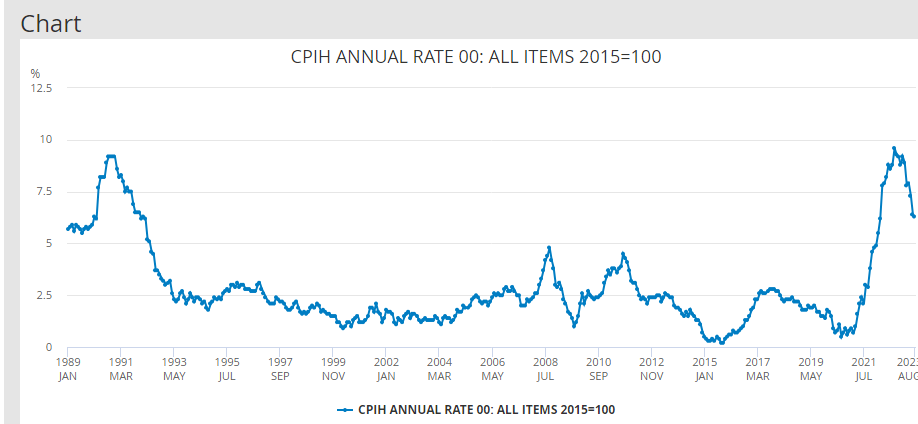
The ONS also said that the inflation rate was still high compared with historical levels, and that it expected it to rise further in the coming months due to increases in energy bills and supply chain pressures.

You can find more details and data about the UK inflation and price indices on the ONS website or on the Consumer price inflation, UK: August 2023 time series.

Jeremy says its OK!

Chancellor Jeremy Hunt said the news showed ‘the plan to deal with inflation is working’. Well Jeremy, your comments are encouraging – if you truly believe a 0.1% fall in inflation is ‘working‘. Where were you when the Bank of England lost control of the ‘2% inflation remit’.
UK inflation
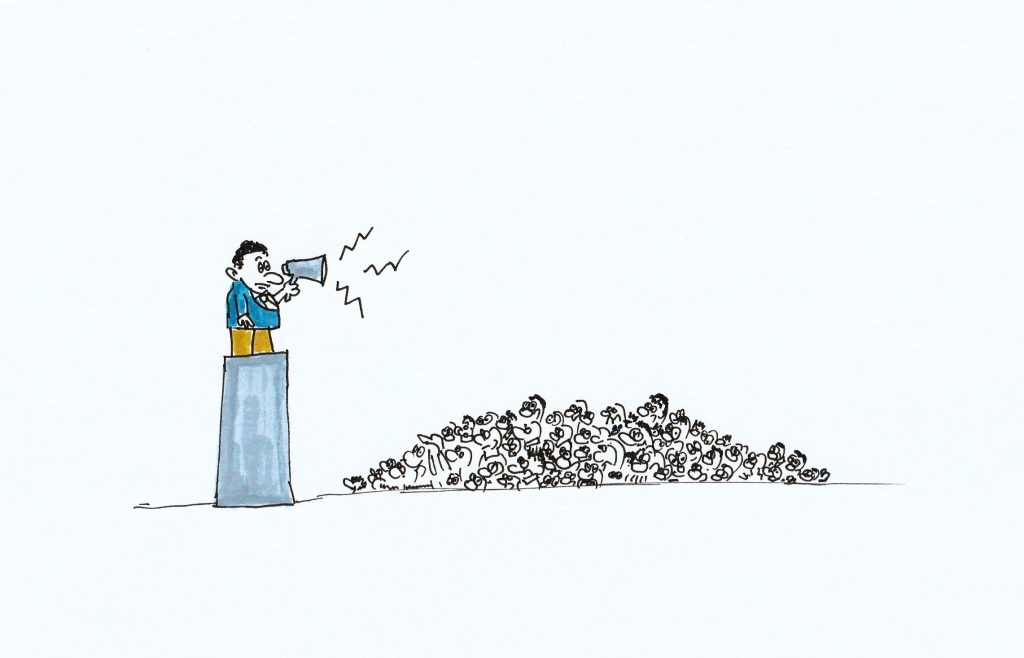
‘Don’t worry – the money is being printed as we speak. Come and get your share now!’

Where were you when the excessive ‘uncontrolled’ government borrowing infected the UK’s economy? With all that ‘free’ money sloshing around the system, what did you really expect would happen..?
UK strike action and wage growth – repeats

Strike action

Wages grew at a record annual pace between April and June 2023, according to new figures from the Office for National Statistics (ONS).

Regular pay grew by 7.8%, the highest annual growth rate since comparable records began in 2001.Inflation, which measures the pace at which prices are rising, has eased but remains relatively high at 7.9%. Thhe ONS suggested these latest figures demonstrates ‘people’s real pay is recovering‘ and that basic pay is growing at its fastest since current records began’.

However, wage growth is still not quite outstripping the pace of price rises and inflation is still high. Figures suggest that, taking into account the Consumer Prices Index (CPI) measure of inflation, average regular pay fell by 0.6%.

There are signs in the ONS’s data that the UK employment market is easing. The jobless rate rose from 4% to 4.2%, while the number of people in employment ticked lower.

Backward stats..?

The fall in employment in the three months to June and the further rise in the unemployment rate will be welcomed by the Bank of England as a sign labour market conditions are cooling. These comments from an analyst were presented as welcome news – but they are odd really when an economy needs good levels of employment (not unemployment). We live in weird times! Good news! Bad news!

The Bank of England is still generally expected by many pundits to increase its key interest rate again to 5.5% before ending the current run of rate rises.

The number of vacancies in the UK jobs market fell again, down 66,000 between May and July 2023. However, there are still more than one million vacancies.

Strike action adds to inflationary pressure

List of workers striking for higher pay

  • Teachers
  • Tube staff
  • Railway workers
  • Doctors
  • Nurses
  • NHS staff
  • Ambulance workers
  • Passport Office workers
  • Border control staff
  • Airport workers
  • Civil servants
  • University staff
  • Barristers

This is by no means an exhaustive list – just a sample of the demands placed on resources through strike action that impacts inflation through a period of fast wage growth.