

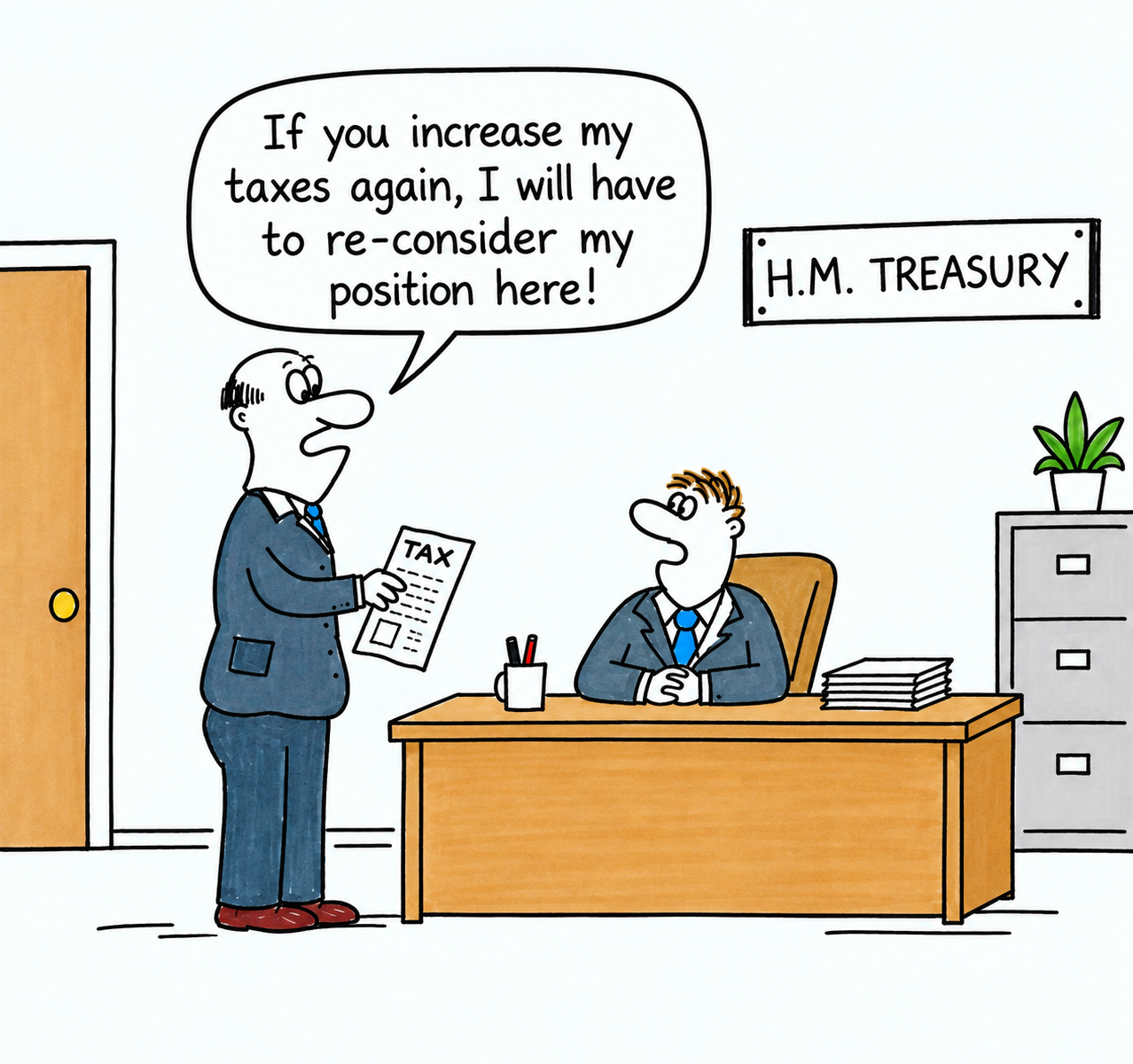
Britain’s relationship with its wealthiest residents is facing another test after billionaire hedge fund manager Chris Rokos reportedly decided to move his tax residence to Greece.
Rokos, founder of Rokos Capital Management, is one of Britain’s highest-earning financiers and among its biggest individual taxpayers.
Billionaires out?
His reported departure is therefore significant, not simply because another billionaire is leaving, but because it raises questions about whether Britain is becoming less attractive to internationally mobile wealth creators.
Rokos is not alone. A number of prominent billionaires and entrepreneurs have reportedly moved abroad or reconsidered their UK tax residence in recent years.
Countries such as Greece and Italy have actively introduced favourable tax regimes aimed at attracting wealthy international residents.
Much of the debate centres on the abolition of the UK’s non-domiciled tax regime in April 2025. The government argued that reform would make the tax system fairer and raise additional revenue.
Warning
Critics warned that some wealthy individuals would respond by taking their tax residence — and potentially their businesses and investments — elsewhere.
There is evidence to support concerns about departures. HMRC figures show that the number of non-domiciled taxpayers has fallen substantially over the past decade.
There has also been an increase in the number of company directors reporting that they have left the UK.
However, the evidence does not point to a mass flight of wealthy people from Britain. HMRC’s latest figures show that thousands of non-doms continue to arrive, while the tax contribution from the remaining population has actually increased.
So is Britain experiencing a wealth-maker exodus?
Perhaps — but it is better described as a growing warning sign than a mass exodus.
Britain remains one of the world’s major financial centres and continues to attract substantial international wealth.
Nevertheless, the departure of exceptionally high-tax-paying entrepreneurs and financiers could become economically significant if the trend accelerates.
The question for politicians is ultimately straightforward: how much additional tax revenue can Britain raise before the people generating some of that wealth decide to take their fortunes — and their future tax contributions — elsewhere?
