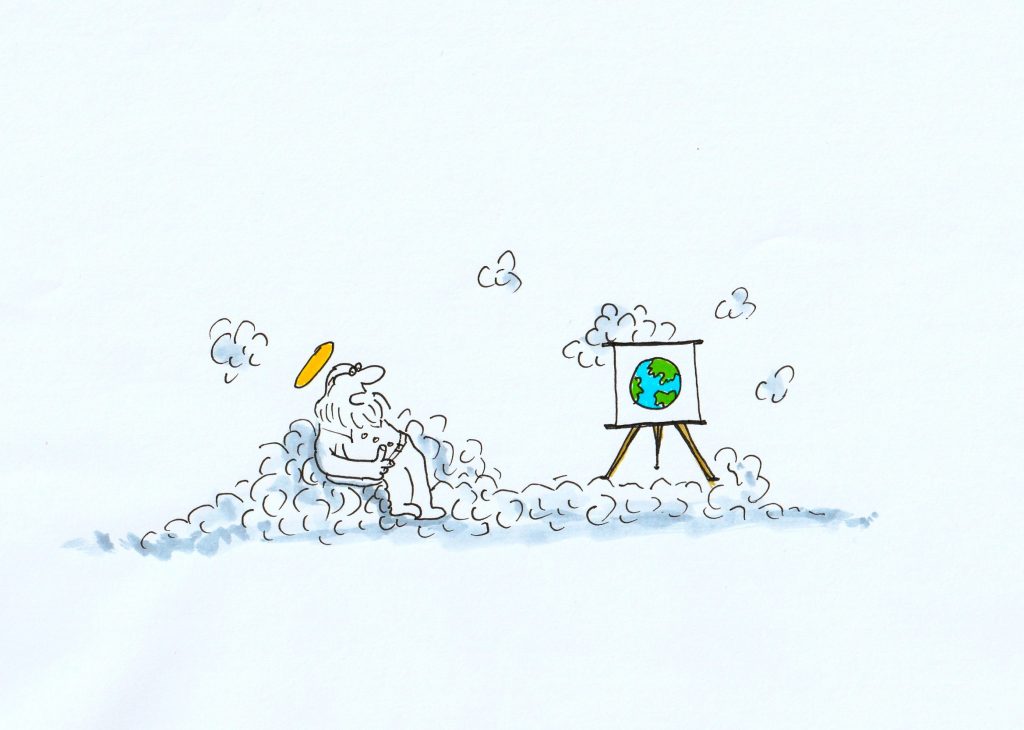
Why is Man soiling the Moon and Space? The Space Race to Waste.

The space race to waste

Space has long represented humanity’s greatest frontier—a place of wonder, mystery and scientific discovery. Yet, as our presence beyond Earth has expanded, so too has something far less inspiring: our rubbish.

It seems that wherever humans travel, waste is never far behind.

Once Pristine

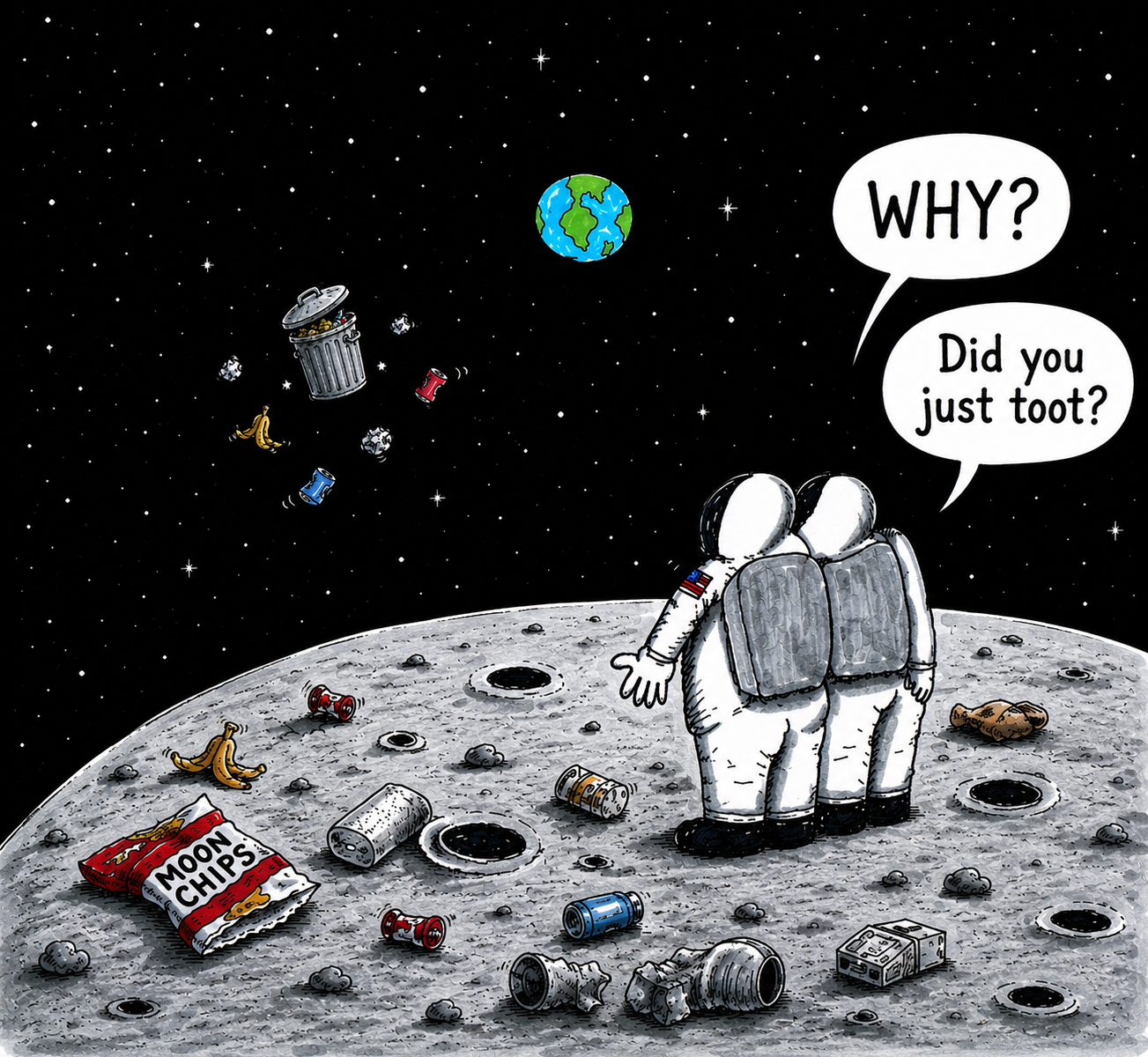
The Moon, once an untouched and pristine landscape, now bears the unmistakable fingerprints of human activity. During the Apollo missions of the 1960s and 1970s, astronauts famously left behind equipment to save weight for the return journey.

Among the discarded items were scientific instruments, landing hardware, cameras, boots, empty containers and, perhaps most surprisingly, dozens of bags containing human waste.

These decisions made practical sense at the time, but decades later they remain scattered across the lunar surface, silent reminders that even our greatest achievements came with unwanted leftovers.

Extended problem

The problem extends far beyond the Moon itself. Earth’s orbit has become increasingly cluttered with discarded rocket stages, defunct satellites, broken fragments from collisions and countless pieces of debris travelling at astonishing speeds.

Even tiny fragments can damage operational spacecraft or threaten astronauts aboard the International Space Station.

Every new launch adds to an already crowded environment, increasing the risk of further collisions and creating yet more debris in an ever-growing cycle.

Invisible pollution

Modern spaceflight also leaves behind invisible pollution. Rocket launches release exhaust gases high into the atmosphere, while spacecraft vent fuel residues, gases and other materials into space during operations.

Small leaks of oxygen, carbon dioxide and propellants may seem insignificant individually, but collectively they contribute to an expanding human footprint beyond our planet.

Space may be unimaginably vast, but that should not become an excuse for careless behaviour.

Impact

Recent events have highlighted the issue once again. A spacecraft associated with SpaceX ended its mission by impacting the Moon, adding another artificial object to a celestial body already littered with relics from previous decades.

Although such impacts are often planned and scientifically useful, they also reinforce an uncomfortable truth: humanity rarely leaves a place exactly as it found it.

As commercial spaceflight accelerates and more nations enter the space race, the challenge will only grow.

Clean it up

Without international standards for orbital clean-up, debris removal and responsible lunar exploration, future generations may inherit a polluted space environment that becomes increasingly hazardous and expensive to manage.

Exploration should never come at the expense of stewardship. We rightly encourage people to recycle, reduce waste and protect fragile environments on Earth.

Surely the same principles should apply beyond our atmosphere. Space was once untouched by human hands.

As we venture further into the cosmos, perhaps the greatest mark of an advanced civilisation will not be how far it travels, but how carefully it treats the places it visits.

A single speck of dust is halfway between the size of an atom and the size of the entire planet. How can this be possible?

Atoms and dust

The statement that a single speck of dust is halfway between the size of an atom and the entire planet Earth is a fascinating way to think about scale, and it’s based on a logarithmic, not linear, scale.

A fun fact

On a linear scale, the size of a dust speck is nowhere near the midpoint between an atom and Earth. However, if we consider a logarithmic scale, which compares things in terms of orders of magnitude rather than absolute size, the idea becomes more meaningful.

Midpoint equals 30g

  • The mass of a carbon atom is approximately 1.67377×10 to the power of −24 kilograms.
  • The mass of Earth is about 5.9736×10 to the power of 24 kilograms.
  • On a logarithmic scale, the midpoint of these two masses would be around 10 to the power of −1.5, which is roughly 30 grams.

While 30 grams is heavier than what we’d typically consider a speck of dust, it’s not too far off when we’re looking at the vast difference in scale between an atom and the Earth.

So, proportionally speaking, a speck of dust’s mass is closer to the midpoint on a logarithmic scale, even though it’s not exactly halfway.

It’s a way to visualize and understand the immense range of scales in our universe, from the very small to the very large. It’s not meant to be a precise measurement but rather an illustration of the concept of scale.

World Population, 8 Billion and Counting…

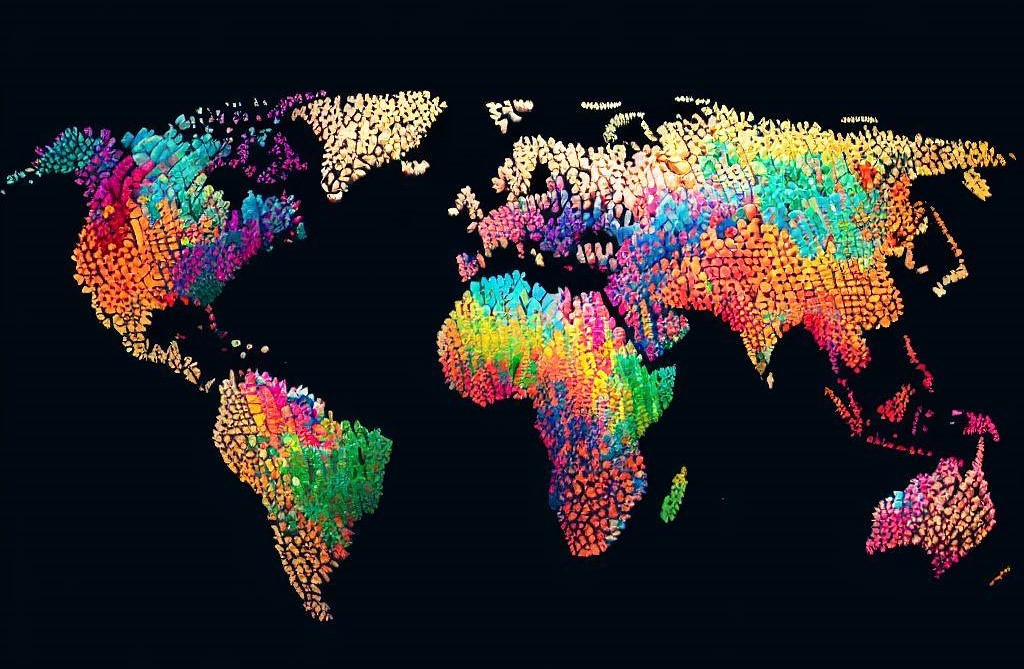
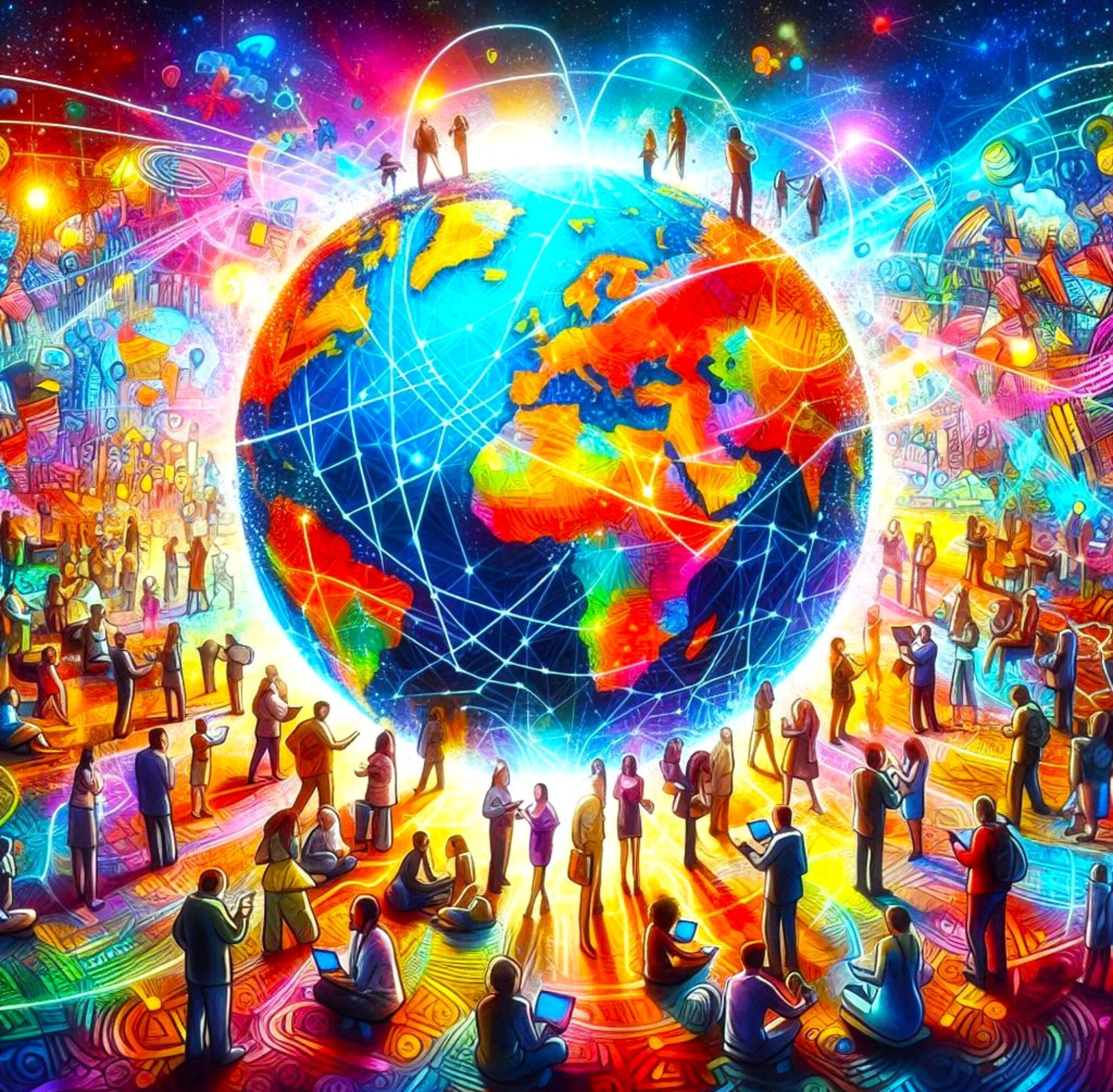
There are eight billion people living on Earth today, according to the United Nations (UN).

It’s hard to calculate the number of people in the world accurately, and the UN admits its calculations could be out by a year or two – but it estimated that in November 2022 the eight billion line was crossed.

It is only 11 years since the population hit seven billion, and experts say this huge growth is because of many reasons including better health, nutrition and medicine.

One billion in 1800

The world reached one billion people in around 1800, then it took about another 100 years to get to the second billion – but since the 1950s the popultion growth has sped up dramatically.

Countries in Asia, including India, were responsible for a large amount of population growth over the last ten years.

The increase in population shows more children are being born, surviving adulthood and having children of their own.

People are also living longer because of better medicine and nutrition.

Greater population in India than China

If you saw a picture of every person on the planet every second, it would take 253 years.

Middle-income countries, mostly in Asia, accounted for most of the growth over the past decade, with 700 million more people since 2011.

India has increased by roughly 180 million people, and is set to surpass China as the world’s most populous nation next year for the first time in almost 2,000 years.

Birth rates in China have decreased since 1980 when the country’s one-child policy was introduced, and more women have also been having children later in life to focus on their education and career opportunities.

Sub-Saharan Africa population to grow the fastest in coming years

When it comes comes to which countries are likely to grow more in the future, the UN says that most of the 2.4 billion people to be added before the global population peaks are likely to be born in sub-Saharan Africa. This includes countries like Angola, Botswana, Cameroon and the Central African Republic.

But experts say that the rate of rapid growth is starting to slow down, meaning it will take about 15 years for the population to reach nine billion – which wouldn’t be until the year 2037.

One of the main reasons for this is that people in many parts of the world are having less children. In the 1960s five births per woman was the global average, now it’s nearly half at 2.4 per woman.

The UN is predicting that the global population will rise to around 10.4 billion people in the 2080s and remain at that level until 2100.

Does it matter?

The population growing is seen as a success by the UN because it shows how much public health, nutrition, personal hygiene and medicine has improved – but it can also present challenges.

Population pressure

Having more people on Earth puts more pressure on nature, with people in competition with wildlife for water, food and space, as well as with each other. Also, growing food as fuel creates immense infrastructure pressure.

This could lead to mass migration and conflict in coming decades, experts say, particularly as extreme climate change could make parts of Africa and countries so hot they could be unsuitable for people to live in.

More people means there are less resources to go around, and so governments will also need to think about how the way people and countries use what the world currently has and how this can this should be used.

This also includes how we are using energy and the impact on climate change if big countries with growing populations continue to use fossil fuels.

Although having more people on the planet will impact the environment, in fact it is the increase in producing and using materials which creates dramatic pollution increases that causes more of an impact to our immediate environment.

The UN Secretary General António Guterres said: ‘…it is a reminder of our shared responsibility to care for our planet and a moment to reflect on where we still fall short of our commitments to one another.’