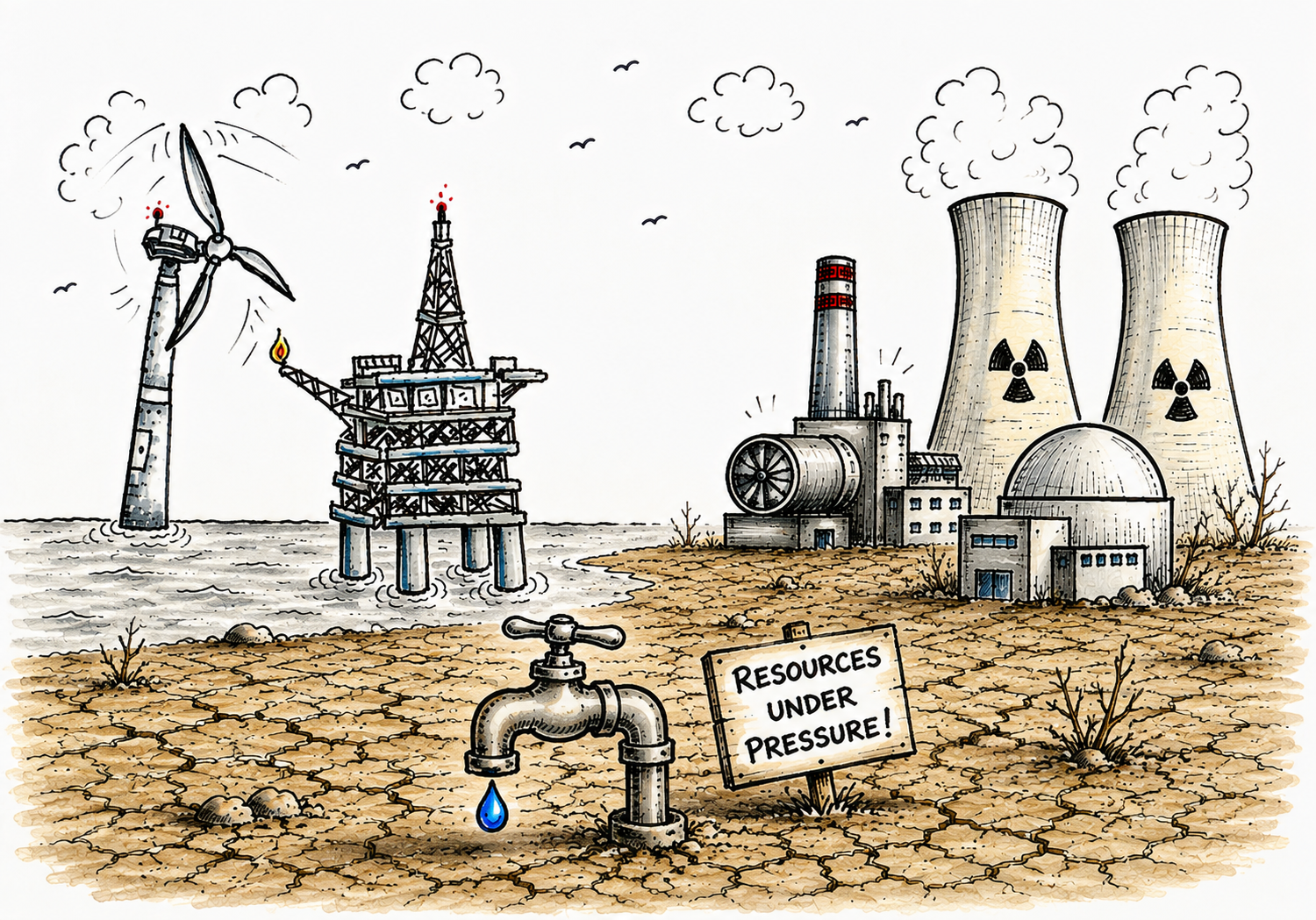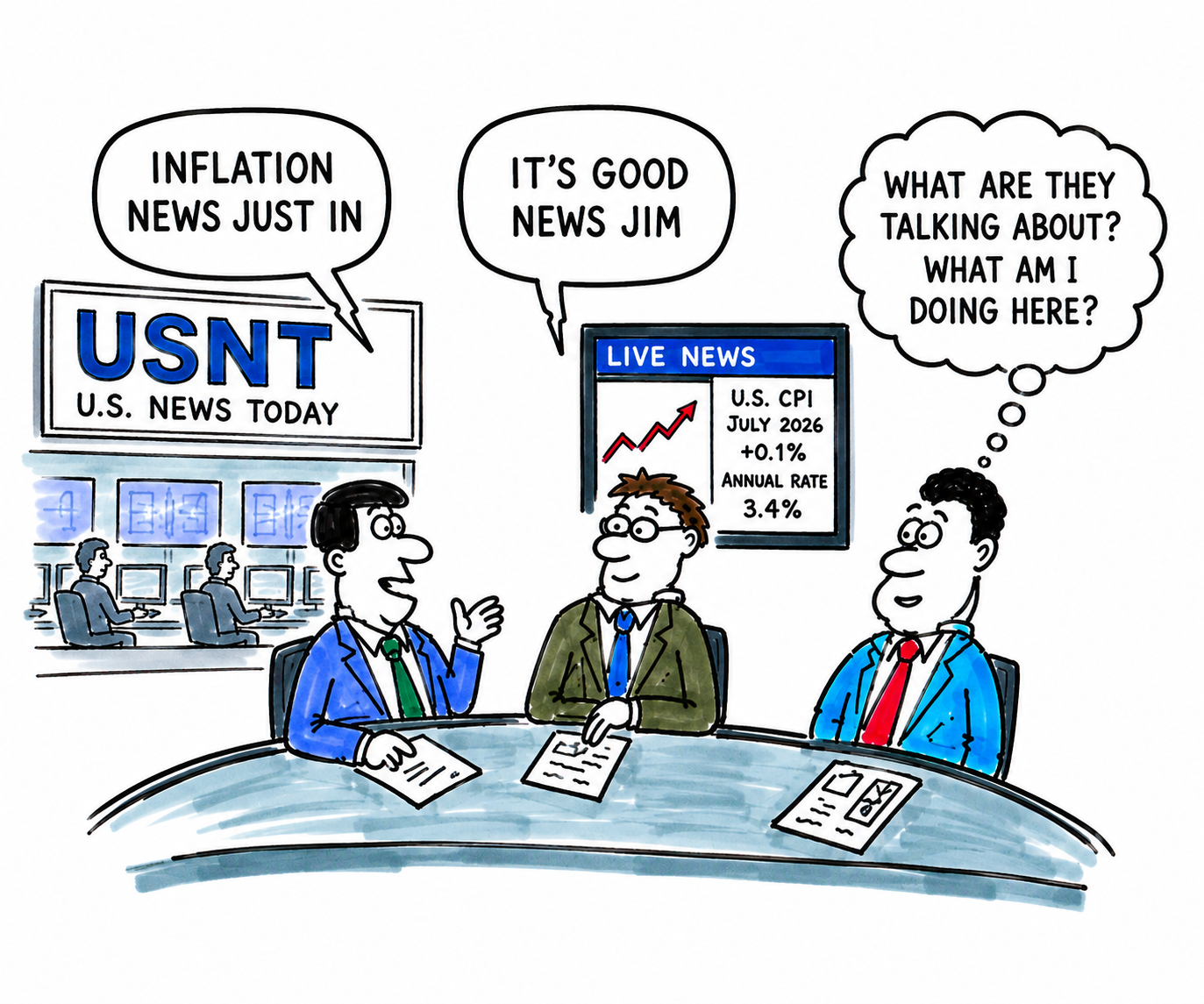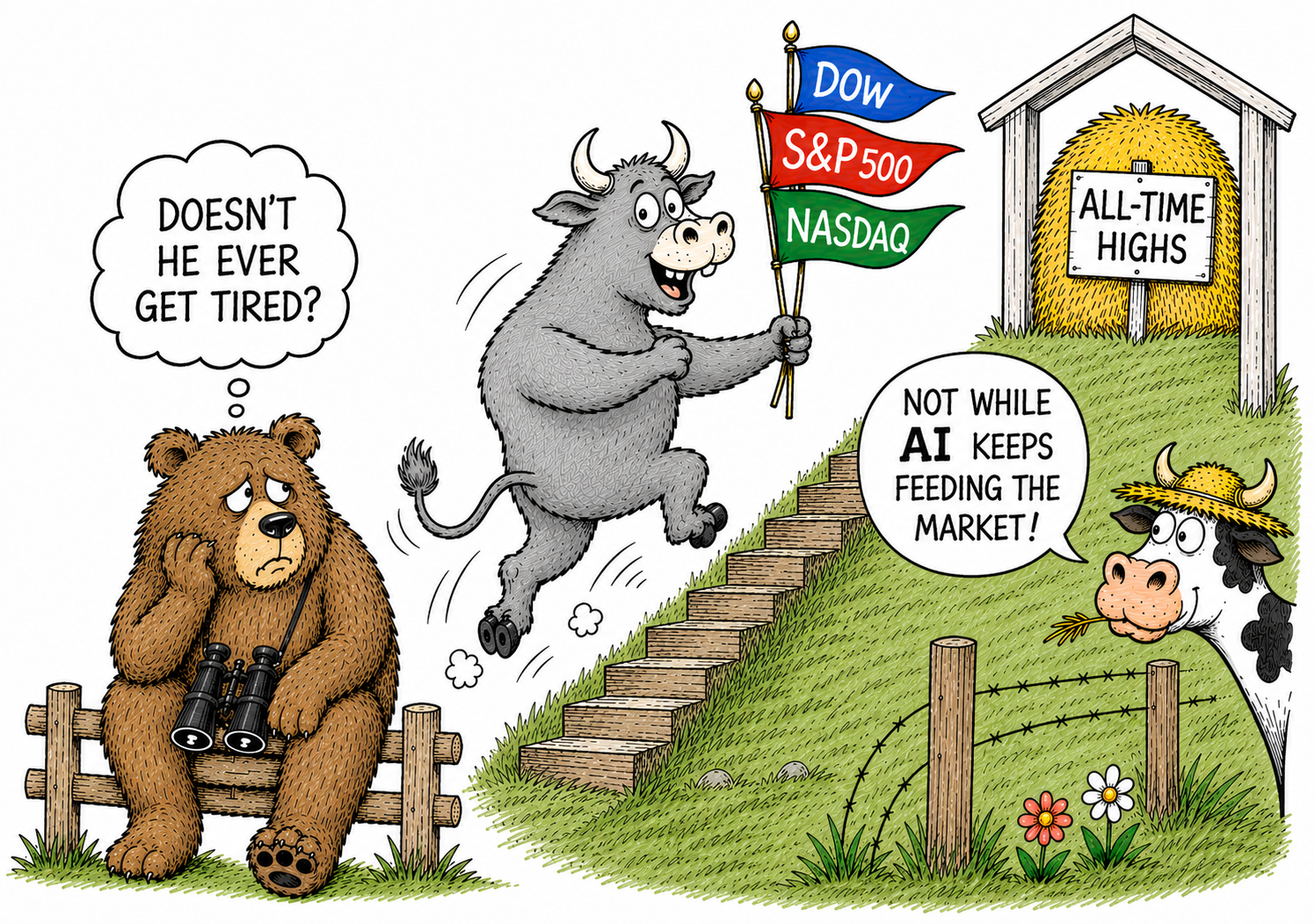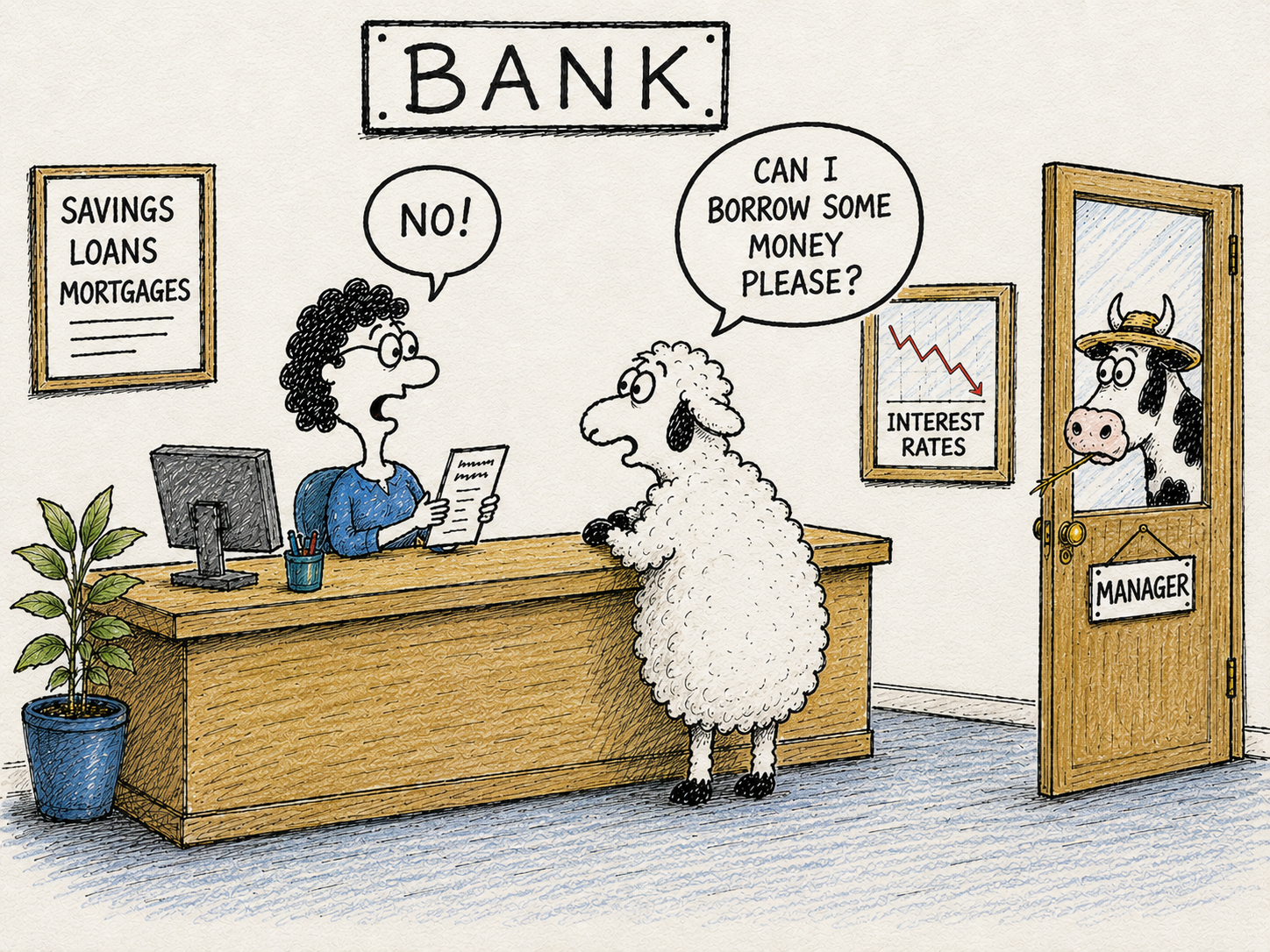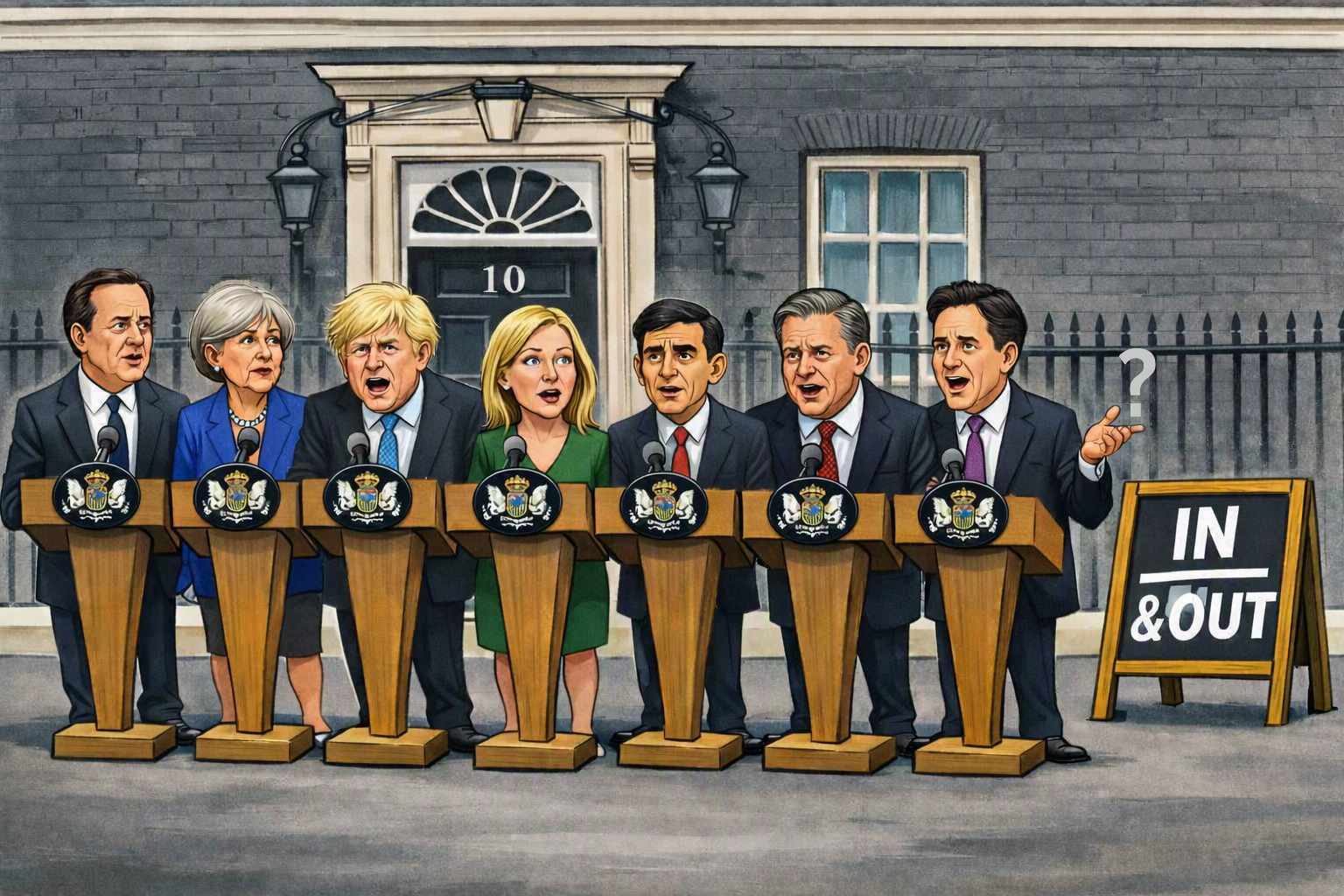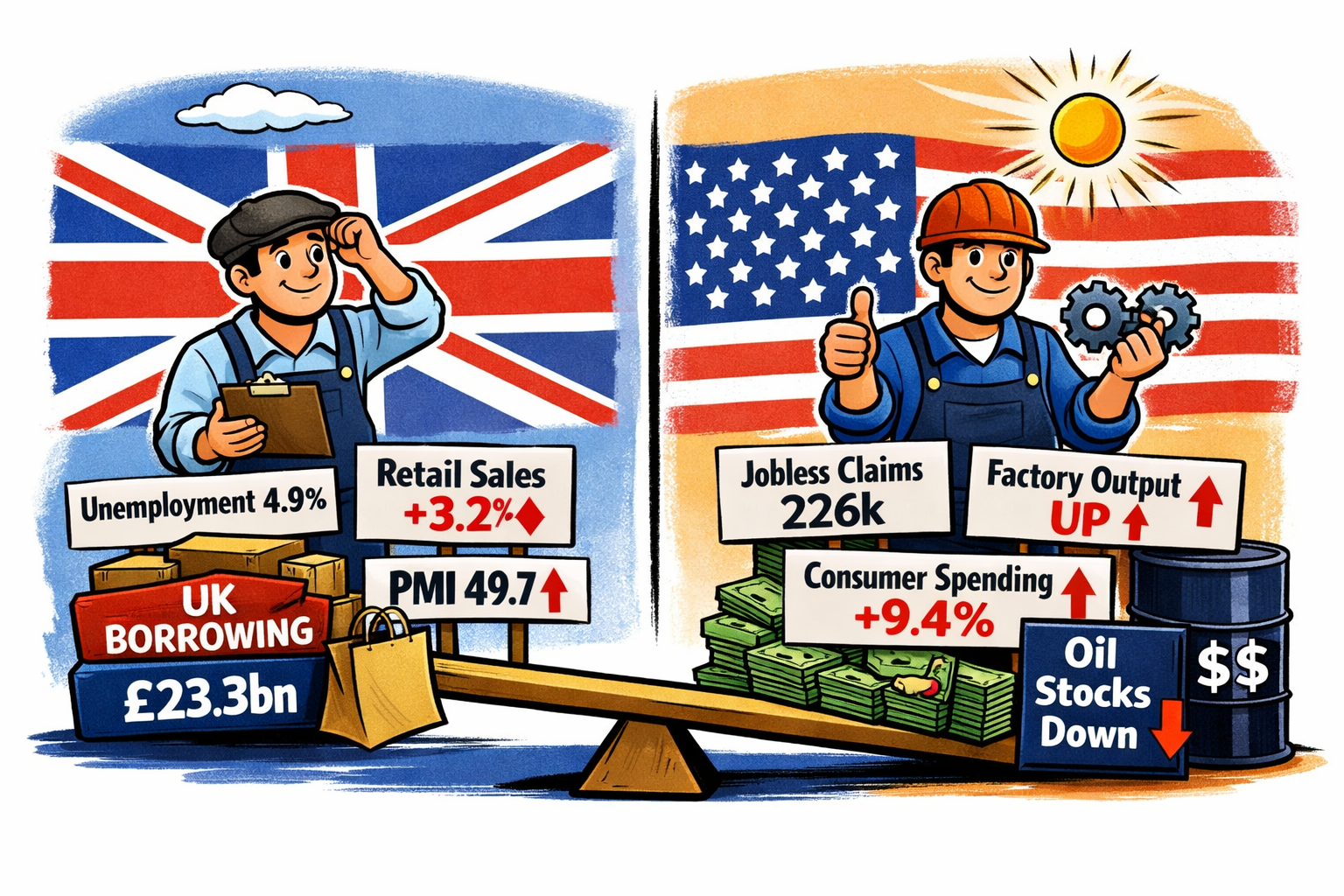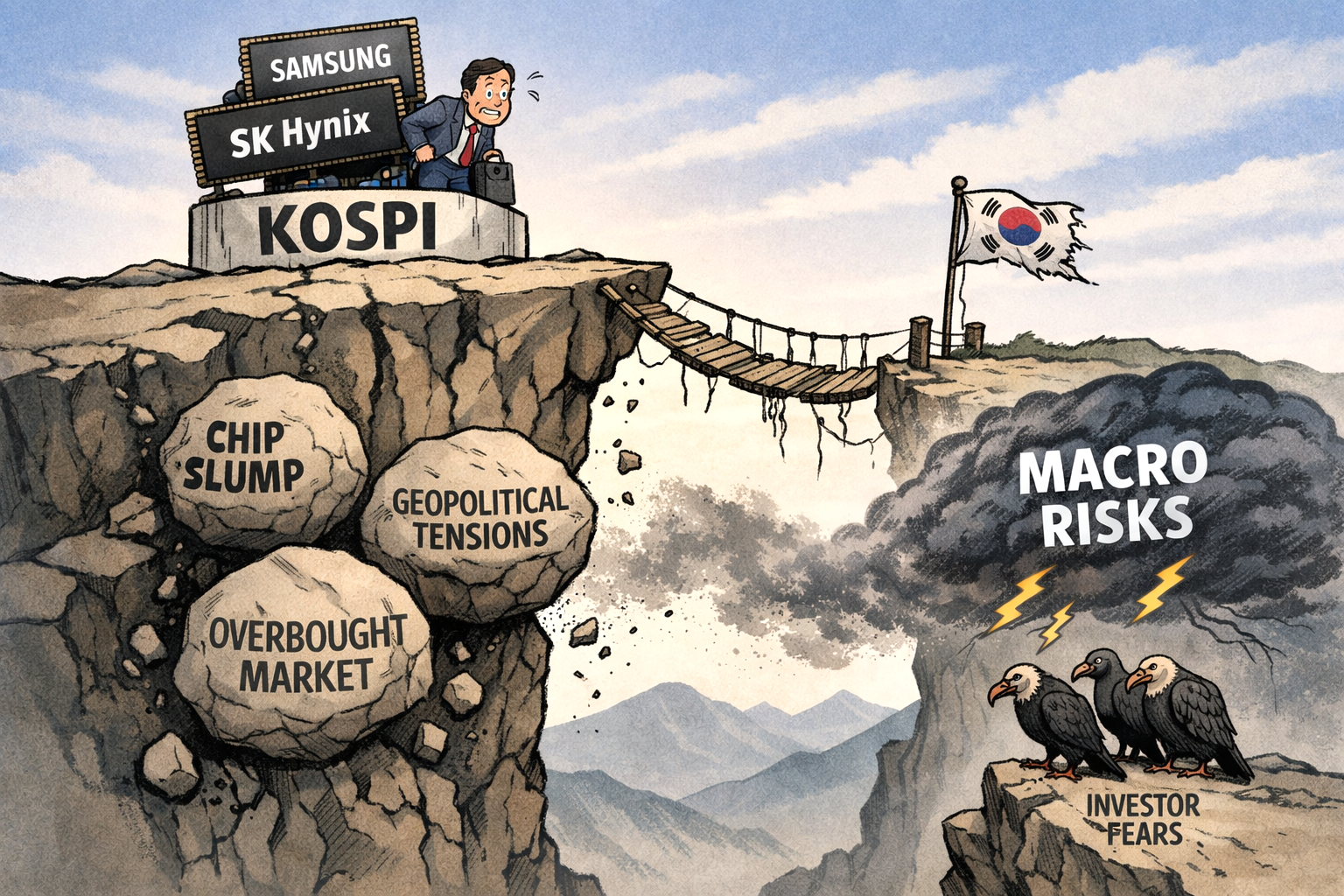

UK Chancellor Rachel Reeves’ £100 Billion Tax Haul: What Does Britain Have to Show for It?

UK Tax Haul - where has it gone?

The Treasury’s latest figures reveal that the UK government collected more than £100 billion in taxes in a single month — a staggering sum that ought to signal a nation investing confidently in its future.

Yet the public mood tells a different story. For many households and businesses, the question is simple: if the money is flowing in at record levels, why does so little feel improved?

High Tax = Stable Economy?

Chancellor Rachel Reeves has repeatedly argued that high tax receipts reflect a stabilising economy and the early impact of Labour’s ‘growth-first’ strategy.

(It could be argued that her first budget didn’t exactly help growth – remember higher employer N.I. changes)?

Income tax, corporation tax and VAT all contributed to the surge, boosted by wage inflation, fiscal drag, and stronger-than-expected corporate profits.

On paper, the numbers look impressive. In practice, the lived experience across the country is far less reassuring.

Public Services Stretched

Public services remain stretched to breaking point. NHS waiting lists have barely shifted, local councils warn of insolvency, and the school estate continues to creak under decades of underinvestment.

Commuters still face unreliable rail services, potholes remain a national embarrassment, and the promised acceleration of green infrastructure has yet to materialise in any visible way. For a government that insists it is rebuilding Britain, the early evidence is thin.

Reeves’ defenders argue that structural repair takes time. After years of fiscal instability, they say, the priority is stabilisation: paying down expensive debt, restoring credibility with markets, and creating the conditions for long-term investment.

More to Come

The UK Chancellor has also signalled that major spending commitments — particularly on housing, energy and industrial strategy — will ramp up later in the Parliament.

But this patience is wearing thin. Voters were promised renewal, not a holding pattern. When tax levels are at a post-war high, the public expects tangible returns: shorter hospital queues, safer streets, better transport, and a sense that the country is moving forward rather than treading water. Instead, many feel they are paying more for the same — or, in some cases, less.

The political risk for Reeves is clear. A £100 billion monthly tax take is a powerful headline, but it becomes a liability if people cannot see where the money is going.

Frustration?

Unless the government can convert revenue into visible progress — quickly and convincingly — the Chancellor may find that record receipts only fuel record frustration.

It’s a striking contradiction: a nation pulling in more than £100 billion in tax in a single month yet seeing almost none of the visible improvements such a windfall ought to deliver.

The reality is that much of this revenue is immediately swallowed by structural pressures — servicing an enormous debt pile, propping up struggling local authorities, covering inflation‑driven public‑sector pay settlements, and patching holes left by years of underinvestment.

What remains is too thinly spread to transform services that are already operating in crisis mode.

Slow Pace

High receipts don’t automatically translate into better outcomes when the state is effectively running just to stand still, and until the government can shift from firefighting to genuine renewal, even record‑breaking tax months will feel like money disappearing into a system that can no longer convert revenue into results.

First, it’s important to understand that a £100+ billion month (largely January, when self-assessment and corporation tax payments fall due) does not mean the government suddenly has £100 billion spare to spend. Most of it is absorbed by existing commitments.

Here’s broadly where UK tax revenue goes:

So, just how has the £100 billion tax haul likely been apportioned?

1. Health – The NHS

The National Health Service is the single largest area of public spending.
Funding covers:

  • Hospitals and GP services
  • Staff wages (doctors, nurses, support staff)
  • Medicines and equipment
  • Reducing waiting lists

Health alone consumes well over £180 billion annually.

2. Welfare & Pensions

The biggest slice of all is often social protection:

  • State pensions
  • Universal Credit
  • Disability benefits
  • Housing support

An ageing population means pension spending continues to rise.

3. Debt Interest

Servicing national debt is expensive.
With higher interest rates over the past two years, billions go purely on interest payments, not new services.

4. Education

Funding for:

  • Schools
  • Colleges
  • Universities
  • Early years provision

Teacher pay settlements and school building repairs are major costs.

5. Defence & Security

Including:

  • Armed forces
  • Intelligence services
  • Support for Ukraine
  • Nuclear deterrent maintenance

6. Transport & Infrastructure

Rail subsidies, road maintenance, major capital projects, and support during strikes or restructuring.

7. Local Government

Councils rely heavily on central funding for:

  • Social care
  • Waste collection
  • Housing services

So Why Doesn’t It Feel Like £100 Billion?

Because….

  • January is a seasonal spike, not a monthly average.
  • The UK still runs a large annual deficit.
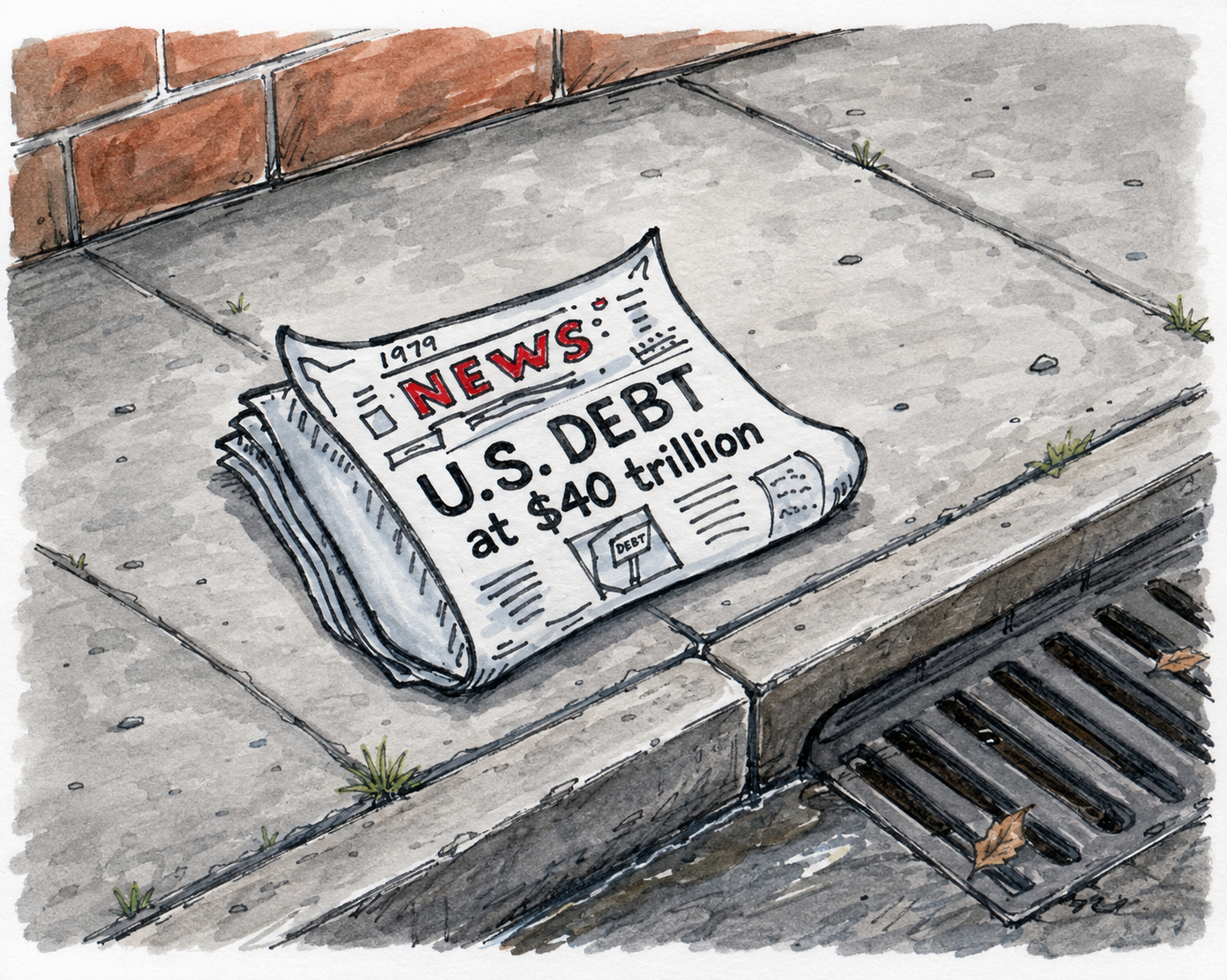
  • Public debt is above £2.6 trillion.
  • Much of the revenue replaces borrowing rather than funds new projects.

In short, the money hasn’t vanished — it is largely sustaining an already over stretched ‘FAT’ state, servicing debt, and maintaining core services rather than delivering visible ‘new’ benefits.

As of January 2026, the Office for National Statistics (ONS) reported that public sector net debt excluding public sector banks stood at £2.65 trillion, which is approximately 96.5% of GDP.

While January 2026 saw a record monthly surplus of £30.4 billion — driven by strong self-assessed tax receipts — the overall debt burden remains historically high.

This level of debt reflects years of accumulated borrowing, pandemic-era spending, inflation-linked interest payments, and structural deficits.

Even with strong tax intake, the scale of the debt means that progress on reducing it is slow and incremental.

U.S. Growth Slows Sharply as Q4 GDP at 1.4% – badly missed target

U.S. GDP 2025 Q4 at 1.4%

The United States economy lost momentum at the end of 2025, with fourth‑quarter GDP rising just 1.4%, a sharp deceleration from the 4.4% expansion recorded in the previous quarter.

The first estimate from the U.S. Bureau of Economic Analysis underscored a cooling backdrop that contrasts with the resilience seen through much of last year.

The slowdown was broad‑based. Government spending, which had previously provided a meaningful lift, swung lower.

Exports weakened

Exports also weakened, reflecting softer global demand and a less favourable trade environment.

Consumer spending — the backbone of the U.S. economy — continued to grow but at a more subdued pace, suggesting households are becoming more cautious as borrowing costs remain elevated. Although there has been some easing in U.S. mortgage rates.

Imports declined, which mechanically supports GDP, but the underlying signal points to softer domestic demand.

Analysts had expected a stronger finish to the year, with forecasts clustered closer to 2.5%.

The miss raises questions about the durability of U.S. growth heading into 2026, particularly as fiscal support fades and the effects of tighter monetary policy continue to filter through.

Q3 surge to Q4 slowdown

The contrast with the previous quarter is stark: Q3’s surge was driven by robust consumer activity, firmer government outlays, and a rebound in exports — dynamics that have since reversed.

Even so, the latest figures do not point to an imminent recession. Investment remains mixed rather than collapsing, and consumer spending is still contributing positively.

But the data does reportedly suggest the economy is entering a more fragile phase, where small shocks could have outsized effects.

For policymakers, the report complicates the Federal Reserve’s path. Inflation has eased but remains above target, and a softer growth profile may strengthen the case for rate cuts later in the year — though officials will want clearer evidence before shifting course.

Japan’s Inflation Slips Below 2% for the First Time in Nearly Four Years

Low inflation in Japan

Japan’s inflation rate has dipped below the Bank of Japan’s long‑standing 2% target for the first time in almost four years, marking a notable turning point in the country’s post‑pandemic price cycle.

Official figures show headline inflation easing to 1.5% in January, ending a 45‑month stretch above the central bank’s benchmark.

Slowdown

The slowdown reflects a broad cooling in cost pressures that had dominated the Japanese economy since 2022. Food inflation has eased to a 15‑month low, while transport, healthcare, and household goods have all seen slower price growth.

Energy costs remain negative, helped by government subsidies that continue to cushion households from global fuel volatility.

Core inflation — which strips out volatile fresh food prices — has also softened, slipping to 2.0%, its weakest pace in two years.

Analysts attribute much of the deceleration to base effects following last year’s sharp price increases, suggesting that underlying demand‑driven inflation remains relatively stable.

For the Bank of Japan, the latest figures present a delicate policy challenge. While inflation is finally within the target range, underlying price pressures have not disappeared entirely.

Rate increases?

Some economists argue the BOJ may still lean toward gradual rate increases, particularly as wage negotiations progress and the government pushes for sustained real income growth.

Others caution that tightening too soon could risk undermining Japan’s still‑fragile consumption recovery.

What is clear is that Japan has entered a new phase of its inflation story — one defined less by imported cost shocks and more by the question of whether domestic demand can carry the momentum forward.

UK inflation’s latest fall sharpens focus on Bank of England rate cuts

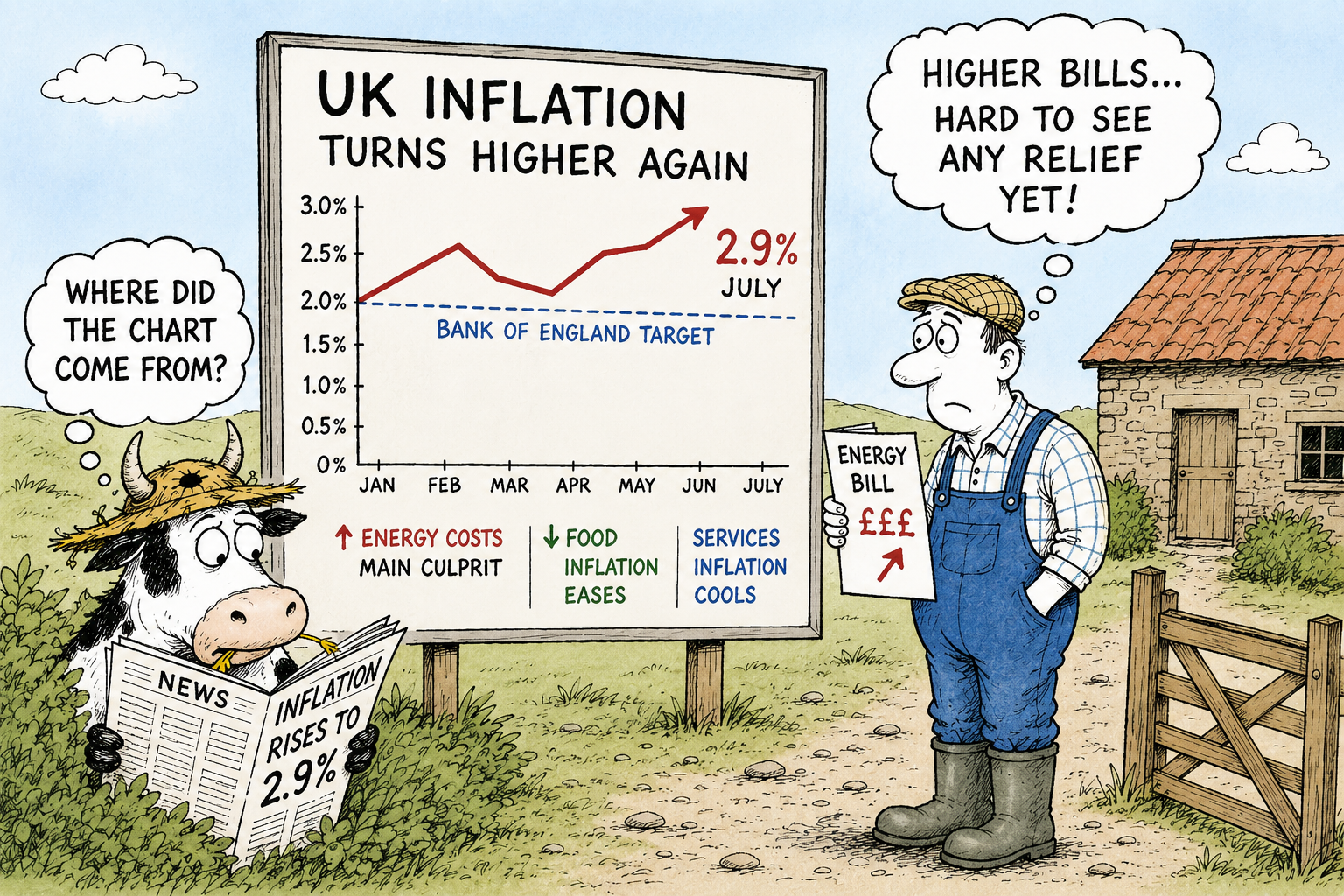
UK inflation at 3%

The UK’s inflation rate has dropped to 3%, its lowest level since March last year, renewing expectations that the Bank of England (BoE) may soon begin cutting interest rates.

The fall, recorded in January, marks a clear reversal from December’s unexpected uptick to 3.4% and reinforces the broader downward trend seen in late 2025.

Economists note that easing petrol, food, and airfare prices have been key contributors to the decline, helping inflation move closer to the government’s 2% target.

Bank of England easier decision

The BoE has held Bank Rate at 3.75% in recent meetings, emphasising the need for confidence that inflation will not only reach 2% but remain there sustainably.

However, with inflation now falling faster than previously forecast, policymakers appear to have greater room to consider loosening monetary policy later this spring.

The Bank itself has acknowledged that inflation is likely to return to target ‘a bit quicker than previously forecast’, suggesting scope for cuts if economic conditions evolve as expected.

Rate reduction likely in March or April 2026

Market analysts increasingly anticipate a rate reduction as early as March or April, particularly as wage growth cools and unemployment edges higher—factors that reduce domestic inflationary pressure.

For households and businesses, a cut would offer welcome relief after two years of elevated borrowing costs, potentially lowering mortgage rates and improving credit conditions.

While the BoE remains cautious, the latest inflation figures strengthen the case for a shift towards easing—signalling that the long, difficult climb down from the inflation peak may finally be nearing its conclusion.

As expected

Most economists and market analysts expected UK inflation to fall back to around 3% in the January release, down from 3.4% in December 2025.

UK inflation falls to 3%

This means the actual figure—3%—came in exactly in line with forecasts, rather than surprising to the downside or upside.

That alignment matters for the Bank of England because it reinforces the sense that inflation is easing broadly as expected, rather than stalling or re‑accelerating.

Employment data

Alongside falling inflation, the Bank of England is closely watching UK labour market data, which remains a key factor in its interest rate decisions.

Recent figures show wage growth is easing, with average earnings excluding bonuses rising at a slower pace—now below 6%—while job vacancies continue to decline.

This softening suggests that domestic inflationary pressure from pay settlements may be waning, giving the Bank more confidence that inflation can return to target sustainably.

However, unemployment remains low, and services inflation is still sticky, meaning policymakers are likely to weigh jobs data carefully before committing to rate cuts.

If wage growth continues to moderate and employment weakens further, the case for easing monetary policy will strengthen.

Office for National Statistics

UK ekes out lacklustre 0.1% growth in Q4 2025

UK lacklustre growth in Q4

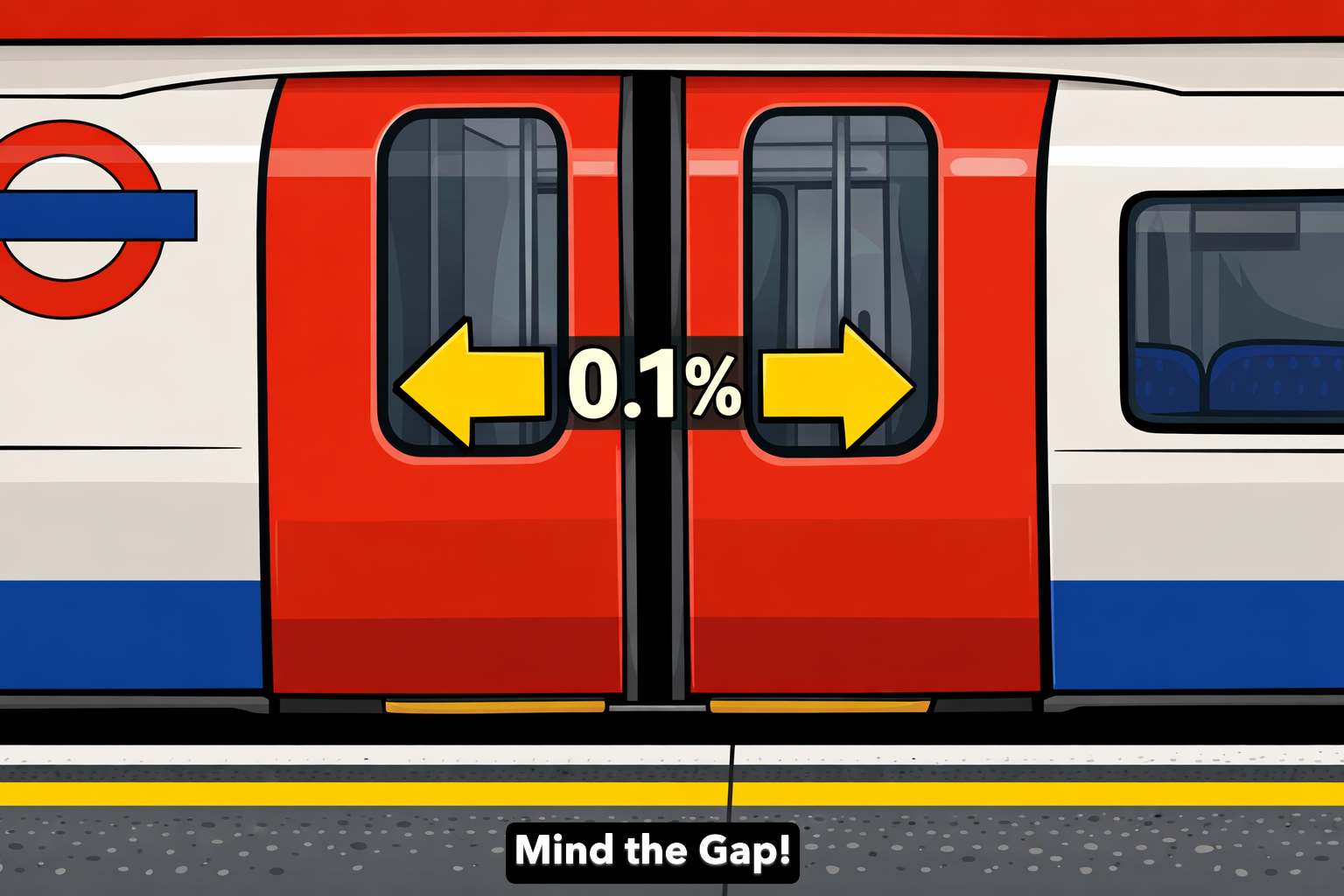
The UK economy managed to expand by just 0.1% in the final quarter of 2025, underscoring the fragility of Britain’s post‑pandemic recovery and reportedly falling short of economists’ expectations for a slightly stronger finish to the year.

Preliminary figures from the Office for National Statistics show a picture of uneven momentum, with manufacturing providing the only meaningful lift as the dominant services sector stalled entirely.

The Office for National Statistics (ONS) said the services sector showed no growth over the quarter – the first time this has happened in two years – with the main boost coming from manufacturing.

Meanwhile the construction sector registered its worst performance in four years, the ONS said.

Lacklustre growth for 2025

The UK economy is estimated to have grown by 1.3% for the whole of 2025, a slight uptick from 1.1% growth a year earlier, but lower than the 1.4% expected by the Bank of England.

Construction fared even worse, recording its weakest performance in more than four years, while monthly data for December 2025 revealed only a marginal 0.1% uptick.

Sterling was largely unmoved, reflecting markets’ view that the figures change little about the broader economic trajectory.

The Bank of England, which narrowly voted to hold interest rates at 3.75% earlier this month, now faces renewed pressure to begin easing policy in the spring.

Inflation remains stubborn, but analysts reportedly argue that a modest rate cut could help revive activity in the first half of 2026.

Despite the sluggish end to the year, the economy still grew 1.3% across 2025.

Economists remain cautiously optimistic that improving manufacturing output and early signs of renewed demand in services could support a gradual recovery through 2026.

Nikkei 225 Pushes to New Highs as Japan Enters a Fresh Market Phase

Nikkei at new high again!

Japan’s Nikkei 225 has surged to a series of record highs, signalling a decisive shift in investor sentiment as political clarity, a weak yen, and global tech momentum converge.

The index has climbed well beyond its previous peaks, driven by strong demand for semiconductor and AI‑linked stocks, alongside renewed confidence in Japan’s economic direction.

The index is hitting repeated all‑time highs

The Nikkei has surged to fresh record levels — closing around 57,650 and even touching 57,760 in early trade. This marks consecutive days of record closes.

In previous intraday trading the Nikkei 225 touched 58,500.

The driver: the ‘Takaichi trade’

Markets are reacting strongly to Prime Minister Sanae Takaichi’s landslide election victory, which has created expectations of:

Looser economic policy

Increased fiscal stimulus

A more stable political environment

Investors are effectively pricing in a pro‑growth agenda with fewer legislative obstacles.

Much of the rally reflects expectations of a more expansionary policy environment. Investors are likely betting that the government will prioritise growth, support corporate investment, and maintain a stable backdrop for reform.

This has amplified interest in heavyweight exporters and technology firms, which stand to benefit both from global demand and the yen’s prolonged softness.

Weaker Yen?

The currency’s slide towards multi‑decade lows has been a double‑edged force: while it boosts overseas earnings for major manufacturers, it also raises the prospect of intervention from policymakers keen to avoid excessive volatility.

For now, markets appear comfortable with the trade‑off, focusing instead on the competitive advantage it provides.

With global equity markets still heavily influenced by AI enthusiasm and shifting monetary expectations, Japan’s resurgence stands out.

The Nikkei’s latest ascent suggests investors are increasingly willing to treat Japan not as a defensive allocation, but as a genuine engine of growth in its own right.

The AI Boom and Its Disruptive Force – according to the IMF

AI job Impact

Artificial intelligence is no longer a distant technological shift but a present‑day force transforming global employment.

According to IMF Managing Director Kristalina Georgieva, AI represents a ‘tsunami’ hitting labour markets, with advanced economies facing the most dramatic upheaval.

The IMF estimates that around 60% of jobs in advanced economies will be enhanced, transformed, or eliminated by AI, compared with 40% globally.

This disruption is not evenly distributed. Entry‑level roles and routine tasks—often performed by younger workers—are among the first to be automated.

The IMF highlights that young workers and the middle class are likely to bear the brunt of the transition, as many of their roles are highly exposed to automation.

A Dual Reality: Risk and Opportunity

Despite the warnings, the IMF also notes that AI is creating new opportunities. Investment in AI‑driven technologies is contributing to economic resilience, with global growth projections supported in part by tech‑sector expansion.

However, the Fund cautions that this growth is fragile and could falter if expectations around AI’s productivity gains are reassessed.

At the same time, AI is reshaping the nature of work itself. New roles, new skills, and entirely new occupations are emerging, offering alternative pathways for workers willing to adapt.

The IMF stresses that upskilling and reskilling will be essential, as the ability to learn new competencies becomes a prerequisite for job security in an AI‑driven economy.

The Policy Challenge

Georgieva warns that regulation is lagging behind technological change. Without effective policy frameworks, the benefits of AI risk becoming unevenly distributed, deepening inequality and social tension.

The IMF’s message is clear: AI’s rise is unavoidable, but its impact on jobs depends on how societies prepare.

The challenge now is ensuring that workers are not swept away by the wave but equipped to ride it.

A Global Market Correction? Why Experts Say the Clock Is Ticking

Market correction is due soon

The sense of unease rippling through global markets has grown steadily louder, and now several veteran analysts reportedly argue that the rally of 2025 may be running out of steam.

Their warning is stark: the ‘historical clock is ticking’, and the conditions that typically precede a broad market correction are increasingly visible.

Throughout 2025, equities surged with remarkable momentum, fuelled by resilient corporate earnings, strong consumer spending, and a wave of optimism surrounding technological innovation.

Weakening

Yet beneath the surface, the foundations of this rally have begun to look less secure. Analysts reportedly highlighted that geopolitical risks are approaching an inflection point, creating a fragile backdrop in which even a modest shock could tip markets into correction territory.

One of the most pressing concerns is valuation. After a year of exceptional gains, many global indices now appear stretched relative to historical norms.

When markets price in near‑perfect conditions, they leave little margin for error. Any deterioration in earnings, policy stability, or global trade dynamics could prompt a swift reassessment of risk.

This is precisely the scenario experts fear as 2026 unfolds.

Geopolitics

Geopolitics adds another layer of complexity. Rising tensions across key regions, shifting alliances, and unpredictable policy decisions have created an environment where sentiment can turn rapidly.

Some strategists emphasise that these pressures are converging at a moment when markets are already vulnerable, increasing the likelihood of a meaningful pullback.

Technical indicators also point towards late‑cycle behaviour. Extended periods of low volatility, accelerating sector rotations, and narrowing market leadership are all hallmarks of a maturing bull run.

While none of these signals guarantee a correction, together they form a pattern that seasoned investors recognise from previous cycles.

Don’t panic?

Despite the warnings, experts are not advocating panic. Corrections, they argue, are a natural and even healthy part of market dynamics.

They reset valuations, curb excesses, and create opportunities for disciplined investors. The key is preparation: reassessing risk exposure, diversifying across sectors and geographies, and avoiding over‑concentration in the most speculative corners of the market.

As 2026 begins, the message from analysts is clear. The rally of 2025 was impressive, but it may also have been the calm before a necessary storm.

Whether the correction arrives swiftly or unfolds gradually, the prudent approach is to stay alert, stay balanced, and recognise that even the strongest markets cannot outrun history forever.

A healthy correction is overdue.

China’s enviable GDP figures for 2025?

China growth

China’s newly released growth figures paint a picture of an economy that is meeting official targets while wrestling with deep structural challenges.

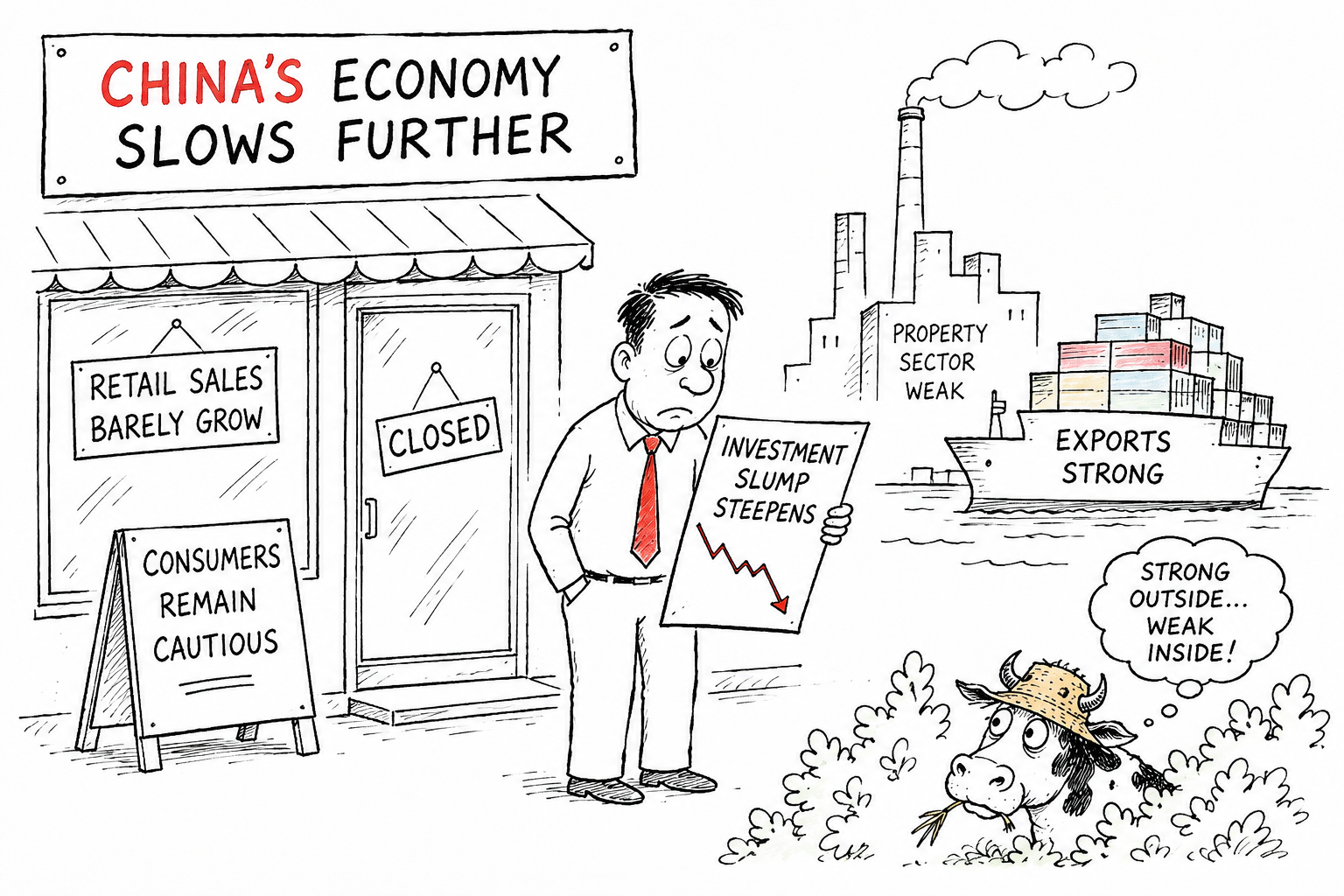
According to data published today by the National Bureau of Statistics, China’s GDP expanded by 5% in 2025, matching Beijing’s goal of ‘around 5%’. Yet the headline number masks a more uneven reality beneath the surface.

China’s growth slowed sharply in the final quarter, easing to 4.5%, the weakest pace since the country emerged from its post‑pandemic reopening phase. Still enviable growth figures by any country’s standard.

Analysts note that the year’s performance was propped up largely by a surge in exports, which delivered a record trade surplus despite ongoing U.S. tariffs and global protectionist pressures.

Domestic demand, however, remained subdued, with retail sales and investment both underperforming expectations.

Officials acknowledged the difficult backdrop, citing “strong supply and weak demand” as a persistent imbalance in the economy.

The property sector’s prolonged slump continues to weigh heavily on confidence, while demographic pressures intensified as China recorded its lowest birth rate on record and a fourth consecutive year of population decline.

Taken together, the figures may suggest that while China has succeeded in hitting its growth target, the underlying momentum remains fragile.

Why are stock markets utterly unfazed by escalating geopolitical tensions throughout our world?

Markets unfazed by geopolitical tensions

For decades, geopolitical flare‑ups reliably rattled global markets. A coup, a missile test, a diplomatic rupture, an oil embargo or even the capture of a ‘sovereign state leader’ — any of these could send indices tumbling.

Yet today, even as governments threaten military action, regimes collapse, and global alliances wobble, equity markets barely blink. The question is no longer why markets panic, but why they don’t.

So why?

Part of the answer lies in the way modern markets interpret risk. Investors have become highly selective about which geopolitical events they consider economically meaningful.

As prominent news outlets have recently reported, even dramatic developments — from the overthrow of Venezuela’s government to threats of force against Iran — have coincided with rising equity indices.

Markets are not ignoring the headlines; they are discounting their economic relevance.

This shift is reinforced by a decade of ultra‑loose monetary policy. When central banks repeatedly step in to cushion shocks, investors learn that sell‑offs are opportunities, not warnings.

The ‘central bank put’ has become a psychological anchor. Even when geopolitical tensions escalate, the expectation of policy support dampens volatility.

Another factor is the professionalisation and algorithmic nature of modern trading. Quant* models and automated strategies respond to data, not drama.

IMF research

Research from the IMF highlights that geopolitical risks are difficult to price because they are rare, ambiguous, and often short‑lived.

When the economic channel is unclear — no immediate disruption to trade, supply chains, or corporate earnings — models simply don’t react. Human traders, increasingly outnumbered, follow suit.

Desensitised

Markets have also become desensitised by repetition. The past decade has delivered a relentless stream of geopolitical shocks: trade wars, sanctions, cyberattacks, territorial disputes, and political upheavals.

Each time, markets dipped briefly and recovered quickly. This pattern has conditioned investors to assume resilience. As analysts note, markets move on expectations, not events themselves.

If the expected outcome is ‘contained’, the market response is muted.

Last point

Finally, global capital has become more concentrated in sectors insulated from geopolitical turbulence. Technology, healthcare, and consumer platforms dominate major indices.

Their earnings are less sensitive to regional conflict than the industrial and energy-heavy markets of previous eras.

None of this means geopolitics no longer matters. It means markets have raised the threshold for what counts as a genuine economic threat.

When that threshold is finally crossed — as history suggests it eventually will be — the complacency now embedded in asset prices may prove painfully expensive.

*Explainer – Quant

A quant model is essentially a mathematical engine built to understand, explain, or predict real‑world behaviour using numbers.

In finance, it’s the backbone of how analysts, traders, and risk teams turn messy market data into something structured, testable, and (ideally) predictive.

UK growth surprises at 0.3%

UK growth at 0.3% November 2025

The UK economy delivered a welcome surprise in November 2025, posting 0.3% growth and outpacing expectations.

The latest figures from the Office for National Statistics suggest that, despite a difficult autumn marked by weak sentiment and budget uncertainty, activity proved more resilient than many forecasters had assumed.

Jaguar Land Rover

A key driver of the rebound was the restart of manufacturing at Jaguar Land Rover, whose operations had been disrupted by a major cyberattack earlier in the year.

The phased return of production helped lift industrial output and provided a noticeable boost to overall GDP.

Services

Services — the backbone of the UK economy — also expanded by 0.3%, reversing October’s contraction and offering further evidence of stabilisation.

Although the three‑month growth figure remains a modest 0.1%, the monthly improvement has been widely interpreted as a sign that the economy may be edging away from stagnation.

Bank of England harder decision

Analysts note that the stronger‑than‑expected performance could ease some political pressure on the Treasury, even if it complicates the Bank of England’s path toward further interest‑rate cuts.

For now, November’s data provides a rare moment of optimism: a reminder that, despite persistent headwinds, the UK economy retains pockets of momentum that can still surprise on the upside.

Japan’s Nikkei 225 breaks historic barrier as it hits another new high!

Nikkei above 53,000

Japan’s Nikkei 225 index has surged to an unprecedented milestone, closing at 54341 on 14th January 2026.

This new record marks a defining moment for the world’s third‑largest economy. It signals a profound shift in how global investors view Japan’s prospects after decades of stagnation.

The latest rally has been fuelled by a combination of political momentum and renewed enthusiasm for Japan’s technology and industrial sectors.

Takaichi trade surge

Much of the current surge has been attributed to the so‑called Takaichi trade. Aawave of investor confidence linked to Prime Minister Sanae Takaichi’s popularity and the growing expectation of a snap election.

Markets often respond favourably to political clarity, and the possibility of a strengthened mandate for pro‑growth policies has added fresh energy to Japanese equities.

A weakening yen has also played a central role. With the currency recently touching its softest levels against the U.S. dollar since mid‑2024, exporters have enjoyed a competitive boost.

This currency tailwind, combined with robust global demand for semiconductors and advanced manufacturing, has helped propel the Nikkei beyond levels once considered unreachable.

50,000

The psychological significance of crossing the 50,000 mark only months ago has not been lost on analysts.

Many now argue that Japan is no longer merely a ‘value play’ but a genuine engine of global growth, supported by structural reforms, corporate governance improvements, and a renewed appetite for innovation.

While risks remain — from geopolitical tensions to the possibility of market overextension — the latest record suggests a market rediscovering its confidence.

Timeline Breakdown

It’s taken 36 years to get here

December 1989: The Nikkei 225 peaked at around 38,915, marking the height of Japan’s asset bubble.

1990s–2010s: The index entered a prolonged period of stagnation and decline, bottoming out below 8,000 in 2009.

December 2024: Closed at around 39,894, finally surpassing its 1989 peak.

October 2025: Broke through 50,000 for the first time in history.

December 2025: Closed the year at around 50,339 its highest year-end finish

When Markets Lean Too Heavily on High Flyers

The AI trade

The recent rebound in technology shares, led by Google’s surge in artificial intelligence optimism, offered a welcome lift to investors weary of recent market sluggishness.

Yet beneath the headlines lies a more troubling dynamic: the increasing reliance on a handful of mega‑capitalisation firms to sustain broader equity gains.

Breadth

Markets thrive on breadth. A healthy rally is one in which gains are distributed across sectors, signalling confidence in the wider economy. When only one or two companies shoulder the weight of investor sentiment, the picture becomes distorted.

Google’s AI announcements may well justify enthusiasm, but the fact that its performance alone can swing indices highlights a fragility in the current market structure.

This concentration risk is not new. In recent years, the so‑called ‘Magnificent Seven‘ technology giants have dominated returns, masking weakness in smaller firms and traditional industries.

While investors cheer the headline numbers, the underlying reality is that many sectors remain subdued. Manufacturing, retail, and even parts of the financial industry are not sharing equally in the rally.

Over Dependence

Over‑dependence on highflyers creates two problems. First, it exposes markets to sudden shocks: if sentiment turns against one of these giants, indices can tumble disproportionately.

Second, it discourages capital from flowing into diverse opportunities, stifling innovation outside the tech elite.

For long‑term stability, investors and policymakers alike should be wary of celebrating narrow gains. A resilient market requires participation from a broad base of companies, not just the fortunes of a few.

Google’s success in AI is impressive, but true economic strength will only be evident when growth spreads beyond the marquee names.

Until then, the market remains vulnerable, propped up by giants whose shoulders, however broad, cannot carry the entire economy indefinitely.

The ‘cold’ race heats up!

The cold rush!

The Arctic is rapidly becoming the new frontier in the global scramble for critical minerals, with nations vying for influence and resources that could shape the future of energy and technology.

The Arctic, long viewed as a remote and inhospitable region, is now at the centre of a geopolitical and economic contest.

Beneath its icy landscapes lie vast reserves of rare earths, base metals, uranium, and precious minerals, all essential for renewable energy technologies, electric vehicles, and advanced defence systems.

As the world accelerates its transition away from fossil fuels, these resources are increasingly seen as strategic assets.

Countries including the United States, Canada, Russia, and Greenland are intensifying exploration and investment. Greenland, in particular, has emerged as a focal point, with experts noting its abundance of rare earths and uranium.

Canada’s northern territories are also being positioned as key suppliers, with government-backed initiatives to strengthen supply chains and reduce reliance on Chinese dominance in the sector.

Control

The race is not solely about economics. Control of Arctic resources carries profound geopolitical weight. As melting ice opens new shipping routes and makes extraction more feasible, competition is sharpening.

Russia has already expanded its Arctic infrastructure, while Western nations are seeking partnerships and technological innovations to ensure sustainable development.

The Oxford Institute for Energy Studies has highlighted that the Arctic could become a significant contributor to the global energy transition, though environmental risks remain a pressing concern.

Fragile

Critics warn that the pursuit of minerals in such fragile ecosystems could have devastating consequences. Mining operations threaten biodiversity, indigenous communities, and the delicate balance of Arctic environments.

Balancing economic opportunity with ecological responsibility will be one of the defining challenges of this new ‘cold gold rush’.

Ultimately, the Arctic’s mineral wealth represents both promise and peril. If managed responsibly, it could underpin the technologies needed to combat climate change and secure energy independence.

If exploited recklessly, it risks becoming another chapter in humanity’s history of resource-driven conflict and environmental degradation.

The ‘cold race’ is heating up!

The UK economy grew by just 0.1% in the third quarter of 2025, a figure that casts a shadow over the government’s upcoming Autumn Budget

UK Growth

The Office for National Statistics confirmed that GDP expanded by a mere 0.1% between July and September 2025, down from 0.3% in the previous quarter and below economists’ low expectations of 0.2%.

This ‘painstakingly low and feeble growth’ reflects weak consumer demand, faltering production, and persistent inflationary pressures.

For Chancellor Rachel Reeves, who will deliver her Budget on 26th November 2025, the numbers present a difficult backdrop. With unemployment edging higher and household finances under strain, calls for fiscal support are intensifying.

Yet speculation continues that Reeves will likely opt for tax rises to shore up public finances, a move that risks dampening already fragile growth.

The Bank of England may provide some relief if it cuts interest rates at its final meeting of the year, but monetary easing alone cannot offset structural weaknesses.

Business investment remains subdued, and September’s 2% drop in manufacturing output highlights the challenges facing industry. The JLR debacle didn’t help.

The Budget will therefore be a balancing act: stimulating growth without undermining fiscal credibility.

Today’s figures underline the urgency of that task.

Note:

Rachel Reeves’ 2024 Autumn Budget aimed to lay the groundwork for long-term growth, but it was not widely seen as a ‘growth budget’.

Many business leaders and analysts criticised it for dampening entrepreneurial momentum.

Reeves framed her first Budget as a reset for economic stability, following Labour’s July 2024 election win.

And here we are one year on from 2024 budget with virtually ZERO growth.

So, where now?

The U.S. Federal Reserve has cut interest rates by 0.25%, lowering the federal funds rate to a range of 3.75%–4.00%

U.S. interest rate cut October 2025

This marks the second consecutive cut in 2025 amid economic uncertainty and a government data blackout.

In a move aimed at supporting growth, the Federal Reserve reduced its benchmark interest rate by 0.25% following its October policy meeting.

The decision, reportedly backed by a 10–2 vote from the Federal Open Market Committee, reflects growing concern over a weakening labour market and subdued consumer confidence.

Chair Jerome Powell acknowledged the challenges posed by the ongoing U.S. government shutdown, which has delayed key economic reports.

With official data frozen, the Fed relied on private indicators showing a slowdown in hiring and modest inflation. The Consumer Price Index rose just 3% year-on-year, below the Fed’s long-term target.

While the rate cut aims to ease borrowing costs and stimulate investment, Powell cautioned against assuming further reductions in December.

He emphasised that future decisions would depend on incoming data and evolving risks. It is not a done deal.

The Fed also announced plans to end quantitative tightening (QT) by 1st December 2025, signalling a broader shift towards monetary easing.

Markets responded cautiously, with investors weighing the implications for growth, inflation, and the Fed’s credibility.

Markets, after a short rally during the week, were subdued after the announcement.

AI is still the bull run driver

Amazon’s AI Pivot Triggers Historic Layoffs Amid AI Productivity Drive

Amazon cutting workers to introduce more AI

Amazon has reportedly announced its largest corporate restructuring to date, with plans to lay off up to 30,000 white-collar employees.

This represents nearly 10% of its global office workforce—as it accelerates its transition toward artificial intelligence and automation-led operations.

The move, confirmed on 28th October 2025, marks a dramatic shift in the tech giant’s internal priorities.

CEO Andy Jassy has framed the layoffs as part of a broader effort to streamline management. The company appears to want to eliminate bureaucratic inefficiencies and reallocate resources toward AI infrastructure.

‘We will need fewer people doing some of the jobs that are being done today, and more people doing other types of jobs’, Jassy is reported as saying.

Affected departments span human resources, logistics, customer service, and Amazon Web Services (AWS). Many roles are deemed redundant due to AI integration.

Heavy investment

The company has been investing heavily in machine learning systems. These are capable of handling tasks ranging from inventory forecasting to customer support. This approach has prompted the reevaluation of traditional staffing models.

While Amazon employs over 1.5 million people globally, the layoffs target its 350,000 corporate staff, signalling a significant recalibration of its white-collar operations.

It was reported that the job cuts were delivered via email, underscoring the impersonal nature of the transition.

The timing of the announcement—just ahead of the holiday season—has raised eyebrows across the industry.

Analysts suggest Amazon is betting on AI to offset seasonal labour demands and long-term cost pressures. However, this risks reputational fallout and internal morale issues.

Structural challenges

Critics argue that the scale of the layoffs reflects deeper structural challenges, including overhiring during the pandemic and a growing reliance on technology to solve human-centred problems.

Others see it as a bellwether for the wider tech sector, where AI is increasingly viewed as both a productivity boon and a disruptive force.

As Amazon reshapes its workforce for an AI-driven future, questions remain about the social and ethical implications of such rapid automation.

For now, the company appears resolute: leaner, faster, and more algorithmically efficient—even if it means leaving tens of thousands behind in the process.

But, AI is also creating job opportunities in other areas.

China’s Industrial Profits Surge 21.6% in September 2025, Marking Strongest Growth in Nearly Two Years

Industrial profit surge in China September 2025

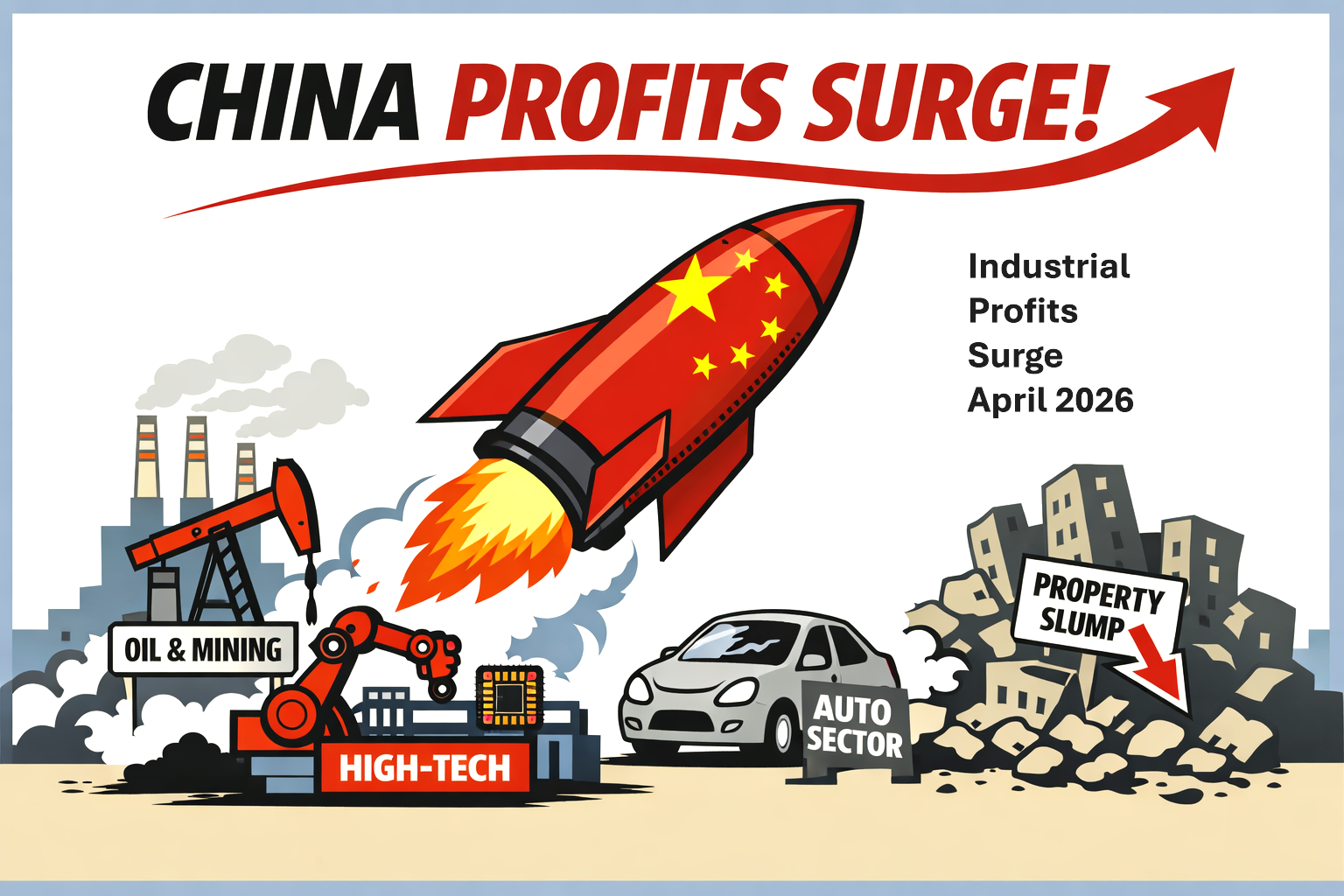
China’s industrial sector roared back to life in September, posting a 21.6% year-on-year increase in profits— reportedly the sharpest monthly gain in approximately two years.

The rebound offers a glimmer of optimism for the world’s second-largest economy, which has been grappling with sluggish domestic demand and a challenging global trade environment.

According to data released by China’s National Bureau of Statistics, the profit growth was broad-based, reportedly with 30 out of 41 major industrial sectors returning gains.

Key areas

Key contributors included the equipment manufacturing and automotive industries, both of which benefited from policy support and a modest uptick in consumer sentiment.

Analysts reportedly suggest the surge reflects a combination of easing input costs, improved factory output, and a low base effect from the previous year.

However, they caution that the momentum may not be sustainable without deeper structural reforms and stronger domestic consumption.

The September figures follow a 17.2% rise in August, indicating a tentative recovery trend after months of contraction earlier in the year.

Up but down

Still, cumulative profits for the first nine months of 2025 reportedly remain down 9% compared to the same period last year, underscoring the uneven nature of the recovery.

Beijing has recently stepped up efforts to stabilise the economy, including targeted fiscal stimulus and measures to support private enterprise.

Whether these gains can be sustained into the final quarter remains to be seen, but for now, September’s data offers a rare bright spot in an otherwise subdued industrial landscape.

U.S. Inflation Slows Slightly in September, Easing Pressure on Fed

U.S. Inflation data

The latest U.S. inflation figures show a modest increase in consumer prices. The annual rate rose to 3.0% in September 2025, up from 2.9% in August. 2025.

According to the U.S. Bureau of Labor Statistics, the Consumer Price Index (CPI) increased by 0.3% month-on-month, slightly below economists’ expectations.

Core inflation—which excludes volatile food and energy prices—also rose by 0.2% in September. This brought the year-on-year rate to 3.0%, again undercutting forecasts of 3.1%.

A notable contributor to the headline figure was a 4.1% surge in petrol prices. This offset declines in other areas such as used vehicles and household furnishings.

Federal Reserve

The data arrives just ahead of the Federal Reserve’s next policy meeting, where a 0.5% rate cut is widely anticipated. Softer inflation readings have buoyed market sentiment, with futures posting gains on hopes of looser monetary policy.

Despite a partial government shutdown, the inflation report was released on schedule, underscoring its significance for financial markets and policymakers.

With inflation now hovering near the Fed’s target, attention turns to wage growth and consumer spending as key indicators of future price stability.

The next CPI update is due mid-November.

This CPI news added to the possibility of a Fed rate cut in conjunction to the possibility of a U.S. China ‘tariff trade’ deal and relaxation of Rare Earth material sales pushed markets to new all-time highs!

Why the U.S. Has Bailed Out Argentina: A $20 Billion Gamble with Global Implications

Argentina bailed out by the U.S.

In a move that has stunned economists and ignited political debate, the United States has extended a $20 billion bailout to Argentina—a country long plagued by inflation, debt crises, and political volatility.

The lifeline, structured as a currency swap between the U.S. Treasury and Argentina’s central bank, aims to stabilise the peso and prevent a broader emerging market meltdown.

At the heart of the bailout is President Javier Milei, Argentina’s libertarian leader and a vocal ally of U.S. President Donald Trump.

Milei’s radical economic reforms—slashing public spending, deregulating markets, and firing thousands of civil servants—have earned praise from American conservatives but rattled domestic confidence.

Following a bruising electoral defeat last month, Argentina’s currency nosedived, prompting fears of default and capital flight.

Pre-emptive?

The U.S. Treasury, led by Secretary Scott Bessent, argues the bailout is a pre-emptive strike against contagion.

While Argentina poses little systemic risk on its own, its collapse could trigger panic across Latin American debt markets and commodity exchanges.

The swap provides Argentina with desperately needed dollar liquidity, while the U.S. hopes to anchor regional stability and protect its own financial interests.

Critics, however, accuse the Trump administration of prioritising political loyalty over economic prudence.

With the U.S. government itself mired in a shutdown and domestic industries reeling from trade tensions, the optics of rescuing a foreign ally are fraught. Democratic lawmakers have introduced bills to block the bailout, calling it “inexplicable” and “reckless”.

Whether this intervention proves a masterstroke of diplomacy or a costly miscalculation remains to be seen. For now, Argentina has bought time—and Washington has bet big on Milei’s vision of libertarian revival.

UK economy grew slightly in August – very slightly – tax increases are coming

UK Economy

The UK economy recorded modest growth in August 2025, expanding by 0.1% according to the Office for National Statistics (ONS).

This slight gain follows a revised contraction of 0.1% in July 2025, underscoring the fragile nature of the recovery as the government prepares for next month’s Budget.

Manufacturing led the charge, growing by 0.7%, while services held steady. However, consumer-facing sectors and wholesale trade continued to drag, reflecting persistent cost pressures and subdued household confidence.

Over the three-month period to August 2025, the economy grew by 0.3%, offering a glimmer of resilience despite broader concerns.

Chancellor Rachel Reeves faces mounting pressure to address a projected £22bn shortfall. It always appears to be a £20-22 billion hole – it must be a ‘magical’ figure.

She has signalled potential tax and spending adjustments to ensure fiscal sustainability, though uncertainty around these measures may dampen business and consumer sentiment in the near term.

Some economists have warned that slowing wage growth and elevated living costs are likely to constrain household spending, with sluggish growth expected to persist.

Meanwhile, the IMF forecasts the UK to be the second-fastest-growing G7 economy this year, albeit with the highest inflation rate.

As Budget Day looms, the government’s challenge remains clear: stimulate growth without deepening the cost-of-living strain.

Tax increases are coming, despite government manifesto promises to the contrary.

Markets on a Hair Trigger: Trump’s Tariff Whiplash and the AI Bubble That Won’t Pop

Markets move as Trump tweets

U.S. stock markets are behaving like a mood ring in a thunderstorm—volatile, reactive, and oddly sentimental.

One moment, President Trump threatens a ‘massive increase’ in tariffs on Chinese imports, and nearly $2 trillion in market value evaporates.

The next, he posts that: ‘all will be fine‘, and futures rebound overnight. It’s not just policy—it’s theatre, and Wall Street is watching every act with bated breath.

This hypersensitivity isn’t new, but it’s been amplified by the precarious state of global trade and the towering expectations placed on artificial intelligence.

Trump’s recent comments about China’s rare earth export controls triggered a sell-off that saw the Nasdaq drop 3.6% and the S&P 500 fall 2.7%—the worst single-day performance since April.

Tech stocks, especially those reliant on semiconductors and AI infrastructure, were hit hardest. Nvidia alone lost nearly 5%.

Why so fickle? Because the market’s current rally is built on a foundation of hope and hype. AI has been the engine driving valuations to record highs, with companies like OpenAI and Anthropic reaching eye-watering valuations despite uncertain profitability.

The IMF and Bank of England have both warned that we may be in stage three of a classic bubble cycle6. Circular investment deals—where AI startups use funding to buy chips from their investors—have raised eyebrows and comparisons to the dot-com era.

Yet, the bubble hasn’t burst. Not yet. The ‘Buffett Indicator‘ sits at a historic 220%, and the S&P 500 trades at 188% of U.S. GDP. These are not numbers grounded in sober fundamentals—they’re fuelled by speculative fervour and a fear of missing out (FOMO).

But unlike the dot-com crash, today’s AI surge is backed by real infrastructure: data centres, chip fabrication, and enterprise adoption. Whether that’s enough to justify the valuations remains to be seen.

In the meantime, markets remain twitchy. Trump’s tariff threats are more than political posturing—they’re economic tremors that ripple through supply chains and investor sentiment.

And with AI valuations stretched to breaking point, even a modest correction could trigger a cascade.

So yes, the market is fickle. But it’s not irrational—it’s just balancing on a knife’s edge between technological optimism and geopolitical anxiety.

One tweet can tip the scales.

Fickle!

Bulls and Bubbles: The stock market euphoria

Bubbles and Bulls

In the world of stock markets, few phenomena are as captivating—or as perilous—as bull runs and speculative bubbles.

Though often conflated, these two forces represent distinct psychological and financial dynamics that shape investor behaviour and market outcomes.

Bull Markets: Confidence with Momentum

A bull market is defined by sustained price increases across major indices. Typically driven by strong economic fundamentals, corporate earnings growth, and investor optimism.

In the U.S., iconic bull runs include the post-World War II expansion. The 1980s Reagan-era boom, and the tech-fuelled rally of the 2010s. The Dot-Com bull run, and subsequesnt crash is probably the most famous.

Bull markets feed on confidence: low interest rates, rising employment, and technological innovation often act as catalysts. Investors pile in, believing the upward trajectory will continue—sometimes for years.

But even bulls can lose their footing. When valuations stretch beyond reasonable earnings expectations, the line between bullish enthusiasm and irrational exuberance begins to blur.

Bubbles: Euphoria Untethered from Reality

A bubble occurs when asset prices inflate far beyond their intrinsic value. This is fuelled not by fundamentals but by speculation and herd mentality.

The dot-com bubble of the late 1990s is a textbook example. Companies with no profits—or even products—saw their valuations soar simply for having ‘.com’ in their name.

Similarly, the U.S. housing bubble of the mid-2000s was driven by easy credit and the belief that property prices could only go up.

Bubbles often follow a predictable arc: stealth accumulation, media attention, public enthusiasm, and finally, a euphoric peak.

When reality sets in—be it through disappointing earnings, regulatory shifts, or macroeconomic shocks—the bubble bursts! Leaving behind financial wreckage and a trail of disillusioned investors.

Spotting the Difference

While bull markets can be healthy and sustainable, bubbles are inherently unstable. The key distinction lies in valuation discipline.

Bulls are supported by earnings and growth; bubbles are driven by hype and fear of missing out (FOMO).

Tools like the cyclically adjusted price-to-earnings (CAPE) ratio and historical trend analysis can help investors discern whether they’re riding a bull or inflating a bubble.

📉 The Aftermath and Opportunity Ironically, the collapse of a bubble often sows the seeds for the next bull market. As excesses are purged and valuations reset, long-term investors find opportunities in the rubble.

The challenge lies in resisting the emotional extremes—greed during the rise, panic during the fall—and maintaining a clear-eyed view of value.

In markets, as in life, not every rise is rational, and not every fall is fatal

As of October 2025, many analysts argue that the U.S. stock market is exhibiting classic signs of a bubble. Valuations stretched across major indices and speculative behaviour intensifying—particularly in mega-cap tech stocks and passive index funds.

The S&P 500 recently hit record highs despite a backdrop of political gridlock and a government shutdown. This suggests a disconnect between price momentum and underlying economic risks.

Indicators like Market Cap to Gross Value Added (GVA) and excessive investor sentiment point to a speculative mania. Some experts are calling it the largest asset bubble in U.S. history.

While a full-blown crash hasn’t materialised yet, the market’s frothy conditions and historical October volatility have many bracing for a potential correction.

Nikkei surges past 48,000 as Japan embraces political shift

Nikkei index surges to record high!

Japan’s benchmark Nikkei 225 index soared past the symbolic 48,000 mark on Monday 6th October 2025 in intraday trading, marking a new all-time high and underscoring investor confidence in the country’s shifting political landscape.

The index closed at 47944.76, up approximately 4.15% from Friday’s session, driven by a wave of optimism surrounding the Liberal Democratic Party’s leadership transition.

Nikkei 225 smashes to new record high October 6th 2025

Sanae Takaichi, a staunch conservative with deep ties to former Prime Minister Shinzo Abe, has emerged as the frontrunner to lead the party—and potentially become Japan’s first female prime minister.

Her pro-growth stance, admiration for Margaret Thatcher, and commitment to industrial revitalisation have sparked hopes of continued economic liberalisation.

The yen weakened boosting export-heavy sectors such as automotive and electronics. Toyota and Sony led the charge, with gains of 5.1% and 4.8% respectively.

Analysts also pointed to easing U.S. bond yields and a rebound on Wall Street as contributing factors.

While the rally reflects renewed market enthusiasm, it also raises questions about Japan’s long-term structural challenges—from demographic decline to mounting public debt.

For now, however, the Nikkei’s ascent offers a potent symbol of investor faith in Japan’s evolving political and economic narrative.

Is the resilient stock market keeping the U.S. economy out of a recession and if so – is that a bad thing?

U.S. recession looming?

The Resilient Stock Market: A Double-Edged Shield Against Recession

In a year marked by political volatility, Trumps tariff war, soft labour data, and persistent inflation anxieties, one pillar of the economy has stood tall: the stock market.

Defying expectations, major indices like the Nasdaq, Dow Jones and S&P 500 have surged, buoyed by AI-driven optimism and industrial strength. This resilience has helped stave off a technical recession—but not without raising deeper concerns about economic fragility and inequality.

At the heart of this phenomenon lies the ‘wealth effect’. As equity portfolios swell, high-net-worth households feel richer and spend more freely.

This consumer activity props up GDP figures and masks underlying weaknesses in wage growth, job creation, and productivity.

August’s economic data showed surprising strength in consumer spending and housing, despite lacklustre employment figures and fading stimulus support.

But here’s the rub: this buoyancy is not broadly shared. According to the University of Michigan’s sentiment index, confidence has declined sharply since January, especially among those without significant stock holdings.

Balance

The U.S. economy, in effect, is being held aloft by a narrow slice of the population—those with the means to benefit from rising asset prices. For everyone else, the recovery feels distant, even illusory.

This divergence creates a dangerous illusion of stability. Policymakers may hesitate to intervene—whether through fiscal support or monetary easing—because headline indicators look healthy. Yet beneath the surface, vulnerabilities abound.

If the market were to correct sharply, the spending it fuels could evaporate overnight, exposing the economy’s dependence on asset inflation.

Moreover, the market’s resilience may be distorting capital allocation. Companies flush with investor cash are prioritising stock buybacks and speculative ventures over wage growth or long-term investment. This can exacerbate inequality and erode the foundations of sustainable growth.

In short, while the stock market’s strength has delayed a recession, it has also deepened the disconnect between Wall Street and Main Street.

The danger lies not in the market’s success, but in mistaking it for economic health. A resilient market may be a shield—but it’s not a cure. And if that shield cracks, the consequences could be swift and severe.

The challenge now is to look beyond the indices and ask harder questions: Who is benefitting? What are we neglecting?

And how do we build an economy that’s resilient not just in numbers, but in substance, regardless of nation.

Bleak news from U.S. doesn’t seem that bad for stocks – what’s going on?

Bleak Headlines vs. Market Optimism

It’s one of those classic Wall Street paradoxes—where bad news somehow fuels bullish momentum. What’s going on?

News round-up

S&P 500 closes above 6,700 after rising 0.34%. Samsung and SK Hynix join OpenAI’s Stargate. Taiwan rejects U.S. proposal to split chip production. Trump-linked crypto firm plans expansion. Some stocks that doubled in the third quarter.

Bleak Headlines vs. Market Optimism

U.S. Government Shutdown: The federal government ground to a halt, but markets didn’t flinch. In fact, the S&P 500 rose 0.34% and closed above 6,700 for the first time.

ADP Jobs Miss: Private payrolls fell by 32,000 in September 2025, a sharp miss – at least compared to the expected 45,000 gain. Yet traders shrugged it off as other bad news is shrugged off too!

Fed Rate Cut Hopes: Weak data often fuels expectations that the Federal Reserve will cut interest rates. Traders are now betting on a possible cut in October 2025, which tends to boost equities.

Historical Pattern: According to Bank of America, the S&P 500 typically rises ~1% in the week before and after a government shutdown. So, this isn’t unprecedented—it’s almost ritualistic at this point.

Why the Market’s Mood Diverges

Animal Spirits: Investors often trade on sentiment and positioning, not just fundamentals. If they believe the Fed will ease policy, they’ll buy risk assets—even in the face of grim news.

Data Gaps: With the Bureau of Labor Statistics’ official jobs report delayed due to the shutdown, the ADP report gains more weight. But it’s historically less reliable, so traders may discount it.

Tech Tailwinds: AI stocks and semiconductor news (e.g., Samsung and SK Hynix joining OpenAI’s Stargate) are buoying sentiment, especially in Asia-Pacific markets.

U.S. Government Shutdown October 2025

Prediction

Traders in prediction markets are betting the shutdown will last around two weeks. Nothing too radical, since that’s the average length it takes for the government to reopen, based on data going back to 1990.

The government stoppage isn’t putting the brakes on the stock market momentum. Are investors getting too adventurous?

History shows the pattern is not new. The S&P 500 has risen an average of 1% the week before and after a shutdown, according to data from BofA.

Even the ADP jobs report, which missed expectations by a wide margin, did little to subdue the animal spirits.

Private payrolls declined by 32,000 in September 2025, according to ADP, compared with a 45,000 increase reportedly estimated by a survey of economists.

Payroll data

The Bureau of Labor Statistics’ (BLS) official nonfarm payrolls report is now stuck in bureaucratic purgatory and likely not being released on time.

The U.S. Federal Reserve might place additional weight on the ADP report — though it’s not always moved in sync with the BLS numbers. Traders expect weak data would prompt the Fed to cut interest rates in October 2025.

It’s a bit like watching a storm roll in while the crowd cheers for sunshine—markets are forward-looking, and sometimes they see silver linings where others see clouds.

Summary

EventDetail
🏛️ Government ShutdownBegan Oct 1, 2025. Traders expect ~2 weeks based on historical average
📉 ADP Jobs ReportPrivate payrolls fell by 32,000 vs. expected +45,000
📈 S&P 500 CloseRose 0.34% to close above 6,700 for the first time
💸 Fed Rate Cut ExpectationsTraders now pricing in a possible October cut