
One of the least‑discussed forces helping to shape the current U.S.–Iran confrontation is the quiet revolution beneath American soil.
Over the past decade, hydraulic fracturing transformed the United States from a vulnerable energy importer into the world’s largest oil and gas producer.
Pumped up
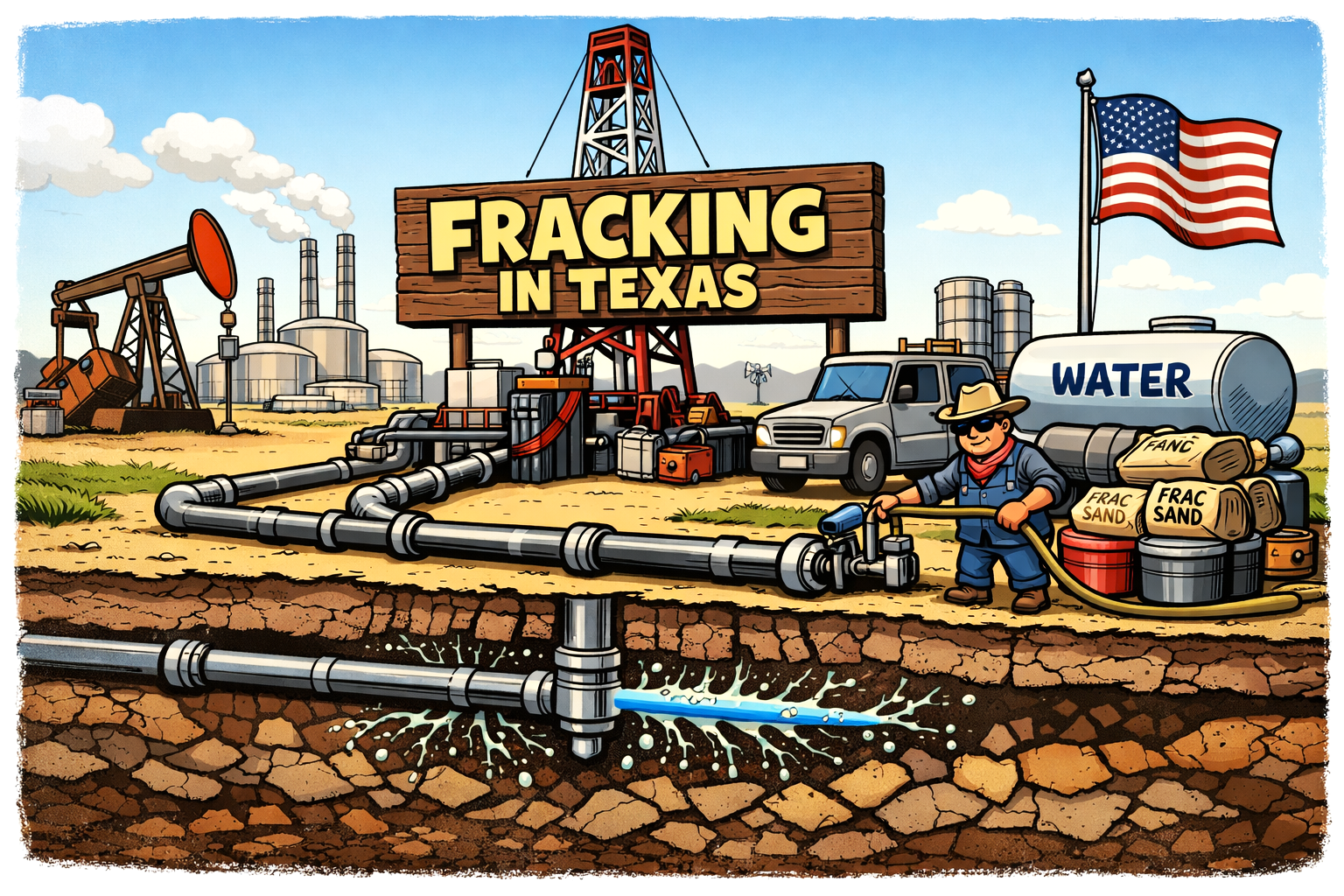
Nowhere has this shift been more dramatic than in Texas, where the Permian Basin alone pumps more oil than many OPEC members. This surge has not only reshaped global markets — it has altered Washington’s strategic outlook.
The United States now exports record volumes of crude oil and liquefied natural gas, with outbound shipments regularly exceeding 4 million barrels per day.
The conflict with Iran isn’t impacting oil production in the U.S.—if anything, it has boosted output and increased overseas sales.
This would have been unthinkable twenty years ago, when U.S. foreign policy was constrained by dependence on Middle Eastern supply.
U.S. Shale Boom
Today, the shale boom has given Washington a buffer: even severe disruption in the Strait of Hormuz would no longer threaten the U.S. economy in the way it once did.
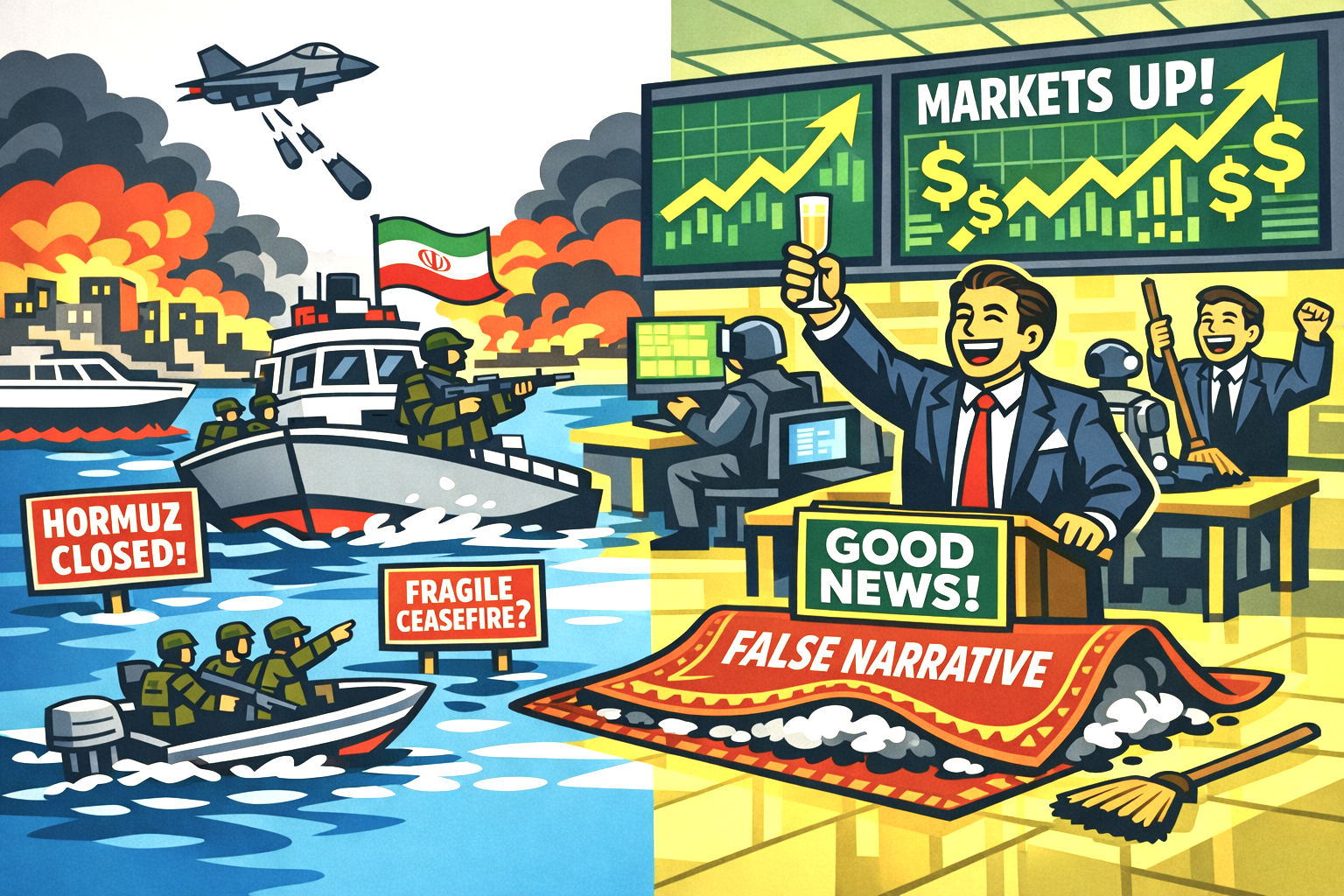
This energy independence has had political consequences. Analysts note that President Trump’s willingness to escalate against Iran — including strikes, sanctions, and naval deployments — is partly rooted in the belief that the U.S. can withstand an oil shock far better than its rivals.
Iran, by contrast, relies heavily on oil revenues and is already weakened by sanctions. A prolonged disruption to its exports hurts Tehran far more than Washington.
Texas fracking plays directly into this dynamic. The combination of horizontal drilling, high‑pressure fracturing, and vast shale formations has created a production engine capable of rapid growth.
When global prices rise, U.S. shale responds within months, softening the blow to consumers and limiting the geopolitical leverage of traditional producers.
Texas Asset
In effect, the Permian Basin has become a strategic asset — a domestic shock absorber that reduces the economic risks of confrontation abroad.
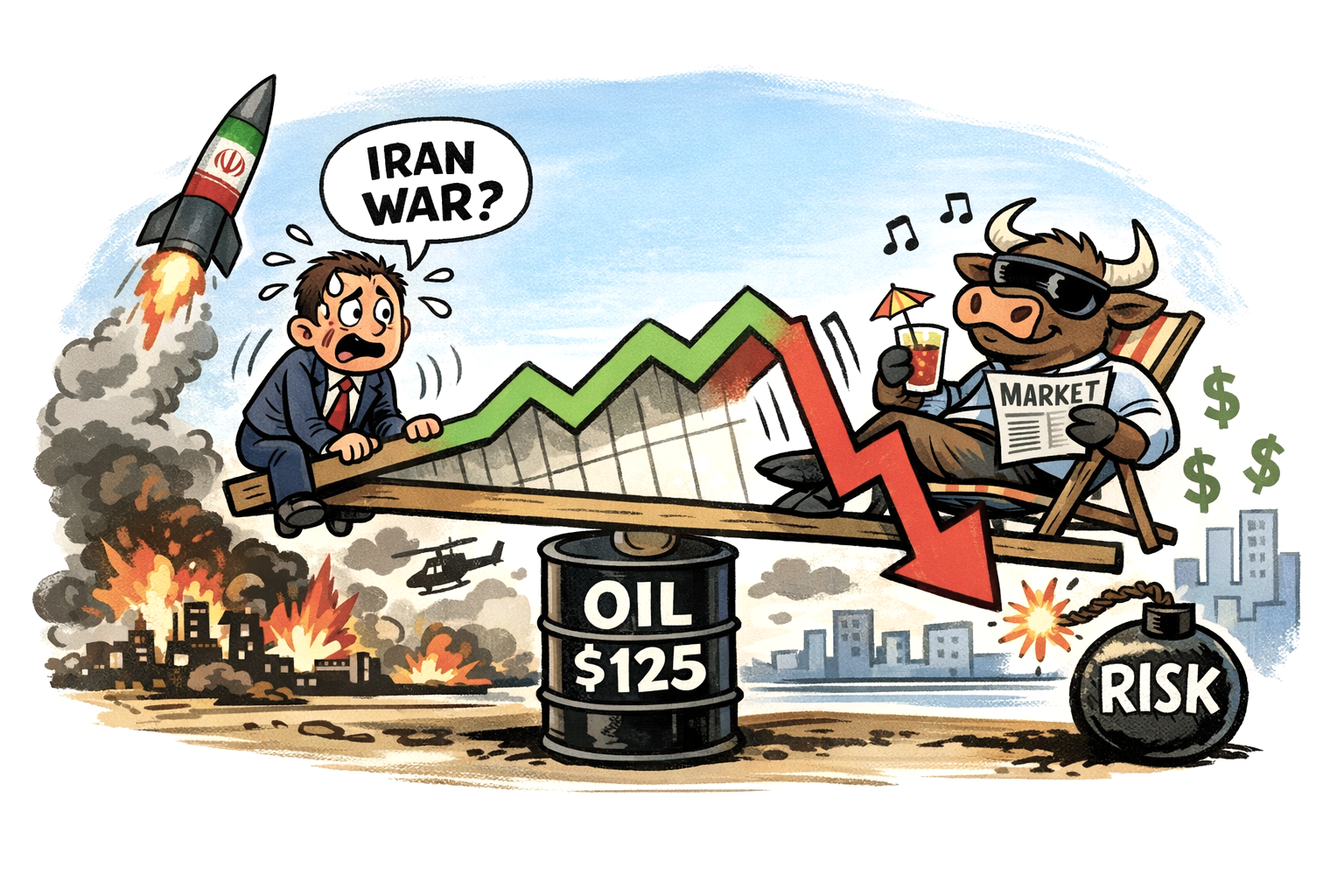
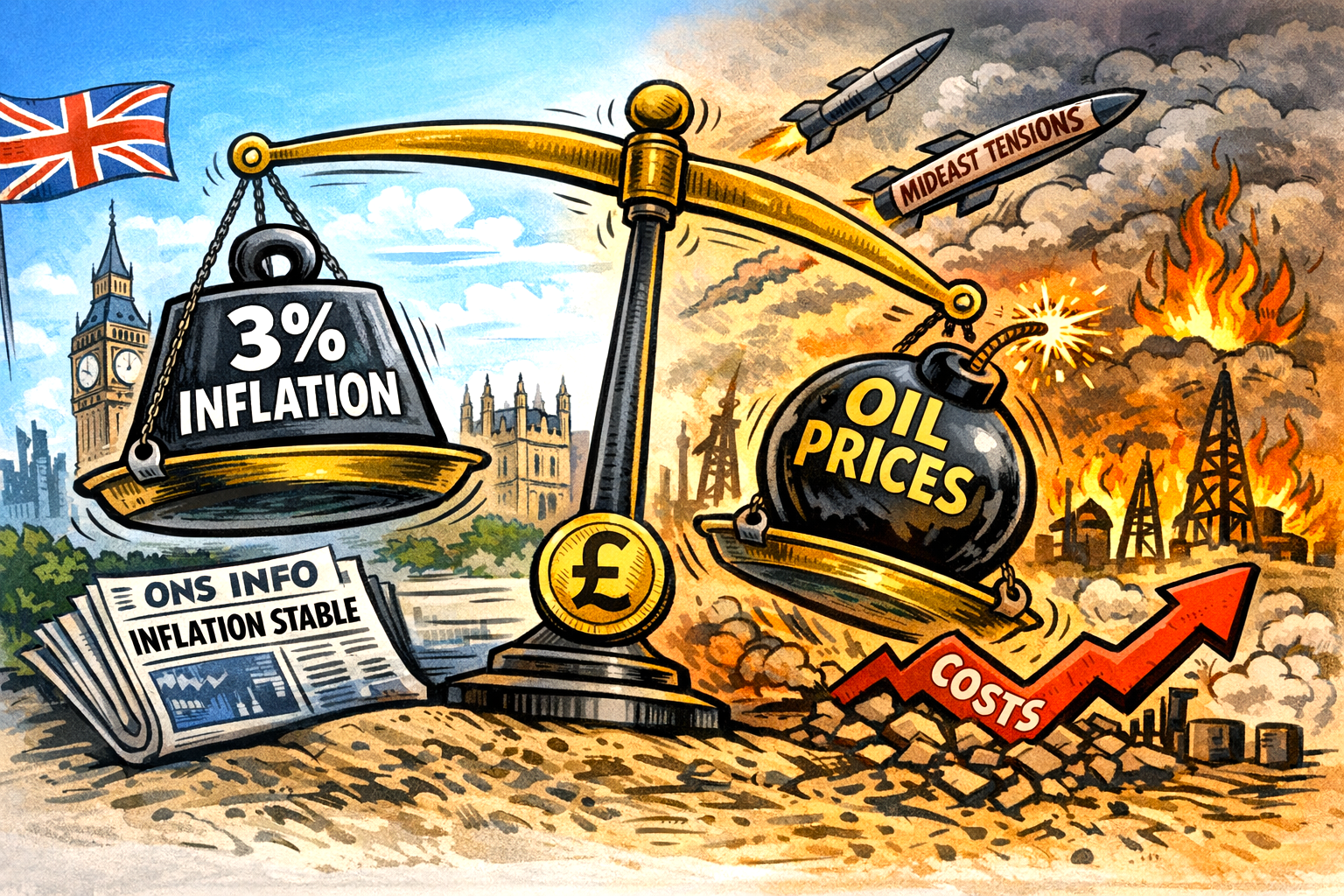
Critics argue that this new confidence borders on complacency. A major conflict in the Gulf would still send global prices sharply higher, with knock‑on effects for inflation, supply chains, and allied economies.
But there is no doubt that the fracking boom has changed the psychology of U.S. power. For the first time in modern history, America can contemplate a showdown in the Middle East without fearing an immediate energy crisis at home.
Texas may not be the reason the U.S. is confronting Iran — but it has certainly made the White House feel far safer doing so.