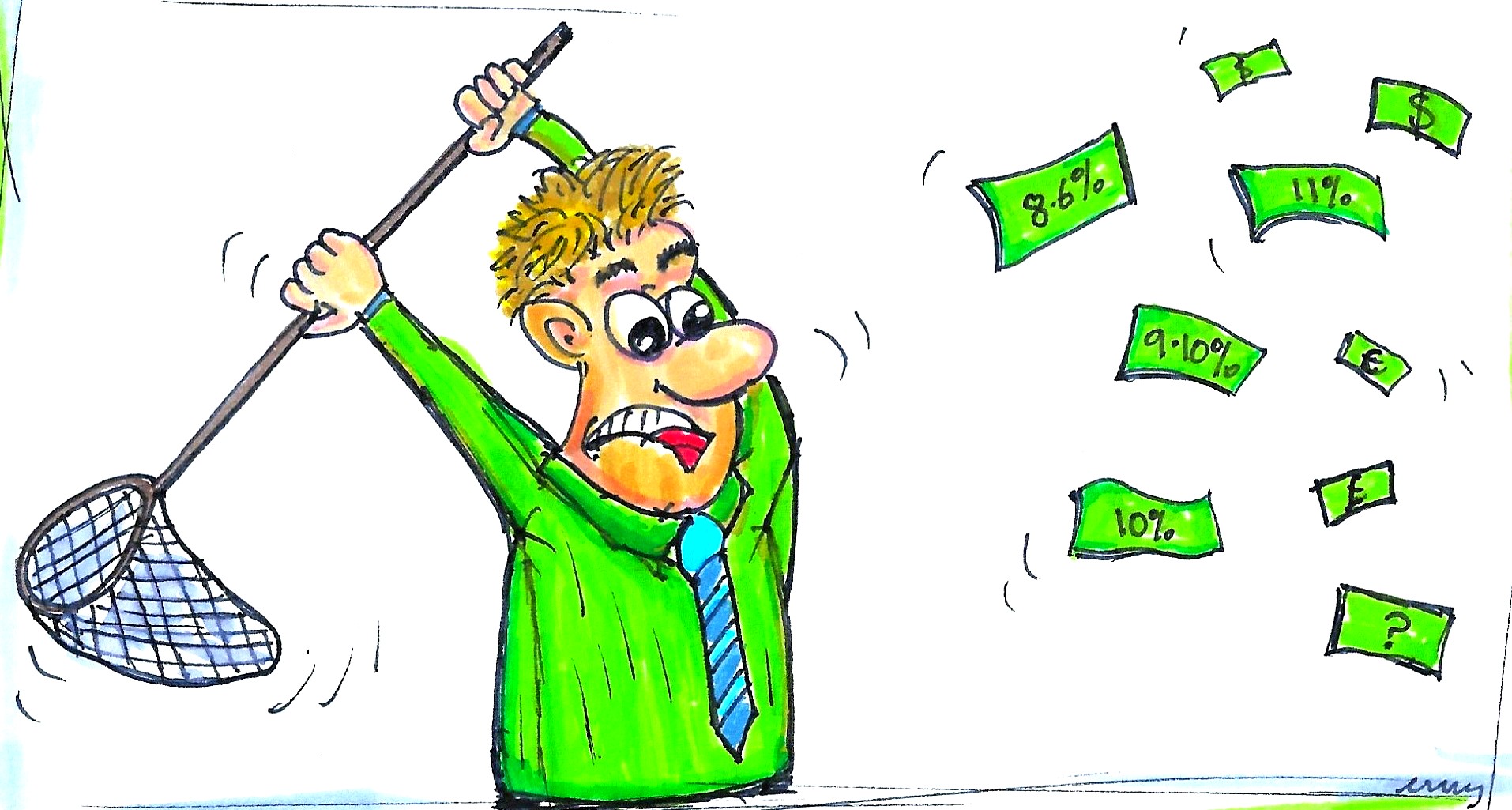
Are you selling online and making a little extra income?
Well, if you are, as from 1st January 2024 you will now fall foul of UK tax rules if you do not declare the income generated from these sales.
Companies like Etsy, eBay, Vinted, Airbnb etc. are obliged to collect and share details of such transactions with the tax authorities. That will allow HMRC to zero in on anyone who should be declaring the extra income but isn’t.
While HMRC was already able to request information from UK-based online operators, from the start of this year there are new rules that the UK has signed up to in cooperation with the OECD – Organisation for Economic Cooperation and Development, as part of a global effort to clamp down on tax evasion.
New rules
The new rules require digital platforms to report the income sellers are getting through their site on a regular basis.
It will apply to sales of goods such as second-hand clothes and items that have been handcrafted, but also services such as: food delivery, taxi hire, freelance work and accommodation lets or even renting out your driveway for parking.
Rule summary
Online sellers already paying tax do not need to alter what they are already doing.
Individuals have a £1,000 tax-free allowance for money made through property.
There is also a £1,000 allowance for trading income – for example, if you offer tutoring or gardening, or if you are selling new or second-hand items online.
People earning below those thresholds may not have to fill in a tax return, but should keep records in case they are asked for them.
The information will be shared between countries that have signed up to the OECD tax rules.
The UK government said the new rules would help it ‘bear down on tax evasion’, as sellers on digital platforms would now be treated more like traditional businesses.
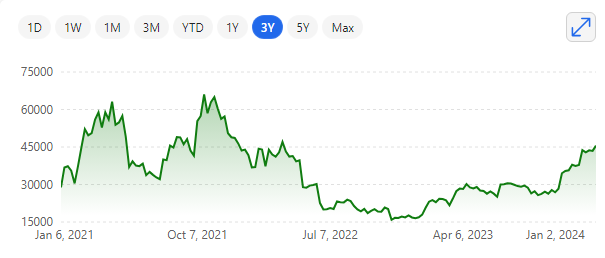
Bitcoin surged Monday and Tuesday 1st and 2nd January 2024, climbing above $45,000 to hit its highest level in nearly 21 months, as the rally in cryptocurrencies continues. Other cryptocurrencies have joined in the rally, with Ether and Solana both rising.
Traders are anticipating the potential approval of a bitcoin exchange-traded fund (ETF) in the U.S., as well as the upcoming Bitcoin ‘halving’ due to happen in May 2024.
U.S. news organisation the New York Times is suing ChatGPT-owner OpenAI over claims its copyright was infringed to train the system.
The New York Times has filed a lawsuit against OpenAI and Microsoft for using its news stories to train chatbots without permission or compensation. The lawsuit claims that the defendants have infringed on the paper’s intellectual property rights and seek to ‘free-ride’ on its investment in journalism.
The lawsuit also alleges that the chatbots pose a threat to the jobs of journalists and the quality of news reporting. The New York Times is seeking damages and an injunction to stop the defendants from using its content. The lawsuit, which also names Microsoft as a defendant, says the firms should be held responsible for ‘billions of dollars’ in damages.
Permission
ChatGPT and other large language models (LLMs) ‘learn’ by analysing a massive amount of data often sourced online. The lawsuit claims ‘millions’ of articles published by the New York Times were used without its permission to make ChatGPT smarter, and claims the tool is now competing with the newspaper as a trustworthy information source.
It alleges that when asked about current events, ChatGPT will sometimes generate excerpts ‘verbatim’ from New York Times articles, which cannot be accessed without paying for a subscription.
Subscription
According to the lawsuit, this means readers can get New York Times content without paying for it – meaning it is losing out on subscription revenue as well as advertising clicks from people visiting the website.
It also gave the example of the Bing search engine – which has some features powered by ChatGPT – producing results taken from a New York Times-owned website, without linking to the article or including referral links it uses to generate income.
Tesla recalled more than two million cars in December 2023 after the U.S. regulator found its driver assistance system, Autopilot, was partly defective, it was reported.
It follows a two-year investigation into crashes which occurred when the tech was in use. The recall applies to almost every Tesla sold in the U.S. since the Autopilot feature was launched in 2015.
The update happens automatically and does not require a visit to a dealership or garage but is still referred to by the U.S. regulator as a recall.
The UK Driver and Vehicle Standards Agency reportedly said it was not aware of any safety issues involving Teslas in the UK, noting that cars sold in the UK are not equipped with all of the same features as cars in the U.S.
Chinese company, Build Your Dreams (BYD), has moved another step closer to over-taking Tesla as the world’s biggest-selling manufacturer of electric vehicles.
The firm said on Monday it had sold a record 526,000 battery-only vehicles in the last three months of 2023, aided by more than a 70% surge in sales in December 2023.
Tesla is scheduled to release its latest quarterly vehicle production and delivery figures before Wall Street opens on Tuesday.
For the year, BYD said it had sold more than 3 million new energy vehicles (NEVs), which includes battery-only vehicles and hybrids. Almost 1.6 million of its total sales were battery-only vehicles, the firm said.
Industry analysts have forecast that Tesla sold around 483,000 electric vehicles in the last three months of 2023 and 1.82 million for the year as a whole.
This was the famous UK advertising slogan of a once famous and proud Japanese business that later fell from grace. It became a 1980’s advertising hit for Toshiba in the UK.
There was a time when more than one of your TV’s, computers, laptop’s, Hi-Fi’s, speaker systems or other essential electronic goods would have been made by Toshiba.
Once an untouchable powerful conglomerate for Japan’s dominance in electronics – known as Japan Inc – the company for forced to delist, ending a 74-year history with Tokyo’s stock exchange.
So why did one of Japan’s most famous industrial names have such a spectacular fall from grace?
It all started in 2015 when accounting malpractices came to light, with many of them involving top management. For seven years, Toshiba had overstated its profits.
In 2020, Toshiba found further accounting irregularities
There were also allegations related to corporate governance. An investigation launched in 2021 found that Toshiba had colluded with Japan’s trade ministry – which saw Toshiba as a strategic asset – to suppress the interests of foreign investors.
At the time, analysts said this made foreign investors uncertain about investing in Japanese stocks, making it not just a Toshiba problem, but an issue for Japan’s entire stock market.
In late 2016, Toshiba said it would take charge of several billion dollars related to the construction of a nuclear power plant that U.S. unit Westinghouse Electric had bought a year earlier. Just months later, Westinghouse filed for bankruptcy leaving Toshiba facing a collapse of its nuclear business and more than $6bn in liabilities.
Sell-off
Toshiba sold off businesses including medical systems, mobile phones, and white goods try to thwart these difficulties. But it was later forced to place its flag ship chip unit, Toshiba Memory, up for sale – a deal that was delayed for a number of months over a dispute with one of its partners.
At a time when companies were investing heavily in the future of technology and innovation, Toshiba was having to sell off a prized asset to raise cash – a resentful place to be.
Cash injection
Toshiba managed to secure a $5.4bn cash injection at the end of 2017 from overseas investors, helping it avoid a forced delisting. But that meant shareholders had more of a say in the about the company.
That lead to protracted battles that paralysed the maker of batteries, chips and nuclear and defence equipment. After a great deal of debate over whether the company should split up into smaller companies, Toshiba set up a committee to explore whether it should be taken private.
In June 2022, Toshiba received eight buyout offers
Earlier in 2023, the company announced it would be taken over by a group of Japanese investors led by state-backed Japan Investment Corp (JIC) for $14bn. It’s not clear yet what the new owners plan for Toshiba – maybe AI products will come to the rescue?
Japan Investment Corp
JIP does reportedly have a positive track record in making businesses from big manufacturers including Sony’s laptop division and Olympus’s camera unit. After acquiring Sony’s Vaio laptop business in 2014, it helped the company achieve record sales last year.
But Toshiba is a much bigger company, it employs around 106,000 people and some of its operations are seen as critical to national security.
It has now de-listed and hopefully will find a way to re-gain back to its former glory.
The original extremely memorable and successful Toshiba advertising campaign from the 1980’s
The original extremely memorable and successful Toshiba advertising campaign from the 1980’s
The UK Supreme Court has upheld earlier decisions to reject a bid to allow an artificial intelligence to be named as an inventor in a patent application.
Dr Stephen Thaler (an ‘inventor’), had sought to have his AI, called Dabus, recognised as the inventor of a food container and a flashing light beacon. But in 2019, the Intellectual Property Office (IPO) rejected this, saying only a person could be named as an inventor. The decision was then backed by both the High Court and Court of Appeal. The IPO argued, and courts have supported the view, that only ‘persons’ can have patent rights, not Artificial Intelligence.
Now five Supreme Court judges have dismissed a bid to reverse those decisions, concluding that ‘an inventor must be a person’, and that an AI cannot be named as an inventor to secure patent rights.
The judgement does not deal with the issue of whether Dabus did in fact invent the food container and light.
This issue will likely be debated for some time yet – maybe an AI court of the future could decide?
Social media platform X suffered global outages for just over an hour on Thursday 21st December 2023.
According to Downdetector, which tracks outages by collating status reports, more than 47,000 U.S. users encountered issues with X and X Pro.
Some users in the UK were also unable to view posts on the site with the message ‘Welcome to X!’ X, (formerly Twitter), is owned by Elon Musk which he bought for $44 billion (£35 billion) in 2022.
The hashtag #TwitterDown started trending within minutes of reports of the outages emerging. But the outage was short-lived, with users able to access the platform again after just over an hour. Since Mr Musk bought the platform, it has been experiencing a loss of advertising revenue.
He has also been accused of allowing antisemitic posts next to advertising. X sued a left-leaning pressure group, Media Matters for America, which made the accusation.
Last month, Elon Musk slammed advertisers that left X, saying they would kill the social media platform.
Unfortunately, X has been attracting the wrong kind of attention in recent months – the question is, can it weather the storm?
The 10-year Treasury yield slipped further on Monday 18th December 2023, as the final full trading week of 2023 gets underway.
Traders are attempting to digest the ‘dovish’ tone of the U.S. Federal Reserve. The central bank held its key interest rate at 5.5% and revealed that policymakers were pencilling in at least three rate cuts in 2024 marking a more aggressive series of cuts than what was previously expected.
The yield on the 10-year Treasury was marginally lower at 3.913%. Last Thursday, the yield fell below the 4% level, hitting its lowest since July this year.
Bank strategists described the Fed’s move as a ‘big shift’
Guessing game starts
The question now is when will these rate cuts happen, and on Friday we had some mild pushback from Fed officials against the market excitement.
In 1993, amidst the hustle and bustle of family life and work commitments, I distinctly recall contemplating that should I have any disposable income, I would invest it in these particular stocks.
I worked in tech running my own business and Microsoft was one of the businesses I wondered about, Apple was another and later Amazon too.
I never bought them, but had I have done, this is what would have happened.
Microsoft
Microsoft in 1993 was trading at around $2.35 per share. Today the company’s share price is trading at around $374.00 per share. So, had I bought $1,000 (adjusting for splits and dividends), my $1000 would be worth about $160,000 now. Had I bought $10,000 – I would have made just over $1 million.
Amazon
Had I bought Amazon a little later in 1997 and held it, a $1000 investment would now be worth a staggering $1.7 million (adjusting for splits and dividends). After the IPO and subsequent stock splits Amazon shares were trading at just 7 cents each according to Amazon’s website.
Apple
And as for Apple – a stock purchase in 1993 of $1000 would now be worth approximately $900,000 (not allowing for stock splits and dividends). Apple was trading at 22 cents per share in 1993.
The question is, if I had made the stock purchases – would I still be holding them long-term?
Deflation is an economic phenomenon characterized by a general decline in prices for goods and services. It occurs when the inflation rate falls below 0%, resulting in a negative inflation rate.
This means that the purchasing power of currency increases over time, allowing you to buy more with the same amount of money. It can be as damaging to the economy as inflation.
Consumer and Asset Prices: During deflation, both consumer and asset prices decrease, which might seem like a good thing because it increases the purchasing power.
Economic Impact: However, deflation can be harmful to the economy. It often signals an impending recession or hard economic times. If people expect prices to fall further, they may delay purchases, hoping to buy later at a lower price. This leads to reduced spending, which can cause producers to earn less, potentially leading to unemployment and higher interest rates.
Measurement: Deflation is measured using economic indicators like the Consumer Price Index (CPI), which tracks the prices of commonly purchased goods and services. When the CPI shows that prices are lower than in a previous period, the economy is experiencing deflation.
Causes: The main causes of deflation include a decrease in demand or an increase in supply. A decline in aggregate demand can lead to lower prices if supply remains unchanged. Conversely, an increase in supply can also cause prices to drop if demand does not increase accordingly.
It’s important to note that deflation is different from disinflation. Disinflation refers to a slowdown in the rate of inflation, where prices are still rising but at a slower pace than before.
Deflation can have complex effects on an economy, and while it may benefit consumers in the short term, it can lead to broader economic challenges.
Deflation, friend or foe?
Deflation, often perceived as a relief during times of high prices, is a complex economic condition that presents both benefits and challenges. It is defined by a general decrease in the price level of goods and services, leading to an increase in the real value of money. This means consumers can buy more for less, but this apparent advantage masks the potential dangers lurking beneath the surface.
The immediate effect of deflation is an increase in consumer purchasing power. As prices drop, money buys more, which can be particularly beneficial for individuals on fixed incomes. However, this boon is short-lived if deflation persists. Consumers, anticipating further price drops, may postpone purchases, leading to a decrease in consumer spending, the lifeblood of any economy. This reduction in demand can force businesses to lower prices further, creating a vicious cycle that’s hard to break.
Deflation can lead to a reduction in demand and can force businesses to lower prices, creating a vicious cycle that’s difficult to break.
Moreover, deflation can exacerbate debt burdens. As prices and revenues fall, the real value of debt increases, making it more challenging for borrowers to repay their obligations. This can lead to increased loan defaults and financial instability. For businesses, falling prices mean reduced profit margins, leading to cost-cutting measures such as layoffs, reduced investment, and even bankruptcy.
Causes
The causes of deflation are multifaceted, often stemming from a decrease in aggregate demand or an oversupply of goods. Technological advancements, while boosting productivity, can also contribute to deflation by lowering production costs and increasing supply faster than demand. Additionally, a strong currency can make imports cheaper, contributing to lower prices domestically.
Tools
Central banks and governments typically combat deflation with monetary and fiscal policies aimed at stimulating demand. Lowering interest rates, increasing government spending, and quantitative easing are common strategies employed to inject money into the economy and encourage spending.
While deflation can initially seem like a welcome development, its long-term effects can be detrimental to economic health. It is a delicate balance that policymakers must navigate carefully to ensure stability and growth in the economy.
During this period of inflationary pressure, no country is beyond the grasp of deflation.
A message for governments and central banks around the world – don’t push too hard!
Fed holds U.S. rates at 5.5%, indicates three cuts coming in 2024
The Federal Reserve on Wednesday 13th December 2023 held its key interest rate steady for the third time in a row and set the scene for multiple rate cuts in 2024 and 2025.
With inflation easing and the economy holding up policymakers Federal Open Market Committee policymakers voted unanimously to keep the rate in a range between 5.25%-5.5%.
Possible three Fed rate cuts pencilled in for 2024
Along with the decision to stay on hold, the FOMC pencilled in at least three rate cuts in 2024, assuming quarter percentage point increments. That’s less than market pricing of four, but more aggressive than what officials had previously indicated.
Markets had widely anticipated the status quo decision which could end a cycle that has seen 11 hikes, pushing the interest rate to its highest level in more than 22 years. There was uncertainty, though, about how ambitious the FOMC might be regarding policy easing.
The FOMC’s so called ‘dot plot’ of individual members’ expectations indicate another four cuts in 2025, or a full 1%. Three more reductions in 2026 would take the Fed rate down to between 2%-2.25%, close to the longer-term outlook, though there were considerable difference in the estimates for the final two years.
Dow at new all-time high!
Following the Fed update the Dow Jones Industrial Average jumped more than 400 points, surpassing 37,000 for the first time creating a new Dow all-time high.
In a significant development that has raised concerns among investors and policymakers worldwide, China’s debt outlook has been downgraded as the country grapples with a slowing economy. This move reflects growing apprehensions about the sustainability of China’s economic growth and its ability to manage its burgeoning debt.
Moody’s issued the warning as it cut its outlook on the government’s debt to negative, from stable. China said it was disappointed by the move, calling the economy resilient. China also reported to have said it is unnecessary for Moody’s to worry about China’s economic growth prospects and fiscal sustainability.
Rapid Expansion
For years, China’s rapid economic expansion has been the engine of global growth, but recent trends indicate a deceleration. The once double-digit growth rates have now tapered, with projections suggesting a further slowdown in the coming years.
China exports
This deceleration is attributed to various factors, including trade tensions, demographic shifts, and a maturing economy.
Downgrade
The downgrade, announced by a prominent credit rating agency recently, underscores the risks associated with China’s increasing debt levels. The country’s total debt, which includes government, household, and corporate debt, has climbed to around 85%* of its GDP. This debt accumulation is partly due to the government’s efforts to stimulate the economy through infrastructure spending and lending to state-owned enterprises.
Property Sector
The property sector, a significant pillar of China’s economy, has also shown signs of strain. High-profile defaults and a cooling housing market have added to the concerns, prompting fears of a ripple effect across the economy. The government’s crackdown on excessive borrowing and speculative investments has further tightened liquidity, impacting developers and homeowners alike.
The burden of debt sits heavy in China’s property sector.
Response
In response to the downgrade, China’s finance ministry has expressed confidence in the country’s economic resilience. Officials argue that the fundamentals of the Chinese economy remain strong, with continued efforts towards high-quality development and structural reforms. They assert that the concerns raised by the credit agencies are overstated and that China’s fiscal position remains robust.
Warning signal
Nevertheless, the downgrade should serve as a warning signal. It highlights the need for careful fiscal management and policy adjustments to navigate the challenges ahead. As the global economy faces uncertainty, the world will be closely watching how China addresses its debt dilemma and maintains its trajectory of growth.
This situation presents a complex puzzle for China’s leadership, balancing the goals of economic stability and sustainable development. The outcome will have far-reaching implications, not just for China but for the entire global economy.
The world awaits to see how China will write the next chapter in its remarkable economic story. If this goes wrong – it will go wrong in a big way.
Update Friday 8th December 2023
China’s top decision-making body of the ruling Communist Party on Friday said that the country’s fiscal policy ‘must be moderately strengthened’ to stimulate economic recovery, according to state-run news outlet.
85%* debt to GDP ratio
China’s debt-to-GDP ratio was recorded at around 77% of the country’s Gross Domestic Product in 2022. This ratio is an important indicator of a country’s economic health, reflecting its ability to pay back its debts. This ratio has been on the rise in recent years, indicating an increase in national debt relative to the GDP. For instance, the ratio was around 23% in 2000 and grew to 34% in 2012, with a significant jump to the current level.
China’s projected debt to GDP ration
Forecasts suggest that China’s debt-to-GDP ratio could reach 104% by 2028
It’s important to note that such figures can vary and should be interpreted within the context of each country’s economic structure and policies.
European Union officials have reached a provisional deal on the world’s first comprehensive laws to regulate the use of artificial intelligence (AI).
The EU agreed guidelines around AI in systems like ChatGPT and facial recognition.
The European Parliament will vote on the AI Act proposals early next year, but any legislation will not take effect until 2025 at the earliest. The U.S., UK and China are all rushing to publish their own guidelines.
Safeguards
The proposals include safeguards on the use of AI within the EU as well as limitations on its adoption into law.
European Commission President Ursula von der Leyen said the AI Act would help the development of technology that does not threaten people’s safety and rights. Consumers would have the right to launch complaints and fines could be imposed for violations.
Unique framework
In a social media post, she said it was a ‘unique legal framework for the development of AI you can trust’.
The European Parliament defines AI as software that can ‘for a given set of human-defined objectives, generate outputs such as content, predictions, recommendations or decisions influencing the environments they interact with.’
This is a significant step towards ensuring that AI development and deployment are aligned with ethical standards and respect for human rights.
Will the EU, UK, U.S., China and other countries AI rules conflict?
The world’s richest 1% of people are responsible for around the same percentage of global carbon emissions as the 5 billion people who represent the 66% poorest, according to a report published by Oxfam.
In the report he wealthiest 10% were responsible for 50% of global emissions, it found, while the bottom 50% were responsible for just 8%.
The top 1% represents 77 million people and is defined in the report as having an estimated income threshold of $140,000 per year, and an average income of $310,000.
The report states that personal consumption varies depending on factors such as location, use of renewable energy and transport where the very wealthiest contribute significantly more due to the use of private jets and yachts.
It also includes between 50% and 70% of emissions by the 1% coming through investments in companies, measured by taking firms’ reported emissions and distributing that proportionate to shareholder ownership of those firms by the 1%.
Pertaining to someone’s ability to attract another person through style, charm, or attractiveness, this term is from the middle part of the word ‘charisma’, which is an unusual word formation pattern.
Water is a precious Earth resource. It is becoming increasingly scarce due to climate change, population growth, pollution and waste. Without water we are nothing.
According to some sources, Big Tech and AI are contributing to the water crisis by using large amounts of water to cool their data systems and AI computations.
Researchers estimate that Microsoft used 1.7 billion gallons of water for AI alone in 2022, a 34% increase from 2021. Google also reported a 20% increase in water usage, mostly due to its AI work. One of the most water-intensive AI models is ChatGPT, which is estimated to use half a litre of water for every series of prompts.
These numbers are alarming, considering that water is a finite and vital resource for humans and ecosystems.
ChatGPT is estimated to use the equivalent of one 16-ounce bottle of water (approx’ half a litre) for every 20-50 queries according to a study by Shaolei Ren, an associate professor of electrical and computer engineering at the University of California.
BIG Tech aware of environmental impact
Some tech companies are aware of the environmental impact of their AI activities and are trying to find ways to reduce their water consumption and carbon footprint. For example, Microsoft has pledged to become water positive, carbon negative, and waste-free by 2030.
Is there a water crisis looming and could BIG Tech make things worse?
Google has also set a goal to operate on 24/7 carbon-free energy by 2030. OpenAI, the creator of ChatGPT, has stated that it is working on improving the efficiency of its AI models. Some possible solutions include using renewable energy sources, developing better algorithms and hardware, and locating data centres in colder climates.
Too much
Some argue that Big Tech and AI are using too much water, and that they should be regulated. They should be held accountable for their environmental impact.
Others may contend that Big Tech and AI are providing valuable services and innovations and they are taking steps to mitigate their water usage and become more sustainable.
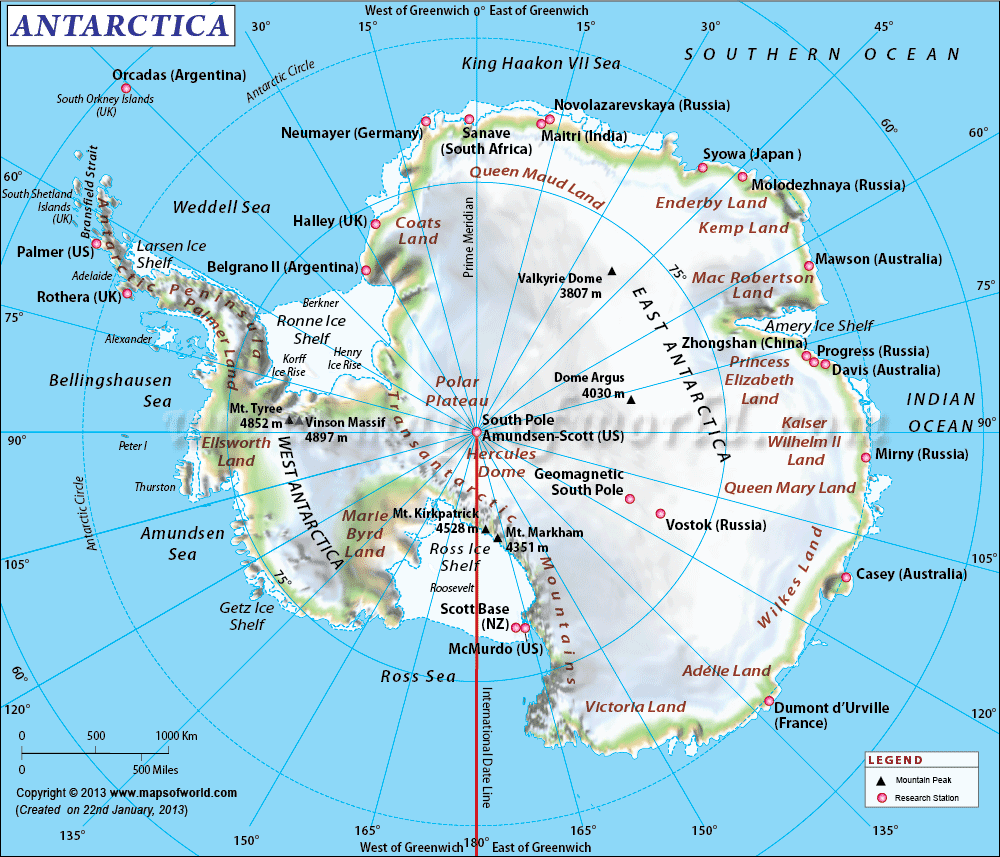
Iceberg A23-A is the world’s biggest iceberg that has been stuck to the ocean floor for more than 30 years.
Scientists believe the A23-A’s breakaway from Antarctica was a natural occurrence, but say it provides a stark reminder of the potentially disastrous implications as global sea levels rise.
It split away from the Antarctic coastline in 1986 and became an ice island in the Weddell Sea. It is about 4,000 sq km (1,500 sq miles) in area, which is more than twice the size of Greater London, and 400m (1,312 ft) thick, which is taller than the London Shard.
On the move
Recently, it has started to move at a faster pace and is now about to leave the Antarctic waters. Scientists believe it has lost its grip on the sea floor and is being pushed by winds and currents. It is likely to follow the path of other icebergs from the Weddell Sea and head towards the South Atlantic, where it will eventually melt and break apart.
Map of Antartica showing Weddell Sea
A23-A Iceberg moving through the Weddell Sea
Ecosystem
Icebergs are important for the ocean ecosystem, as they carry fresh water and nutrients that support marine life. They also affect the climate, as they reflect sunlight and cool the air. Iceberg A23-A is a remarkable natural phenomenon that has been observed for decades by researchers and satellites.
This is not happening because of climate change – it is a natural process of nature.
Britcoin is a potential British digital currency that would be issued by the Bank of England and backed by the Government.
It would be tied to the pound and have a stable value, unlike cryptocurrencies such as Bitcoin. It would be accessible through digital wallets and interchangeable with cash and bank deposits. The Treasury and the Bank of England are consulting on its launch, which could take place by 2030.
Britcoin could be used for everyday transactions, both in-store and online, and could make payments more efficient and enable innovation. However, some MPs have warned that Britcoin could cause severe financial damage and undermine the role of banks.
Some MPs have warned that Britcoin could cause severe financial damage and undermine the role of banks for several reasons.
Concerns about introducing a digital pound
Britcoin could increase the chance of bank runs, if customers were able to quickly and easily switch their bank deposits into digital pounds, especially during times of financial stress or panic. This could reduce the liquidity and solvency of banks and make them more vulnerable to failure.
Britcoin could also raise the cost of borrowing for banks and consumers, as banks would need to replace the funding that they would lose from deposits with more expensive sources. The Bank of England estimated that if 20% of bank deposits turned digital, it could result in a rise in interest rates on commercial loans.
Britcoin could pose risks to data privacy and security, as the government or third parties could potentially access, track, or control how users spend their digital funds. This could raise ethical and legal issues and require robust regulation and protection.
Britcoin could also have unintended consequences on the wider economy and society, such as affecting monetary policy, financial inclusion, innovation, and competition. The MPs said that the benefits and costs of Britcoin should be clearly evidenced before any decision is taken to introduce it.
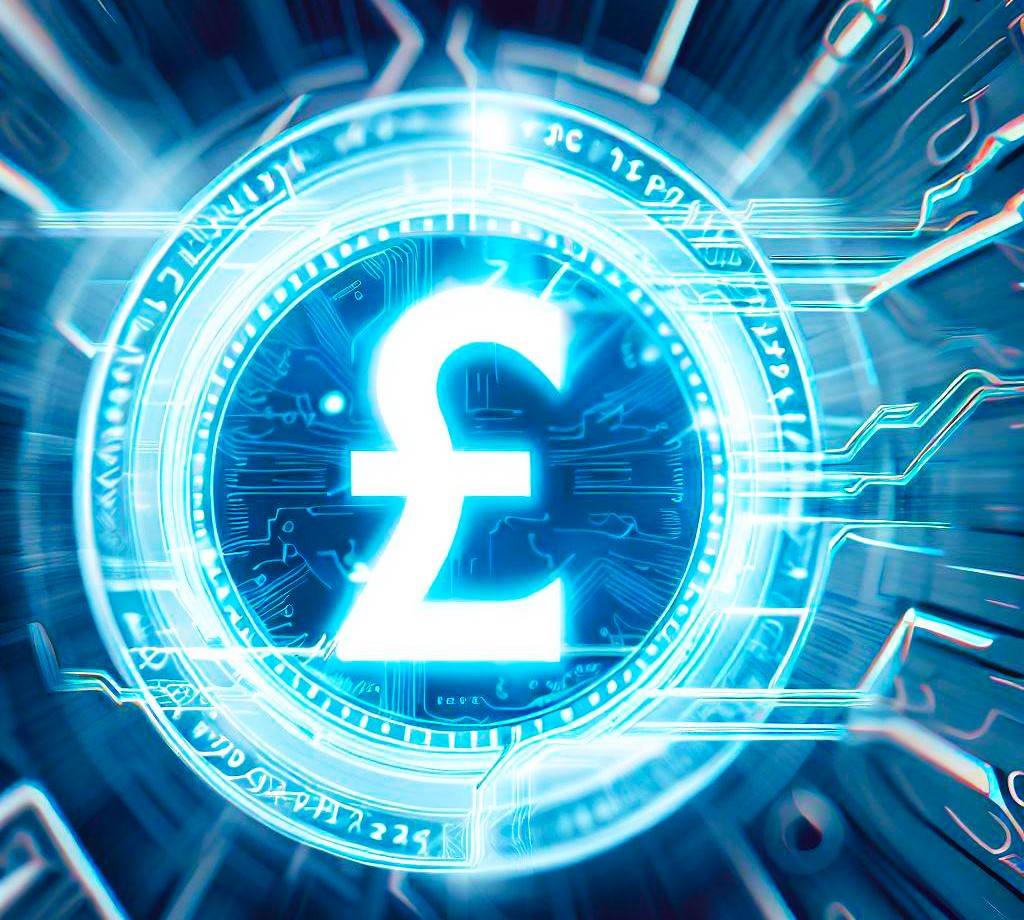
Art illustration: Digital £ pound proposal – Britcoin
The development of a state-backed ‘digital pound’ should proceed with caution, MPs have warned.
The benefits of the currency are still unclear and there must be systems in place to protect cash access and privacy, the Treasury Committee said in a report.
The Bank of England (BoE) and the Treasury have been consulting on the idea since February 2023. They are currently designing what such a system could look like. The CBDC would be directly issued by the Bank of England (BoE), just like banknotes.
This means people would have all the same safety and security that they have with their cash currently, which is different to cryptocurrencies that fluctuate in value and are generally run by private companies.
A report published Tuesday by the Kick Big Polluters Out coalition found that at least 2,456 fossil fuel lobbyists registered to attend the two-week long summit. That’s more than almost every other country delegation, except for Brazil (3,081) and COP28 host the United Arab Emirates (4,409), the report said.
Supporters say the number of fossil fuel lobbyists attending the talks is ‘beyond justification’ and demonstrates that polluting industries are seeking to advance a fossil fuel agenda.
Others however say that Big Oil’s participation at COP28 should be welcomed.
Unabated
There’s also a debate about whether an agreement should centre on abated fossil fuels, which are trapped and stocked with carbon capture and storage technologies. Unabatedfossil fuels are largely understood to be produced and used without substantial reductions in the amount of emitted greenhouse gases.
Delegates at the beginning of COP28 sealed a landmark deal to help the world’s most vulnerable countries pay for the impacts of climate disasters. To me, that suggests it is okay to carry on with business as usual because the industry can throw money at the poorer people suffering at the brunt end of climate effects.
Announcements at COP28 have sought to help decarbonize the energy sector, with nearly 120 governments pledging to triple renewable energy capacity by 2030, recent news reports show.
Whichever way we care to spin this, we are nowhere near ready to switch to renewables.
United Nations’ biggest and most important annual climate conference to-date, gets underway as the United Arab Emirates on Wednesday 29th November 2023 defended what it described as ‘fake news’ designed to undermine its work as the host of the COP28 climate conference.
The UAE organizers slammed a number of ‘fake press‘ releases in the name of COP28. Among them, a letter claiming COP28 president-designate Sultan Al-Jaber was due to step down from his position as chief executive of state oil giant the Abu Dhabi National Oil Co. (ADNOC).
Al-Jaber’s appointment as COP28 president-designate had provoked a furious backlash from climate activists when it was first announced. He reportedly pushed back over reports earlier in the week that said the UAE planned to use its role as the host of the climate summit as a platform to lobby foreign government officials for oil and gas deals.
Even so, the COP28 summit, which starts on Thursday 30th November 2023 and is scheduled to run through to 12th December 2023. I will provide a critical forum for government officials, business leaders and campaign groups to accelerate action to tackle the climate crisis. Let’s hope there is no further rolling back on previous pledges such as the UK’s government announcement to increase the number of North Sea oil and gas exploration and recovery licences.
OPEC
Meanwhile, also on Thursday 30th, the influential Organization of Petroleum Exporting Countries (OPEC) and its allies will convene to decide the next production policy steps in a delayed meeting caused by the conflict in the Middle East.
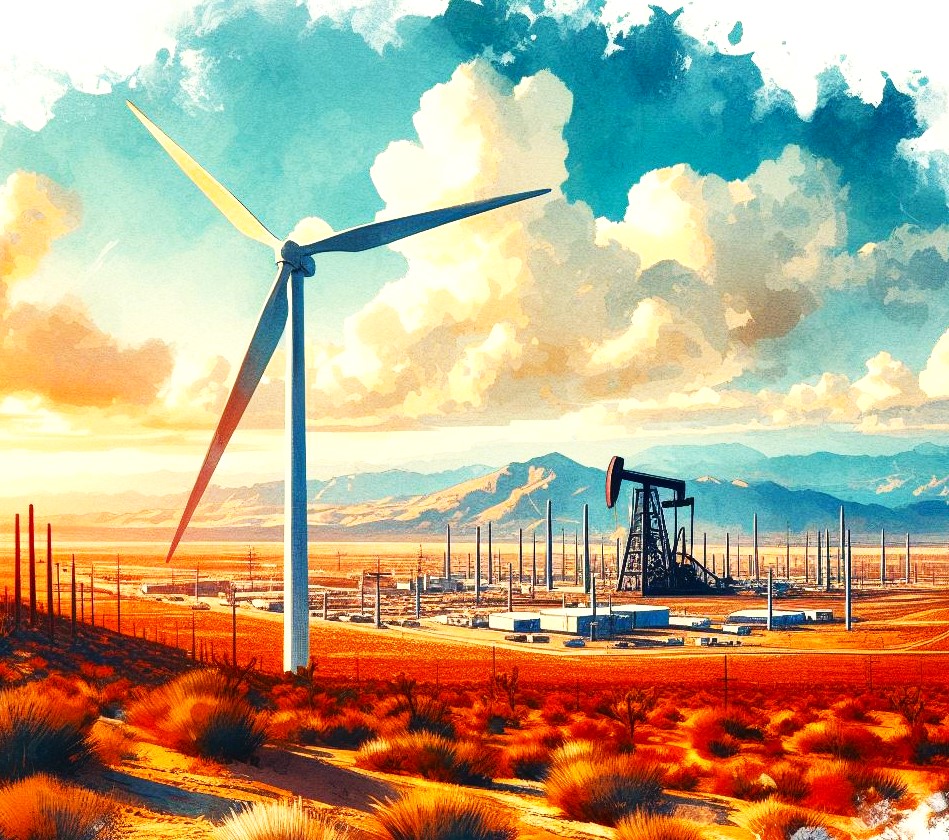
Art illustration of renewable and fossil fuel energy – Heat is on at COP28
UAE, one of the world’s major oil producers and a key OPEC+ component, is keen to burnish its reputation as a champion of the transition to green energy.
Tangible climate action though is the best way to push back all scepticism and cynicism. Now is as good as any time to start.
Production cuts will come – some analysts predict $100 a barrel.
The world is not ready to relinquish its thirst for oil and gas… just yet. It is still hungry for traditional power – and renewables is not ready to take over.
China’s factory activity contracted for a second month in a row in November 2023.
Non-manufacturing activity hit yet another new low this year, signalling that the world’s second-largest economy was still not out of the woods and may require more policy support.
The official manufacturing purchasing managers’ index unexpectedly dropped slightly lower to 49.4 in November 2023 from 49.5 in October 2023, according to data from the National Bureau of Statistics released Thursday 30th November 2023.
It has been a turbulent time at Twitter since Musk’s acquisition and the subsequent renaming of the company to X.
X is a subsidiary of X Holdings Corp., which is owned by Elon Musk. X has faced several issues and controversies since its inception, such as advertiser boycott, declining user base, staff layoffs, and more recently accusations of antisemitism and even more recently of a profane outburst levelled against X advertisers.
What a mess
Elon Musk launches attack on X advertisers in a profanity-laced outburst.
Musk has slammed advertisers that have left X, warning they will kill the social media platform. At an event in New York, he accused companies that have joined an advertising boycott of the site formerly known as Twitter of trying to blackmail him.
Musk tells X (Twitter) advertisers to go ‘f**k yourselves,’ but admits it will die without them: Despite this, Musk refused to accept responsibility for the impact of his statements on X’s ability to do business.
Instead, the billionaire insisted that if X (Twitter) went under, the blame would be entirely on the advertisers who fled as opposed to his decisions as its owner which more likely pushed them away.
His message to advertisers leaving X of: ‘Go f**k yourself’ – didn’t help matters as he admits responding to anti-Semitic post on X was one of the most foolish things he’s done on the platform.
Elon Musk is reported to have said on Wednesday 29th November 2023 that he regretted his November 15th tweet allegedly endorsing an anti-Semitic conspiracy theory.
Is the death knell of X and of a $44 billion investment?
Musk should be a force for good in the world – could that still happen?
A recent cyber-attack on CTS, a company that provides IT services to law firms and other organisations in the UK legal sector.
It was reported the cyberattack occurred on Wednesday, 22nd November 2023, and caused a widespread outage that affected dozens of law firms and homebuyers.
The cyberattack was reportedly caused by a CitrixBleed bug that has targeted other firms in recent weeks.
The governor of the Bank of England, Andrew Bailey has raised concerns over economic growth as he warned again that interest rates will not be cut in the ‘foreseeable future’.
The bank boss said he was concerned over the UK economy’s potential to grow. It comes after the government’s forecaster cut its growth outlook for the UK, due to high inflation, interest rates, energy and food price increases which were exacerbated by the Covid pandemic and Russia’s invasion of Ukraine.
Inflation, which is the rate consumer prices rise at, has dropped sharply in recent months, falling to 4.6% in the year to October largely as a result of lower energy prices.
However, it is still more than double the Bank of England’s 2% target and Mr Bailey warned lowering inflation further would be ‘hard work’.
Interest rates are currently at 5.25%, a 15-year high, which has pushed up borrowing and mortgage costs.
The first transatlantic flight using 100% sustainable aviation fuel (SAF) is scheduled to take off on Tuesday, 28th November 2023.
UK Government funded project
The flight is operated by Virgin Atlantic and will fly from London’s Heathrow to New York’s JFK airport. The flight is part of a UK government-funded project to demonstrate the feasibility and benefits of using SAF as an alternative to conventional jet fuel. SAF can reduce carbon emissions by over 70% compared to fossil jet fuel.
The flight will also use biochar credits to offset any remaining emissions and achieve net zero.
Biochar is the lightweight black residue, made of carbon and ashes, remaining after the pyrolysis of biomass, and is a form of charcoal.
Support
The flight is supported by a consortium of companies, including Boeing, Rolls-Royce, BP, Imperial College London, University of Sheffield, Rocky Mountain Institute, and ICF. The transatlantic flight has received a permit to fly from the UK Civil Aviation Authority, after undergoing technical assessments and ground testing.
The flight will use a Boeing 787 Dreamliner powered by Rolls-Royce Trent 1000 engines. The SAF used will be made primarily from waste oils and fats, such as used cooking oil.
The flight is not the first transatlantic flight to use SAF, but it is the first to use 100% SAF. In 2019, Gulfstream flew a G600 aircraft from Georgia to the UK using a 30/70 blend of SAF and jet fuel.
The Virgin Atlantic flight will be the first to use pure SAF on a commercial airliner.
Update 29th November 2023 – History made
The first transatlantic flight by a large passenger aeroplane, fueled by ‘greener fuel’ was a success.Operated by Virgin Atlantic, it flew from London’s Heathrow to New York’s JFK airport.
Gold prices on Monday 27th November 2023 climbed to a more than six-month high as the U.S. dollar weakened.
Investors, it is reported, have placed their bets, suggesting the Federal Reserve is finished with interest rate hikes.
Gold was up around 0.52% at $2,012 per ounce in early afternoon trading (London time). It reached a high of $2,017.82 earlier in the day. Gold futures for December 2023 hit $2,018.90 according to analysts’ data.
The dollar index, a measure of the greenback against major currencies, was 0.13% lower as markets price in a more than 90% chance the Fed will hold rates at its next two meetings.
Analysts at Goldman Sachs reportedly said that the outlook for 2024 is that gold’s ‘shine is returning’.
The potential upside in gold prices will be closely tied to U.S. real rates and dollar moves.