‘Any sufficiently advanced technology is indistinguishable from magic.’
Arthur C. Clarke 1917 – 2008
Profiles of the Future: An Inquiry into the Limits of the Possible


Observe. Think. Chat. Do. Trade. Repeat…

‘Any sufficiently advanced technology is indistinguishable from magic.’
Arthur C. Clarke 1917 – 2008
Profiles of the Future: An Inquiry into the Limits of the Possible

OpenAI’s ChatGPT can now ‘see, hear and speak,’ or, at least, understand spoken words, respond with a synthetic voice and process images, the company announced Monday 25th September 2023.
The update to the chatbot OpenAI’s biggest since the introduction of GPT-4, allows users to opt into voice conversations on ChatGPT’s mobile app and choose from five different synthetic voices for the bot to respond with. Users will also be able to share images with ChatGPT and highlight areas of focus or analysis.
The changes will be rolling out to paying users in the next two weeks, OpenAI said. ‘While voice functionality will be limited to the iOS and Android apps, the image processing capabilities will be available on all platforms’.
The big feature push comes alongside ever-rising stakes of the artificial intelligence (AI) race among chatbot leaders such as OpenAI, Microsoft, Google and Anthropic. In an effort to encourage consumers to adopt generative AI into their daily lives, tech giants are racing to launch not only new chatbot apps, but also new features. Google has announced updates to its Bard chatbot, and Microsoft added visual search to Bing.
Earlier this year, Microsoft’s expanded its investment in OpenAI, an additional $10 billion, it made it the biggest AI investment of the year. In April 2023, the startup reportedly structured a $300 million share sale at a valuation of between $27 billion and $29 billion, with investments from firms such as Sequoia Capital and Andreessen Horowitz.
Experts have raised concerns about AI-generated synthetic voices, which in this case could allow users a more natural experience but also enable more convincing deepfakes. Cyber threat investigators and researchers have already begun to explore how deepfakes can be used to penetrate cybersecurity systems.

OpenAI acknowledged those concerns in its announcement, saying that synthetic voices were ‘created with voice actors we have directly worked with,’ rather than collected from strangers.
The release also provided little information about how OpenAI would use consumer voice inputs, or how the company would secure that data if it were used. OpenAI did not immediately respond to CNBC’s request for comment, and the company’s terms of service say that consumers own their inputs ‘to the extent permitted by applicable law.’
ChatGPT is an acronym for Chat Generative Pre-trained Transformer. It is a name of an artificial intelligence model that can generate natural language text based on user input.
It was developed by OpenAI, a research organization dedicated to creating and ensuring the safe and beneficial use of artificial intelligence (AI). ChatGPT can be used for various purposes, such as answering questions, having conversations, and producing creative writing.


The origins of the internet can be traced back to the 1950s, when the Cold War between the U.S. and the Soviet Union created a need for a reliable and resilient communication system that could survive a nuclear attack.
The idea of a universal network that could connect different computers and users was developed by J. C. R. Licklider at the U.S. Department of Defence’s Advanced Research Projects Agency (ARPA) in the early 1960s.

The first computer network that used packet switching, a technique that breaks data into small blocks and sends them across different routes, was proposed by Paul Baran at the RAND Corporation in 1964, and independently by Donald Davies at the UK’s National Physical Laboratory (NPL) in 1965.
The first operational packet-switched network was the ARPANET, which was launched by ARPA in 1969 with four nodes at UCLA, Stanford, UCSB, and Utah. The ARPANET was designed to allow researchers to share computing resources and data across long distances.
The ARPANET adopted the TCP/IP protocol, which was developed by Bob Kahn and Vint Cerf in the 1970s, and enabled different networks to communicate with each other using a common set of rules. This led to the emergence of the internet as a network of networks.
The Domain Name System (DNS), which assigns human-readable names to numerical IP addresses, was introduced in 1983 by Paul Mockapetris and Jon Postel. This made it easier for users to access websites and services on the internet.
The first email service on the internet was developed by Ray Tomlinson in 1971, who also introduced the use of the ‘@’ symbol to separate the user name from the host name. Email became one of the most popular applications of the internet.
The World Wide Web, which is a system of interlinked documents and multimedia that can be accessed through a web browser, was invented by Tim Berners-Lee at CERN in 1989. Berners-Lee also created the first web server, web browser, and web page.
The first graphical web browser that popularized the use of the web was Mosaic, which was developed by Marc Andreessen and his team at NCSA in 1993. Mosaic later evolved into Netscape Navigator, which competed with Microsoft’s Internet Explorer in the browser wars.
The growth of the internet in the 1990s and early 2000s was driven by various factors, such as the development of home computers, broadband connections, search engines, online platforms, ecommerce, social media, and mobile devices.
The internet has revolutionized many aspects of human society, such as communication, education, entertainment, business, politics, culture, and science.
It has also raised various challenges and issues, such as security, privacy, censorship, digital divide, net neutrality, cybercrime, and cyberwarfare.

E-commerce conglomerate Amazon announced on Monday 25th September 2023 that it will invest up to $4 billion in artificial intelligence (AI) firm Anthropic, a rival to ChatGPT developer OpenAI, and take a minority ownership position in the company.
The move further enforces Amazon’s aggressive AI push as it aims to keep pace with rivals such as Microsoft and Alphabet’s Google.
The two firms reportedly said that they are forming a strategic collaboration to advance generative AI, with the startup selecting Amazon Web Services as its primary cloud provider.

The reasoning is that AI is driving a fear of missing out (FOMO). We could very well be experiencing the fourth industrial revolution right now, and it is AI-driven. Strategically, companies can’t just sit around and wait. There’s a window where if they don’t join in or realise the potential and grab the opportunity, they’ll miss out.
Three of the biggest initial public offerings (IPO) in the tech’ sector in nearly two years raised some $6 billion collectively in less than a week. Nvidia has attracted much attention with the AI driven interest it has created recently.
While a handful of tech IPOs and one big acquisition wouldn’t have been much cause for celebration in previous years, they are a welcome return after the drought of pandemic-era hit investment.
The IPO market for tech was effectively shut down until Arm Holdings, Instacart and Klaviyo opened the investors door again. Merger activity such as that driven by Microsoft Corp., OpenAI ChatGPT and Activision Blizzard Inc. is helping to lift up the appetitie for investment again. And it’s pretty much AI induced.
Some analysts suggest there is $3 trillion sitting on the sidelines ready to invest, mostly held by Big Tech and private equity companies. The fascination with artificial intelligence (AI) and fear of missing out (FOMO) will create massive AI led tech investing opportunities. Everyone will want a slice of this cake.
This could very well be the biggest transformational spending wave that we’ve seen in years and certainly since the internet arrived in 1995.
Just look out for that ‘bubble’ again – it will pop! But much money will be made before that happens and then again after.

They have also been involved in various conflicts and cooperation over the years, such as trade, human rights, climate change, and security. The flags of the two countries reflect their histories and identities, as well as their similarities and differences.
The flag of the United States of America consists of 13 horizontal stripes of red and white, representing the original 13 colonies that declared independence from Great Britain in 1776. The flag also has a blue rectangle in the upper left corner, containing 50 white stars that represent the 50 states of the union.
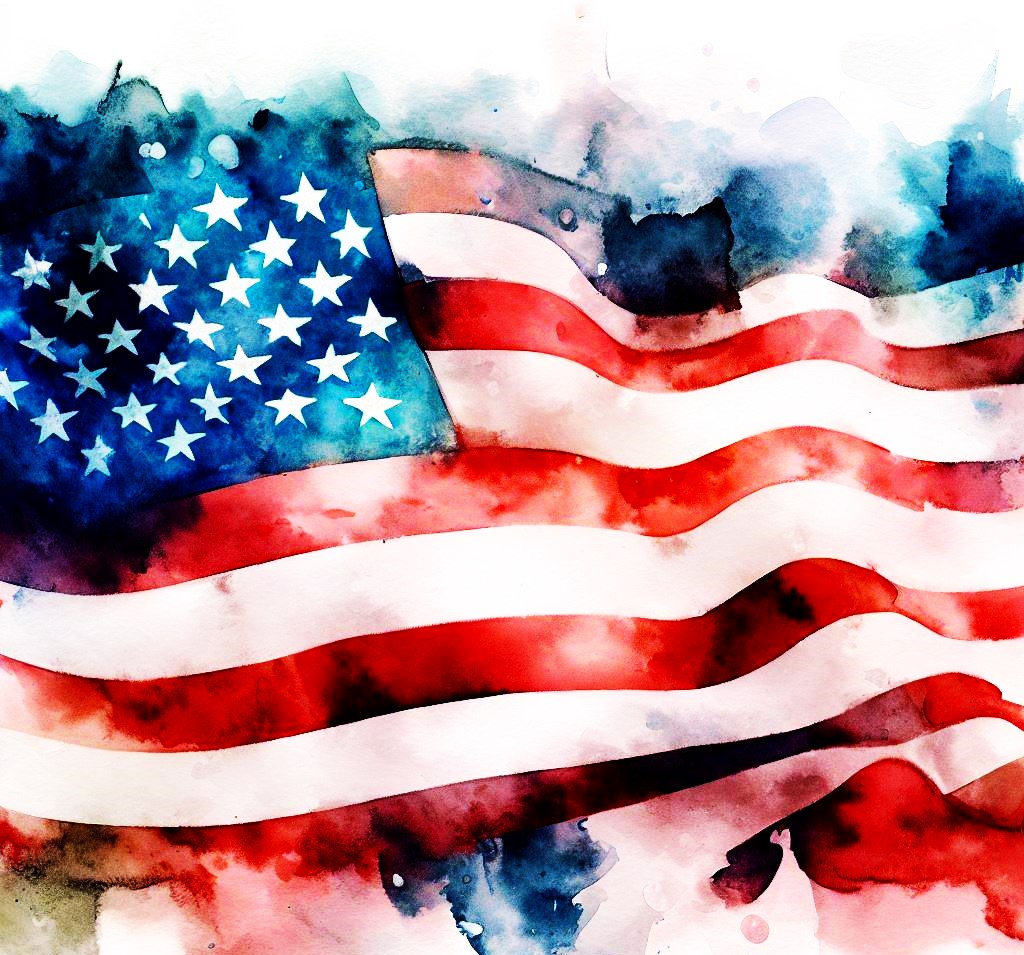
The flag is also known as the Stars and Stripes, Old Glory, or the Star-Spangled Banner.
The flag of the People’s Republic of China consists of a red field with five yellow stars in the upper left corner. The red colour symbolises the revolution and the blood of the martyrs who fought for it. The large star represents the Communist Party of China, while the four smaller stars represent the four social classes: workers, peasants, urban petty bourgeoisie, and national bourgeoisie.
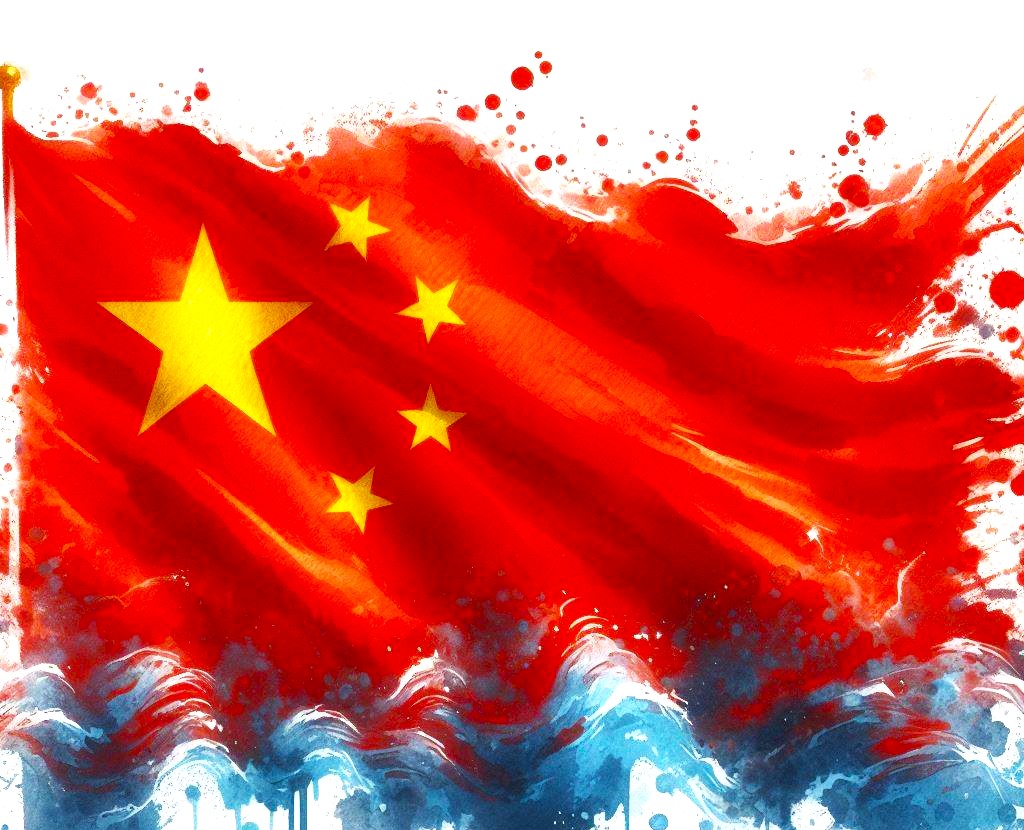
The flag is also known as the Five-Starred Red Flag.

This means that one British pound can buy 1.22 U.S. dollars at the current market rate. The exchange rate fluctuates depending on various factors such as supply and demand, interest rates, inflation, trade balance, and political stability.
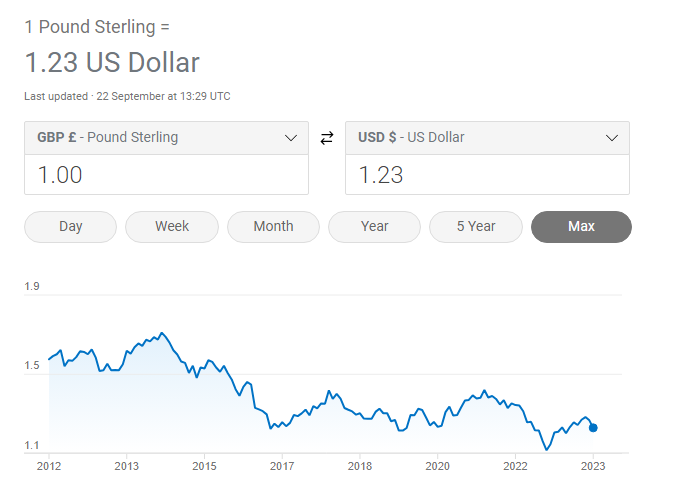
The British pound has been weakening against the U.S. dollar since the Brexit referendum in 2016, when the UK voted to leave the European Union. The uncertainty and instability caused by the Brexit process have reduced the confidence and attractiveness of the British currency in the global market. The U.S. dollar, on the other hand, has been strengthening due to its status as a safe haven and a reserve currency in times of crisis.
The pound reached $1.0327 at one point in late September 2022, its lowest since Britain went decimal in 1971. It also fell more than 1% against the euro to about 86.80p, its lowest level since May 2020.
The current exchange rate of 1.22 USD per GBP is near the lowest point in the last 30 and 90 days, which was 1.2383 USD per GBP.
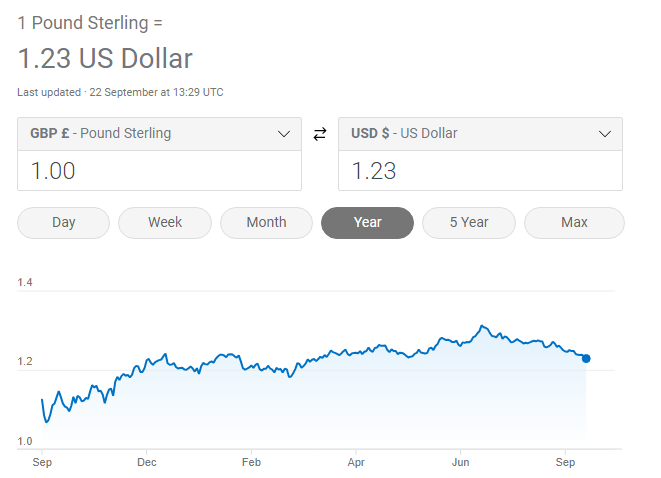
The highest point in the same period was 1.3128 USD per GBP. The average exchange rate in the last 30 days was 1.2563 USD per GBP, and in the last 90 days was 1.2721 USD per GB pound.

Heraclitus was an ancient Greek pre-Socratic philosopher from the city of Ephesus, which was then part of the Persian Empire. Little is known of Heraclitus’s life. He wrote a single work, only fragments of which have survived.


Cathie Wood is an American investor and the founder, CEO and CIO of ARK Invest, an investment management firm that focuses on disruptive innovation. She is known for her bullish views on Tesla, DeepMind, and many other AI companies.
Cathie Wood is a fan of DeepMind, an artificial intelligence research lab acquired by Google in 2014 and founded in 2010. She reportedly says it is ‘one of the best AI companies in the world’ and that the ‘AI revolution’ will ‘change everything’.
She also says that Tesla is the ‘biggest AI opportunity in the world’ today. She believes that Tesla has a huge advantage in data collection and innovation, and that it has just started its growth potential.
Additionally, Cathie Wood has been betting on other AI stocks, such as C3.ai, UiPath, Exact Sciences, and Upstart. She thinks these companies have strong prospects in various fields, such as cloud computing, automation, healthcare, and lending.
DeepMind is a British-American artificial intelligence research lab that is a subsidiary of Google. It was founded in 2010 and acquired by Google in 2014. DeepMind is known for creating neural network models that can learn how to play video games, solve complex problems, and mimic human intelligence. Some of its famous products are AlphaGo, AlphaZero, AlphaFold, and Flamingo.

DeepMind’s mission is to ‘solve intelligence and use it to make the world a better place‘. It has been involved in various fields, such as healthcare, climate change, computer systems, and board games.
DeepMind also collaborates with Google Cloud to enhance its solutions for customers
NOTE: Always do your own research!

Osiris-Rex is a NASA mission that aims to collect and return a sample from asteroid Bennu, which is believed to be a remnant of the early solar system. The mission hopes to learn more about the origins of life on Earth and the potential for asteroid mining in the future.
Osiris-Rex stands for Origins, Spectral Interpretation, Resource Identification, Security-Regolith Explorer. The spacecraft launched in 2016 and arrived at Bennu in 2018. It spent two years mapping and studying the asteroid before successfully collecting a sample of about 300 grams (10.6 ounces) of dust and rocks in October 2020.

The sample capsule is now on its way back to Earth and is expected to land in Utah on September 24, 2023. Scientists are eager to analyze the material and look for clues about how the solar system formed and how organic molecules that are essential for life were delivered to Earth.
Osiris-Rex is also planning an extended mission to visit another near-Earth asteroid called Apophis in 2029. Apophis is considered a potentially hazardous asteroid because it has a small chance of hitting Earth in the future. Osiris-Rex will observe and measure Apophis to improve our understanding of its orbit and characteristics.

It will make a fireball in the sky but a heat shield will protect the craft. Parachutes will then deploy to slow the descent and bring it to a gentle touchdown in Utah’s West Desert.
Bringing with it a special space cargo that may help the human race discover the origin of life.


TikTok is a popular social media app that allows users to create and share short videos. But, it has faced some controversies regarding its algorithm, design, and data protection.
The company was fined $368 million in Europe for failing to protect children’s data. The Irish Data Protection Commission, which oversees TikTok’s activities in the European Union, said that the company had violated the bloc’s signature privacy law.
An investigation by the DPC found that in the latter half of 2020, TikTok’s default settings didn’t do enough to protect children’s accounts.
TikTok drove online ultra online ‘frenzies’ that encouraged anti-social behaviour to spill over into the real world, a BBC Three investigation revealed.
Ex-employees said that the issue was not being tackled for fear of slowing the growth of the app’s business. These ‘frenzies’ were evidenced by interviews with former staffers, app users and BBC analysis of wider social media data. They included false murder accusations, interference in police investigations, school vandalism, and riots.

The algorithm and design means people are seeing videos which they wouldn’t normally be recommended – which, in turn, incentivise them to do unusual things in their own videos on the platform.
Former employees likened these frenzies to ‘wildfires’ and described them as ‘dangerous’, especially as the app’s audience can be young and impressionable.

NatWest customers reported money missing from their accounts after making a cash deposit. The bank has said an issue with its cash deposit machines has been now resolved
Customers shared their concerns on social media on Thursday 21st September 2023 that recently-deposited cash was not showing up in their account balance.
Early on Friday 22nd September 2023, NatWest said the issue had been resolved and that no-one would be left out of pocket.
Some customers had reported going overdrawn because of the issue and expressed concern they would be charged fees.
In a statement, NatWest said, ‘Cash payments to a small number of accounts have been delayed and the issue is now resolved and customer accounts are being updated’.
It is unclear how many people were affected by the issue.
It is also unclear why this happened.

UK interest rates have been left unchanged at 5.25% by the Bank of England (BoE).
The decision comes a day after figures revealed an unexpected slowdown in UK nflation in August 2023.
The Bank had previously raised rates some14 times in a row to tackle inflation, leading to increases in mortgage payments, business loans and consumer borrowing. But it also delivered higher savings rates.
The inflation target for the Bank of England is 2%
The latest move raises the prospect that this cycle of rate increases may have peaked.

Martin Luther King Jr. was a civil rights leader and Nobel Peace Prize laureate who advocated for nonviolent resistance against racial oppression in the United States.
He is best known for his famous ‘I Have a Dream’ speech, delivered at the March on Washington in 1963, where he called for an end to racism and a vision of a society where people are judged by the content of their character, not the colour of their skin.
Martin Luther King Jr. was assasinated in 1968.


Wegovy is a brand name for ‘Semaglutide‘, a prescription medicine used for weight loss in obese or overweight adults with other weight-related medical issues. It works by regulating appetite and reducing calorie intake, leading to weight loss and helping with weight management.
Wegovy was launched in the UK on 4th September 2023 and is available on the NHS as an ‘option‘ for weight management in line with NICE guidance, alongside a reduced-calorie diet and increased physical activity. However, only people with the highest medical need may qualify for the drug, as it is in short supply and its use will be restricted – but celebrities have direct access – do they have the ‘highest medical needs’? Of course they do.
Wegovy has been shown to be effective in clinical trials, achieving up to a 15% reduction in body weight after one year. It has also been found to reduce the risk of a heart attack or stroke in obese people with cardiovascular disease by 20%.
To get Wegovy on the NHS, eligible adults would need a referral to an NHS specialist weight management service, which would usually be made by a GP. Alternatively, Wegovy can be obtained privately, but it may be expensive and not covered by insurance.

Shares rose after the Danish pharmaceutical giant, Novo Nordisk, launched the popular drug in the UK.
At the close of trading on Monday, 4th September 2023, the company had a stock market valuation of $428bn (£339bn).
The drug is now available on the National Health Service in the UK and also via private outlets.
Wegovy is an obesity treatment that is taken once a week which tricks people into thinking that they are already full, so they end up eating less and losing weight.
Famous personalities such as Elon Musk are among the reported users of the drug, which has gained traction in Hollywood and with the public more widely since it was approved by regulators in the US in 2021.
Wegovy and Ozempic – a diabetes treatment with similar effects – have been described as ‘miracle’ drugs. Would that be a ‘miracle for the user or for the pharmaceutical company – or both perhaps?
Experts warn the drug is not a quick fix nor a ‘substitute for a healthy diet and exercise’.
In trials, users often put weight back on after stopping treatment.
There has been a global shortage of the drug, so only limited is awailable for the NHS in the UK.
The company said it will continue to restrict global supplies as it works to ramp up manufacturing.
While the findings still have to be fully reviewed, experts agreed the results were potentially significant.
Exercise, eat less and take… Wegovy!!

William Shakespeare was an English playwright, poet and actor. He is widely regarded as the greatest writer in the English language and the world’s pre-eminent dramatist. He is often called England’s national poet and the ‘Bard of Avon’ (or simply ‘the Bard’).
A bard is a poet, especially one who writes or recites epic or heroic poems. This is the most common and literary meaning of the word.
A bard is also a term for a professional poet-singer or minstrel in ancient Celtic cultures, who was employed by a patron to praise their deeds and ancestors, and to preserve historical and traditional knowledge in verse.
The ‘bards’ were highly respected and influential in Gaelic and Welsh societies, and their poems were often accompanied by musical instruments such as the harp.


The Federal Reserve held interest rates steady in a decision released Wednesday 20th September 2023, while also indicating it still expects one more hike before the end of the year and fewer cuts than previously indicated next year.
That final increase, if realised, would be it for now according to data released at the end of the Fed two-day meeting. If the Fed goes ahead with the move, it would be the twelfth rate hike since policy tightening began in March 2022.
Markets had fully priced in no move at this meeting, which kept the fed funds rate targeted in a range between 5.25%-5.5%, the highest in some 22 years. The rate fixes what banks charge each other for overnight lending but also affects many other forms of consumer debt too.
While the no-hike was expected, there was plenty of uncertainty over where the rate-setting Federal Open Market Committee (FOMC), would go from here.
Judging from reports released Wednesday 20th September 2023, the bias appears towards more restrictive policy and a higher-for-longer approach to interest rates.
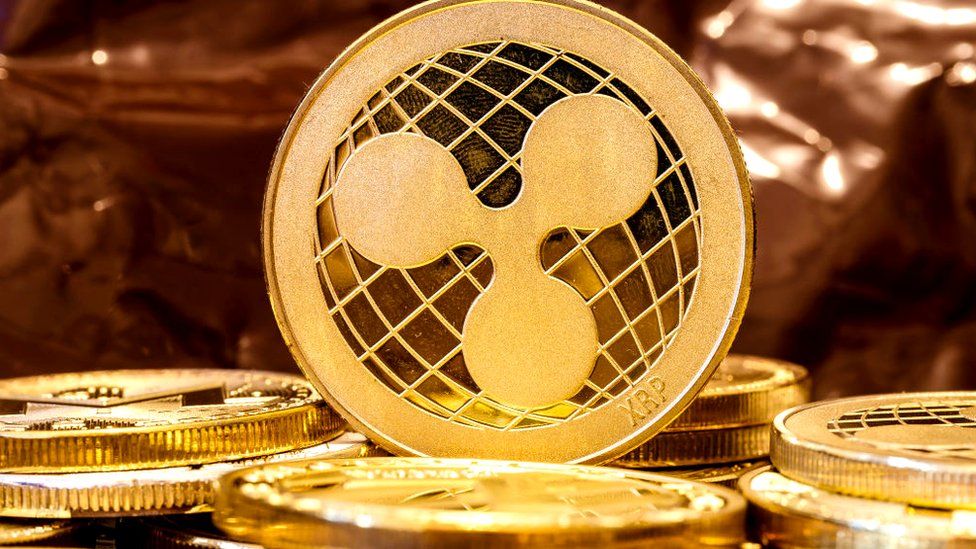
The possibilities of how high the XRP price can go has triggered heated debate among crypto community members over the past week. One particular forecast put the price of the cryptocurrency as high as $10,000 as Ripple advances in the payments sector. However, the validity of this prediction is still heavily debated, leading crypto analysts to weigh in on whether this price point is even possible.
Indicators and investors alike turned bullish for the XRP price following Ripple’s partial victory over the United States Securities and Exchange Commission (SEC) in July 2023. The price of the coin had risen over 60% in the days following the ruling as interest soared.
The token’s rally has since slowed down since then, wiping the majority of its gains from the ruling. However, crypto analysts remain bullish. One analyst put the XRP price at $130, while another analyst sees it going as high as $500.
XRP’s trading volumes, which have been nearly consistent above $1 billion, also show that investors are heavily attached to the coin. This sustained bullishness is further fueled by Ripple’s exploits in the payments sector, as well as working with various countries on their Central Bank Digital Currencies (CBDCs).
Other sources are more conservative and estimate that XRP price could range from $0.50 to $2.18 by the end of 2023, depending on the outcome of the SEC lawsuit, the development of the Ripple protocol, and the market conditions. Some sources also provide long-term predictions for XRP price based on historical trends.
For example, one source suggests that XRP could reach $14.21 by 2040 and $106.14 by 2050 if it follows Bitcoin’s growth trajectory over the past five years.
XRP is a cryptocurrency that powers the Ripple network, which is a decentralized platform for cross-border payments. XRP aims to provide fast, cheap, and secure transactions for individuals and institutions around the world.
XRP price predictions are based on various factors, such as the demand and supply of XRP, the adoption and innovation of the Ripple protocol, the regulatory environment, the competition from other cryptocurrencies, and the overall market sentiment.
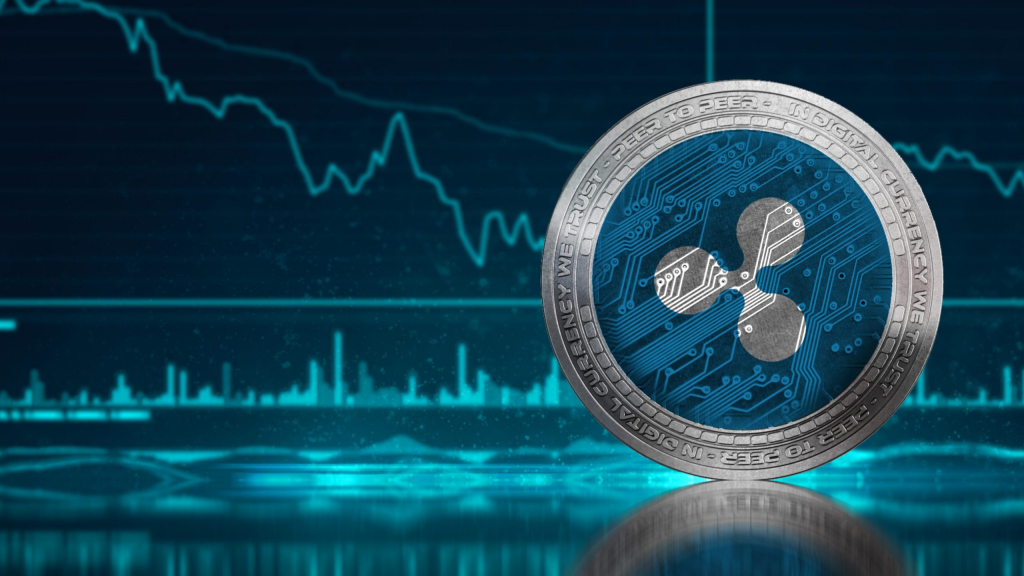
According to some sources, XRP price could reach as high as $100-$500 in the next four to seven months, based on the recent ruling that XRP is not a security and the potential growth of Ripple’s partnerships in the payments space. However, this is a very optimistic scenario that assumes a high level of adoption and innovation of the Ripple network.
However, these predictions are not investment advice and should be taken with a ‘pinch of salt’. The cryptocurrency market is very volatile and unpredictable, and XRP price could be influenced by many factors that are beyond anyone’s control. Therefore, it is advisable to do your own research and analysis before making any financial decisions involving XRP or any other cryptocurrency or any investment.
NOTE: These are not recommendations. Investments may go up or down. Your money is at risk!
This is not advice! Always do your own research!
RESEARCH! RESEARCH! RESEARCH!

A quarter of the world’s population is currently exposed to extremely high annual water stress, according to new data from the World Resources Institute (WRI).
New data from WRI’s Aqueduct Water Risk Atlas show that 25 countries – housing one-quarter of the global population – face extremely high water stress each year, regularly using up almost their entire available water supply. And at least 50% of the world’s population – around 4 billion people – live under highly water-stressed conditions for at least one month of the year.
Living with this level of water stress jeopardizes people’s lives, jobs, food and energy security. Water is central to growing crops and raising livestock, producing electricity, maintaining human health, fostering equitable societies and meeting the world’s climate goals.
Without better water management, population growth, economic development and climate change are poised to worsen water stress.
Across the world, demand for water is exceeding what’s available. Globally, demand has more than doubled since 1960.

Increased water demand is often the result of growing populations and industries like irrigated agriculture, livestock, energy production and manufacturing. Meanwhile, lack of investment in water infrastructure, unsustainable water use policies or increased variability due to climate change can all affect the available water supply.
The smaller the gap between supply and demand, the more vulnerable a place is to water shortages. A country facing ‘extreme water stress’ means it is using at least 80% of its available supply, ‘high water stress’ means it is withdrawing 40% of its supply.
Without intervention – such as investment in water infrastructure and better water governance – water stress will continue to get worse, particularly in places with rapidly growing populations and economies.
The data shows that 25 countries are currently exposed to extremely high water stress annually, meaning they use over 80% of their renewable water supply for irrigation, livestock, industry and domestic needs. Even a short-term drought puts these places in danger of running out of water and sometimes prompts governments to shut off the taps. We’ve already seen this scenario play out in many places around the world, such as India, Iran, Mexico, South Africa, and even in England.
The five most water-stressed countries are Bahrain, Cyprus, Kuwait, Lebanon, Oman and Qatar. The water stress in these countries is mostly driven by low supply, paired with demand from domestic, agricultural and industrial use.
The most water-stressed regions are the Middle East and North Africa, where 83% of the population is exposed to extremely high water stress, and South Asia, where 74% is exposed.
1. Bahrain
2. Cyprus
3. Kuwait
4. Lebanon
5. Oman
6. Qatar
7. United Arab Emirates
8. Saudi Arabia
9. Israel
10. Egypt
11. Libya
12. Yemen
13. Botswana
14. Iran
15. Jordan
16. Chile
17. San Marino
18. Belgium
19. Greece
20. Tunisia
21. Namibia
22. South Africa
23. Iraq
24. India
25. Syria
The biggest change in water demand between now and 2050 is expected to occur in Sub-Saharan Africa. While most countries in Sub-Saharan Africa are not extremely water-stressed right now, demand is growing faster there than any other region in the world. By 2050, water demand in Sub-Saharan Africa is expected to skyrocket by 163% – 4 times the rate of change compared to Latin America, the second-highest region, which is expected to see a 43% increase in water demand.
Demand has plateaued in wealthier countries in North America and Europe. Investment in water-use efficiency has helped reduce in-country water use in high income countries, but water use and dependencies extend beyond national boundaries, and the water embedded in international trade from lower-middle income countries to high income countries will increasingly contribute to rising water stress in low and lower-middle income countries.
Increasing water stress threatens countries’ economic growth as well as the world’s food security.
According to data from Aqueduct, 31% of global GDP – a whopping $70 trillion – will be exposed to high water stress by 2050, up from $15 trillion (24% of global GDP) in 2010. Just four countries – India, Mexico, Egypt and Turkey – account for over half of the exposed GDP in 2050.

Water shortages can lead to industrial interruptions, energy outages and agricultural production losses – like those already being seen in India, where a lack of water to cool thermal powerplants between 2017 and 2021 resulted in 8.2 terawatt-hours in lost energy – or enough electricity to power 1.5 million Indian households for five years. Failing to implement better water management policies could result in GDP losses in India, China and Central Asia of 7% to 12%, and 6% in much of Africa by 2050 according to the Global Commission on Adaptation.
Global food security is also at risk. Already, 60% of the world’s irrigated agriculture faces extremely high water stress – particularly sugarcane, wheat, rice and maize. Yet to feed a projected 10 billion people by 2050, the world will need to produce 56% more food calories than it did in 2010 – all while dealing with increasing water stress as well as climate-driven disasters like droughts and floods.
It’s good to understand the state of the world’s water supply and demand, but water stress doesn’t necessarily lead to water crisis. For example, places like Singapore and the U.S. city of Las Vegas prove that societies can thrive even under the most water-scarce conditions by employing techniques like removing water-thirsty grass, desalination, and wastewater treatment and reuse.
In fact, WRI research shows that solving global water challenges is cheaper than you might think, costing the world about 1% of GDP, or 29 cents per person, per day from 2015 to 2030. What’s missing is the political will and financial backing to make these cost-effective solutions a reality.
If this cost conclusion is accurate – why aren’t we doing it?
V-Bucks are the in-game currency of Fortnite, they can be used to buy virtual items such as skins and loot. However, some players have complained that they were charged for unwanted items and that their children made purchases without their knowledge.
As a result, Epic Games, the developer of Fortnite, agreed to pay $245 million to settle a lawsuit with the U.S. Federal Trade Commission (FTC) and offer refunds to eligible customers.
If you want to apply for a refund, you need to visit the FTC’s official website and fill out a form with your claim number or your Epic Account ID.
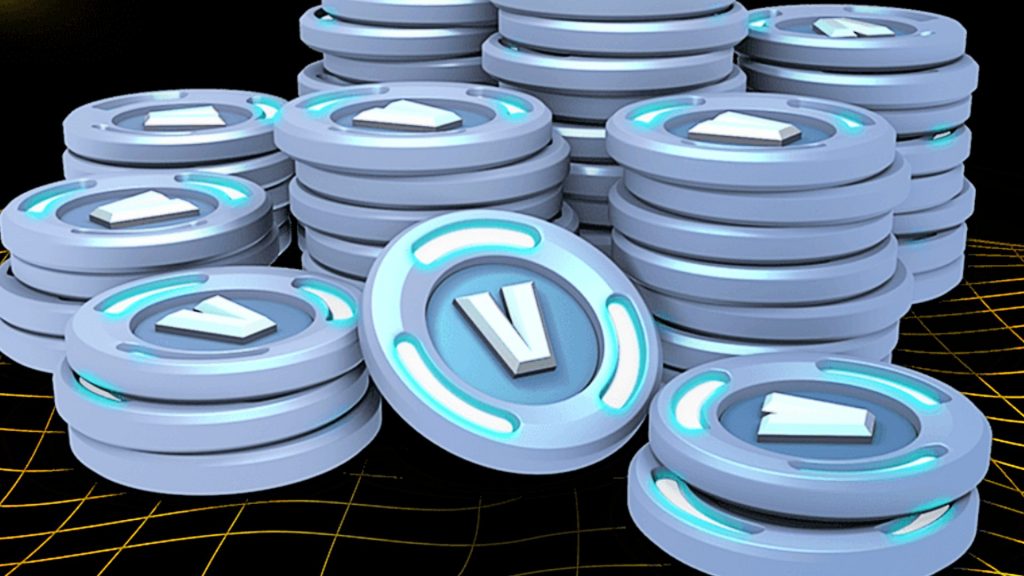
The deadline for claims is January 17, 2024. Alternatively, if you want to return a skin or an item that you bought with V-Bucks within the last 30 days, you can do so by following these steps…
Go get you v-bucks back!

UK Prime Minister Rishi Sunak is reportedly planning to water down some of Britain’s climate commitments, saying the country must fight climate change without penalising workers and consumers.
Sunak issued a statement Tuesday in response to a BBC report saying the prime minister is considering extending deadlines for bans on new petrol and diesel cars – currently due in 2030 —- and on new natural-gas home heating.
The news drew dismay from environmental groups, opposition parties and some members of Sunak’s Conservative Party. It broke as senior politicians from the U.K. and around the world gather at the United Nations General Assembly in New York, where Biden and Yellen have placed climate high on the agenda.
Senior Tories who have championed net zero policies are reportedly furious at Sunak’s plans to delay or water down green measures. They warn that the decision will cost the U.K. jobs, inward investment and future economic growth that could have been theirs by committing to the industries of the future.
Home Secretary Suella Braverman says she backs Rishi Sunak’s expected shift on how the UK gets to net zero carbon emissions.
‘We’re not going to save the country by bankrupting the British people,’ she told BBC Breakfast.
It must be true, I’ve just seen it on the news. Is the UK broke? Is this the real reason for the climate roll-back?
‘We’re not going to save the country by bankrupting the British people’.
Does the UK have the money? Is it a too big-a-burden for the UK tax payer? Can the UK generate enough ‘POWER’ from renewables? The UK needs fossil fuels?
Most of the world still needs fossil fuels!
Are we really ready to switch yet? Renewables and fossil fuels will have to work hand-in-hand for some time yet.

According to the Office for National Statistics (ONS), the UK’s inflation rate dropped unexpectedly in August 2023 to its lowest level since the start of Russia’s invasion of Ukraine, which led to sharp rises in energy and food costs which were already on the rise due to the pandemic.
The Consumer Prices Index (CPI) rose by 6.7% in the 12 months to August 2023, down from 6.8% in July. The Consumer Prices Index including owner occupiers’ housing costs (CPIH) rose by 6.3% in the 12 months to August 2023, down from 6.4% in July.
The ONS said that the main factors behind the fall in inflation were lower prices for clothing, footwear, and second-hand cars, partly offset by higher prices for transport services and recreational goods.
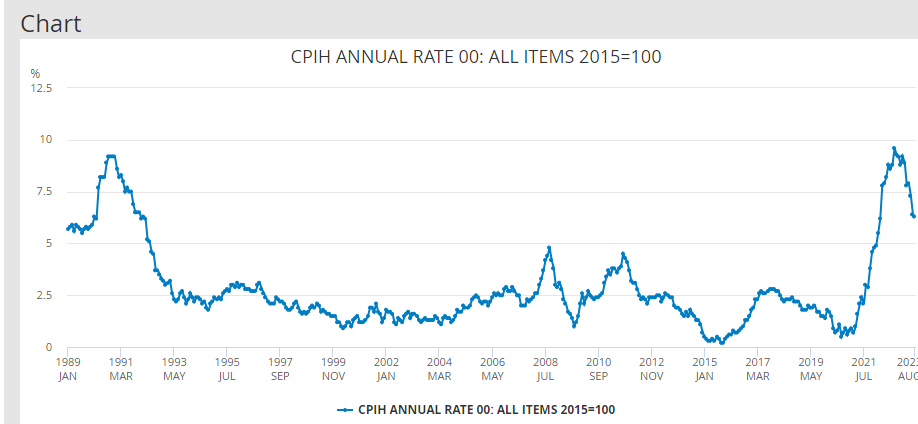
The ONS also said that the inflation rate was still high compared with historical levels, and that it expected it to rise further in the coming months due to increases in energy bills and supply chain pressures.
You can find more details and data about the UK inflation and price indices on the ONS website or on the Consumer price inflation, UK: August 2023 time series.
Chancellor Jeremy Hunt said the news showed ‘the plan to deal with inflation is working’. Well Jeremy, your comments are encouraging – if you truly believe a 0.1% fall in inflation is ‘working‘. Where were you when the Bank of England lost control of the ‘2% inflation remit’.
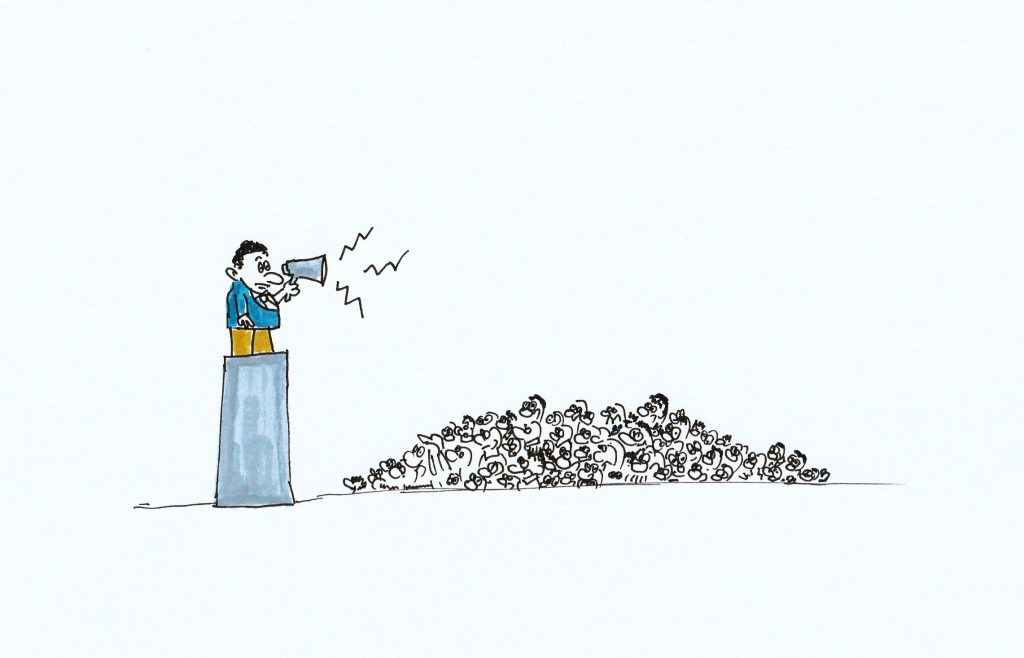
Where were you when the excessive ‘uncontrolled’ government borrowing infected the UK’s economy? With all that ‘free’ money sloshing around the system, what did you really expect would happen..?