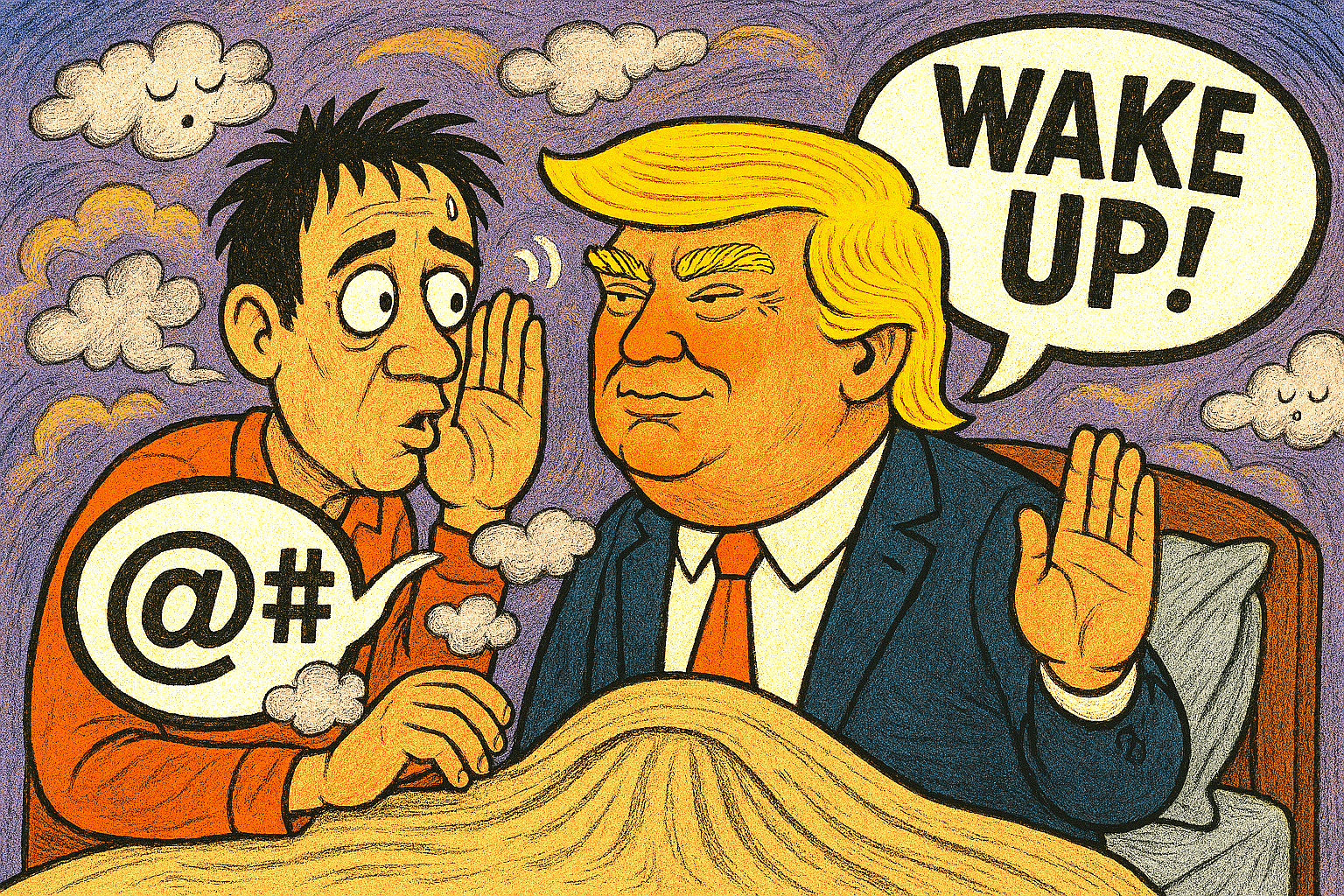

Trump whisperer – surreal or real – wake me up please and tell me this is a nightmare!

Nightmare

Oh no! It’s real

This feels surreal because the language being used around global politics has slipped into something closer to internet fandom than international statecraft. You’re not dreaming — it really has become this strange.

The terms ‘Daddy‘ and Trump whisperer‘ are part of a wider cultural shift where political commentary, journalism, and social media increasingly borrow the tone of celebrity gossip.

Instead of treating leaders as officials with constitutional responsibilities, they’re framed like characters in a drama.

The language is deliberately provocative, designed to grab attention, generate clicks, and turn complex geopolitical dynamics into digestible entertainment. And that is not a good thing.

Why this language is appearing

A vacuum of seriousness: When diplomatic behaviour itself becomes erratic or theatrical, the commentary follows suit.

Media sensationalism: Outlets know that emotionally charged or absurd phrasing spreads faster than sober analysis.

Personality‑driven politics: Modern politics often centres on individuals rather than institutions, making it easier for commentators to use personal, even infantilising labels.

Social‑media bleed‑through: Memes, nicknames, and ironic slang migrate from online communities into mainstream reporting.

Why it feels surreal

Because diplomacy used to be defined by restraint, coded language, and careful signalling. Now it’s shaped by public outbursts, personal insults, and performative bravado.

The commentary mirrors the behaviour: if leaders act like protagonists in a chaotic reality show, the language surrounding them inevitably becomes more absurd.

The result is a political environment that feels weightless — as though the stakes aren’t enormous, as though the words don’t matter.

But they do. This shift erodes the dignity of institutions, trivialises international relationships, and leaves citizens feeling as though they’ve stumbled into a parody of global governance.

It’s not a dream

You’re not dreaming. It’s simply that diplomacy has drifted so far from its traditional norms that it now resembles satire.

The challenge is that the consequences are very real, even if the language sounds like a joke.

Please STOP! Wake up and grow up, all of you – and that includes the media too.

A Trump Tariff Tantrum and the Greenland Gambit: Europe Braces for more Trump Turmoil

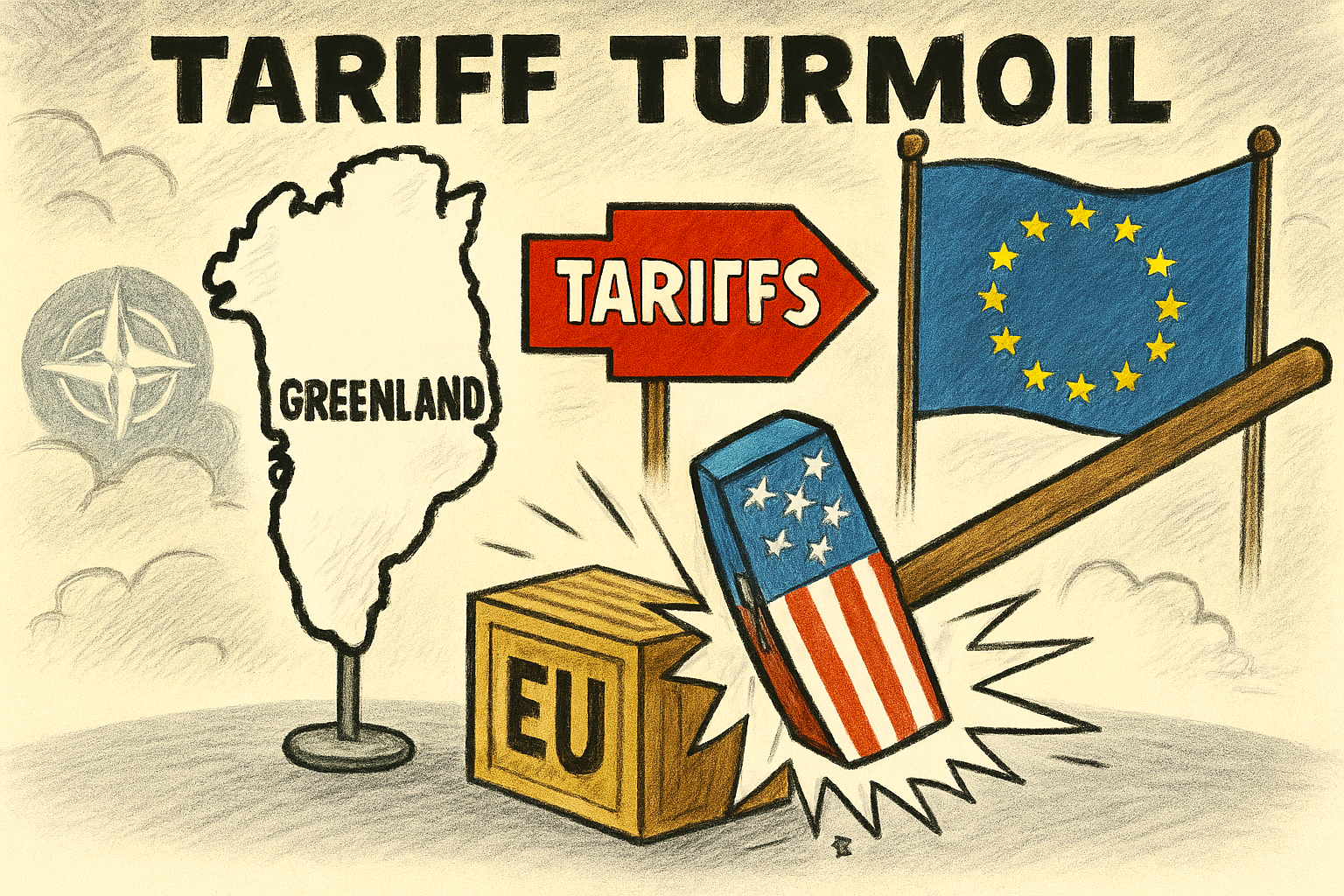
Tariff Turmoil

Donald Trump’s latest tariff broadside has sent a fresh tremor through Brussels, rattling diplomats who were already juggling NATO tensions and the lingering aftershocks of previous trade disputes.

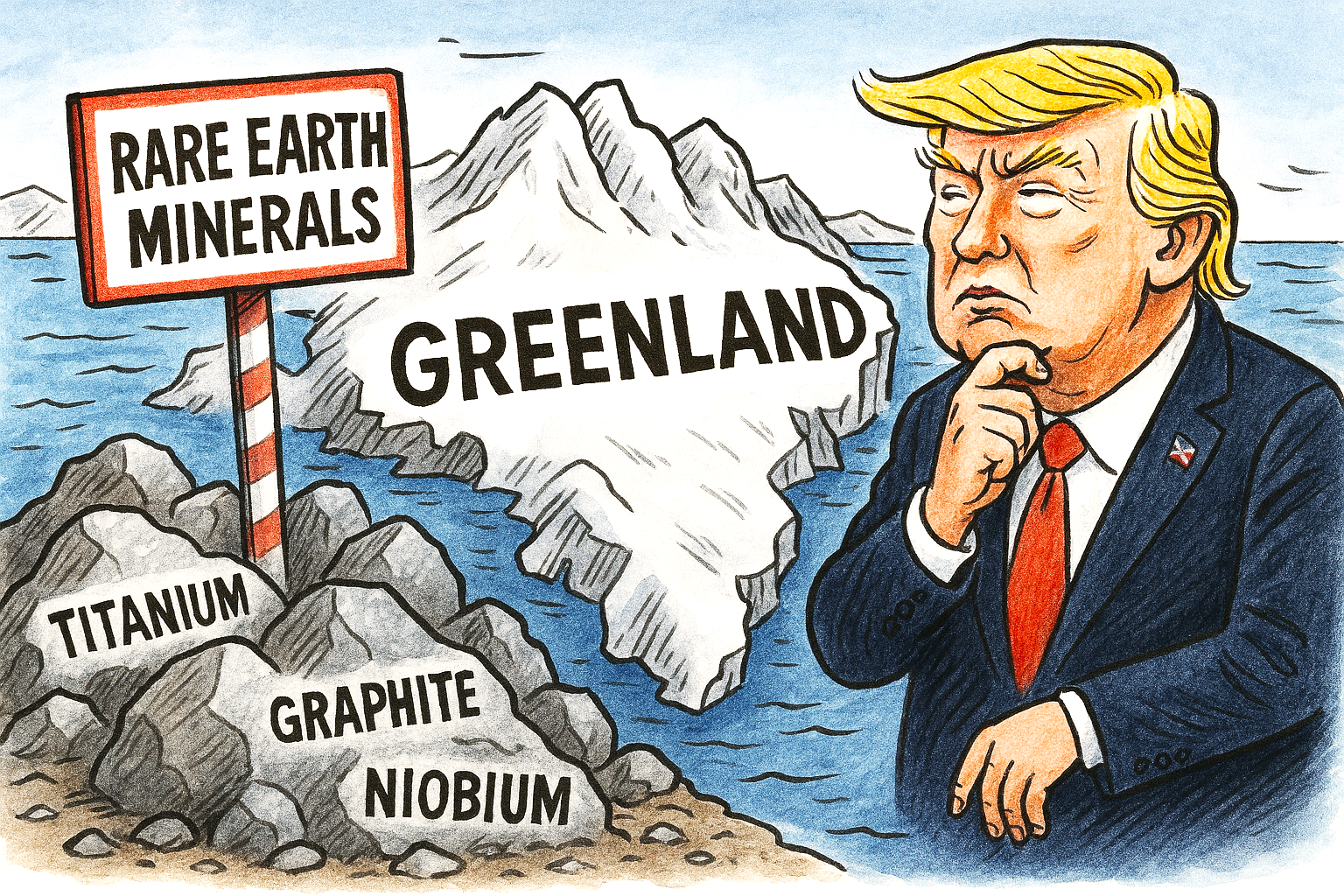
This time, the spark is an unexpected one: Greenland

The controversy began when Trump revived his long‑standing frustration over what he describes as Europe’s ‘unfair’ economic advantage.

According to commentators, his renewed push for steep tariffs on EU goods is tied to a broader strategic grievance — namely, Europe’s refusal to support his administration’s interest in expanding U.S. influence in the Arctic, particularly around Greenland.

While the idea of purchasing the island was dismissed years ago, the geopolitical value of the Arctic has only grown, and Trump’s circle continues to frame Greenland as a missed opportunity that Europe ‘blocked’.

The EU, blindsided by the sudden escalation, now finds itself scrambling to interpret the move.

NATO tariff leverage

Analysts argue that the tariffs are less about economics and more about leverage within NATO.

Trump has repeatedly insisted that European members must increase defence spending, and some observers see the Greenland dispute as a symbolic pressure point — a reminder that the US expects alignment on strategic priorities, not just budget commitments.

Bullying?

European leaders, meanwhile, are attempting to project calm. Publicly, they describe the tariffs as disproportionate and counterproductive. Privately, officials admit that the timing is deeply inconvenient.

With several member states already facing domestic economic pressures, a transatlantic trade clash is the last thing they need.

Yet the EU is also wary of appearing weak. Retaliatory measures are reportedly being drafted, though diplomats insist they hope to avoid a spiral.

The fear is that a tariff war could fracture cooperation at a moment when NATO unity is already under strain.

For now, Europe waits — bracing for the next twist in a saga where Greenland, of all places, has become the unlikely fault line in transatlantic politics.

Shock but no ‘awe’ in Trump’s first 100 days in office

Sledgehammer policies

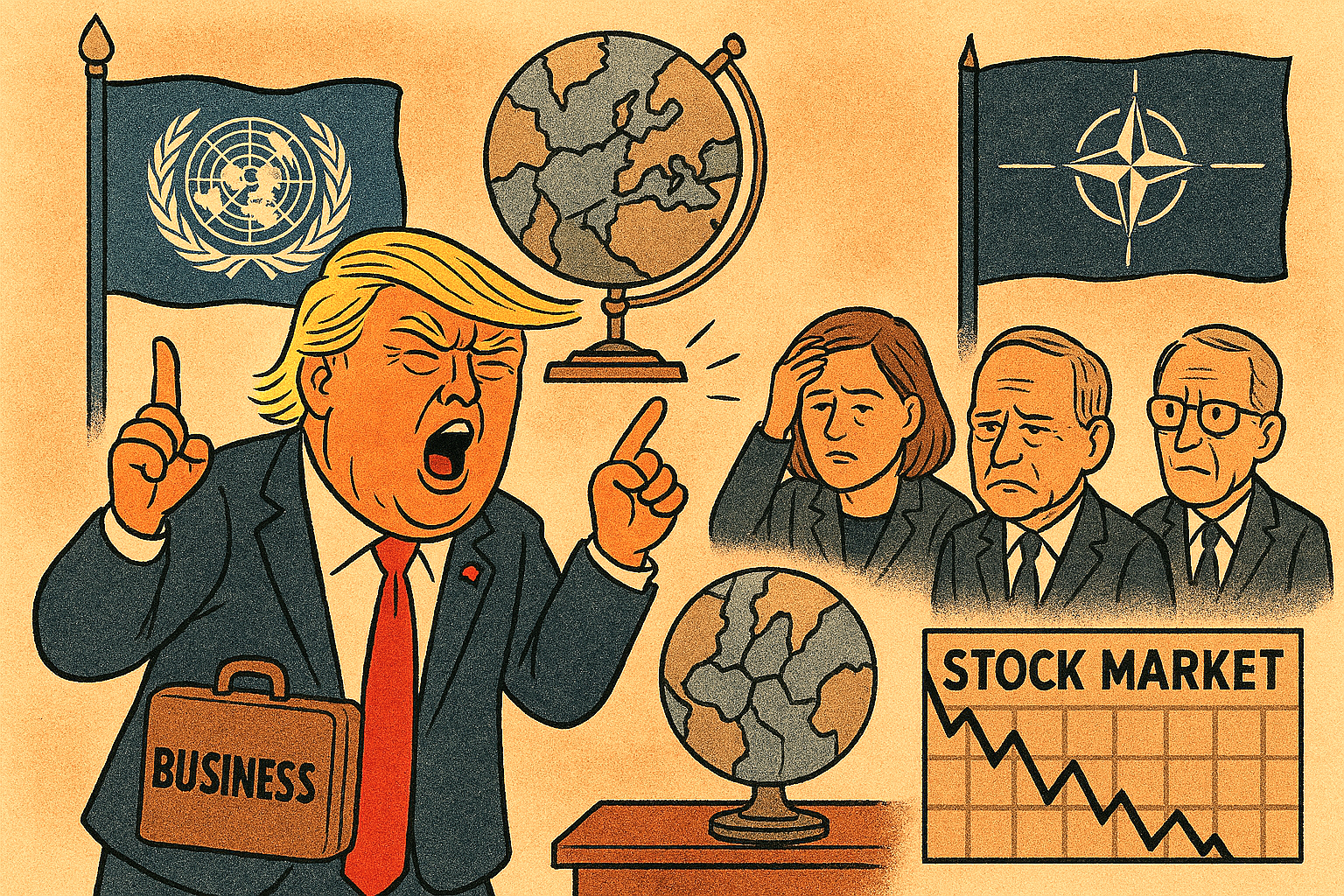
U.S. President Donald Trump has definitely brought a lot of shock in the first 100 days of his presidency, smashing trade links, alliances, and even his own government, but it can hardly be said to have left anybody truly in ‘awe’.

Donald Trump’s first 100 days in office during his second term have been a whirlwind of activity, marked by bold moves and significant controversy.

His poll rating is the lowest of any President of recent times for the first 100 days. It currently sits at around 41% (a CNN poll result suggests).

How does it compare?

Harry S. Truman, hit a rock-bottom approval rating of 22% in 1952. Other presidents like Richard Nixon and George W. Bush also dipped below 25%. But these were during their terms and not in the first 100 days.

His administration has focused heavily on reshaping trade policies, imposing tariffs that have disrupted global markets and strained relationships with long-standing allies.

Despite his claims of progress, no major trade deals have been finalised, leaving many questioning the effectiveness of his approach.

Legal challenges

Domestically, Trump’s policies have faced significant legal challenges, with numerous lawsuits filed against his administration. His stance on immigration and energy has sparked heated debates, reflecting the polarising nature of his decisions.

Trump’s ‘drill-baby-drill’ mantra has not had the desire reaction – oil prices has fallen with U.S. oil below $65 a barrel.

The automotive industry, for instance, has grappled with regulatory uncertainty and additional costs due to his tariffs, prompting him to soften some measures in response to industry concerns.

Internationally, Trump’s actions have raised concerns about U.S. credibility and stability. His hostile stance toward traditional allies, such as Canada, the EU and NATO, has left multi-decade relationships in tatters.

Meanwhile, his administration’s handling of the ongoing war in Ukraine and trade negotiations with China has drawn criticism for its lack of tangible results.

Despite these challenges, Trump remains confident in his vision for America. He has claimed progress in tariff negotiations with India, suggesting that a trade deal may be on the horizon.

No deals… yet

There has not been a single trade deal concluded with Trump’s administration – despite him reportedly claiming to have done ‘200 deals’ with only 195 countries in the world.

China is still striking a defiant tone on trade, and the war in Ukraine rages on. The president has also been forced to walk back on his “reciprocal tariffs.” 

However, his administration’s approach has left many wondering whether his first 100 days will be remembered for their impact or their controversy.

As the dust settles, the world watches closely to see how Trump’s policies will shape the future of the United States and its role on the global stage.

Trump may have wanted his first 100 days to be historic, and they were – but for all the wrong reasons.