
International diplomacy has always been a theatre of competing interests, strategic ambiguity, and the occasional flash of statesmanship.
Yet the scenes emerging from Davos yesterday seen to suggest something far more troubling: a descent into performative brinkmanship and schoolyard theatrics that would be unthinkable in any previous era of global leadership.
Tension and tariffs
At the centre of the storm was President Donald Trump, whose renewed push to acquire Greenland triggered a cascade of diplomatic tension.
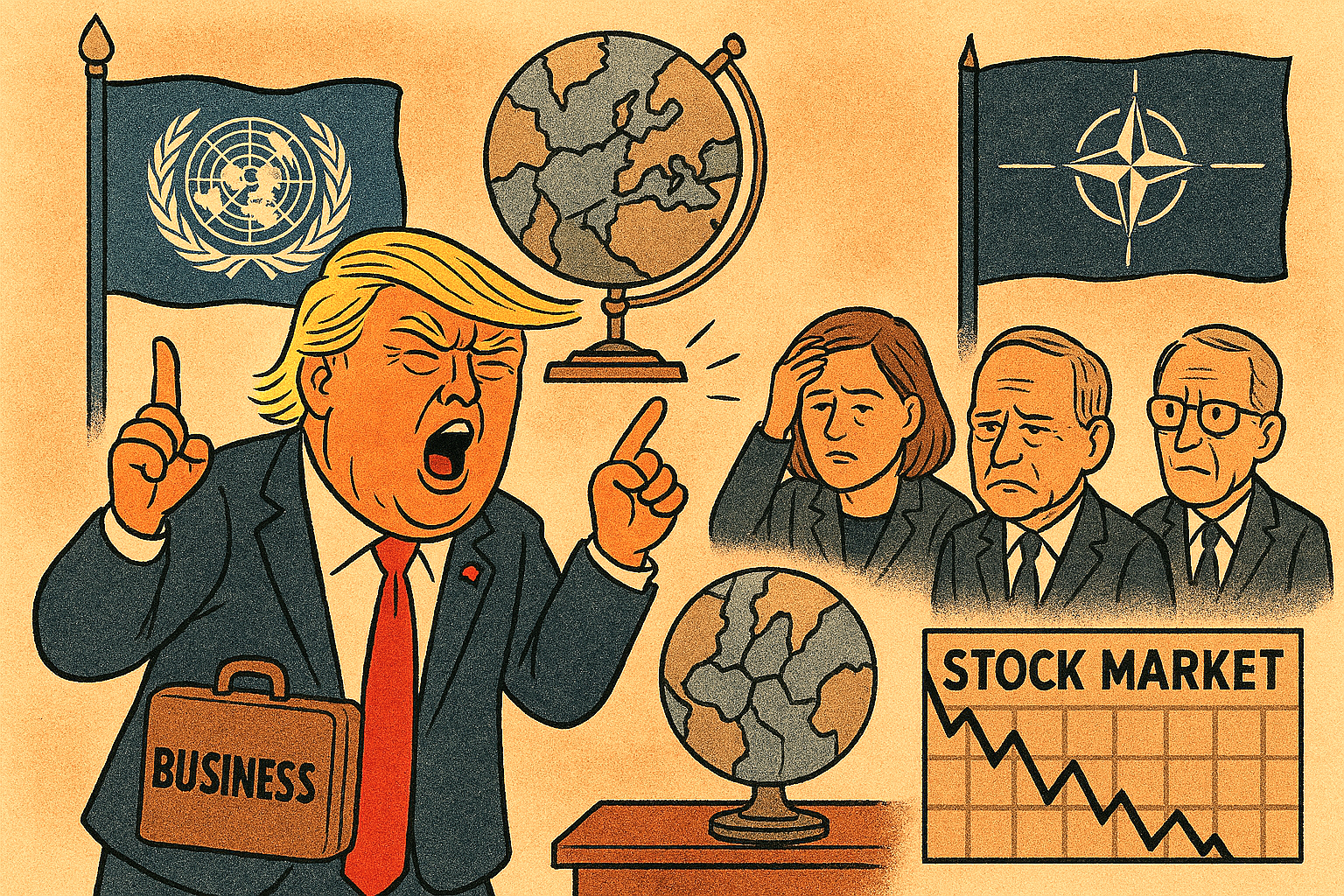
Reports indicate he threatened tariffs of 10%, rising to 25%, on a range of European and NATO allies unless they agreed to sell the territory to the United States.
In the same breath, he suggested he could take Greenland by force—an extraordinary notion given that it is part of Denmark, a NATO member—before later reportedly insisting he would not actually pursue military action, as he added, he would be’ unstoppable’ if he did!
Spectacle
The spectacle did not end there. Trump’s Davos appearance was peppered with derision aimed at European leaders, including dismissive remarks about the UK and its prime minister, and barbed comments directed at France’s president.
His rhetoric framed long-standing allies as obstacles rather than partners, and NATO as a body that should simply acquiesce to American territorial ambitions.
In one speech, he declared the U.S. ‘must get Greenland‘, while markets reacted sharply to the escalating threats.
Fallout
Behind the bluster, NATO officials appeared to scramble to contain the fallout. By the end of the day, Trump announced he was withdrawing the tariff threats after agreeing to what he called a ‘framework of a future deal’ with NATO leadership.
However, details were conspicuously absent, and the announcement did little to restore confidence in the stability of transatlantic relations.
Childlike behaviour
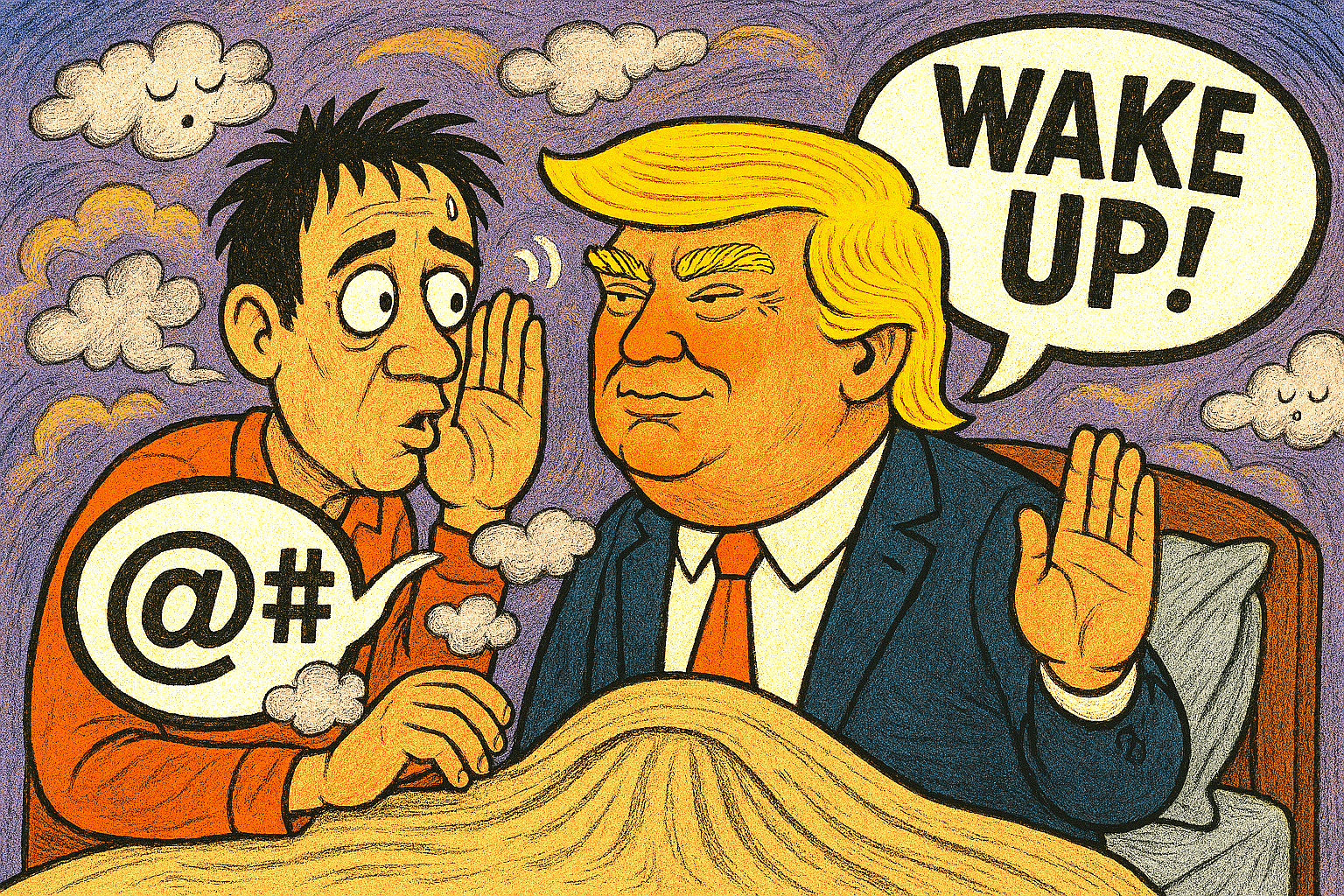
What makes this moment feel so ‘child‑like’, as many observers have put it, is not merely the substance of the demands but the tone: the ultimatums, the insults, the swaggering threats followed by abrupt reversals.
Diplomacy has always involved pressure, but rarely has it been conducted with such theatrical volatility. The language of global leadership has shifted from careful negotiation to something closer to reality‑TV brinkmanship.
Farcical melodrama
This is not just embarrassing—it is farcical, disturbing and dangerous. When the world’s most powerful nations communicate through taunts and tariff threats, the foundations of international cooperation erode.
Allies become adversaries, institutions weaken, and global stability becomes collateral damage in a performance of personal dominance.
Davos was once a forum for sober reflection on global challenges. In 2026, it became a stage for geopolitical melodrama. And unless the tone of international diplomacy changes, the world may find itself paying a far higher price than tariffs.
Spin
The U.S. diplomatic ‘team’ later set to work ‘spinning’ the stories as the media further lost themselves in the never-ending story of ‘political noise’.
It’s farcical.