

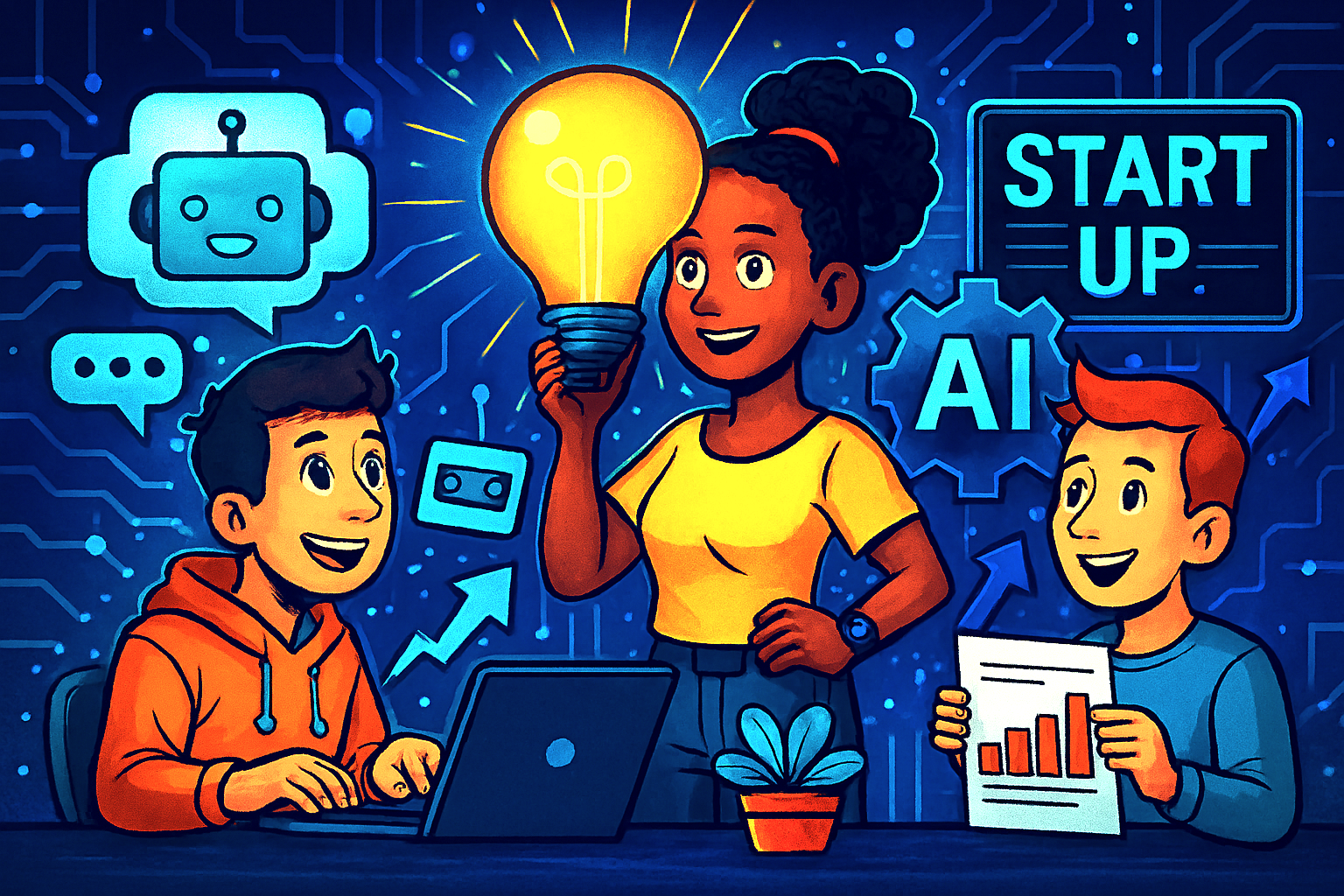
A new generation of entrepreneurs is stepping forward with a level of confidence that feels markedly different from previous waves of start‑ups.
What sets them apart is not just ambition or access to technology, but a deep, intuitive understanding of artificial intelligence.
AI as a tool
For many young founders, AI is no longer a mysterious tool reserved for specialists; it is a natural extension of how they think, create, and solve problems.
Teenagers and twenty‑somethings who grew up experimenting with machine‑learning apps, chatbots, and automation platforms now see AI as a practical ally rather than an abstract concept.
This familiarity lowers the psychological barrier to entrepreneurship. Instead of wondering how to start a business, they ask what they can build with the tools already at their fingertips.
One of the most striking shifts is the speed at which ideas move from concept to prototype. Young entrepreneurs routinely use AI to draft business plans, test branding concepts, analyse markets, and even simulate customer behaviour.
It’s the greatest ‘what if’ analysis ever!
Tasks that once required expensive consultants or weeks of manual work can now be completed in hours. This acceleration doesn’t just save time; it encourages experimentation. When the cost of failure drops, creativity expands.
AI also levels the playing field. A single founder can now perform the work of a small team, using automation to handle customer support, content creation, scheduling, and data analysis.
This empowers young people who may lack capital or industry connections but possess strong digital instincts. They can launch lean, agile ventures that scale quickly without the traditional overheads.
Education is evolving too. Many young entrepreneurs learn through online communities, open‑source projects, and hands‑on tinkering rather than formal training.
Discipline
This self‑directed highly disciplined learning style aligns perfectly with AI tools that reward curiosity and rapid iteration. As a result, these founders often approach business with a hybrid mindset: part technologist, part creative, part strategist.
Of course, challenges remain. Ethical considerations, data privacy, and the risk of over‑reliance on automation require thoughtful navigation.
Responsible
Yet this generation appears unusually aware of these issues, often building transparency and responsibility into their ventures from the outset.
What’s emerging is a landscape where youth is not a disadvantage but a strategic advantage. Their fluency with AI allows them to imagine possibilities others overlook and to act on those ideas with unprecedented speed.
In many ways, they are not just starting businesses with AI—they are redefining what entrepreneurship looks like in an AI world.