Masayoshi Son says AI to surpass human intelligence and that SoftBank will ‘rule the world’. Oh dear…!
Main points in brief
Masayoshi Son reportedly said AI is capable of helping solve the world’s biggest problems and could potentially surpass the intelligence of humans.
He said he was a ‘big believer’ in AI and that Arm, a chip design company owned by Softbank, was a ‘core’ beneficiary of the AI revolution.
He said AI would supercharge human ability and that Softbank would ‘rule the world’ and win the latest generative-AI race thanks to its heavy investment in startups and its majority stake in Arm.
He also acknowledged that AI posed some threats to humanity if mishandled and that society should regulate it to protect humankind.
Masayoshi Son and SoftBank
The 66-year-old founded SoftBank, which still controls about 90% of Arm Holdings after the IPO, back in 1981 after graduating from the University of California, Berkeley. Forbes estimates his net worth at more than $24 billion, making him the world’s 69th richest person.
Son made his early reputation as an investor in Japan’s mobile phone industry, and went on to become one of the first backers of Yahoo as well as Alibaba. Son continues to serve as the chairman of Arm’s board of directors.
AI does pose some threats to humanity if mishandled, Son said, likening its potential misuse to the dangers of speeding, or drinking alcohol while driving a car. But, more positively, AI can also help solve key world problems like diseases or help mitigate or recover from natural disasters, he reportedly said.
‘AI, society should regulate to protect humankind’, Son said. ‘However, it has more merit than the demerits. So, I think I’m a believer. I’m optimistic that AI is going to solve the issues that mankind couldn’t solve in the past‘.
According to news reports, France has banned the Apple iPhone 12 because it emits too much electromagnetic radiation, which could be harmful to human health.
The French watchdog (ANFR) said that the iPhone 12’s specific absorption rate (SAR), which measures the rate of radio frequency energy absorbed by the body, was above the legal limit of 4.0 watts per kilogram in tests simulating the phone being held in the hand or kept in a pocket.
Dispute
Apple disputed the tests and said that the iPhone 12 was certified by multiple international bodies and compliant with all global radiation standards. The French digital minister said that Apple had two weeks to respond and fix the issue, or else he would order a recall of all iPhone 12 devices sold in the country.
The minister also said that France would share its findings with other regulators in the European Union, which could lead to a wider ban of the phone.
France ban Apple iPhone 12 due to excessive radiation fears
What is electromagnetic radiation?
Radiation from mobile phones is a type of electromagnetic radiation that is emitted by cell phones and cordless phones when they send and receive signals. Electromagnetic radiation is a form of energy that travels in waves or particles through space.
It can be classified into two types: ionizing and non-ionizing radiation. Ionizing radiation has high energy and can damage DNA, which may increase the risk of cancer such as; x-rays, radon, and cosmic rays. Non-ionizing radiation has low energy and cannot damage DNA directly – such as; radio waves, microwaves, infrared, visible light, and ultraviolet light.
Cell phone radiation
Cell phones use radiofrequency (RF) waves, which are a type of non-ionizing radiation, to communicate with cell towers and other devices. RF waves have frequencies ranging from 0.7 to 80 GHz, depending on the generation of the cell phone (2G, 3G, 4G, or 5G). The human body can absorb some of the RF energy from cell phones, which may cause some heating to the area of the body where the phone is held (e.g., the ear and head). However, it is suggested this heating is not enough to raise the core body temperature or cause any harmful effects.
Research
There has been a lot of research on whether cell phone use can cause health problems, such as cancer, in humans. However, it has been reported that the evidence so far is not conclusive and does not show a clear link between cell phone use and cancer risk. There could be a link but we do not know 100%… yet?
Some studies have suggested that there may be a small increase in the risk of certain types of brain tumors (such as acoustic neuromas) for people who use cell phones for a long time or frequently. However, other studies have not found any consistent evidence to support this.
The incidence of brain and central nervous system cancers has not changed significantly during the time that cell phone use has increased dramatically. Therefore, more research is needed to understand the possible effects of cell phone use on human health.
The upcoming IPO of Arm Holdings, the British chip designer that is owned by SoftBank Group is already oversubscribed by more than 10 times. Bankers plan to stop taking orders by the afternoon of 12th Deptember 2023.
This means that there is a massive demand for the shares and the company may raise more money than expected. The IPO could end up as much as 15 times oversubscribed by Wednesday 13th September 2023, which would indicate a very high valuation for Arm.
High end valuation $55 billion
Arm filed for its IPO at $47 to $51 a share, which could value the company at $54.5 billion at the high end of the range. However, Arm is still reportedly considering raising the price range of its IPO. This could easily make Arm one of the most valuable tech companies in the world.
ARM IPO over subscribed September 2023
Arm is a key part of the chip supply chain, designing semiconductors found in most of the world’s smartphones, as well as other devices and applications.
Arm is poised to become a bigger and more profitable business, as it shifts to high-margin chips and benefits from the boom in cloud computing and artificial intelligence (AI).
Arm’s CEO Rene Haas has been pitching investors on this pivot and the growth prospects of the company.
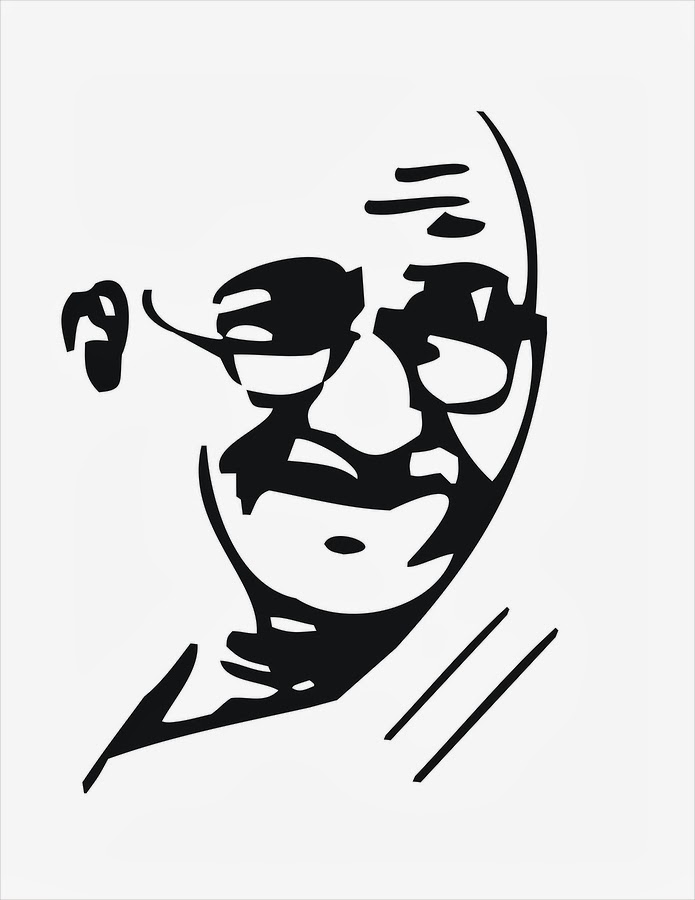
He was an anti-colonial nationalist, Indian lawyer and political ethicist who employed nonviolent methods to lead the successful campaign for India’s independence from British rule.
He inspired civil rights movements and freedom across the world
Gandhi, who led a major nonviolent protest against the British rule in India by marching to the sea to make salt. He was also known as Mahatma Gandhi, meaning ‘great soul’ in Sanskrit.
He inspired millions of Indians to join his campaign of civil disobedience, or satyagraha, which means ‘truth force’ or ‘soul force’ in Sanskrit.
He was arrested several times by the British authorities, but he never gave up his fight for India’s independence. He is widely regarded as the father of the Indian nation and a global symbol of peace and justice.
‘Be the change that you wish to see in the world’.
According to a report by Henley & Partners, a professional consultancy firm, there are 22 people who have crypto holdings worth at least $1 billion as of September 2023. Six of them hold their investments in Bitcoin, the first and largest cryptocurrency by market capitalization.
Six Bitcoin billionaires reported net worth
Micree Zhan, the co-founder of Bitmain, a leading manufacturer of Bitcoin mining hardware. He has a reported net worth of $3.2 billion as of January 2021.
Chris Larsen, the co-founder and executive chairman of Ripple, a blockchain platform that facilitates cross-border payments. He has a reported net worth of $2.9 billion as of January 2021.
Michael Saylor, the founder and CEO of MicroStrategy, a business intelligence company that has invested over $1 billion in Bitcoin since 2020. He has a reported net worth of $2.3 billion as of January 2021.
Bitcoin billionaire pile
Changpeng Zhao, the founder and CEO of Binance, the world’s largest cryptocurrency exchange by trading volume. He has a reported net worth of $1.9 billion as of January 2021.
Tim Draper, a venture capitalist and early investor in Bitcoin and other cryptocurrencies. He has a reported net worth of $1.5 billion as of January 2021.
Brian Armstrong, the co-founder and CEO of Coinbase, the largest cryptocurrency exchange in the U.S. He has a reported net worth of $1.3 billion as of January 2021.
Satoshi Nakamoto
There are also likely to be some anonymous Bitcoin billionaires who have not disclosed their identities or holdings to the public.
One of them could be Satoshi Nakamoto, the mysterious ‘likely’ creator of Bitcoin, who is estimated to have mined over one million Bitcoins in the early days of the network.
If he still owns them, his fortune would be worth over $40 billion at current prices. However, there is no conclusive evidence that he is still alive or in control of his bitcoins, or even that he was the originator of Bitcoin.
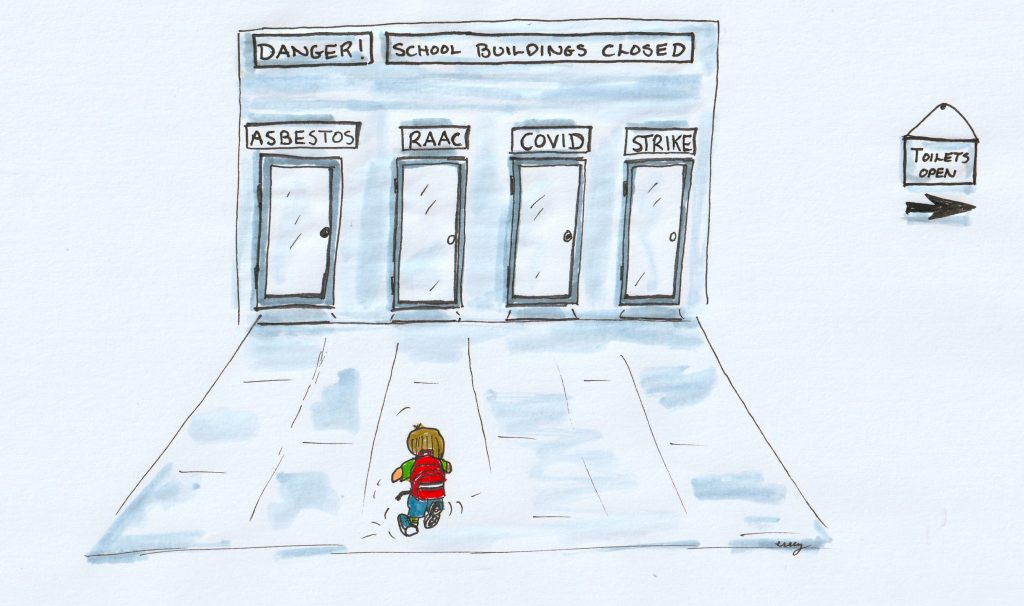
CLOSED: ‘How am I meant to get a decent education’?
School and building closures are disrupting our children’s education in the UK. The issues range from asbestos contamination, building material failures, Covid closures and teacher strikes. What the hell?
With second-quarter earnings season now largely behind the U.S. market, stock investors have been focusing on the latest economic data and for the most part been reacting positively to bad economic news, or any data that may point to an economic slowdown.
It’s been almost nine months since the trend emerged, as softening economic data and lower inflation may mean the Federal Reserve can stop raising interest rates.
Traders are reportedly pricing in an over 90% chance that the Fed will hold its policy interest rate unchanged at its September 2023 meeting, and a roughly 35% likelihood that the U.S. central bank will raise interest rates by 0.25% in November 2023.
Fed policy weakening?
The Fed’s monetary policy has lost some of its potency and interest rates may need to rise as a result, economists say.
U.S. stocks closed higher ahead of the Labour Day holiday weekend, after data released indicated a cooling labour market, though there was speculation that summertime jobs data may have been a factor. The U.S. created 187,000 new jobs in August, while the unemployment rate jumped to 3.8% from 3.5%.
The data supports the narrative of a gradual slowdown in the U.S. labour market, but there are no dramatic signs that the economy is weakening significantly economists say. The economic data has not been bad. It is just softening.
‘Good news bad news, bad news good news’!
However, if investors see a significant decline in the housing and U.S. labour markets, that could change the narrative and break the cycle in which ‘bad economic news is good news’ for stocks, economic data have to be much worse than now, indicating more damage from high interest rates and higher inflation.
The trend may also reverse if there is a meaningful downgrade of corporate earnings ‘expectations’ and then this translates into weakened profitability.
Inflation just may climb again
Investors should also be alert for the possibility that inflation may accelerate again. Data showed that the personal consumption expenditures price index rose 0.2% in July, but the yearly inflation rate crept up to 3.3% from 3%. Inflation has been trending down but that trend could turn again.
If investors start to treat ‘bad economic news as bad news’ for the stock market, it could put pressure on the 2023 stock-market rally, with the S&P 500 SPX already up 17.6% since the start of the year and the Nasdaq Composite COMP up 34%.
General concensus is that the bull run ain’t over just yet.
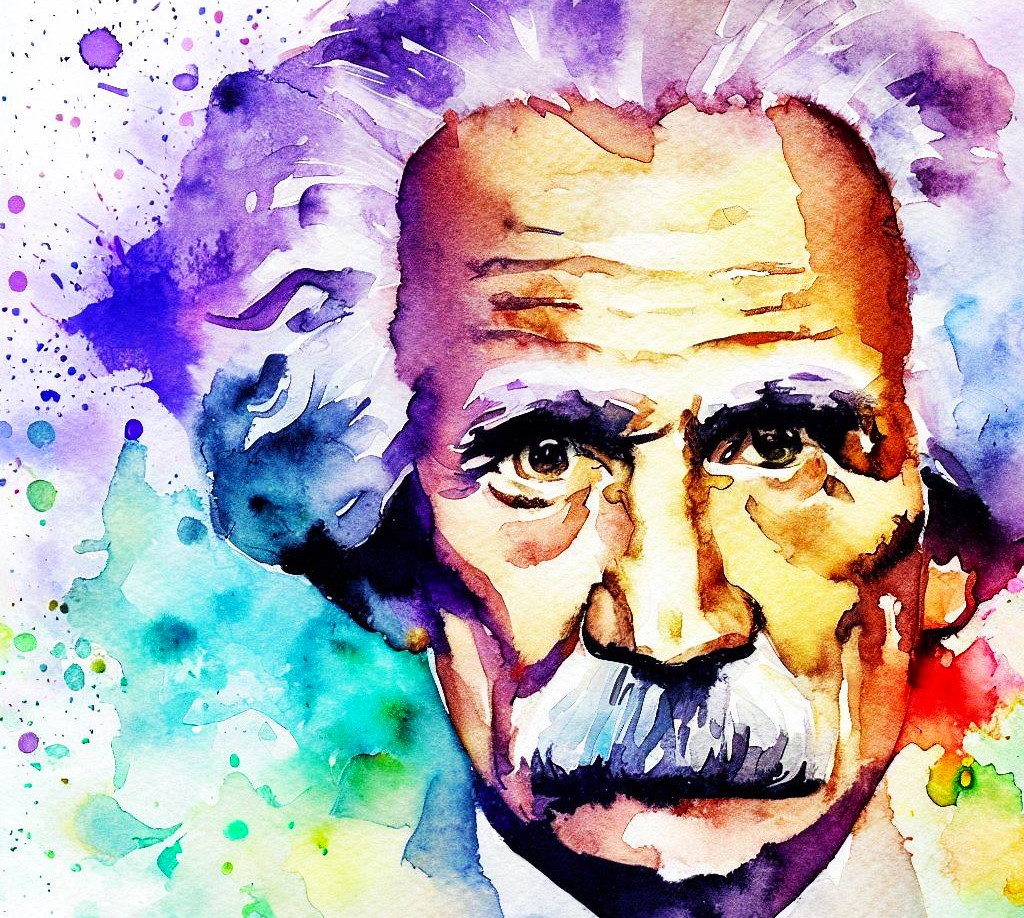
He was an American naturalist, essayist, poet, and philosopher and leading transcendentalist.
Transcendentalism is a philosophical, spiritual, and literary movement that developed in the late 1820s and 1830s in the New England region of the United States.
A core belief is in the inherent goodness of people and nature, and while society and its institutions have corrupted the purity of the individual, people are at their best when truly ‘self-reliant’ and independent.
‘It is the beauty within us that makes it possible for us to recognize the beauty around us. The question is not what you look at but what you see’.
The creator of Photoshop and InDesign launched a generative AI tool called ‘firefly’, which has recently gained traction. It is quite possible that Adobe has one of the best AI generative tools available and it’s worth checking it out as a stock to *invest in.
Firefly enables users to edit through simple typed commands
Adobe Firefly is a generative AI-powered content creation tool from Adobe that allows you to experiment, imagine, and create an infinite range of images with simple ‘text’ prompts.
You can use Firefly to generate images from a detailed text description, apply styles or textures to words and phrases, use a brush to remove objects or paint in new ones, generate color variations of your vector artwork, and more.
Adobe Share Chart as at 5th september 2023
Morgan Stanley thinks Adobe can benefit from artificial intelligence-powered products even more.The bank upgraded Adobe to overweight from equal weight.
Bank of America has also upgraded Adobe to buy with a revised target price of $63000 per share.
Definitely one to watch!
*Please do your own careful research – this is not a recommendation but simply an observation. Remember RESEARCH! RESEARCH! RESEARCH!
David Ferrucci, a prominent artificial intelligence researcher who led the team that created IBM Watson, has reportedly raised nearly $60 million for his AI company called Elemental Cognition.
Headquartered in New York, Elemental says on its website that the company seeks to develop AI that ‘thinks before it talks‘. It offers two enterprise products, Cogent and Cora, which are essentially chatbots designed for different scenarios. They can be used in financial services, interactive travel planning and for automating research discovery in life sciences.
Elemental Cognition
The new startup company is called Elemental Cognition, and it was founded in 2015 by David Ferrucci, who led the team that created IBM Watson.
Elemental Cognition aims to develop AI that ‘thinks before it talks‘ and can understand the meaning and context of human language. It offers two enterprise products, Cogent and Cora, which are chatbots for different scenarios.
Elemental Cognition has raised $60 million in funding from 17 investors, including Jim Breyer, former IBM CEO Sam Palmisano, and Geoff Yang of Redpoint Ventures.
What is IBM Watson?
IBM Watson is used in various areas of AI, such as natural language processing, machine learning, computer vision, speech recognition, and knowledge representation. IBM Watson is a cognitive computing system that can process natural language, analyze large amounts of data, and learn from its interactions with humans and machines.
IBM Watson is a question-answering computer system capable of answering questions posed in natural language, developed in IBM’s DeepQA project by a research team led by principal David Ferrucci. Watson was named after IBM’s founder and first CEO, industrialist Thomas J. Watson.
Watson Assistant: A chatbot platform that allows businesses to create conversational agents that can interact with customers and employees through text or voice. Watson Assistant can understand natural language, provide personalized responses, and integrate with other services and data sources.
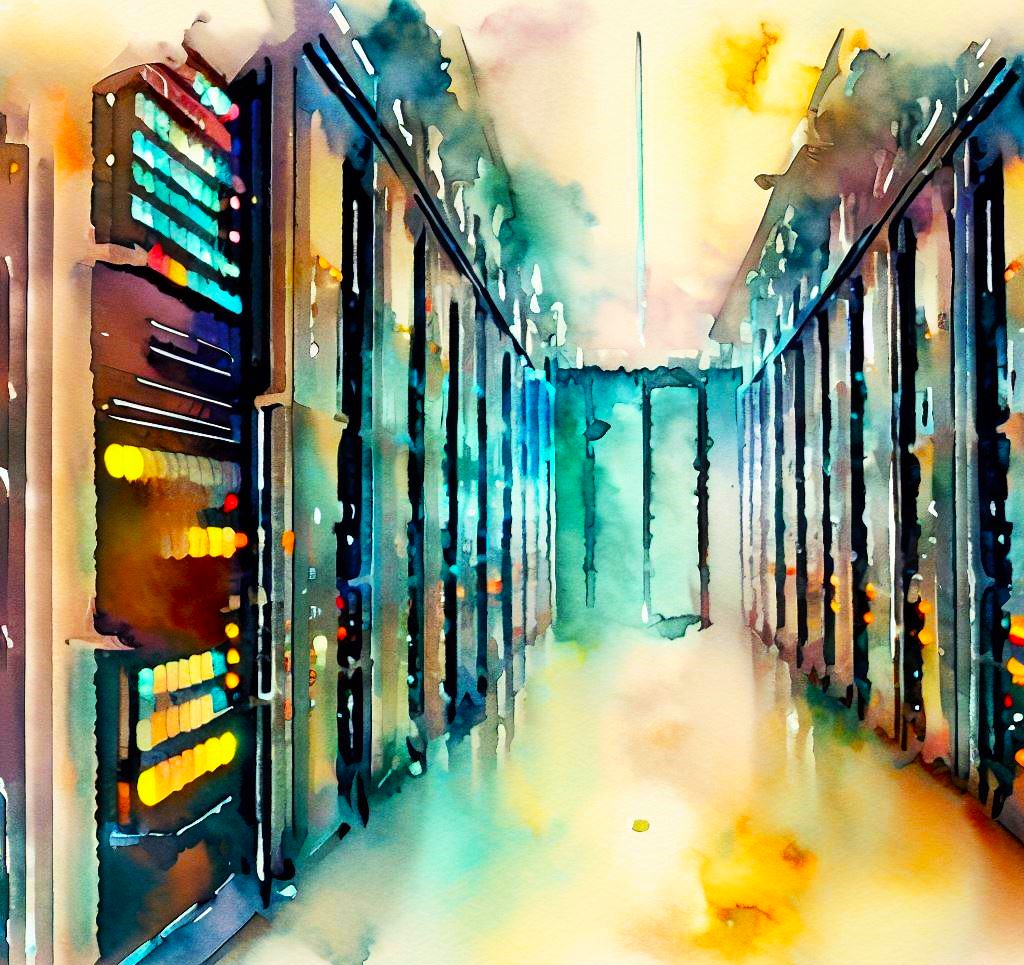
A watercolour image of an AI microchip powering a mainframe supercomputer computer
Watson Discovery: A data analysis tool that can extract insights from structured and unstructured data, such as documents, web pages, social media posts, and images. Watson Discovery can perform natural language understanding, sentiment analysis, entity extraction, and document classification.
Watson Studio: A cloud-based platform that enables data scientists and developers to build, train, and deploy AI and machine learning models. Watson Studio supports various frameworks and languages, such as Python, TensorFlow, PyTorch and R. Watson Studio also provides tools for data visualization, collaboration, and automation.
Watson Visual Recognition: A computer vision service that can analyze images and videos for content, objects, faces, scenes, and emotions.
Power
The IBM Watson computer consists of a cluster of ninety IBM Power 750 servers, each of which uses a 3.5 GHz POWER7 eight-core processor, with four threads per core. The system has 2,880 POWER7 processor threads and 16 terabytes of RAM. It can process 500 gigabytes (the equivalent of a million books) per second.
Supercomputer now with AI power
The IBM Watson computer has an avatar that is inspired by the IBM ‘Smarter Planet’ logo. The avatar is a globe with a grid pattern and four glowing stripes that represent the four main aspects of Watson: natural language processing, hypothesis generation and evaluation, dynamic adaptation, and evidence-based learning. The avatar also changes color and brightness depending on Watson’s mood and confidence level.
International Business Machines (IBM)
IBM was founded in 1911 in Endicott, New York, as the Computing-Tabulating-Recording Company (CTR) by Charles Ranlett Flint. The company changed its name to International Business Machines (IBM) in 1924 under the leadership of Thomas J. Watson, Sr. IBM is one of the oldest and most influential technology companies in the world, with a history of innovation and research in various fields of computing.
The International Business Machines Corporation (IBM), nicknamed ‘Big Blue’, is an American multinational technology corporation headquartered in New York and is present in over 175 countries. It specializes in computer hardware, middleware, and software, and provides hosting and consulting services in areas ranging from mainframe computers to nanotechnology. IBM is the largest industrial research organization in the world.
IBM holds the record for most annual U.S. patents generated by a business for 29 consecutive years from 1993 to 2021?
Happy birthday to Google, the world’s most popular search engine!
Google was founded 25 years ago today (4th September 2023) – by Larry Page and Sergey Brin, two Stanford University students who wanted to organise the web in a better way. They named their project after the mathematical term ‘googol’, which means 1 followed by 100 zeros.
Since then, Google has grown into a global tech’ giant that offers not only search, but also email, maps, cloud computing, artificial intelligence (AI), and many other products and services.
Google has also acquired several companies, such as YouTube, Android, and Waze.
Some of the key moments in Google’s history
Launching AdWords in 2000, which allowed advertisers to buy keywords and display ads on the search results page.
Introducing Gmail in 2004, which offered users 1 GB of free storage and a fast and simple interface.
Releasing Google Maps in 2005, which revolutionised the way people navigate and explore the world.
Buying YouTube in 2006, which made Google the owner of the largest video-sharing platform on the web.
Developing Chrome in 2008, which became the most widely used web browser in the world.
Happy Birthday Google – 25 years today
Creating Android in 2010, which became the most popular operating system for smartphones and tablets.
Launching Google+ in 2011, which was an attempt to compete with Facebook in the social networking space.
Reorganising into Alphabet in 2015, which made Google a subsidiary of a larger holding company that oversees other ventures such as Waymo, Verily, and Calico.
Unveiling ChatGPT in 2022, which is a conversational AI system that can generate natural and coherent responses to any text input.
Influential
Google remains one of the most influential and innovative companies in the world. It has changed the way we access information, communicate, entertain ourselves, and solve problems. It has also inspired many people to pursue their dreams and passions.
Google CEO says
As Google CEO Sundar Pichai wrote in his public memo on Google at 25: ‘We started with a simple mission: to organize the world’s information and make it universally accessible and useful. That mission still guides us today. But we’ve also learned that our responsibility goes beyond that. We have a duty to create products that improve the lives of billions of people — not just today or tomorrow but for generations to come’.
Ha Jiang, is a virtual online idol, and only exists online.
Ha Jiang signed a record deal with Whet Records, Warner Music Group’s pan-Asian dance label in China, in 2021. Ha Jiang is the first virtual idol to conduct a record deal with a major label. The virtual idol uses AI technology to create music and has become an online sensation in Asia.
Ha Jiang online music avatar. She is a virtual artist who uses artificial intelligence to create music
Virtual AI artist
Ha Jiang is a virtual artist who uses artificial intelligence to create music. She is the first virtual idol to sign a record deal with a major label, Whet Records, which is Warner Music Group’s pan-Asian dance label in China. My understanding is that the music was composed by humans, so not entirely AI generated then.
Would this also work in west – is it time to be concerned?
She already has more than 100,000 followers in China and is known for her sense of style and fashion. She is also a social influencer who has been hired by the city of Shanghai to promote safe driving. Ha Jiang is not a real person, but a computer-generated avatar who only exists online. She is part of a growing phenomenon of virtual idols in Asia, especially among Gen-Z fans.
Endel,is a sound startup company that uses artificial intelligence to create personalized audio tracks. Endel was the first to sign a record deal with Warner Music Group in 2019 to release 20 albums of ambient music.
The digital pound is a proposed new form of money that would be issued by the Bank of England and backed by the government. It would be similar to a digital banknote, enabling you to use it in-store or online to make payments.
It would not be intended to replace cash, but complement it. The digital pound is also known as digital sterling or Britcoin.
Bank of England and UK Government
The Bank of England and HM Treasury are looking at the idea of a digital pound because they think it might offer a new way to pay, help businesses, build trust in money, and better protect the UK’s financial system. They have published a Consultation Paper, which explores the need for the digital pound and proposes a set of design choices for it. They are also engaging with businesses and communities to get their views on the digital pound.
The digital pound is not a cryptocurrency or cryptoasset. Unlike cryptocurrencies, which have volatile values, the digital pound would be issued by the Bank of England and have a stable value, just like banknotes.
I promise to pay the bearer on demand the sum of £10.00
The digital £ is coming to a bank near you or more likely, an app near you
£10 in digital pounds would always have the same value as a £10 banknote.
Days after India’s successful moon mission, the country is now setting its sights on the sun.
According to the Indian Space Research Organization (ISRO), the Aditya-L1 spacecraft will be launched from the Sriharikota Spaceport on 2nd September 2023 in a bid to study the sun and its effect on space weather.
Aditya (sun in Hindi)
Aditya, which refers to the sun in Hindi, is to be placed in a halo orbit around the Lagrangian point 1 of the Sun-Earth system, where the sun can be observed without any obstructions, an ISRO report stated.
Lagrange points are positions in space where gravitational forces of two large masses produce ‘enhanced regions of attraction and repulsion’, according to NASA. The resulting force can be used to remain in position and reduce fuel consumption – and can be likened to ‘parking places’ for spacecraft.
To become India’s first space based observatory
The launch will mark India’s first space-based observatory to study the sun, and would offer a ‘major advantage of continuously viewing the sun without any occultation or eclipses’, the ISRO report stated.
India’s mission to the sun
The mission would also allow for the study of solar wind, which could potentially cause disturbances on Earth, such as disrupting communications, navigation systems and weather patterns.
India’s government had granted a $46 million budget for the mission back in 2019.
While a first attempt for India, other countries have successfully placed orbiters to study the sun. NASA’s Parker Solar Probe in 2021 which was sent to the sun’s corona to sample particles and magnetic fields, as well as the European Space Agency’s Solar Orbiter which was launched the year before.
Yet more strike action continues to create chaos for travellers
Much of the UK will have no train services on Friday 1st Septemebr 2023 as the latest major strike action takes place.
Members of Aslef, the train drivers’ union, who work at more than a dozen train companies, have walked out and have refused to work.
Up to 20,000 RMT union members at 14 operators will also strike on Saturday in a long-running dispute
Meanwhile, a consultation closing most ticket offices in England ends.
Ticket office closures
Unions and disability groups have also taken action against other proposed working practices in the industry, such as ticket office closures.
Currently, nearly 300 stations in England run by train companies with Department for Transport contracts have a full-time staffed ticket office – 708 are staffed part-time. Under the proposals, most would close.
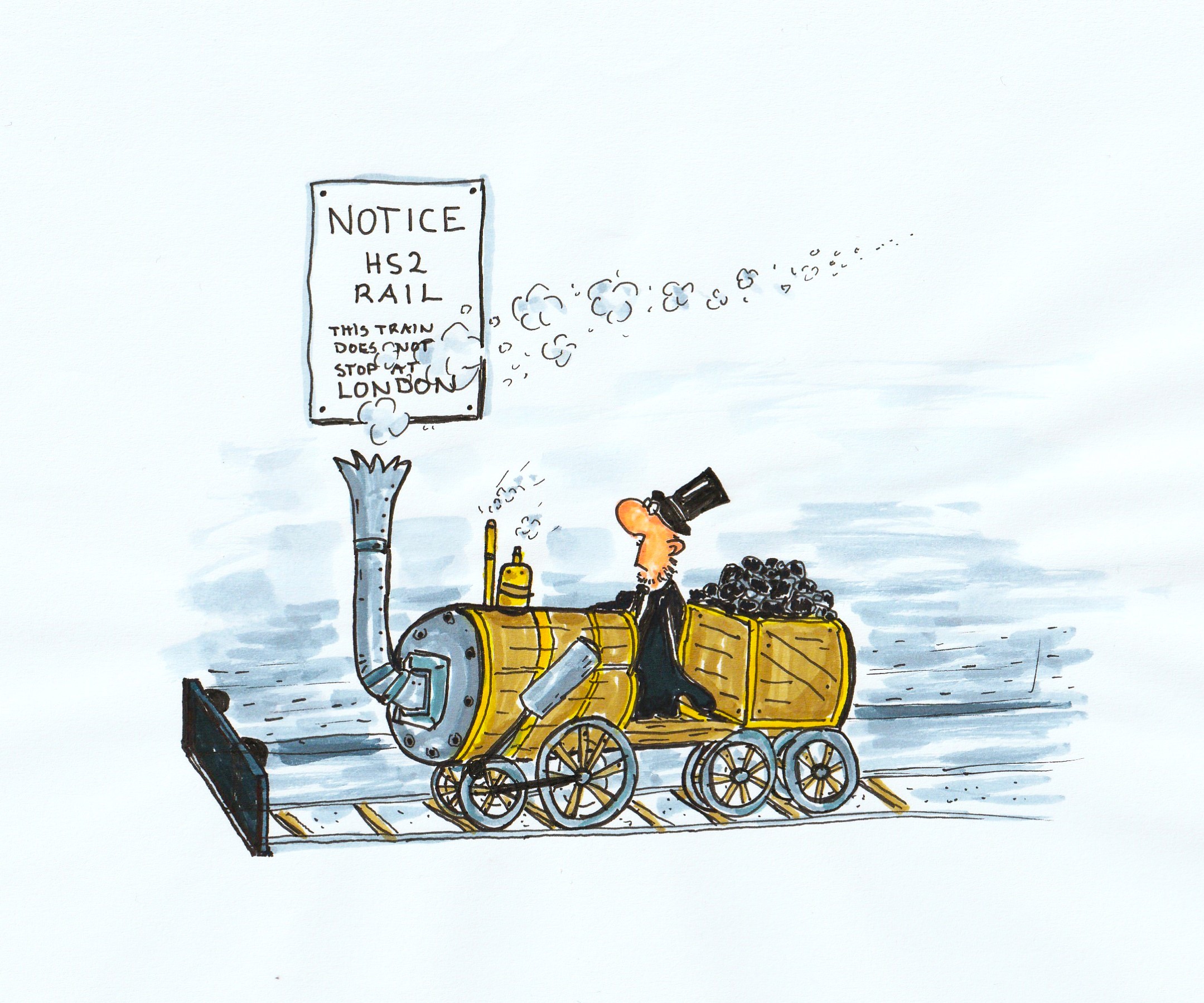
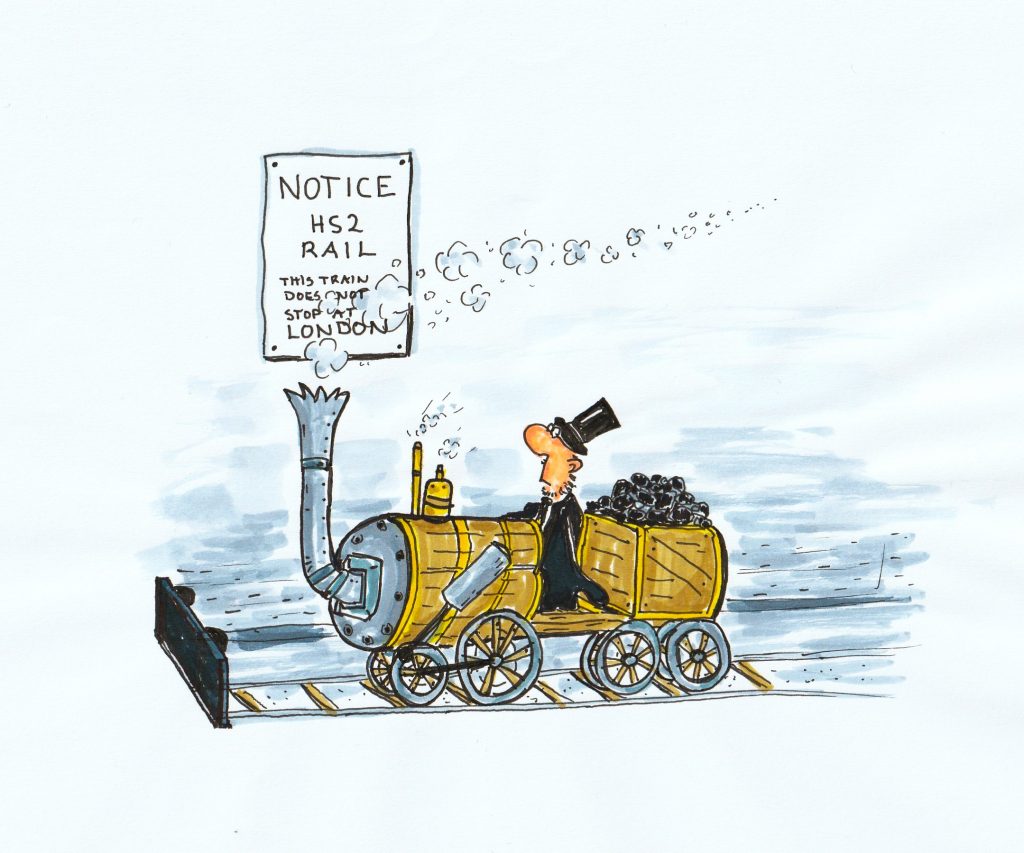
‘What’s the point in HS2 if there is no one to run it’? ‘Beats me… guess we’re stuck with it!’
Ongoing dispute
The UK train strikes are part of an ongoing dispute between the rail unions and the train operators over pay and conditions.
ASLEF members at 16 rail operators will strike again on Friday, 1st September 2023 and Saturday, 2nd September 2023.
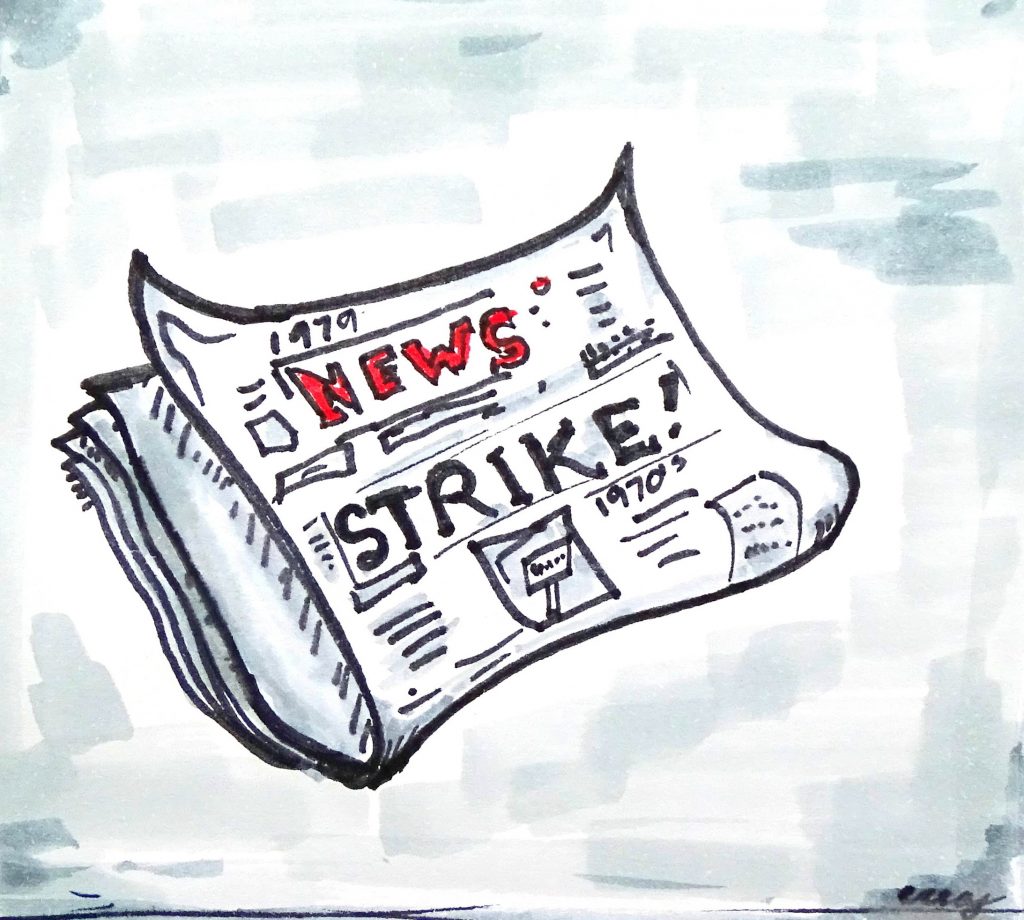
‘What year is it? Strike action continues to hold inflation higher. Been here too many times before’.
RMT members at 14 train companies will strike again on 2nd September 2023. This will severely affect the timetables.
Pay dispute and working practices
The rail unions are demanding a pay rise that reflects the rising cost of living, as well as job security and improved working conditions. The train operators say they need to make changes to the ways of working in order to save money and improve efficiency, especially after the pandemic hit their finances hard.
The Rail Delivery Group, which represents the train operators, has offered a 5% pay rise for 2022, but the unions have rejected it as insufficient and conditional on reforms they oppose.
The train strikes have caused significant disruption and frustration for millions of passengers, especially during the peak summer holiday season. The government has urged both sides to resume talks and find a resolution
The Nationwide Building Society says house prices are 5.3% lower compared to August last year, in the biggest annual decline since 2009.
Nationwide said the drop represented a fall of £14,600 on a typical home in the UK since house prices peaked in August 2022. It also said higher borrowing costs for buyers had led to a slowdown in activity in the housing market. Mortgage approvals are also about 20% below pre-Covid levels.
After 14 rate increases from the Bank of England – a two year fixed rate mortgage is now touching 6.7%
Since December 2021, the Bank of England (BoE) has raised interest rates 14 times in row in a bid to clamp down on rising inflation in the UK. The bank’s base rate now stands at 5.25%. This has led to lenders raising their mortgage rates, putting increased pressure on homebuyers.
The average two-year fixed mortgage rate on Friday was 6.7%, while the average five-year fix was 6.19%.
Average house prices in the UK peaked at £273,751 in August 2022 but fell to £259,153 last month.
Think of the biggest market for a physical product you can possibly imagine – are you thinking mobile phones, cars or game devices even? Think again…?
They are all big commercial markets but in the coming decades a new product is coming and it will be so desirable that it will dwarf these giants – it will be… the ‘robot’.
Robots will be able to understand what we want, comprehend the way the world works and looks and have the skills to execute our commands in a safe and controlled manner – at home and in the workplace.
Biggest market
The labour market is the biggest market that has ever existed in the history of business – it’s the market where we want things ‘done’ – where we do things – and it’s forever evolving. It carries massive stock market and investing potential right now and for the future.
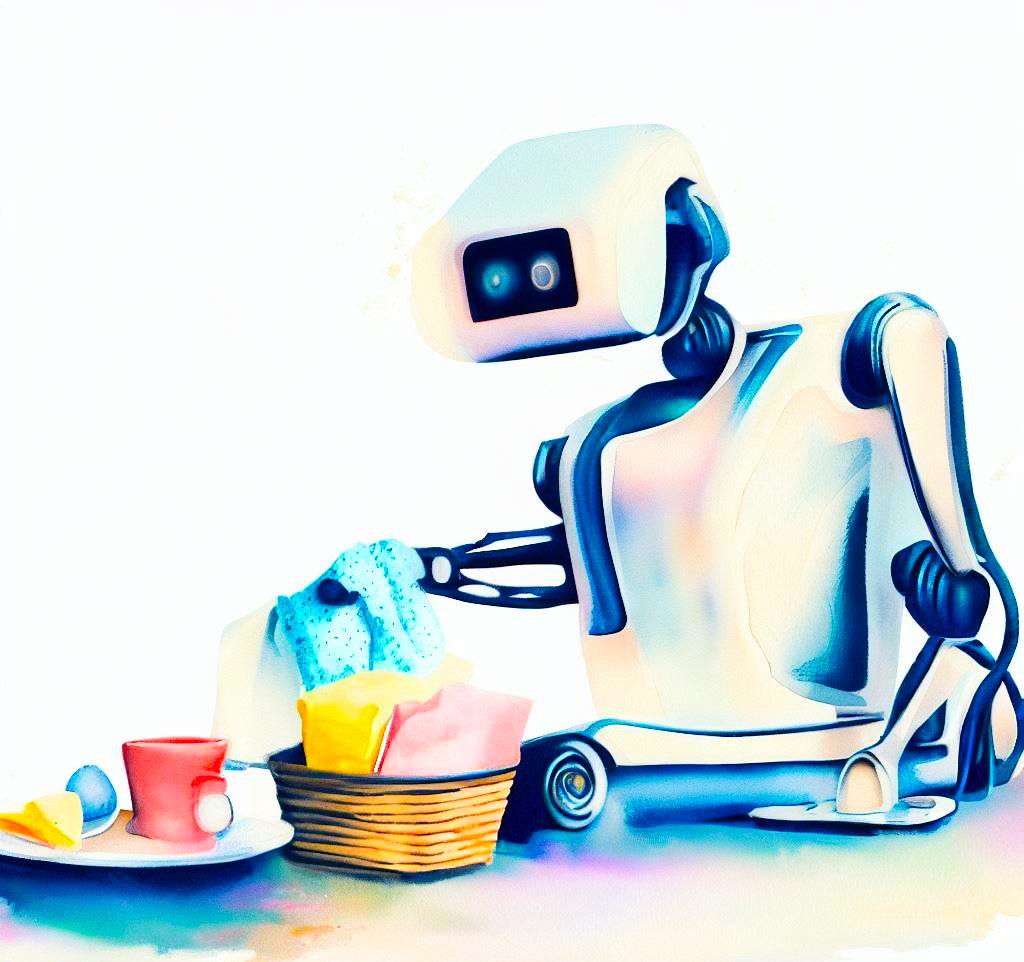
Robot AI tech – a market place to explore
Take Nvidia, Microsoft, Google, Meta, Apple and Tesla as prime examples of companies pioneering technological advancements for instance – we can already enjoy and invest in these – and there’s much more to come.
Dozens of firms around the world are working on the technology
One of the highest profile companies in the market is Tesla, Elon Musk’s electric car company. It is working on the Optimus humanoid robot, which Mr Musk intimates could be on sale to the public in a few years’ time.
Massive tecnological advancement in artificial intelligence (AI) and robotics suggest the development of humanoid robots is accelerating… and fast. It’s a race to the become the first to succeed in the biggest practical labour market ever… and it carries huge potential for everyone, including you and me.
20 years from now…? Where were Tesla and Apple 20 years ago?
Twenty years at the pace the technology is developing now is is an eternity – every week, month and year there are new developments in the AI world that have introduced fundamental changes and enhancements to our world.
Mainstream interest in AI exploded late 2022 when a powerful version of ChatGPT was made public. Its ability to generate almost unlimited useful text and images has spawned rivals and a wave of investment in AI technology.
But developing the AI that would allow a robot to complete useful tasks is a different and much more difficult task. Tesla could be the company best placed to be one of the first to achieve this goal – given its advancements in ‘self driving’ technology. But, unlike ChatGPT and its rivals, humanoid robots have to navigate the physical world and need to understand how objects in that world relate to each other.
Tasks that seem easy to humans are major feats for humanoid robots. This is a problem that engages a lot of different complex issues in an AI driven robotics system. Picking up a cup and having a drink is a major undergoing for a robot.
The market place potential is unlimited
The potential market for robots in the future depends on various factors, such as the level of technological innovation, the demand from different industries and sectors, the regulatory and ethical frameworks, and the social and economic impacts of robot adoption. But if recent developments are anything to go by – it promises to be big!
Robot AI – a massive potential future market place
Based on the some indicative web search results, the current market size for robots is estimated to be around $55 billion to $114 billion in 2023, depending on the type and scope of robots included. The projected market size for robots in 2028 or 2029 ranges from $165 billion to $260 billion, with a compound annual growth rate (CAGR) of 11.4% to 17.6%.
The professional services robots, which include medical, agricultural, and personal assistance robots, are expected to dominate the market and account for more than half of the total sales by 2030. The industrial and logistics robots, which include conventional, collaborative, and mobile robots, are also expected to grow steadily and increase their productivity and efficiency in various manufacturing and transportation applications.
However, these projections are based on assumptions – but one thing is for sure the robots are coming and the market will be massive!
I for one will be keeping a watchful eye on where to invest my hard earned cash to take advantage of this potentially high growth market in the coming years (and now).
At 4.33%, the 10-year Treasury yield in the U.S. is at its highest in 16 years. That represents a risk-free, long-duration asset with relatively high returns and this is challenging the stock market.
Why should traders invest in stocks that may not return as much, or just slightly more and take unecessary risks, when there is an asset class that guarantees around 4% return or slighlty more?
Cash is king?
Cash is now yielding 5% in the U.S., short term bonds are yielding 5% plus, so equities for the first time in a long time, have actually got some competition.
Typically stocks if they do well, are likely to return more than a risk-free asset, precisely because it isn’t certain stocks will rise. That’s called the equity risk premium, a return that’s supposed to compensate stock investors for the chance that they might lose money. But, as the premium is below 1% now. Historically, it’s been between 2% and 4% – meaning stocks are looking much less attractive than Treasuries.
Harder job for the Fed?
Another potential issue that could crop up with high Treasury yields is that it could make the Federal Reserve’s job tougher. During the recent Jackson Hole gathering, the Fed head has indicated that more interest rate hikes are still high possibility.
But don’t panic just yet… this is likely a pullback phase of a bull market analysts suggest. That is, it’s still too early to be bearish on stocks.
Yardeni Research president Ed Yardeni is reported to have said that the market is ‘going to hang in there’ and ‘a year-end rally will bring the S&P 500 back to something like 4,600‘.
That implied an increase of almost 5% in stocks – while not certain – would give Treasuries a run for their money again.
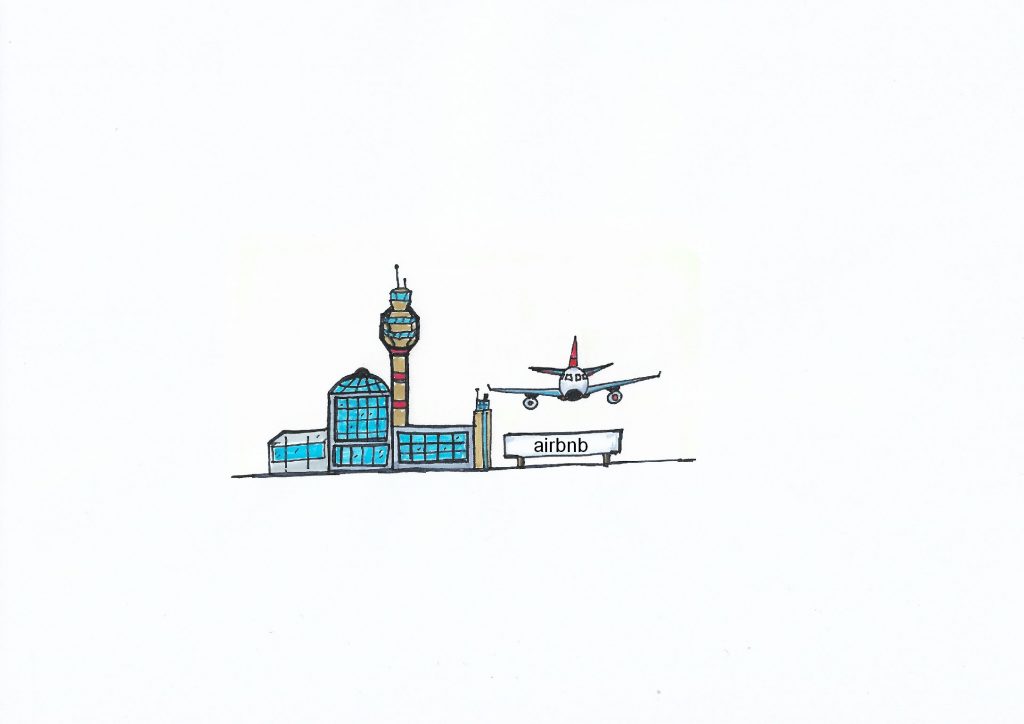
An apparent ‘technical issue’ halts flights to and from UK as the UK National Air Traffic Services control system (NATS) goes offline!
Holidaymakers are stuck all over the UK and abroad, with the National Air Traffic Services (NATS) saying it had applied restrictions to traffic flow. Passengers have been advised to check if their flight has been affected on one of the biggest UK travel days of the year.
National Air Traffic System
NATS reportedly apologised for the fault just after midday on bank holiday Monday 28th August 2023, before it announced at 15:15 BST that it had identified and remedied the issue that was affecting its ‘ability to automatically process flight plans’. We don’t yet know what caused the failure. NATS added that engineers would be monitoring the system’s performance as it returns to normal.
NATS had earlier stressed that ‘UK airspace was not closed, we have had to apply air traffic flow restrictions which ensures we can maintain safety’.
Several airports across the UK, and most airlines have all warned passengers of delays or cancellations to flights.
How fragile are the infrastructures systems in the UK?
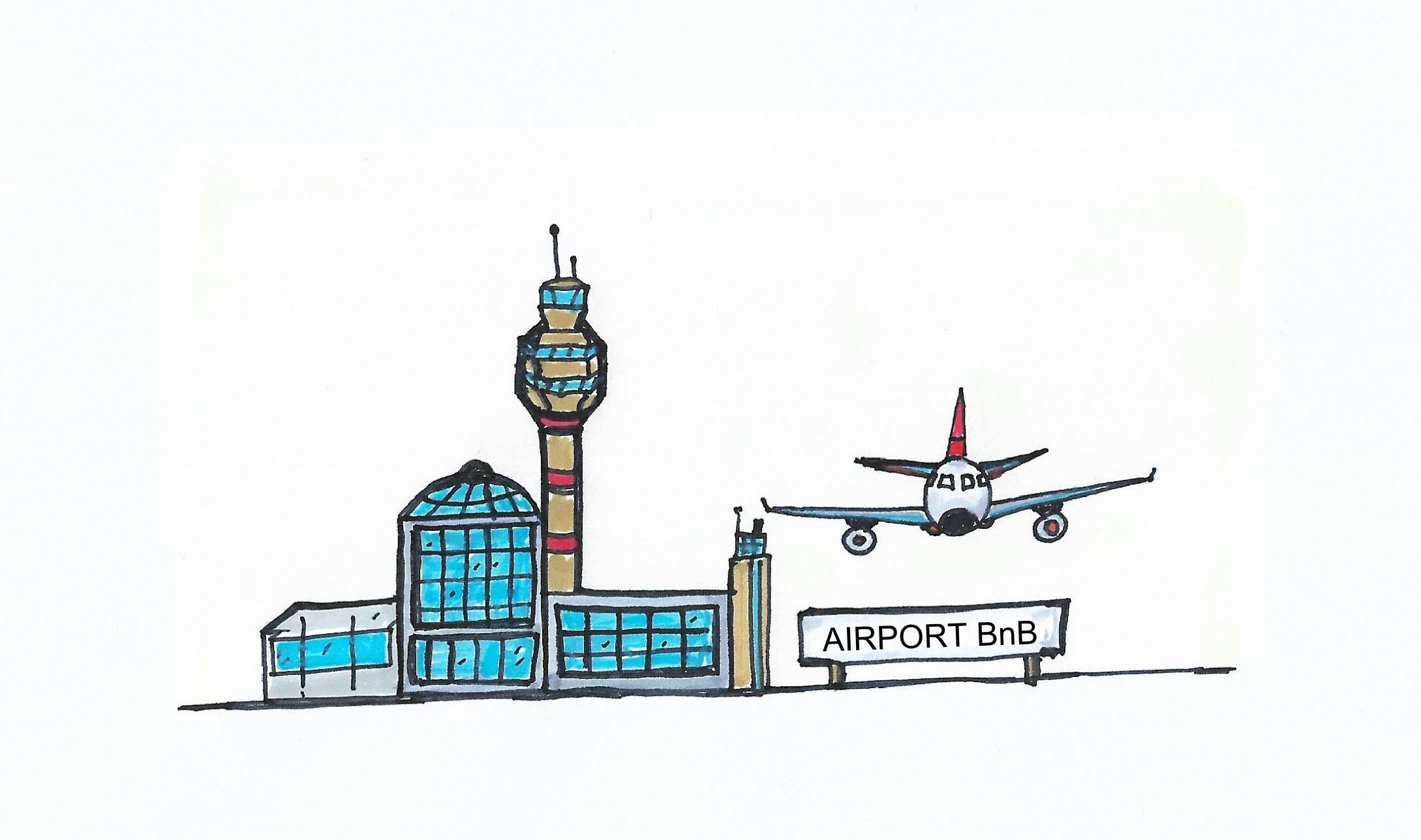
‘Why travel when you can stay at the airport free of charge’!?- ‘It wasn’t that long ago UK airports were brought to a standstill through strikes and border control issues. C’mon UK Plc… get your act together’!
Japan has started releasing treated radioactive water from the Fukushima nuclear plant into the Pacific Ocean on Thursday 25th August 2023.
This is a controversial decision that has been opposed by China, South Korea, and some Pacific island nations. They fear that the water release will harm the marine environment and human health, and affect seafood exports.
Safe?
Japan says that the water release is safe and necessary for the decommissioning of the plant, which was damaged by a massive earthquake and tsunami in 2011. The water has been treated to remove most of the radioactive substances, except for tritium and carbon-14, which are considered to have low risks. The water will also be diluted to meet the international standards for drinking water before being discharged.
IAEA
The International Atomic Energy Agency (IAEA) has endorsed Japan’s plan and said that the water release will have a negligible impact on people and the environment. The IAEA will also monitor the water release and verify Japan’s compliance with the safety standards.
30 years
The water release is expected to take about 30 years to complete, and will involve pumping out about 1.34 million tonnes of water from more than 1,000 tanks at the Fukushima site.
Japan Fukushima nuclear plant controversial release of potentially contaminated water
The former boss of NatWest is set to receive a £2.4m pay package this year, despite having quit in disgrace over her handling of the closure of Nigel Farage’s bank account.
AI Chatbot ChatGPT reportedly has a political bias
ChatGPT, the popular artificial intelligence chatbot, shows a significant and systemic left-wing bias, UK researchers have found. According to the new study by the University of East Anglia, this includes favouring theLabour Party and President Joe Biden’s Democrats in the U.S.
Concerns about an inbuilt political bias in ChatGPT have been raised before, notably by SpaceX and Tesla tycoon Elon Musk, but the academics said their work was the first large-scale study to find proof of any favouritism.
Lead author o the report reportedly warned that given the increasing use of OpenAI’s platform by the public, the findings could have implications for upcoming elections on both sides of the Atlantic. Any bias in a platform like this is a concern’, he said. If the bias were to the right, we should be equally concerned.
Sometimes people forget these AI models are just machines. They provide very believable, digested summaries of what you are asking, even if they’re completely wrong. And if you ask it ‘are you neutral’, it says ‘oh I am!’ Just as the media, the internet, and social media can influence the public, this could be very harmful. I have personally witnessed incorrect responses from ChatGPT where the AI ‘system’ 100% believed ‘it’ was correct and would not engage in a debate as ‘it’ was right!
How was ChatGPT tested for bias?
The chatbot, which generates responses to prompts typed in by the user, was asked to impersonate people from across the political spectrum while answering dozens of ideological questions. These questions ranged from radical to neutral, with each ‘individual’ asked whether they agreed, strongly agreed, disagreed, or strongly disagreed with a given statement.
UK researchers descovered Chatbot ChatGPT had a political bias
Its replies were compared to the default answers it gave to the same set of queries, allowing the researchers to compare how much they were associated with a particular political stance.
Each of the more than 60 questions was asked 100 times to allow for the potential randomness of the AI, and these multiple responses were analysed further for signs of bias.
Dr Motoki described it as a way of trying to simulate a survey of a real human population, whose answers may also differ depending on when they’re asked.
British microchip designing giant Arm has announced that it has filed paperwork to sell its shares in the U.S.
The Cambridge-based company, which designs chips for devices from smartphones to game consoles, plans to list on New York’s Nasdaq in September. The highly anticipated IPO in the U.S. comes after UK Prime Minister, failed to convince Arm to float in London or pursue a dual UK-U.S. listing.
Arm’s decision to list in New York rather than London has fuelled fears that the City is losing its competitiveness to Wall Street, where valuations are typically higher. SoftBank-owned chip designer Arm on 21st August 2023 disclosed a modest 1% fall in annual revenue as it made public the paperwork for a U.S. listing that is expected to be the year’s biggest initial public offering. The company is reportedly looking for a valuation of between $60bn (£47bn) to $70bn.
Arm was bought in 2016 by Japanese conglomerate Softbank in a deal worth £23.4bn. Prior to the takeover, it was listed in both London and New York for 18 years.
Companies that use ARM processors in their products
Some of the companies that use ARM processors include Apple, Qualcomm, Samsung, Broadcom, and Fujitsu. ARM technology is used in a wide range of devices, from smartphones to game consoles to supercomputers.
ARM
Arm is a British semiconductor and software design company that is known for its Arm processors, which are widely used in smartphones, tablets, laptops, and other devices. Arm was founded in 1990 as a joint venture between Acorn Computers, Apple Computer, and VLSI Technology. The company was originally called Advanced RISC Machines, but later changed its name to Arm Ltd in 1998.
The 89 threats to life in the UK are listed in a recent report called the National Risk Register (NRR), which was published by the Deputy Prime Minister Oliver Dowden on 3rd August 2023.
The NRR is an assessment of the risks facing the UK that would have a significant impact on the UK’s safety, security or critical systems at a national level. The NRR is based on the government’s internal, classified risk assessment and offers more detail on the potential scenarios, response and recovery options relating to the risks.
The 89 threats are divided into four categories: natural hazards, malicious attacks, accidents and system failures, and global events.
Some of the threats
Natural hazards: These include extreme weather events, such as heatwaves, floods, storms, droughts, and wildfires; geological hazards, such as earthquakes, tsunamis, volcanic eruptions, and landslides; biological hazards, such as pandemics, animal diseases, plant diseases, and invasive species; and space weather events, such as solar flares and geomagnetic storms.
Malicious attacks: These include terrorism, such as bombings, shootings, chemical weapons, biological weapons, radiological weapons, cyberattacks, and drones; espionage and sabotage, such as interference with critical infrastructure, communications, or data; and conflict and instability, such as war, nuclear weapons, state-sponsored attacks, civil unrest, and violent extremism.
‘Cyber security hack – just one of the potential risks facing the UK’.
Accidents and system failures: These include industrial accidents, such as explosions, fires, spills, or leaks; transport accidents, such as plane crashes, train derailments, ship collisions, or road collisions; infrastructure failures, such as power outages, water shortages, gas leaks, or internet disruptions; and technological failures, such as software bugs, hardware malfunctions, or AI errors.
Global events: These include economic crises, such as recessions, inflation, debt defaults, or trade wars; political crises, such as coups, revolutions, sanctions, or human rights violations; social crises, such as migration flows, refugee crises, humanitarian emergencies, or famines; and environmental crises, such as climate change, biodiversity loss, pollution, or resource depletion.
Threat level
The NRR also provides information on how likely each threat is to occur in the next five years (from very low to very high), how severe the impact would be on the UK (from minor to catastrophic), and what actions the government and other stakeholders are taking to prevent or mitigate the risks.
The NRR is intended to help the public and businesses better understand and prepare for potential threats facing the country now and in the future.
The U.S. stock market has experienced a 5.6% slide for the S&P 500 index over 15 trading sessions through 17th August 2023 and levelling off in the last trading day of that week.
This is about as bad as August typically gets, as August is a rocky month with low volume and high volatility. Some of the reasons for the pullback include the rise in the 10-year Treasury yield, the strengthening of the U.S. dollar, and the signs of a slowing Chinese economy.
Pullback temporary for August?
However, some analysts argue that the pullback will likely prove to be temporary and not turn into a serious market rout. It has been suggested that the bull run isn’t quite over just yet, and that a 10% ‘pullback’ was on the cards.
Analysts also suggest that the rise in yields would need to threaten a serious shift or there would need to be an additional shock to cause a larger selloff.
NASDAQ
NASDAQ drops some 7% in one month from 19th July – 18th August 2023
However, some suggest that the market is showing signs of stability, as the speed of the surge in the 10-year yield often occurs near the end of a selling cycle for equities. Investors should watch for indicators such as oil prices, wage pressures, and inflation expectations to gauge the market sentiment.
The S&P 500 and the Dow levelled off the week at the close of trading Friday 18th August 2023.
The NASDAQ did score its best first half of the trading year since 1983 January to June 2023 so a pullback was likely to happen.