


Nikkei Breaks Through 58,000 in Historic Market Surge

Nikkei new all-time high!

Japan’s Nikkei 225 has smashed through the 58,000 barrier for a second time, marking a defining moment in the country’s market renaissance.

The index briefly touched an intraday high of around 58,015 before easing slightly, but the symbolic breakthrough underscores a powerful shift in investor confidence and Japan’s evolving economic narrative.

Takaichi’s rally

The rally has been fuelled by a blend of political stability, expectations of aggressive pro‑growth policies, and robust corporate earnings.

Prime Minister Sanae Takaichi’s decisive election victory has strengthened assumptions that her administration will push ahead with fiscal expansion and structural reforms, echoing a new phase of ‘Abenomics‑style’ stimulus.

Market enthusiasm has also been supported by global investors seeking alternatives to China, as well as domestic buyers encouraged by improving sentiment and a clearer policy direction.

Analysts reportedly note that the broader Topix index has risen in tandem, signalling that the rally is not confined to a handful of heavyweight stocks but reflects wider market participation.

Still, some experts warn that the surge may be running ahead of economic fundamentals, with questions lingering over wage growth, consumption, and long‑term productivity.

For now, though, Japan’s markets are enjoying a rare moment in the global spotlight — and investors are watching closely to see whether this momentum can be sustained.
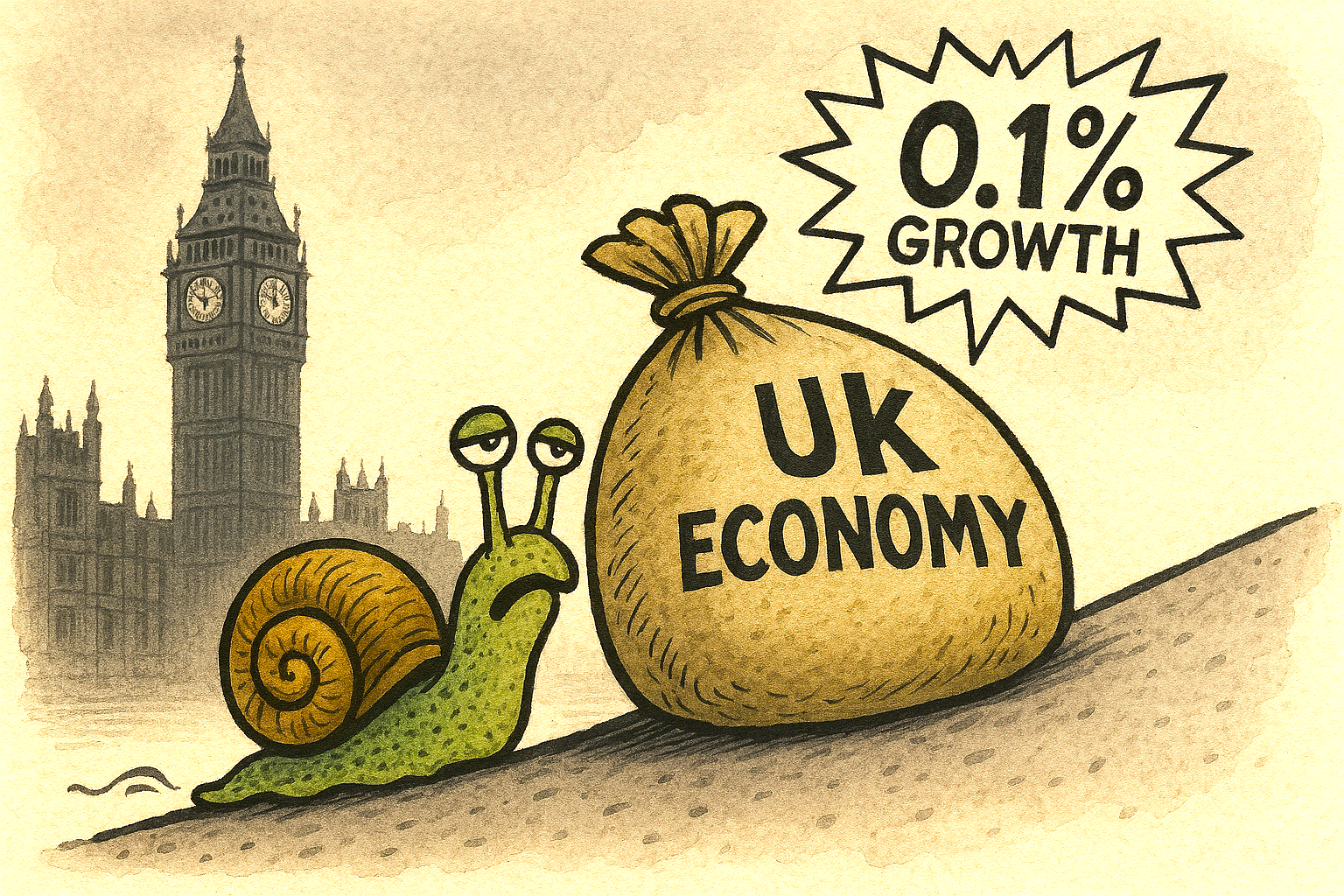
UK ekes out lacklustre 0.1% growth in Q4 2025

UK lacklustre growth in Q4

The UK economy managed to expand by just 0.1% in the final quarter of 2025, underscoring the fragility of Britain’s post‑pandemic recovery and reportedly falling short of economists’ expectations for a slightly stronger finish to the year.

Preliminary figures from the Office for National Statistics show a picture of uneven momentum, with manufacturing providing the only meaningful lift as the dominant services sector stalled entirely.

The Office for National Statistics (ONS) said the services sector showed no growth over the quarter – the first time this has happened in two years – with the main boost coming from manufacturing.

Meanwhile the construction sector registered its worst performance in four years, the ONS said.

Lacklustre growth for 2025

The UK economy is estimated to have grown by 1.3% for the whole of 2025, a slight uptick from 1.1% growth a year earlier, but lower than the 1.4% expected by the Bank of England.

Construction fared even worse, recording its weakest performance in more than four years, while monthly data for December 2025 revealed only a marginal 0.1% uptick.

Sterling was largely unmoved, reflecting markets’ view that the figures change little about the broader economic trajectory.

The Bank of England, which narrowly voted to hold interest rates at 3.75% earlier this month, now faces renewed pressure to begin easing policy in the spring.

Inflation remains stubborn, but analysts reportedly argue that a modest rate cut could help revive activity in the first half of 2026.

Despite the sluggish end to the year, the economy still grew 1.3% across 2025.

Economists remain cautiously optimistic that improving manufacturing output and early signs of renewed demand in services could support a gradual recovery through 2026.