

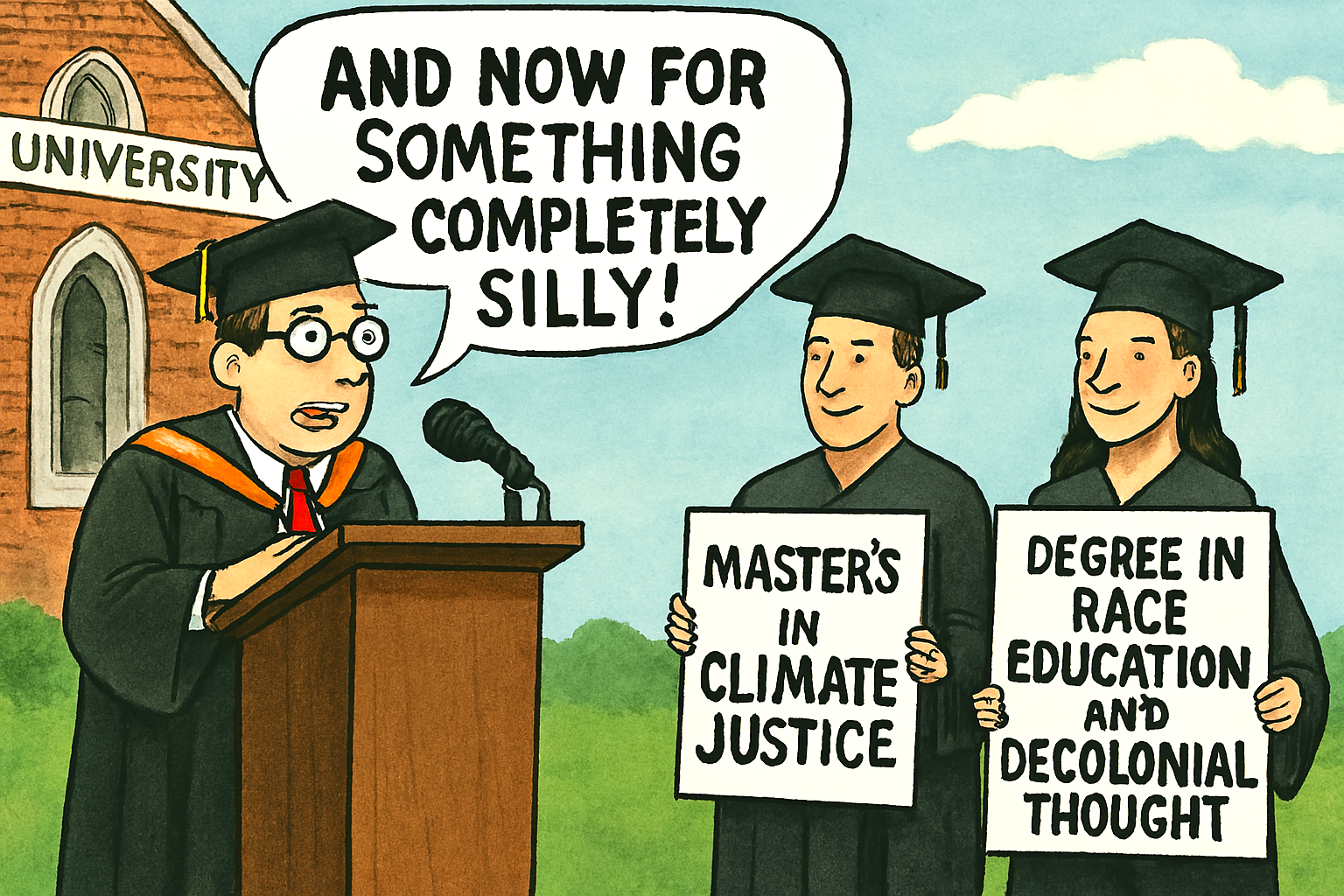
Recent research from the TaxPayers’ Alliance (TPA) has reignited debate about the value and purpose of certain modern university degrees.
Their analysis identified nearly 800 so‑called ‘Mickey Mouse’ courses offered since 2022, including master’s programmes in climate justice and degrees in race, education and decolonial thought.
More than 27,000 students have enrolled on these courses in just four years, prompting questions about academic rigour, employability, and the motivations behind such programmes. Seriously!
What Are These Courses Trying to Do?
Degrees like climate justice and decolonial thought are typically rooted in social theory, activism, and interdisciplinary critique.
Supporters argue that they explore urgent global issues—environmental inequality, historical power structures, and the social dimensions of education.
They see these subjects as part of a broader attempt to understand how society can respond to climate change, racial inequality, and shifting cultural narratives.
Why Critics Call Them ‘Dumbed Down’
The TPA’s findings suggest that many of these courses offer limited job prospects and questionable academic value, placing them among programmes labelled “low‑value” or “Mickey Mouse”.
Critics argue that…
The content is often ideological rather than practical.
The degrees may prioritise activism over academic discipline.
Students accumulate significant debt for qualifications with unclear career pathways.
Universities may be expanding such courses to attract niche interest rather than to meet workforce needs.
Thet are woke nonsense.
The TPA has also highlighted the rapid growth of university EDI (Equality, Diversity and Inclusion) staffing, suggesting a broader institutional shift towards identity‑focused frameworks.
Why Do These Courses Even Exist… Money?
Universities operate in a competitive marketplace. New degrees—especially those tied to contemporary social debates—can attract media attention, funding opportunities, and students seeking purpose‑driven study.
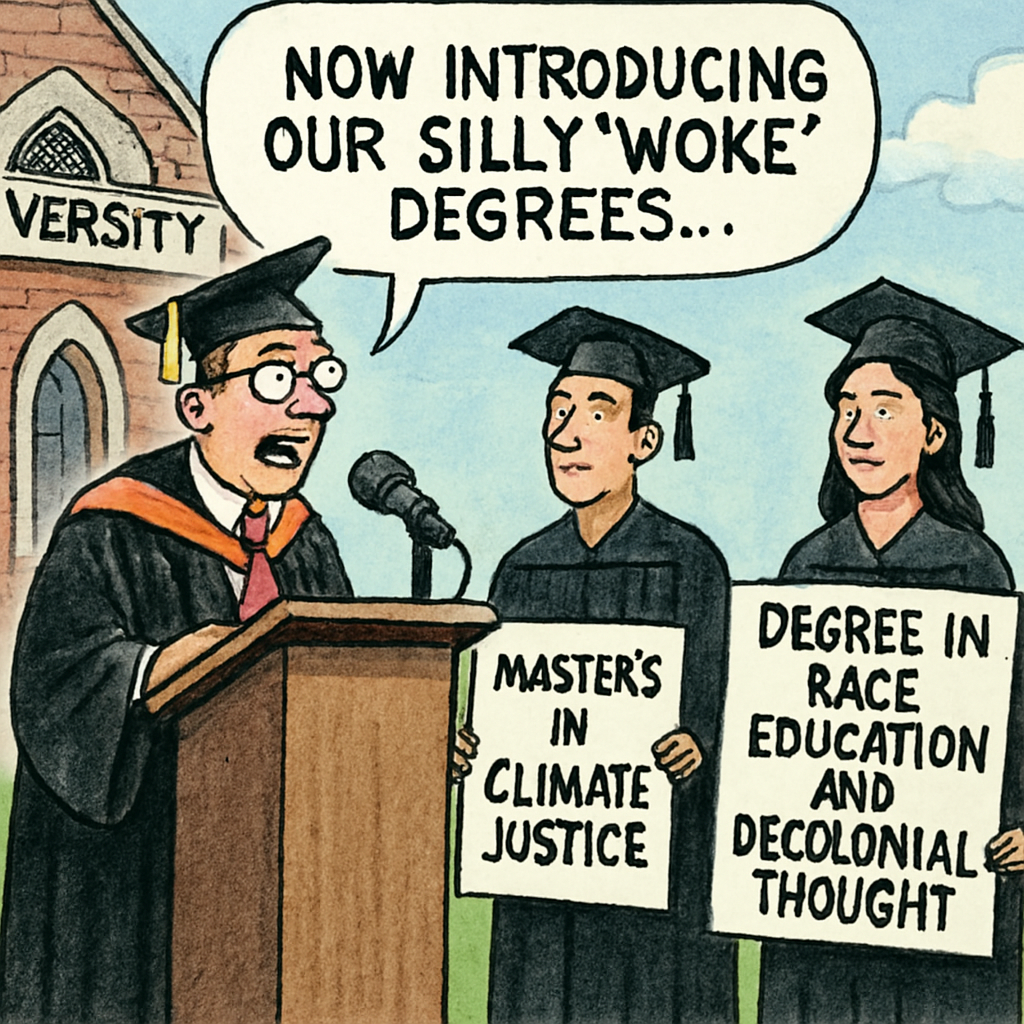
Whether these programmes enrich public understanding or simply dilute academic standards is a matter of ongoing debate, but their proliferation reflects the cultural and political currents shaping higher education today.
In my opinion, long-term these ‘dumbed’ down courses are a waste of educational resources and money.
If it’s about making money for the University – it’s utterly misguided woke nonsense.
Pointless.

