
Hunt – caught in a trap

Chancellor

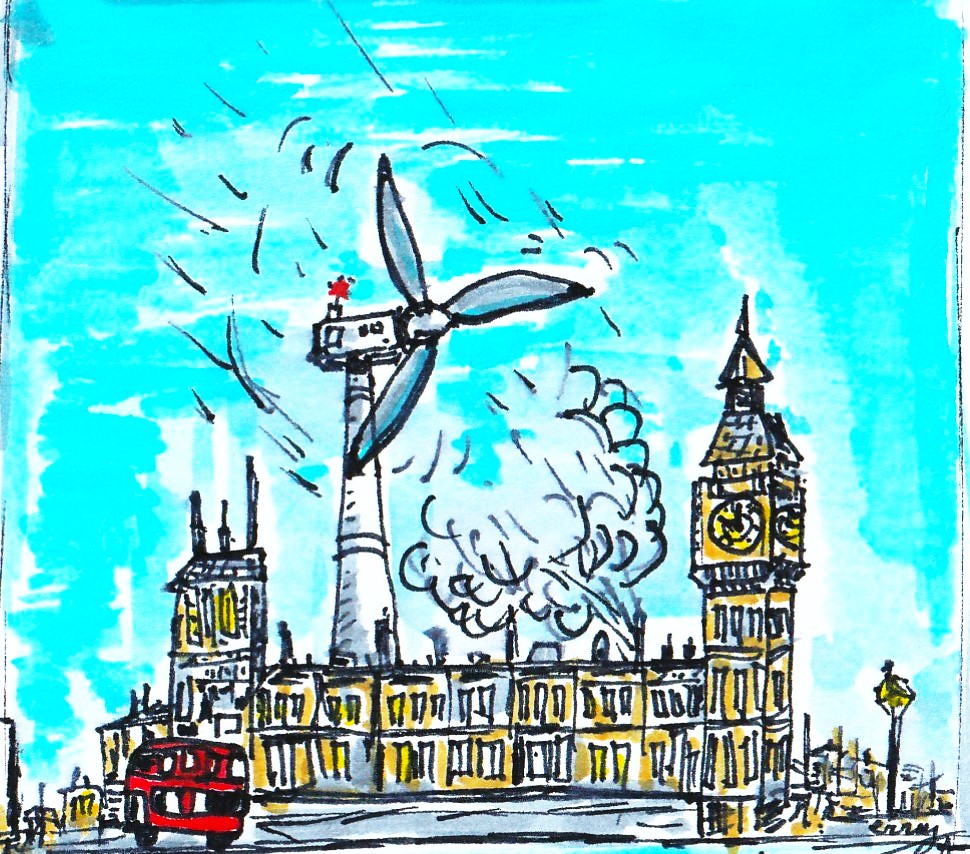
According to the chancellor Jeremy Hunt, the UK economy is caught in a trap

The UK and other advanced economies are facing a low-growth trap that is hard to escape. This means that the potential growth of the economy, which depends on factors such as productivity, innovation, investment, and labour force, is very low and insufficient to meet the demand and expectations of the people.

Brexit

The UK economy has been hit by huge global shocks that have disrupted its normal functioning and recovery. These include the Covid-19 pandemic, which caused lockdowns, restrictions, and health crises; the energy crisis, which led to soaring gas prices and supply shortages; and the Brexit transition, which created uncertainty and trade barriers.

Inflation

The UK economy is also struggling with high inflation, which erodes the purchasing power of consumers and businesses. Inflation is driven by various factors, such as rising energy costs, global supply chain bottlenecks, labour shortages, and pent-up demand.
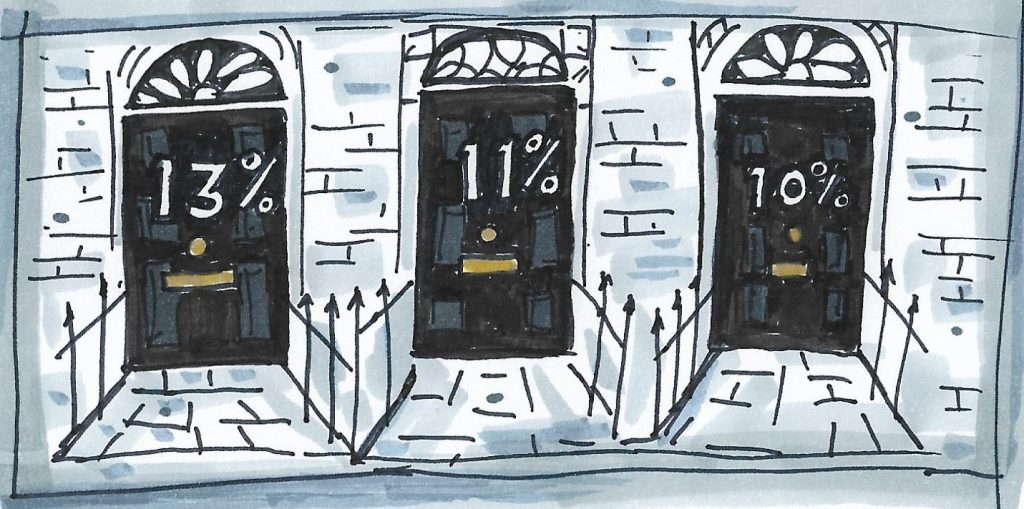
Chancellor
‘Don’t you just love numbers?’

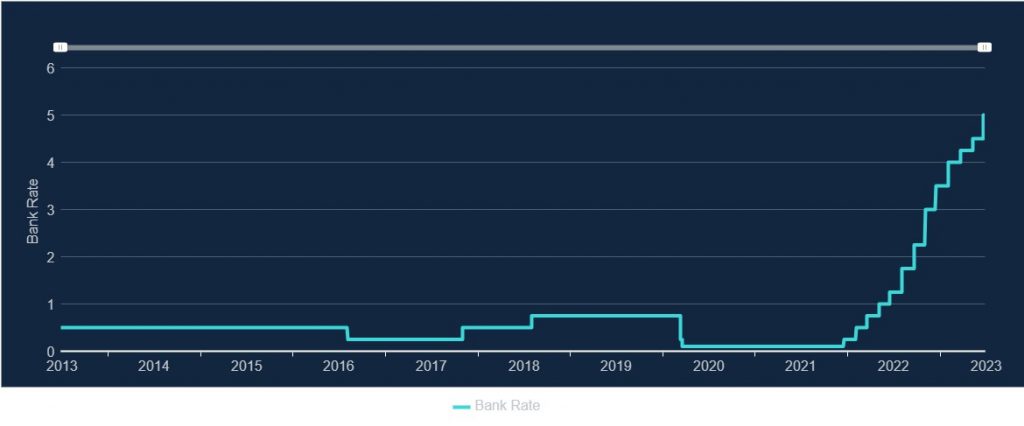
The Bank of England has raised interest rates to 5.25% as of August 2023 – the highest level since 2008, to curb inflation and maintain price stability. The Bank of England inflation target is 2%.

The plan?

The chancellor reportedly has vowed to stick to the plan that he believes will bring down inflation and boost growth in the long term.

He said that he will unveil a plan in the autumn statement that will show how the UK can break out of the low-growth trap and become one of the most entrepreneurial economies in the world. He also said that he will not ‘veer around like a shopping trolley‘ and change course in response to short-term pressures.


‘Everything is fine, nothing to see here!’

Downing Street No.10
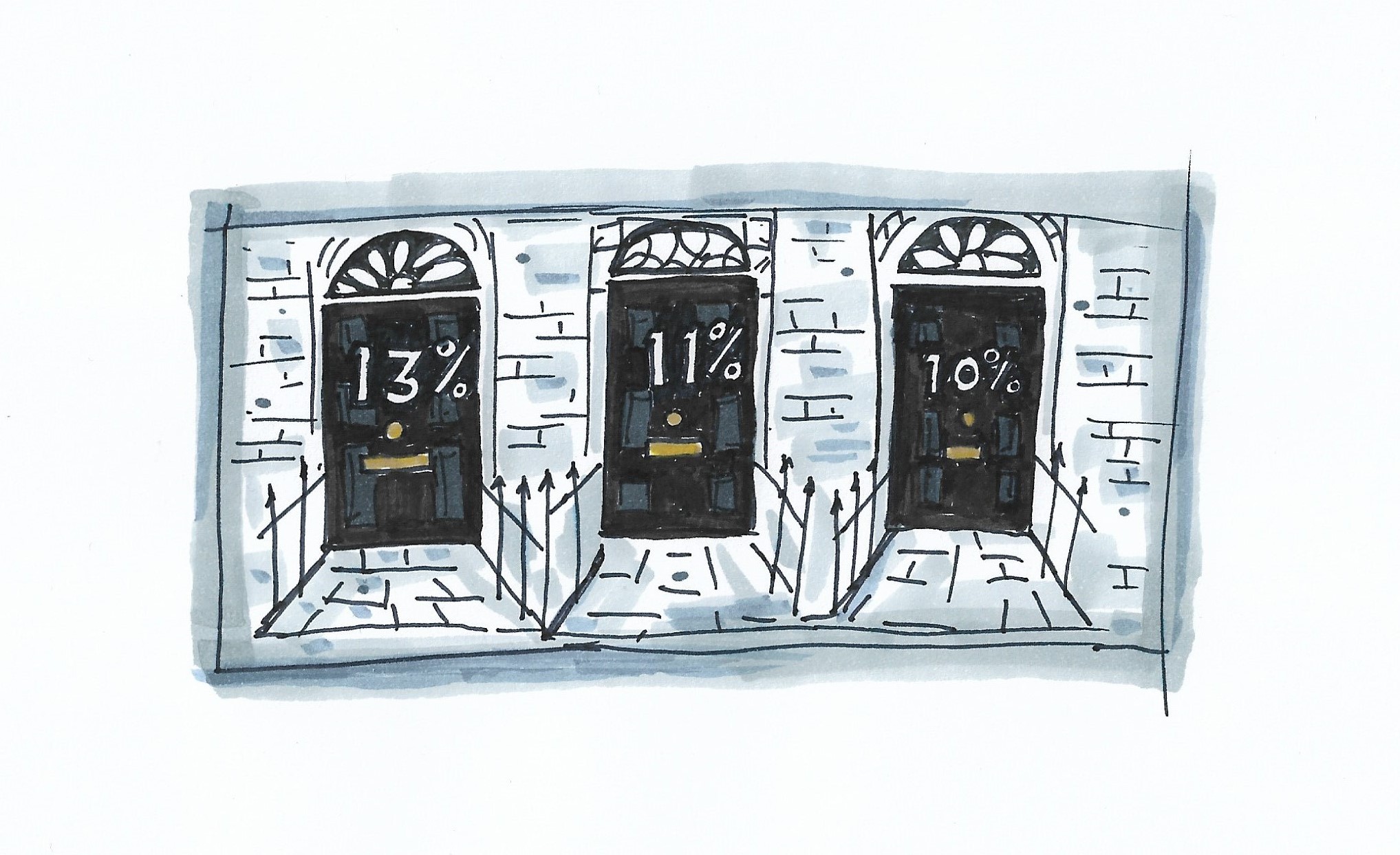
‘Everything is fine, nothing to see here!’

Dream or reality – did this really happen?

The party-gate scandal lead to SERVING members of the UK government being fined, including the then prime minster (since sacked by the party) – and the then chancellor of the exchequer (now our serving prime minister).

You really can’t make this stuff up.

It rains in the UK!

It rains in the UK!

Why are we so surprised when it rains in the UK?

Latest reports suggest that the number of people heading out to the shops fell for the first time in July in 14 years as the UK struggled with one of the wettest months on record.

Overall footfall was down by 0.3% (that doesn’t seem high to me) – in the first drop in July since 2009, latest reports suggest. High Streets were hit hardest but shopping centres and retail parks got a boost in visitor numbers.

Not all bad

Soft play areas and cinemas have enjoyed a business boost. Also holiday parks are taking last minute bookings as discounts are offered.

Aside from the rain, the rising cost of living and rail disruption were also behind the fall. Shoppers have been battling with one of the wettest Julys on record, according to provisional reports.

Don’t be too surprised when it rains in the UK

High Streets in coastal towns were especially hard hit, with footfall dropping 4.6%, as the rain kept people away from beaches.

July’s figures also appeared to demonstrate the harsh reality of the impact of interest rate rises on consumers, combined with rain and the continuing transport and rail turmoil traveller have to endure in the UK.

Moving on

Digressing from the real report here, which is the slowdown in UK shopping habits due to the rain – we ought to remember that in the South West there is a hose pipe ban. This ban has been in force since summer 2022! And, the UK looses excessive amounts of water through leaks.

Ironic isn’t it. All that rain and we just don’t store enough! How do other ‘hot’ countries manage? Anyway, at least we can go shopping, or not as the case may be!

UK house prices fall according to the Nationwide Building Society

UK House Price Drop

UK house prices dropped at their fastest annual pace for 14 years in July 2023, according to Nationwide.

The building society said house prices dropped by 3.8%, which is the biggest decline since July 2009. Nationwide said mortgage interest rates remain high, making affordability a difficult for house-buyers. Mortgage costs hit the highest level for 15 years in July 2023 as lenders grappled with inflation and uncertainty over rates set by the (BoE) Bank of England. The BoE recently raised interest rates by 0.5% to 5% in a belated efforet to curb rampant inflation which is currently well above the 2% target.

Average UK house £260,828

The average price of a home in the UK is £260,828 – 4.5% below the August 2022 peak. Many first-time buyers would welcome a drop in house prices, which have climbed in recent years, including during the pandemic.

But despite July’s fall, higher mortgage rates mean housing affordability ‘remains stretched‘, Nationwide said.

Real average house price data from 1975 – 2022*

*Indicative guide only (prices adjusted for inflation).

Euro Zone GDP & Inflation Improves in July 2023

Cash

EU Inflation 5.3% July 2023

Euro zone inflation fell in July, and new growth figures showed economic activity picking up in the second quarter of this year, but economists still fear a recession.

Headline inflation in the EU was 5.3% in July, according to preliminary data released end of July 2023, lower than the 5.5% registered in June. However, it still remains substantially above the European Central Bank’s 2% target.

EU GDP

GDP growth accelerated in the second quarter, expanding by 0.3%, higher than the 0.2% expected by analysts.

Oh no, not again!

UK Interest rate 5% and rising

The current interest rate in the UK is 5% as of June 2023.

This is the Bank Rate set by the Bank of England (BoE), which influences the interest rates that other banks charge borrowers and pay savers. The BoE has raised the Bank Rate 13 times in a row from 0.1% to 5% in a bid to control inflation, which is the rate at which the prices of goods and services increase over time. The BoE has a target of keeping inflation at 2%, but the current inflation rate is 8.7%, which is much higher than the target. This means that the purchasing power of money is decreasing and people have to pay more for the same things.

Summary

  • The Bank of England has increased the base rate to 5% – up from 4.5% in June 2023
  • It’s a bigger increase than most forecasters expected
  • The last time the base rate was 5% or higher was in 2008
  • Higher interest rates are intended to lower inflation, by giving mortgage-holders and consumers less to spend
  • The government’s target is to have inflation down to 5% by the end of the year
  • Rishi Sunak said: ‘I always said this would be hard – and clearly it’s got harder over the past few months’ I am totally, 100%, on it, and it’s going to be OK
  • Seven of the nine members of the bank’s committee voted for the 5% rate – two wanted no change at all

Bank of England mission statement

Promoting the good of the people of the United Kingdom by maintaining monetary and financial stability.

Meet our new policy adviser

Well, the BoE has clearly done a good job here then with the UK interest rate now at 5%, again… and inflation at 8.7% after peaking at 11.1% in November 2022, a 41 year high! Great job!

And the UK PM said, ‘I always said this would be hard – and clearly it’s got harder over the past few months. I am totally, 100%, on it, and it’s going to be OK‘.

That’s good to know then – it’s going to be OK – so reassuring for borrowers! It’s going to be OK, so don’t worry!

Sorry PM, but that is so weak it’s bordering pathetic. Weren’t you the chancellor too?