OpenClaw Creator Peter Steinberger Joins OpenAI as Agent Race Accelerates

OpenAI and OpenClaw link up

OpenAI has made a decisive move in the fast‑evolving world of autonomous AI agents by hiring Peter Steinberger. He is the Austrian developer behind the viral open‑source project OpenClaw.

The announcement, made by CEO Sam Altman, signals a strategic push towards building more capable personal AI agents. These agents are designed to complete more meaningful tasks for its users.

Steinberger’s creation, OpenClaw—previously known as Clawdbot and Moltbot—rose to prominence for its ability to automate real digital tasks.

Rapid Adoption

Its rapid adoption highlighted a growing appetite for AI systems that move beyond conversation and into practical execution.

Altman reportedly described Steinberger as ‘a genius with a lot of amazing ideas about the future’. He also emphasised that agentic systems will soon become central to OpenAI’s product ecosystem.

Crucially, OpenClaw it was reported, will not be absorbed into a closed platform. Instead, it will reportedly continue as an open‑source project under an independent foundation, with OpenAI providing support.

This approach preserves the community‑driven development model that helped the tool gain traction. This allows Steinberger to focus on advancing agent capabilities within OpenAI’s broader framework.

Steinberger

In a blog post, Steinberger reportedly explained that although OpenClaw could have grown into a large standalone company, he was more motivated by the opportunity to ‘change the world‘ rather than build another corporate venture.

His move comes amid intensifying competition in the agent space. Major tech firms are racing to define the next generation of AI assistants capable of coordinating complex tasks across multiple platforms.

OpenAI’s decision to bring Steinberger onboard underscores the company’s belief that autonomous agents will shape the next phase of AI adoption.

With OpenClaw remaining open and Steinberger now leading internal development, the stage is set for rapid innovation in personal AI systems

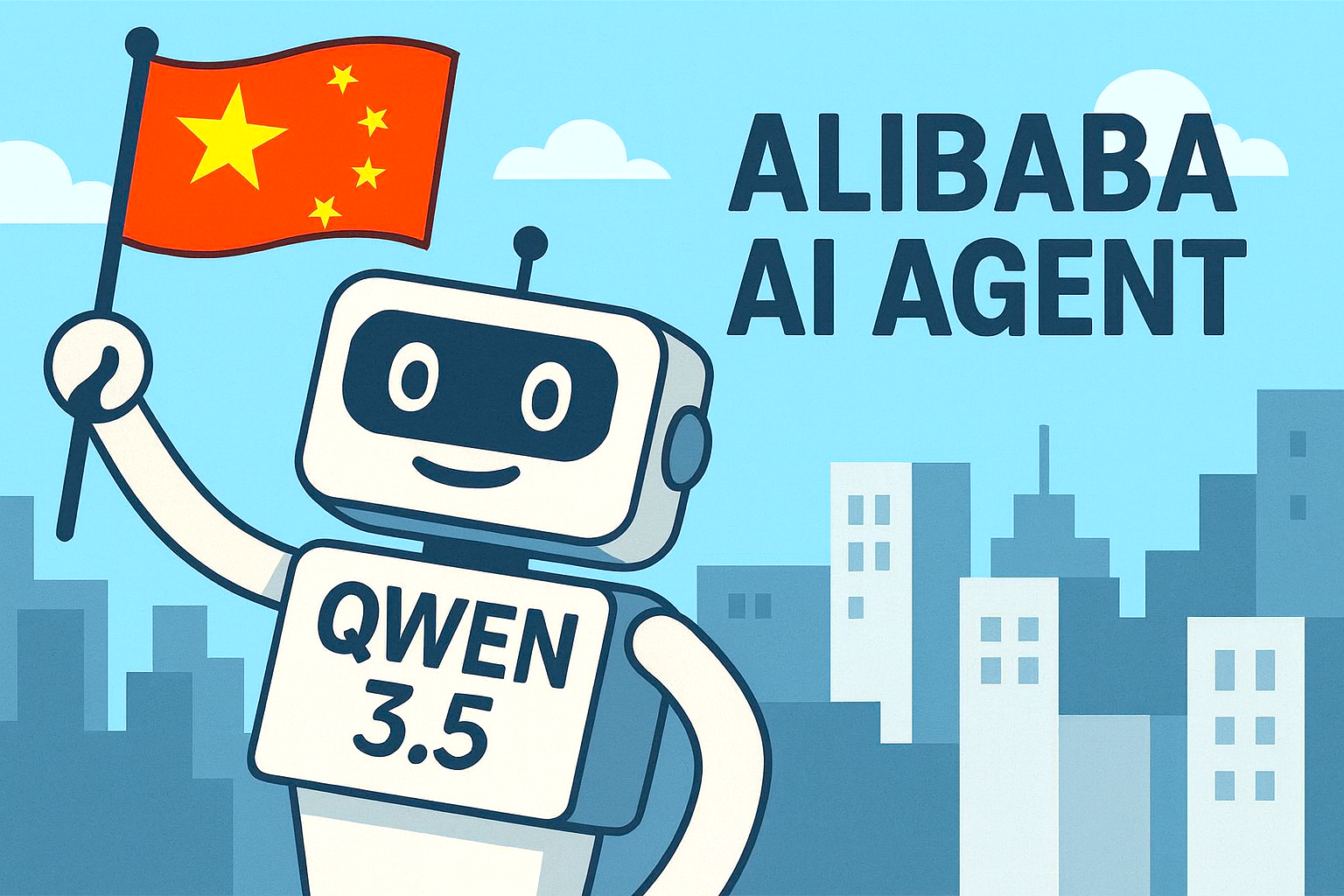
Alibaba’s Qwen 3.5 Marks a Strategic Shift Toward AI Agents

Qwen 3.5 AI agent

Alibaba has unveiled Qwen 3.5, its latest large language model series, signalling a decisive shift in China’s increasingly competitive AI landscape.

Released on the eve of the Chinese New Year, the new model arrives with both open‑weight and hosted versions, giving developers the option to run the system on their own infrastructure or through Alibaba’s cloud platform.

The company emphasises that Qwen 3.5 delivers improved performance and lower operating costs compared with earlier iterations, while introducing ‘native multimodal capabilities’ that allow it to process text, images, and video within a single system.

Ability

What sets Qwen 3.5 apart is its focus on agentic behaviour — the ability for AI systems to take actions, complete multi‑step tasks, and operate with minimal human supervision.

This trend has accelerated globally following recent releases from Anthropic and other U.S. based developers, prompting Chinese firms to respond rapidly.

Alibaba says Qwen 3.5 is compatible with popular open‑source agent frameworks such as OpenClaw, which has surged in adoption among developers seeking more autonomous AI tools.

Capable

The open‑weight version features 397 billion parameters, fewer than Alibaba’s previous flagship model, yet the company claims significant gains in reasoning and benchmark performance.

It also supports 201 languages and dialects — a notable expansion that reflects Alibaba’s ambition to position Qwen as a global‑ready platform rather than a purely domestic competitor.

With rivals like ByteDance and Zhipu AI launching their own upgraded models, Qwen 3.5 underscores how China’s AI race is evolving from chatbot development to full‑scale autonomous agents — a shift that could reshape software markets and business models worldwide.

Baidu brings OpenClaw AI to its search app, unlocking new tools for 700 million users

Baidu and OpenClaw link up

Baidu has begun integrating the fast‑rising AI agent OpenClaw directly into its flagship search app, opening the door for 700 million monthly users to access advanced task‑automation tools just ahead of China’s Lunar New Year holiday.

The move marks one of the company’s most significant consumer‑facing upgrades in years, as competition intensifies among Chinese tech giants racing to commercialise AI at scale.

Until now, OpenClaw — an Austrian‑developed, open‑source agent — was primarily accessed through chat platforms such as WhatsApp and Telegram.

Baidu rollout

Baidu’s rollout means users who opt in will be able to message the agent within the search app to handle everyday digital tasks, from scheduling and file organisation to writing code.

The company is also extending OpenClaw’s capabilities across its wider ecosystem, including e‑commerce and cloud services.

The timing is strategic. Lunar New Year is one of the most competitive periods for user acquisition in China’s internet sector, and Baidu’s rivals are also accelerating their AI deployments.

Alibaba, for example, has woven its Qwen chatbot into platforms such as Taobao and Fliggy, enabling end‑to‑end shopping journeys without leaving the app — a shift that has already generated more than 120 million consumer orders in a six‑day period this month.

Popularity surge

OpenClaw’s surge in popularity reflects a broader trend: AI agents are moving beyond conversational novelty and into practical automation, capable of navigating apps, managing email and performing multi‑step online tasks.

Yet the rapid adoption has also drawn warnings from cybersecurity firms, including CrowdStrike, about the risks of granting such agents deep access to enterprise systems.

For Baidu, the integration signals a clear intent to keep pace with global AI leaders while reinforcing its dominance in China’s search market.

For users, it marks the arrival of a more hands‑on, task‑driven AI era — one embedded directly into the tools they already rely on daily, with instant access to millions of users.

The Rise of OpenClaw and the New Era of AI Agents

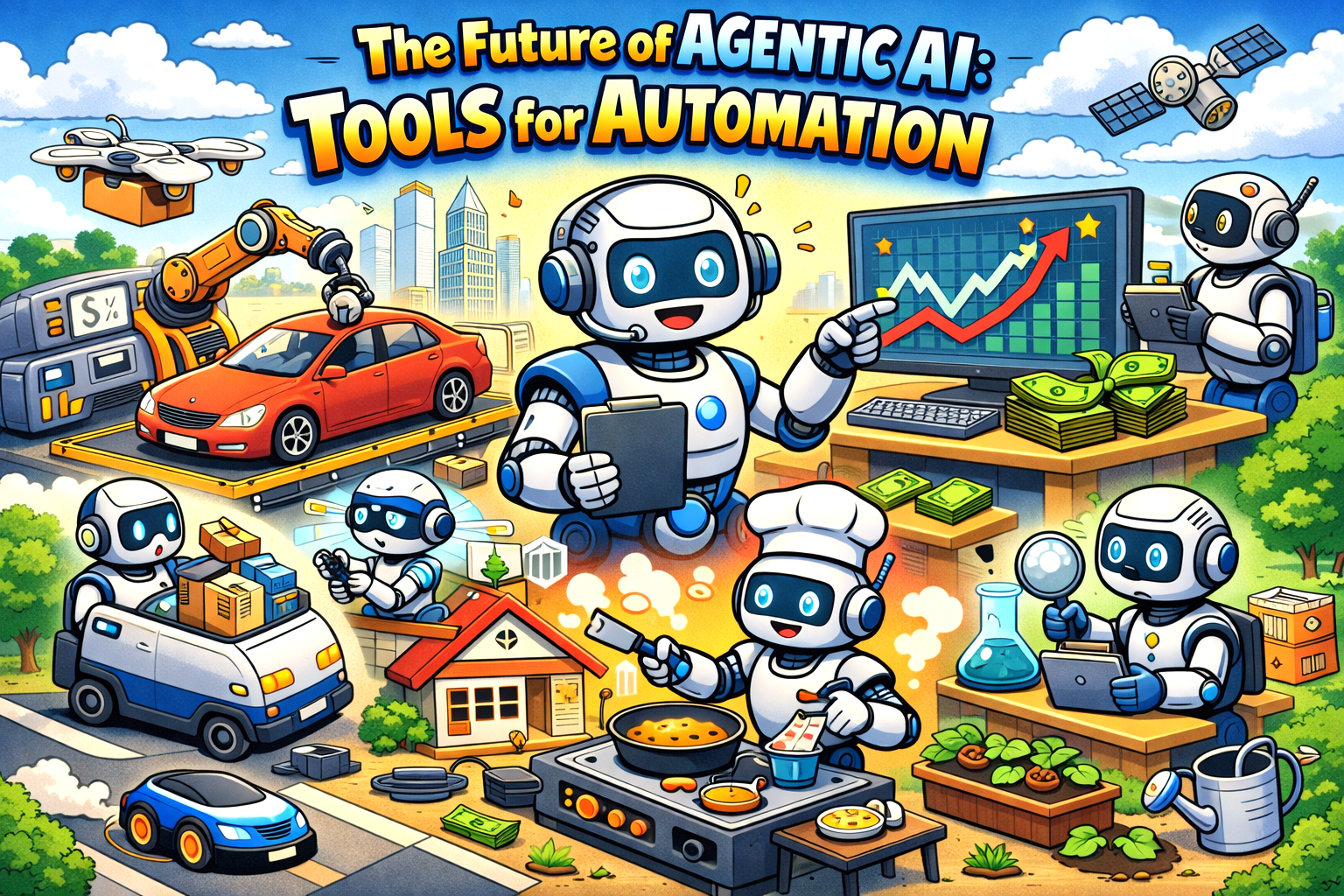
Agent AI

A new generation of artificial intelligence is taking shape, and at its centre sits OpenClaw — a fast‑evolving framework that embodies the shift from monolithic AI models to agile, task‑driven agents.

While large language models once dominated the conversation, the momentum has clearly moved toward systems that can reason, plan, and act with far greater autonomy. OpenClaw is emerging as one of the most intriguing examples of this transition.

Appeal

OpenClaw’s appeal lies in its modular design. Instead of relying on a single, all‑purpose model, it orchestrates multiple specialised components that collaborate to complete complex workflows.

This mirrors how real teams operate: one agent may handle research, another may draft content, and a third may evaluate quality or flag risks. The result is a system that behaves less like a tool and more like a coordinated digital workforce.

Defining trend

This shift is not happening in isolation. Across the industry, AI agents are becoming the defining trend. Companies are racing to build systems that can manage inboxes, run businesses, write and deploy code, or even negotiate with other agents.

The ambition is no longer to create a chatbot that answers questions, but an autonomous entity capable of executing multi‑step tasks with minimal human intervention.

OpenClaw stands out because it embraces openness and experimentation. Developers can plug in their own models, customise behaviours, and build agent ‘stacks’ tailored to specific industries.

Adoption

Early adopters in media, finance, and logistics are already exploring how these agents can streamline research, automate reporting, or coordinate supply‑chain decisions.

The promise is efficiency, but also creativity: agents that can generate ideas, test them, and refine them without constant supervision.

Of course, the rise of agentic AI brings challenges. Questions around safety, reliability, and accountability are becoming more urgent. An agent that can act independently must also be constrained responsibly.

Challenge

The industry is now grappling with how to balance autonomy with oversight, ensuring that these systems remain aligned with human goals and values.

Even with these concerns, the trajectory is unmistakable. OpenClaw and its peers represent a decisive step toward AI that is not merely reactive but proactive — capable of taking initiative, managing complexity, and collaborating with humans in more meaningful ways.

As these systems mature, they are likely to reshape not just how we work, but how we think about intelligence itself.

If you want to explore how this trend could influence your editorial or creative workflows, I’m ready to dive deeper with you.