

KOSPI down – KOSPI up!

KOSPI rebounds

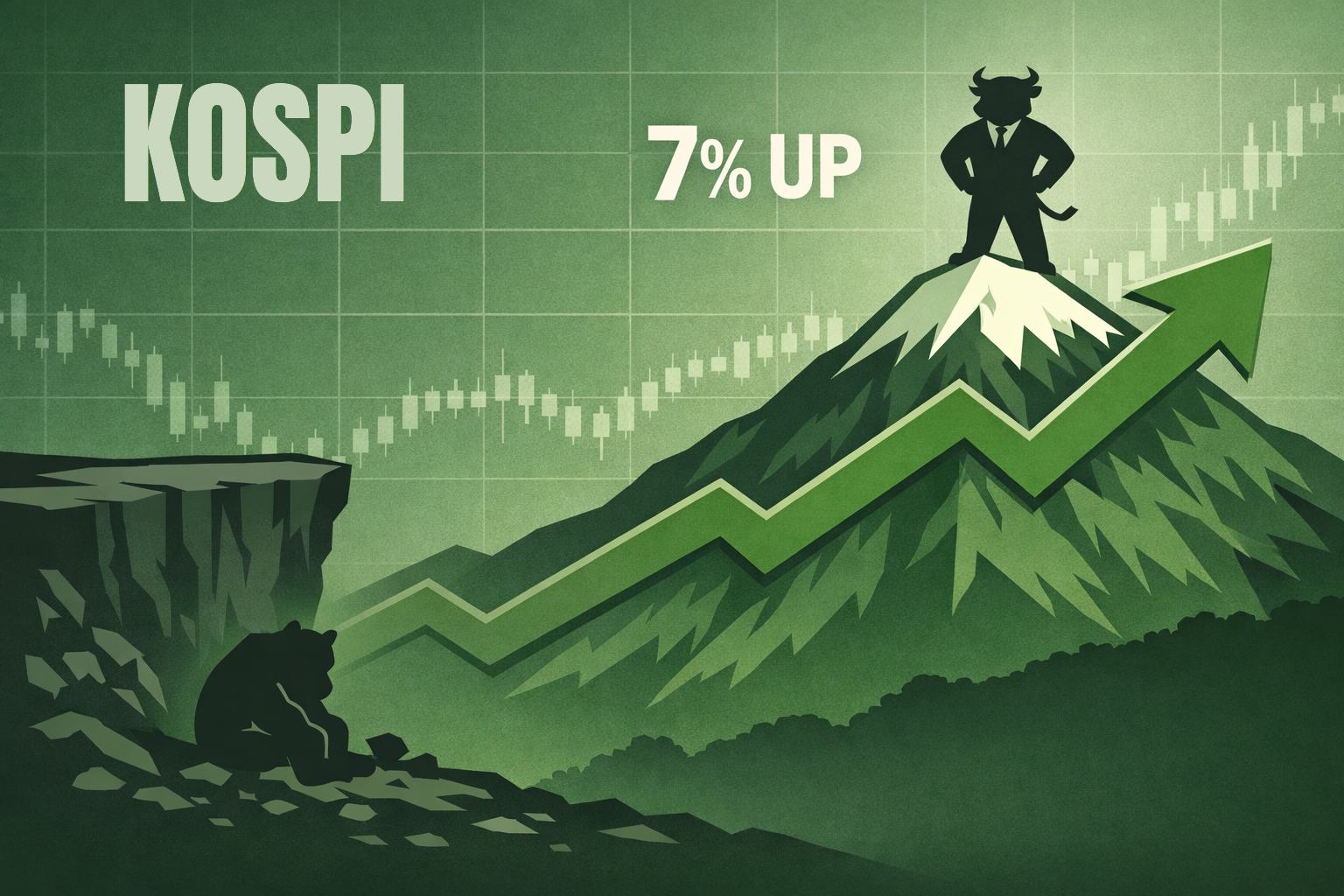
The Kospi staged a sharp and surprisingly confident rebound on Tuesday, 9 June, clawing back 7% – a meaningful portion of Monday’s bruising 8% plunge.

The reversal was driven less by any single catalyst and more by a collective sense that Monday’s sell‑off had overshot fundamentals.

Bargain hunters moved quickly, snapping up oversold technology and battery names, while institutional investors stepped in to stabilise the market after the previous session’s disorderly drop.

Overnight cues helped sentiment. A steadier tone in U.S. futures and a pause in global risk aversion gave Korean equities room to breathe.

The Won also firmed slightly, easing pressure on foreign flows. By mid‑session, the KOSPI had regained momentum, with traders framing Monday’s collapse as a capitulation move rather than the start of a deeper structural downturn.

The rebound doesn’t erase underlying fragilities, but it does show how quickly sentiment can flip.
South Korea’s KOSPI plunges 8%!

Kospi Index falls again

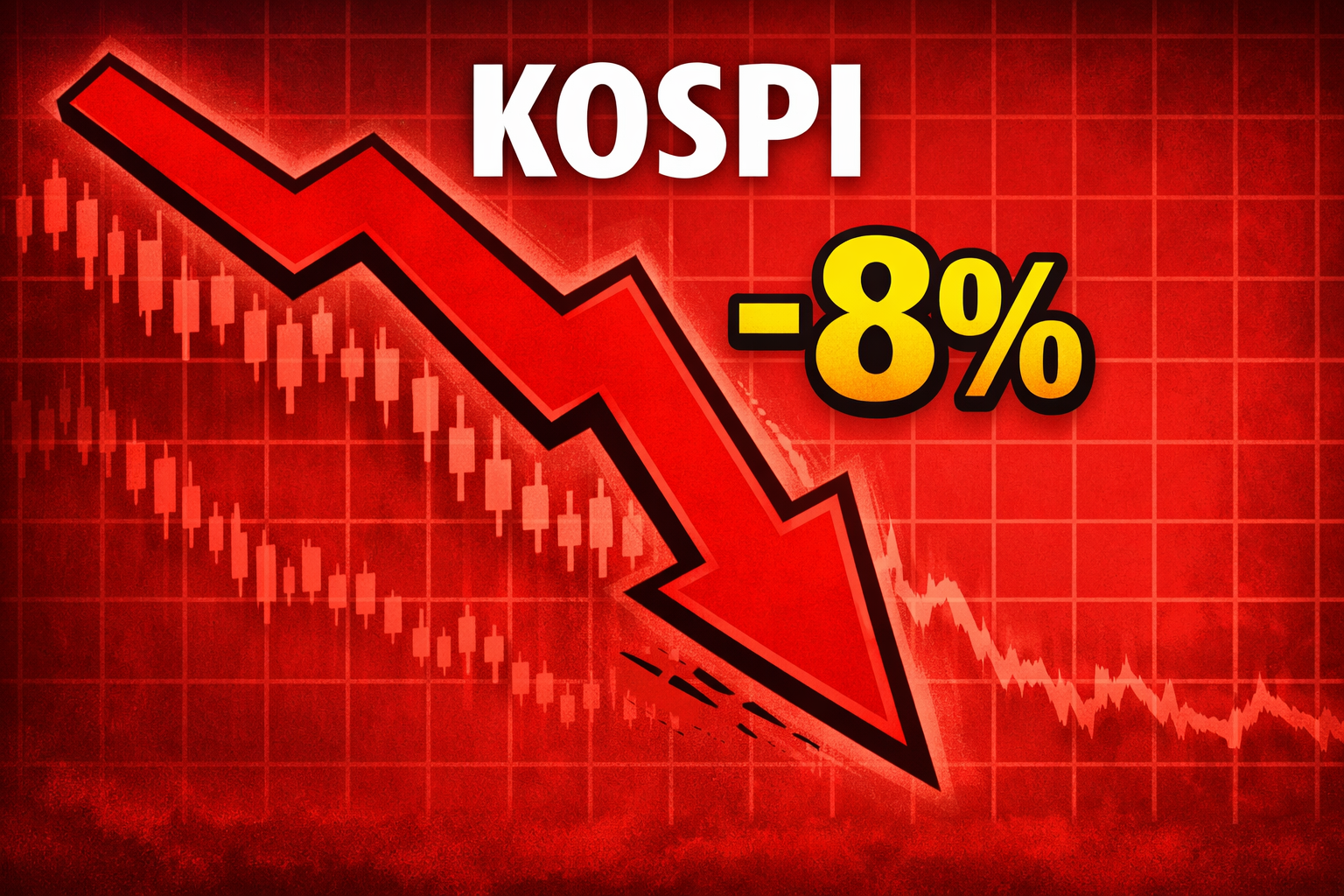
South Korea’s KOSPI index suffered a severe shock on Monday, 8th June, plunging more than 8% in early trading and triggering an automatic 20‑minute circuit breaker as panic selling swept through the market.

The index briefly fell to the mid‑7,400s, marking its third circuit‑breaker event of the year and underscoring the fragility of sentiment after a sharp global tech sell‑off.

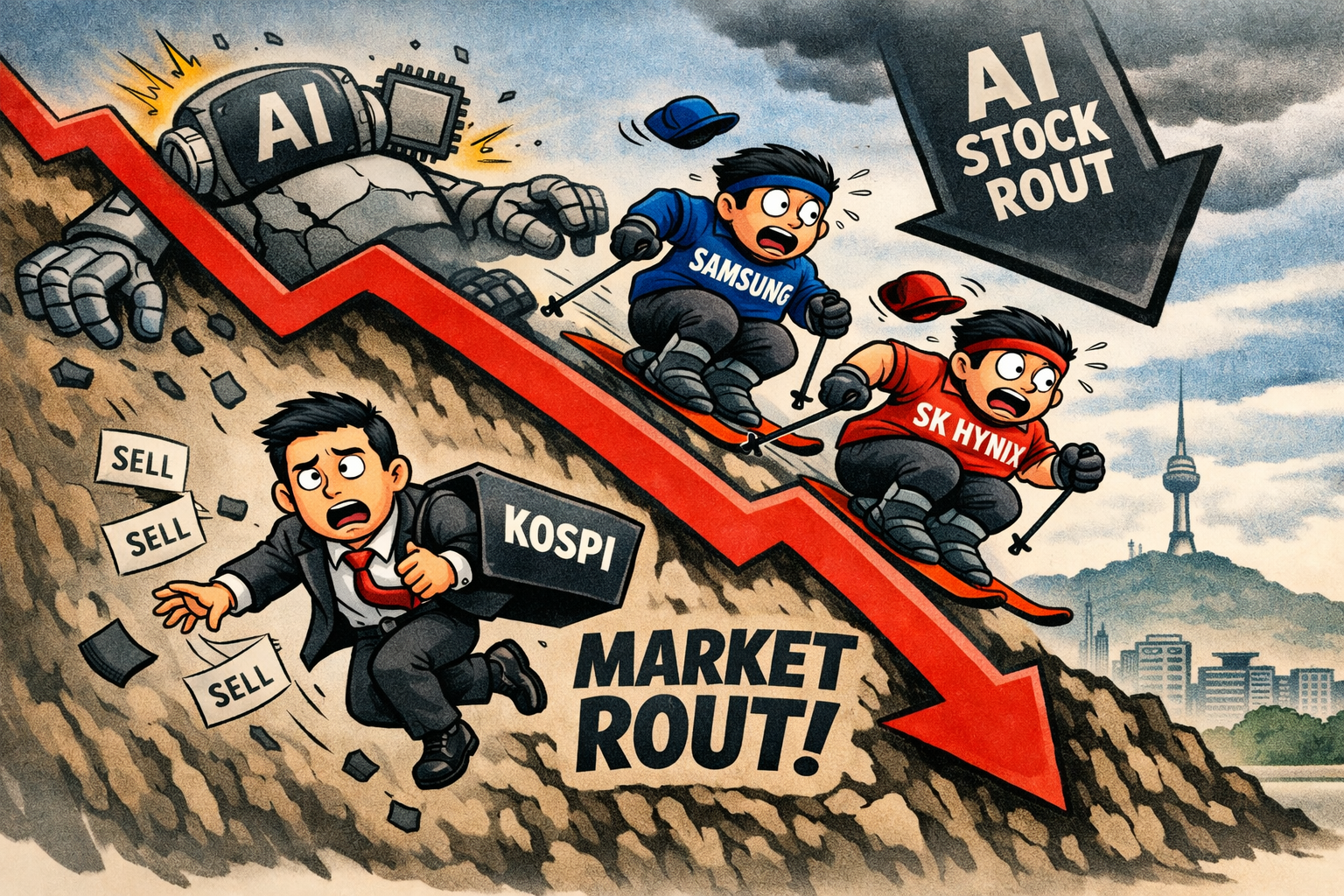
Semiconductor heavyweights led the rout. Samsung Electronics slumped more than 8.5%, while SK Hynix dropped over 7%, with additional steep losses across major industrial names including LG Electronics, Hyundai Motor and Samsung SDI.

The sell‑off mirrored a sharp downturn in U.S. markets the previous Friday 5th June 2026, where semiconductor giants such as Nvidia, Broadcom and Micron were hit hard, fuelling fears that the AI‑driven rally had overheated.

A hotter‑than‑expected U.S. jobs report also stoked concerns that the Federal Reserve may lean towards further rate hikes, adding to the risk‑off mood.

Currency markets reflected the stress: the Korean won weakened sharply to around 1,554 per dollar as foreign investors accelerated withdrawals.

Although local institutions and retail investors later stepped in to “buy the dip,” helping trim some losses, the episode highlighted the market’s vulnerability to global tech sentiment and shifting U.S. rate expectations.

AI Rout Hits Seoul: Kospi Sinks Over 5% as Chip Giants Slide

AI chip stock fall

South Korea’s markets were hit hard on Friday 5th June 2026, with AI‑linked stocks leading a sharp regional sell‑off after Wall Street’s tech slump rippled across Asia.

The Kospi tumbled 5.54%, closing at 8,160.59, its steepest one‑day fall in months, as investors rapidly unwound positions in semiconductor and AI beneficiaries.

Heavyweights Samsung Electronics and SK Hynix were at the centre of the decline, sliding 6.40% and 9.92% respectively. This demonstrates how tightly exposed Seoul’s market has become to the global AI cycle.

The pullback followed a sharp rotation out of chipmakers in the United States, triggered by disappointing revenue data from Broadcom. This shook confidence in the sector’s near‑term momentum.

With AI names having powered much of 2026’s rally, even a modest earnings wobble proved enough to spark a broader de‑risking.

Domestic strain

Domestic pressures added to the strain. South Korea’s labour minister urged major tech firms to share more of their AI‑driven semiconductor profits with workers and suppliers. This is a signal that political scrutiny of the sector is rising just as global sentiment cools.

For now, the sell‑off looks like a reminder of how tightly South Korea’s market is tethered to global AI expectations.

If Wall Street’s AI led enthusiasm falters, Seoul’s tech giants may face a more prolonged test.

Chinese stocks up sharply after Beijing confirms stimulus measures

China stocks up

Chinese stocks continued to rise following state media reports that China’s top leaders have endorsed the government’s recent measures to bolster their economy.

The CSI 300 index in Mainland China continued its rally for a seventh consecutive day, reaching its highest point in about four months, subsequent to a meeting of China’s highest officials confirming the government’s latest economic stimulus actions.

South Korea’s Kospi index surged by 1.9%, driven by advances in semiconductor company SK Hynix, which declared the commencement of mass production of the world’s inaugural 12-layer HBM3E chip, utilised in AI applications.

See SK Hynix Newsroom report here