

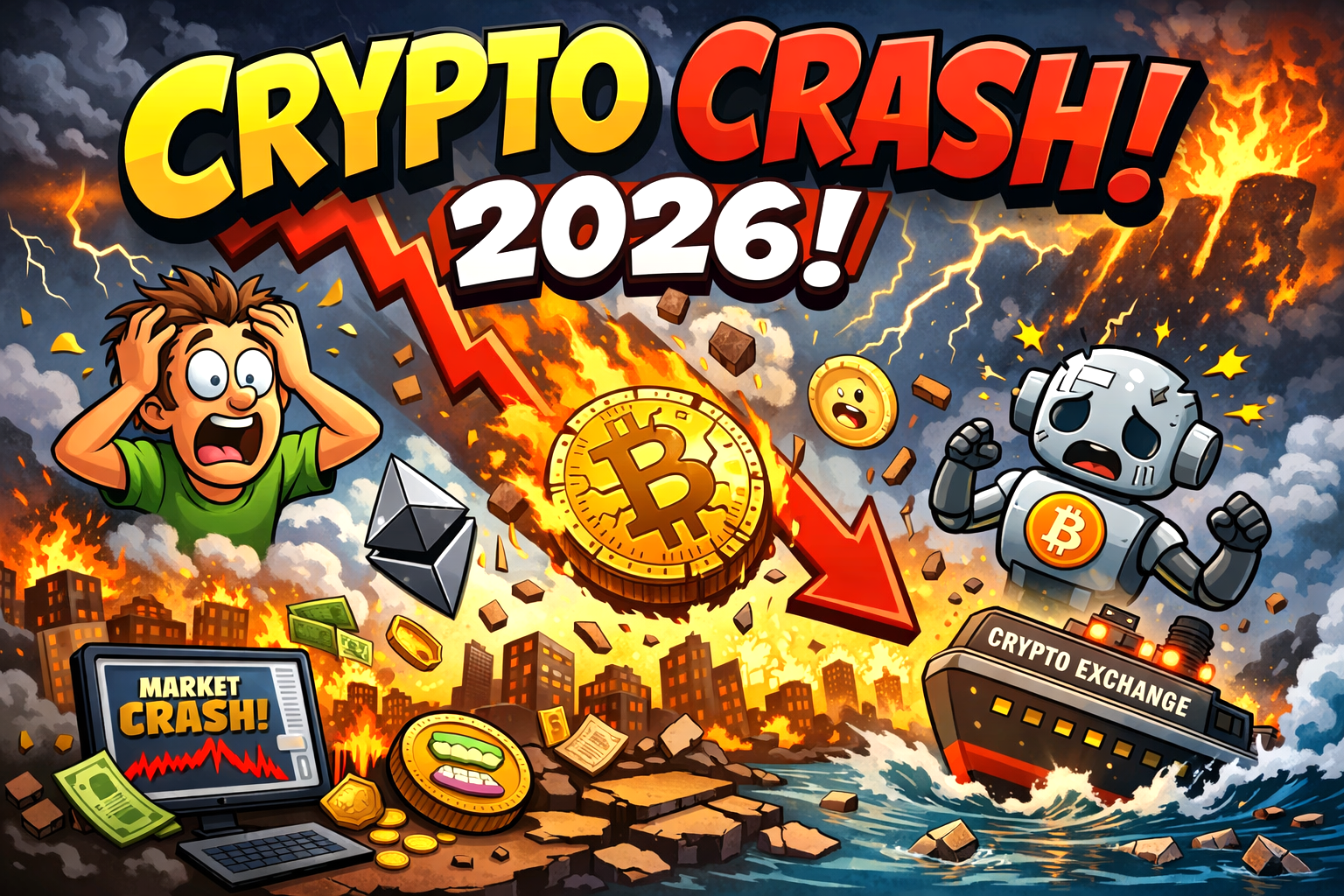
The crypto markets have entered one of their most turbulent phases since the 2022 downturn, and the shockwaves are rippling far beyond digital‑asset circles.
What’s unfolding right now is not just another correction but a full‑scale confidence crisis, fuelled by regulatory pressure, liquidity stress, and a sharp reversal in investor sentiment.
Collapse
At the centre of the storm is the sudden collapse in major token prices. Bitcoin has plunged after months of stagnation, breaking through key psychological floors and triggering a cascade of automated sell‑offs.
Ethereum has followed suit, dragged down by concerns over declining network activity and the unwinding of leveraged positions across decentralised finance platforms.
Altcoins, as usual, have suffered the most, with many losing more than half their value in a matter of days.
Regulators have added fuel to the fire. Several governments have announced new enforcement actions targeting exchanges, stablecoin issuers, and offshore trading platforms.
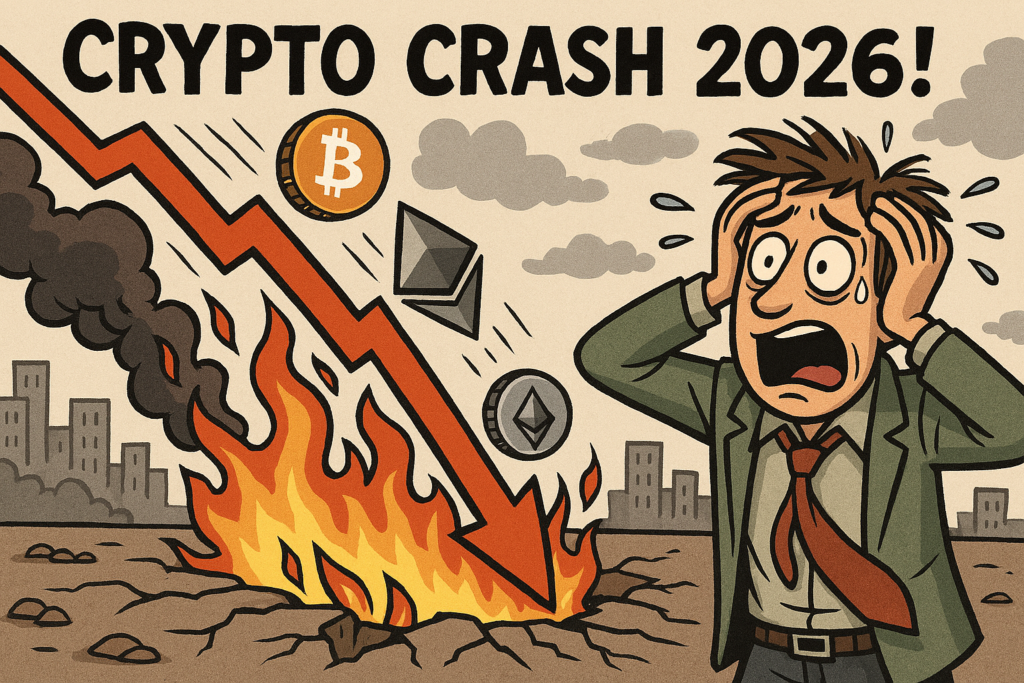
Jittery
Markets were already jittery, but the latest wave of investigations has amplified fears that the era of lightly regulated crypto speculation is coming to an abrupt end.
For institutional investors—who had cautiously re‑entered the market over the past two years—this has been enough to send them back to the sidelines.
Liquidity
Liquidity is evaporating as a result. Major exchanges are reporting thinner order books, wider spreads, and surging withdrawal volumes.
Some platforms have temporarily halted certain services to stabilise operations, which has only deepened public anxiety.
Retail traders, many of whom returned during the 2025 bull run, are now facing steep losses and scrambling to exit positions.
Yet amid the chaos, a familiar pattern is emerging. Developers continue to build, long‑term holders remain unfazed, and venture capital is quietly positioning for the next cycle.
Crypto has weathered dramatic crashes before, and each downturn has ultimately reshaped the industry rather than destroyed it.
The question now is not whether the sector will survive, but what form it will take when the dust finally settles.