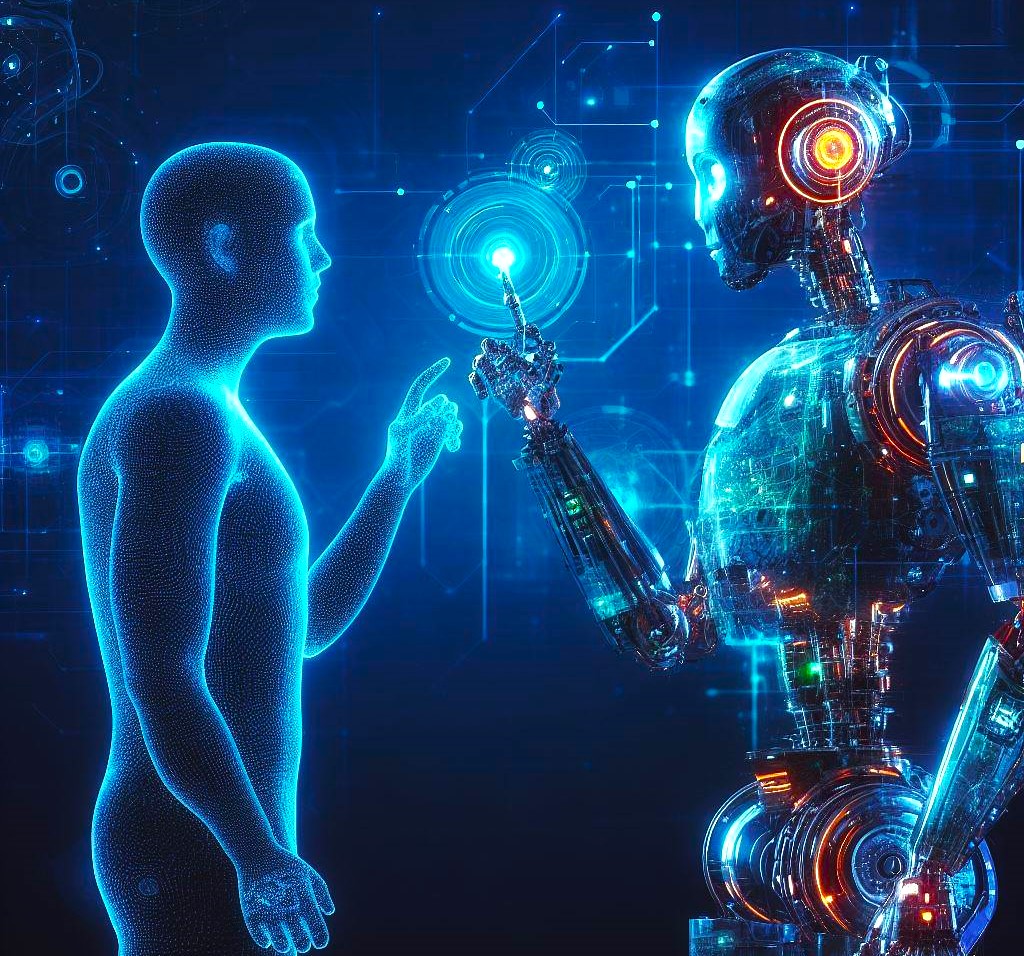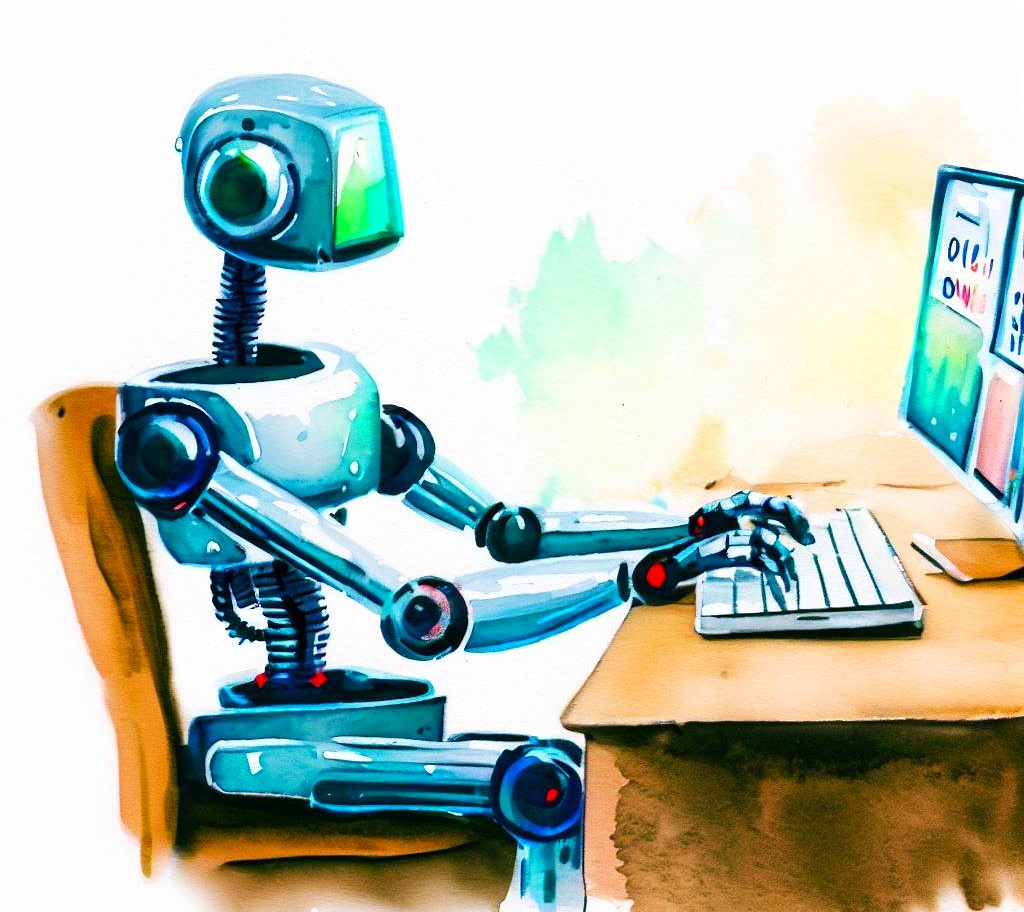

There is some evidence that AI could create the next financial crisis, according to some experts and regulators.
AI scenarios
AI could increase the complexity and opacity of financial markets, making it harder to monitor and prevent systemic risks. For example, AI could enable new forms of market manipulation, fraud, or cyberattacks that could destabilize the financial system.
AI could create feedback loops or cascading effects that could amplify shocks and cause contagion across different sectors and regions. For example, AI could trigger flash crashes or sudden liquidity shortages that could spread rapidly and disrupt market functioning.
AI could create new sources of concentration and interdependence that could increase the vulnerability of the financial system. For example, AI could create a reliance on a few dominant data providers, platforms, or models that could fail or malfunction.
AI bots could take control of a stock trading platform or worse a stock exchange.
These are some of the possible scenarios that AI could create the next financial crisis. However, there are many potential benefits and opportunities that AI could bring to the financial sector, such as enhancing efficiency and innovation and even enhancing easier access and personal financial control for millions of investors and savers.
AI could lead to the next financial crash! It could also enhance personal financial control.
If the Israel-Hamas conflict further intensifies, the risks to the global economy are growing, economist Mohamed el-Erian reportedly said Monday 30th October 2023.
The impact on global markets was initially limited, as investors viewed the conflict as contained. However, the prospect of a regional spillover has added to a sense of unease.
‘The longer this conflict goes on, the more likely it will escalate. The higher the risk of escalation, the higher the risk of contagion to the rest of the world in terms of economics and finance’, el-Erian said.
Central banks, 18 months ago got it fundamentally wrong and they got it wrong on many other occasions too.
So why take any notice?
The Fed and other central banks insisted that inflation would be ‘transitory’ – it wasn’t. It reached 7%. That’s 5% above the target of 2%.
Along with the misdiagnosis on prices, Fed officials, according to projections released in March 2022, collectively saw the key interest rate rising to just 2.8% by the end of 2023. It is now 5.25%.
The Great Depression (1929–1939) was an economic bomb that affected countries across the world. It was a period of severe economic depression after a major fall in stock prices in the United States. It began around September 1929 and led to the Wall Street stock market crash on 24th October 1929 (Black Thursday). See Wikipedia article here.
It was the longest, deepest, and most widespread depression of the 20th century.
The Great Depression of 1929
The Great Inflation
The Fed pursued an overly expansionary monetary policy in the 1960s and 1970s, which fueled high inflation and eroded the value of the dollar. The Fed also underestimated the impact of oil shocks and other supply shocks on inflation and was slow to tighten monetary policy to restore price stability. The Fed eventually raised interest rates sharply in the late 1970s and early 1980s, which triggered a severe recession. And in1991 inflation surged to 8.5%.
The Great Recession
The Fed likely contributed to the build-up of financial imbalances and excessive risk-taking in the 2000s, (Dotcom bubble) – by keeping interest rates too low for too long and by failing to adequately supervise and regulate the financial system.
The Fed likely contributed to the build-up of financial imbalances and excessive risk-taking in the 2000s
The Fed also reacted too slowly to the emerging signs of distress in the housing market and the financial sector and was unprepared for the global financial crisis that erupted in 2008. Remember, ‘sub-prime’ lending. We can see signs of similar stress in the U.S. car loan market now.
The Fed and other central banks including the Bank of England initially underestimated the severity and duration of the pandemic and its impact on the economy. The Fed also overestimated the transitory nature of inflation, which surged to a 30-year high in 2021 due to supply chain disruptions, pent-up demand, fiscal stimulus, and base effects. The Fed maintained an ultra-accommodative monetary policy stance for too long, despite mounting evidence of overheating and inflationary pressures.
The Fed finally raised interest rates by 0.75% in December 2022, but faced criticism for being behind the curve and for communicating poorly with the markets.
Transitory inflation
The Fed said inflation would be transitory in 2021 and 2022. The Fed used this term to describe the higher-than-normal prices that emerged during the Covid-19 economic crisis, which were expected to be temporary and not part of a long-term trend. The Fed attributed the inflation surge to factors such as supply chain bottlenecks, pent-up demand, fiscal stimulus, and base effects.
The Fed also said that it would let inflation run above its 2% target for some time, to achieve an average inflation rate of 2% over time. However, as inflation remained high and persistent in 2021 and 2022, the Fed faced criticism for being behind the curve and for communicating poorly with the markets. The Fed eventually raised interest rates.
And now, much of the same. The Fed is again ‘tinkering’ with policy to manage ‘transitory’ inflation and will most probably engineer a recession as a result.
Buying the dip means purchasing an asset, usually a stock, when its price has dropped. The expectation is that the drop is a short-term anomaly, and the asset’s price will soon go back up. It is a strategy that some traders and investors use to take advantage of price fluctuations and profit from market rebounds.
However, buying the dip can also be risky, as there is no guarantee that the price will recover or that the asset is not in a long-term downtrend. Therefore, it is important to do your research, use indicators, and have a risk management plan before buying the dip.
Current market situation and general ‘readout’
The S&P 500 is still ‘buy the dip’ for the next six months,’ some analysts suggest.
In some reports, it is expected that the profit cycle will be positive over the next six months and for data to improve before a consumer-spending led downturn leads to a selloff in U.S. stocks! That’s the ‘general’ readout.
Corporate profit expectations are behind much of that forecast for stocks. Analysts expect profit growth to accelerate over the next two quarters and see the S&P 500 in a range of 4,050 to 4,750. A mild recession in early or middle 2024 should lead to a higher risk premium, pushing the S&P 500 back close to 3,800. This is all conjecture.
Other analysts doubt the earnings uplift potential and anticipate stocks to fall back sooner as PE ratios sit at an already high level.
Take your pick
My view, for what it’s worth, is for stocks to climb for the time being through into the New Year and then to face pullback.
Truth is, no one knows. We can all make educated guesses.
Just watch the markets and be ready for the fall – that is coming for sure!
Utterly shocking eye watering covid fraud related losses incurred through government incompetence.
The UK covid fraud amount is not a single figure, but rather a sum of various losses due to fraud and error across different government schemes and programmes.
List of government failures and waste
£21bn of public money lost in fraud since COVID pandemic began and most will never be recovered.
£34.5m stolen in pandemic scams by more than 6,000 cases of Covid-related fraud and cyber-crime.
£16bn lost due to fraud and error in Covid loans schemes.
£4.5bn in Covid-19 support lost to error and fraud since 2020.
Breathtaking incompetence
These figures are based on the reports and audits by the National Audit Office, the Action Fraud team, the HMRC, and other sources. However, they may not reflect the full extent of the problem, as some fraud cases may not be reported or detected.
The UK government has taken some measures to tackle fraud and recover the losses, such as creating the Public Sector Fraud Authority, the taxpayer protection taskforce, and the Dedicated Card and Payment Crime Unit.
The incompetence shown by the UK government is utterly breathtaking.
The stock market is influenced by many factors, such as economic data, earnings reports, geopolitical events, investor sentiment, and technical indicators.
Some analysts have suggested that the recent sell-off in the market may have created some oversold conditions that could lead to a relief rally or a bounce back in the near future.
Stochastics oscillation
One of the technical indicators that some traders use to identify buy and sell signals is the stochastics oscillator, which measures the momentum of price movements. The stochastics oscillator consists of two lines: the %K line and the %D line.
The %K line shows the current position of the price relative to its high and low range over a certain period of time, usually 14 days. The %D line is a moving average of the %K line, usually a three-day average. When the %K line crosses above the %D line, it is considered a bullish signal, indicating that the price may be reversing from a downtrend to an uptrend.
When the %K line crosses below the %D line, it is considered a bearish signal, indicating that the price may be reversing from an uptrend to a downtrend.
80/20 analysis
The stochastics oscillator also has two levels: 20 and 80. When the %K line falls below 20, it means that the price is oversold, meaning that it has fallen too much and may be due for a rebound. When the %K line rises above 80, it means that the price is overbought, meaning that it has risen too much and may be due for a pullback.
Careful research before buying is paramount to successful trade
The FTSE 100 index, which tracks the performance of 100 large companies listed on the London Stock Exchange, has recently fallen below 20 on the stochastics oscillator, indicating that it may be oversold and ready for a bounce back.
No guarantee
However, this is not a guarantee, as other factors may also affect the market direction. Therefore, it is advisable to use stochastics in conjunction with other tools, such as trend lines, support and resistance levels, moving averages, and other technical indicators.
Additionally, some traders use different settings for the stochastics oscillator, such as changing the time period or the smoothing factor, to suit their own trading style and preferences. Always though, long term investing produces far better results over time as it smooths out the ‘ups and downs’.
In summary, there is no definitive answer to whether the stock market is building up to a major buy signal again right now, as different traders will have different opinions and strategies and views. But one possible way to gauge the market sentiment and momentum is to use the stochastics oscillator, which can provide some clues about potential reversals and opportunities in the market.
Note
This indicator should not be used in isolation, but rather in combination with other tools and analysis – it is just that, a tool. Good well-established companies that have good track records over many many years are a good place to look for long term returns. But even then, do your thorough research first.
So, what next?
The interest-rate/inflation correlation is crucial, because nominal company earnings grow faster when inflation is higher. That does not mean investors should welcome inflation, since higher inflation also means that future years’ earnings must be discounted at a higher rate.
But for many behavioural reasons, investors place greater weight on the negative impact of the greater discount rate than on the higher nominal earnings-growth rate that typically accompanies higher inflation.
Inflation illusion
Economists refer to this investor error as ‘inflation illusion’. Perhaps the seminal study documenting how this error impacts the stock market was conducted by Jay Ritter of the University of Florida and Richard Warr of North Carolina State University. They found that investors systematically undervalue stocks in the presence of high inflation.
Investors will make the same error, in reverse, when inflation and interest rates start to come down. That’s why the foundation of a likely big buy signal is currently being built.
Maybe the buy signal is about to go green for a quick buying opportunity. But be careful, in this environment it can switch again very quickly.
Remember, always do your own research carefully before buying.
It has been suggested Rishi Sunak and Boris Johnson have overseen biggest tax rises since the Second World War
‘Fiscal responsibility’ – code words for ‘cock-up!’
Chancellor Jeremy Hunt and Prime Minister Rishi Sunak have stressed the need for ‘fiscal responsibility’ amid still-high inflation and rising debt costs.
According to the Institute for Fiscal Studies (IFS), by the time of the next general election, taxes will likely have risen to around 37% of national income, which is the highest level since comparable records began in the 1950’s.
The IFS said that this is equivalent to around £3,500 more per household, but it will not be shared equally across income group.
Health and Welfare massive tax burden
The IFS also said that this is not a direct consequence of the pandemic, but rather a result of decisions to increase government spending on health and welfare, and some unwinding of austerity. They predicted that this parliament would mark a decisive and permanent shift to a higher-tax economy.
Other think tanks, such as the Nuffield Foundation, have echoed this view and said that there will be strong pressure in future parliaments to raise taxes further to meet growing demand for public services.
Dissatisfied
Some Conservative MPs have expressed their dissatisfaction with the lack of tax cuts from the government, as they believe that reducing taxes is a key part of the party’s philosophy. Chancellor Jeremy Hunt and Prime Minister Rishi Sunak have stressed the need for fiscal responsibility amid still-high inflation and rising debt costs.
Lurching from one problem to the next
We saw this type of response under George Osborne during the ‘austerity’ period after the financial crisis of 2008. And now again, after Brexit and the pandemic. They were all Conservative governments.
Hunt has reportedly said it would be virtually impossible to cut taxes at the moment – no surprise there then!
Labour has criticised the government for clobbering the general public with tax rises and failing to deliver growth and wages.
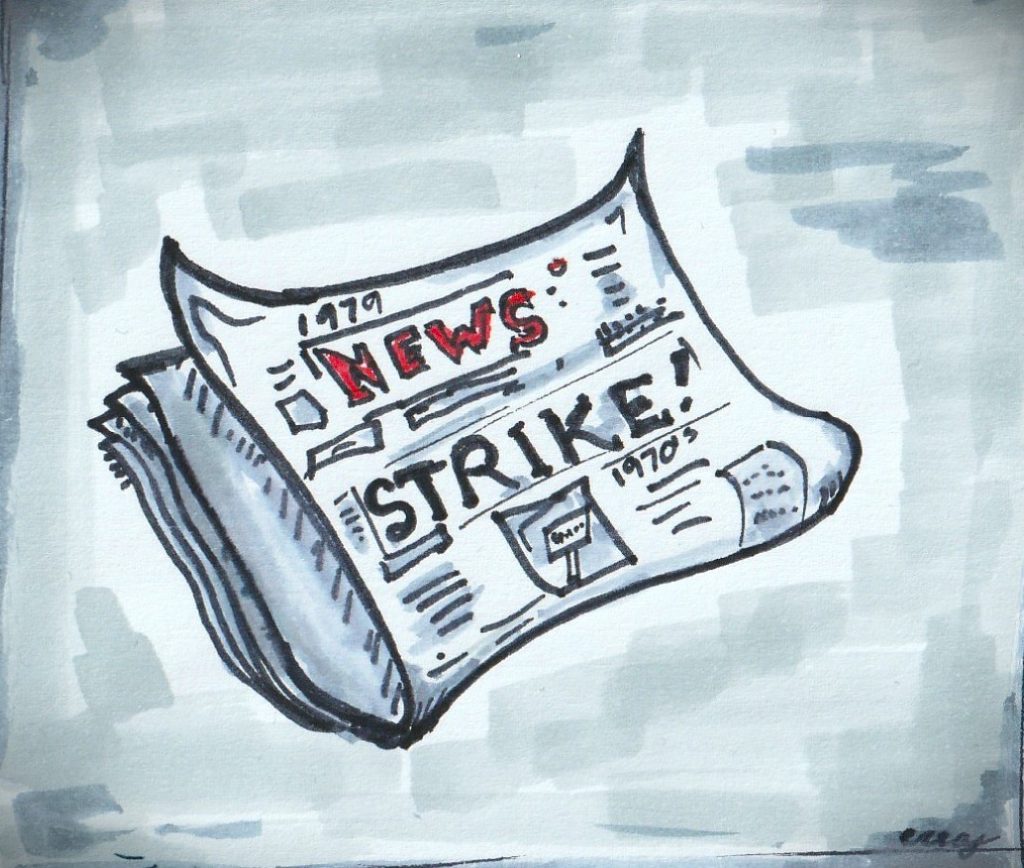
Consultants and junior doctors in England are holding their first joint strike in the history of the NHS.
Waiting list
The latest data from NHS England, states the number of people waiting to start routine hospital treatment is at a record high of 7.68 million at the end of July 2023. This is up from 7.57 million in June 2023 and the highest since records began in August 2007.
The waiting list has increased by more than 3 million since February 2020, the last full month before the start of the pandemic. The NHS is facing many different challenges due to the impact of Covid-19 on its services, staff and resources. This data suggests that the waiting list was already at 4 million even before the pandemic hit.
The latest strike action is a major factor now contributing to the NHS waiting list. Some reports suggest that over 850,000 routine operations and procedures have been cancelled so far this year, 2023 due to strike action alone.
Factors that may have contributed to the historical rise in the waiting list
The suspension or reduction of non-urgent care during the peak of the pandemic to free up capacity for Covid-19 patients.
The ongoing infection prevention and control measures that limit the number of patients that can be treated safely in hospitals.
NHS Strike action again, with nearly 8 million waiting in the queue
The staff shortages and burnout that affect the availability and productivity of the workforce.
The increased demand for health services as people seek help for conditions that were delayed or worsened by the pandemic.
Strike action.
The NHS is working hard to tackle the backlog and improve access to care for patients
Increasing funding and capacity for elcare, such as by opening more operating theatres, expanding community services and using the independent sector.
Implementing new models of care, such as virtual consultations, digital triage and shared decision making, to reduce unnecessary referrals and appointments.
Prioritising patients based on clinical urgency and need, rather than waiting time alone, to ensure that those who would benefit most from treatment are seen first.
Supporting staff wellbeing and retention, such as by offering flexible working, training and development opportunities and mental health support.
What about health education?
Government action
The government has also pledged to invest an extra £36 billion over the next three years to help the NHS recover from the pandemic and reform social care. However, some experts have warned that this may not be enough to address the underlying issues that affect the NHS performance and quality, such as workforce planning, public health funding and health inequalities.
How did it get so bad?
Lack of money or management failures? It has to one of these two. Throwing funds at an already badly managed ‘business’ will just amplify the problem allowing even more waste. And as the ‘system’ tackles the problem, more and more people will needlessly continue to suffer.
Fix our health service by fixing the people first!
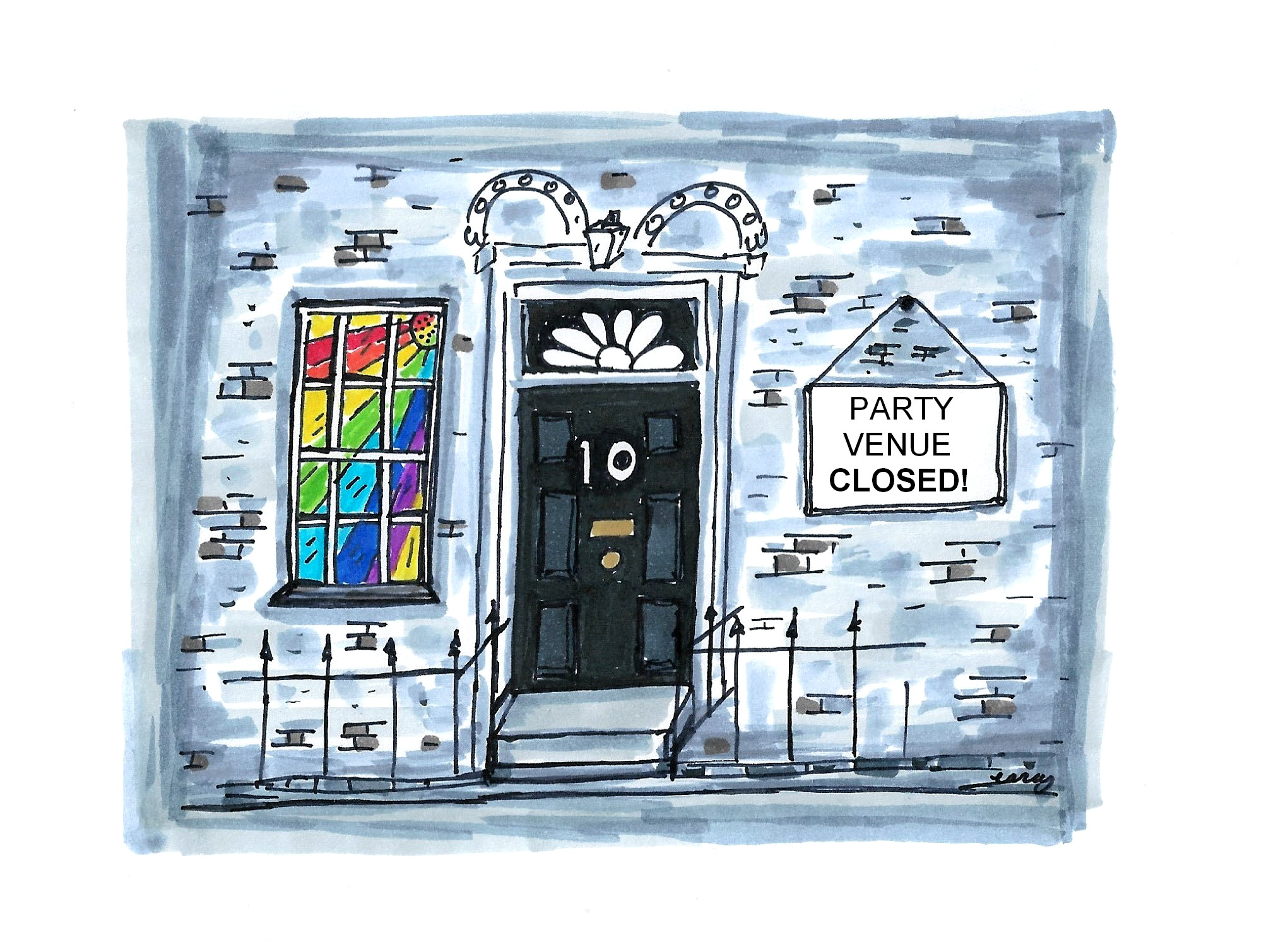
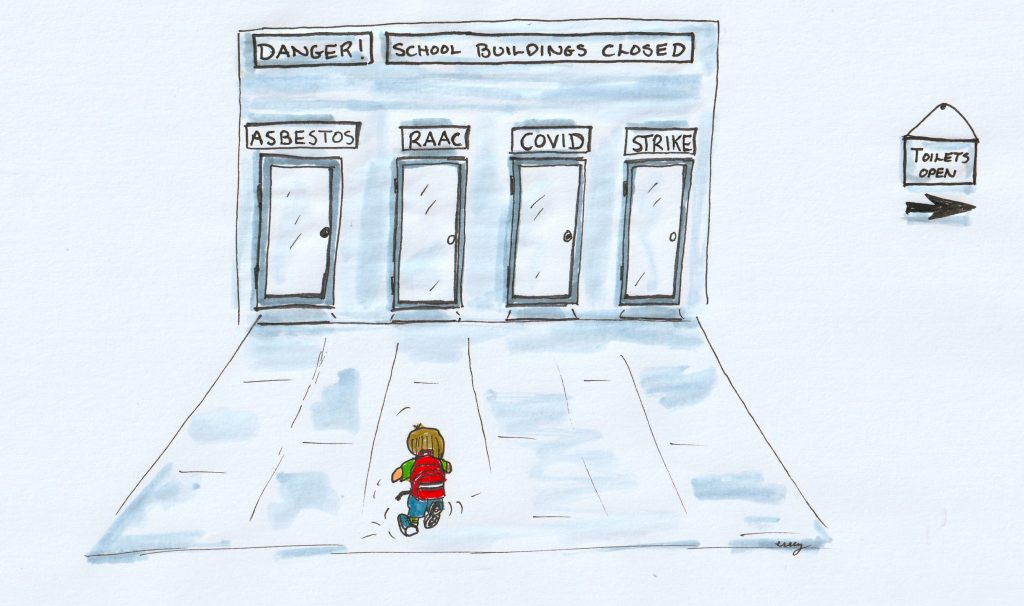
CLOSED: ‘How am I meant to get a decent education’?
School and building closures are disrupting our children’s education in the UK. The issues range from asbestos contamination, building material failures, Covid closures and teacher strikes. What the hell?
Think of the biggest market for a physical product you can possibly imagine – are you thinking mobile phones, cars or game devices even? Think again…?
They are all big commercial markets but in the coming decades a new product is coming and it will be so desirable that it will dwarf these giants – it will be… the ‘robot’.
Robots will be able to understand what we want, comprehend the way the world works and looks and have the skills to execute our commands in a safe and controlled manner – at home and in the workplace.
Biggest market
The labour market is the biggest market that has ever existed in the history of business – it’s the market where we want things ‘done’ – where we do things – and it’s forever evolving. It carries massive stock market and investing potential right now and for the future.
Robot AI tech – a market place to explore
Take Nvidia, Microsoft, Google, Meta, Apple and Tesla as prime examples of companies pioneering technological advancements for instance – we can already enjoy and invest in these – and there’s much more to come.
Dozens of firms around the world are working on the technology
One of the highest profile companies in the market is Tesla, Elon Musk’s electric car company. It is working on the Optimus humanoid robot, which Mr Musk intimates could be on sale to the public in a few years’ time.
Massive tecnological advancement in artificial intelligence (AI) and robotics suggest the development of humanoid robots is accelerating… and fast. It’s a race to the become the first to succeed in the biggest practical labour market ever… and it carries huge potential for everyone, including you and me.
20 years from now…? Where were Tesla and Apple 20 years ago?
Twenty years at the pace the technology is developing now is is an eternity – every week, month and year there are new developments in the AI world that have introduced fundamental changes and enhancements to our world.
Mainstream interest in AI exploded late 2022 when a powerful version of ChatGPT was made public. Its ability to generate almost unlimited useful text and images has spawned rivals and a wave of investment in AI technology.
But developing the AI that would allow a robot to complete useful tasks is a different and much more difficult task. Tesla could be the company best placed to be one of the first to achieve this goal – given its advancements in ‘self driving’ technology. But, unlike ChatGPT and its rivals, humanoid robots have to navigate the physical world and need to understand how objects in that world relate to each other.
Tasks that seem easy to humans are major feats for humanoid robots. This is a problem that engages a lot of different complex issues in an AI driven robotics system. Picking up a cup and having a drink is a major undergoing for a robot.
The market place potential is unlimited
The potential market for robots in the future depends on various factors, such as the level of technological innovation, the demand from different industries and sectors, the regulatory and ethical frameworks, and the social and economic impacts of robot adoption. But if recent developments are anything to go by – it promises to be big!
Robot AI – a massive potential future market place
Based on the some indicative web search results, the current market size for robots is estimated to be around $55 billion to $114 billion in 2023, depending on the type and scope of robots included. The projected market size for robots in 2028 or 2029 ranges from $165 billion to $260 billion, with a compound annual growth rate (CAGR) of 11.4% to 17.6%.
The professional services robots, which include medical, agricultural, and personal assistance robots, are expected to dominate the market and account for more than half of the total sales by 2030. The industrial and logistics robots, which include conventional, collaborative, and mobile robots, are also expected to grow steadily and increase their productivity and efficiency in various manufacturing and transportation applications.
However, these projections are based on assumptions – but one thing is for sure the robots are coming and the market will be massive!
I for one will be keeping a watchful eye on where to invest my hard earned cash to take advantage of this potentially high growth market in the coming years (and now).
Japan has started releasing treated radioactive water from the Fukushima nuclear plant into the Pacific Ocean on Thursday 25th August 2023.
This is a controversial decision that has been opposed by China, South Korea, and some Pacific island nations. They fear that the water release will harm the marine environment and human health, and affect seafood exports.
Safe?
Japan says that the water release is safe and necessary for the decommissioning of the plant, which was damaged by a massive earthquake and tsunami in 2011. The water has been treated to remove most of the radioactive substances, except for tritium and carbon-14, which are considered to have low risks. The water will also be diluted to meet the international standards for drinking water before being discharged.
IAEA
The International Atomic Energy Agency (IAEA) has endorsed Japan’s plan and said that the water release will have a negligible impact on people and the environment. The IAEA will also monitor the water release and verify Japan’s compliance with the safety standards.
30 years
The water release is expected to take about 30 years to complete, and will involve pumping out about 1.34 million tonnes of water from more than 1,000 tanks at the Fukushima site.
Japan Fukushima nuclear plant controversial release of potentially contaminated water
The former boss of NatWest is set to receive a £2.4m pay package this year, despite having quit in disgrace over her handling of the closure of Nigel Farage’s bank account.
AI Chatbot ChatGPT reportedly has a political bias
ChatGPT, the popular artificial intelligence chatbot, shows a significant and systemic left-wing bias, UK researchers have found. According to the new study by the University of East Anglia, this includes favouring theLabour Party and President Joe Biden’s Democrats in the U.S.
Concerns about an inbuilt political bias in ChatGPT have been raised before, notably by SpaceX and Tesla tycoon Elon Musk, but the academics said their work was the first large-scale study to find proof of any favouritism.
Lead author o the report reportedly warned that given the increasing use of OpenAI’s platform by the public, the findings could have implications for upcoming elections on both sides of the Atlantic. Any bias in a platform like this is a concern’, he said. If the bias were to the right, we should be equally concerned.
Sometimes people forget these AI models are just machines. They provide very believable, digested summaries of what you are asking, even if they’re completely wrong. And if you ask it ‘are you neutral’, it says ‘oh I am!’ Just as the media, the internet, and social media can influence the public, this could be very harmful. I have personally witnessed incorrect responses from ChatGPT where the AI ‘system’ 100% believed ‘it’ was correct and would not engage in a debate as ‘it’ was right!
How was ChatGPT tested for bias?
The chatbot, which generates responses to prompts typed in by the user, was asked to impersonate people from across the political spectrum while answering dozens of ideological questions. These questions ranged from radical to neutral, with each ‘individual’ asked whether they agreed, strongly agreed, disagreed, or strongly disagreed with a given statement.
UK researchers descovered Chatbot ChatGPT had a political bias
Its replies were compared to the default answers it gave to the same set of queries, allowing the researchers to compare how much they were associated with a particular political stance.
Each of the more than 60 questions was asked 100 times to allow for the potential randomness of the AI, and these multiple responses were analysed further for signs of bias.
Dr Motoki described it as a way of trying to simulate a survey of a real human population, whose answers may also differ depending on when they’re asked.
The UK’s elections watchdog has revealed it has been the victim of a complex cyber-attack potentially affecting millions of voters.
The Electoral Commission said unspecified ‘hostile actors‘ had managed to gain access to copies of the electoral registers, from August 2021. Note the word ‘unspecified’ is used – do they even know?
Hackers also broke into its emails and “control systems” but the attack was not discovered until October last year. The watchdog has warned people to watch out for unauthorised use of their data.
The commission said hackers accessed copies of the registers it was holding for research purposes, and for conducting checks on political donors. The commission knew which of its systems were accessible to the hackers, but could not ‘conclusively‘ identify which files may have been accessed.
‘Very sophisticated’ attack
The personal data held on the registers – name and address – did not itself present a ‘high risk‘ to individuals, it added, although it is possible it could be combined with other public information to ‘identify and profile individuals’.
It has not said when the hackers’ access to its systems was stopped, but said they were secured as soon as possible after the attack was identified in October 2022. Why was it left so long to be made public and how long did it take to make systems secure again?
Explaining why it had not made the attack public before now, the commission said it first needed to stop the hackers’ access, examine the extent of the incident and put additional security measures in place.Defending the delay, commission chair John Pullinger said: “If you go public on a vulnerability before you have sealed it off, then you are risking more vulnerabilities.” He is reported to have said the ‘very sophisticated attack involved using software to try and get in and evade our systems’. Well, that clearly worked then.
The world of digital data
He reportedly said that the hackers were not able to alter or delete any information on the electoral registers themselves, which are maintained by registration officers around the country. Information about donations and loans to political parties and registered campaigners is held in a system that is not affected by this incident, the notice added. He understood public concern, and would like to apologise to those affected.
Steps
The commission added that it had taken steps to secure its systems against future attacks, including by updating its login requirements, alert system and firewall policies. The Information Commissioner’s Office, which is responsible for data protection in the UK, said it was urgently investigating.
Labour’s deputy leader Angela Rayner reportedly said: ‘This serious incident must be fully and thoroughly investigated so lessons can be learned‘. Why wouldn’t it be investigated? I dislike it immensely when clueless politicians roll out this ‘standard remark’ as an attempt to demonstrate they ‘know what’s going on’.
Then what? It happens again and we have to… learn more lessons…?
Barbie, the live-action movie based on the popular toy doll, has become a global phenomenon, surpassing $1 billion in cinema sales worldwide. The film, directed by Greta Gerwig and starring Margot Robbie and Ryan Gosling, is the first solo female-directed movie to achieve this milestone, breaking the record previously held by Patty Jenkins’ Wonder Woman.
Some have praised the film for its humour, creativity, and feminist message, while others have criticized it for its anti-male sentiment, disjointed plot, and shallow depth. Others even suggest is was muddled, disjointed with a nonsensical plot. The cynical corporate mechandise shadow was everwhere to be seen. Pure hype!
Plastic message?
The film follows Barbie as she leaves her perfect plastic world and embarks on an adventure in the real world, where she discovers new friends, challenges, and possibilities. The film has been praised by some for its humour, and visual effects, as well as its empowering message of self-acceptance and diversity.
It is acceptable to argue that Barbie’s box office success is a nod to Gerwig’s vision and talent. The film has also sparked a cultural phenomenon, with fans creating memes, videos inspired by the movie.
Barbie has also outperformed Christopher Nolan’s Oppenheimer, which was released on the same day three weeks ago. The biopic of the atomic bomb scientist has earned $552 million worldwide, making it the sixth-biggest film of the year and the highest-grossing R-rated film of 2023.
Pink and white
A Barbie doll is a fashion doll that was created by Ruth Handler and launched by Mattel in 1959. The doll is named after the inventors daughter, Barbara. Barbie has become one of the most popular and recognizable toys in the world, with over a billion dolls sold in more than 150 countries. Barbie has also inspired numerous movies, books and games.
Mattel, Inc. is an American multinational toy manufacturing and entertainment company founded in Los Angeles by Harold Matson and the husband-and-wife duo of Ruth and Elliot Handler in January 1945.
Barbie has proven that she is not just a toy, but a timeless icon for the Mattel money making mechandise machine too!
I didn’t see any useful message in the movie – just mechandise, mechandise and more mechandise! oh… and lots of hype!
The Bank of England’s forecasting, which has a major impact on the UK economy, is being reviewed and has been criticised.
After the Bank raised interest rates for a 14th time in a row in an effort to slow price rises in Augts 2023, officials have predicted inflation to fall from the current rate of 7.9%, to ‘around 5%‘ by the end of the year. The Bank puts rates up when they are concerned that too much spending will send prices spiralling.
So, in light of its estimating techniques being challenged, how much faith should we put in ‘5% by Christmas’?
For the last two years, the Bank of England has been underestimating the likely rate of inflation in the short term. MPs have been critical of the Bank’s forecast, and its officials have acknowledged they have got some judgements wrong in their forecasting.
The Central Bank has also announced a review into how it makes forecasts.
This was one of the questions put to the Bank of England governor
Mr Baron:Good morning, everyone. In looking at the bank rate going forward, some of us, it is fair to say, have long believed that central banks, including the Bank of England, have been well behind the curve with regard to inflation. As the Chair has said, forecasting has been awry. The Bank of England is one among others that has been too slow in raising interest rates, allowing inflation to mushroom well above the 2% target.
I have put it as strongly as suggesting that it has been a woeful neglect of duty. It is causing real pain out there for people and businesses. We should always remember, as we sit in our, sometimes, white ivory towers, having these debates, that we are talking about people’s lives and businesses that are having to grapple with double-digit inflation and interest rates perhaps going up too quickly. I think that you get it, but it is useful to remind ourselves of that.
Why should the public have confidence in your ability to get it right going forward? What lessons do you think that you have learned? What are you going to do differently? I am not hearing a satisfactory answer to that...
See the full report here – be prepared, it’s an acquired taste and a long read…
More wrong than right
However, some critics have argued that the BoE’s forecasts are often too optimistic or pessimistic, and that they fail to capture the impact of major shocks or structural changes in the economy. For example, the BoE was widely criticised for underestimating the severity of the 2008 financial crisis and overestimating the negative effects of Brexit on the economy. Some have also questioned the usefulness of the BoE’s forecasts for guiding monetary policy decisions, as they may be influenced by political or psychological factors.
Therefore, it may be wise to take the BoE’s forecasts with a grain of salt, and not to rely on them too much for making economic or financial decisions. The BoE’s forecasts are not useless, but they are not infallible either. They are one of many sources of information and analysis that can help us understand the state and prospects of the UK economy, but they should not be treated as gospel truth.
The Bank of England has been wrong with too many forecasts, so why bother? Target 2%, actual above 10%!
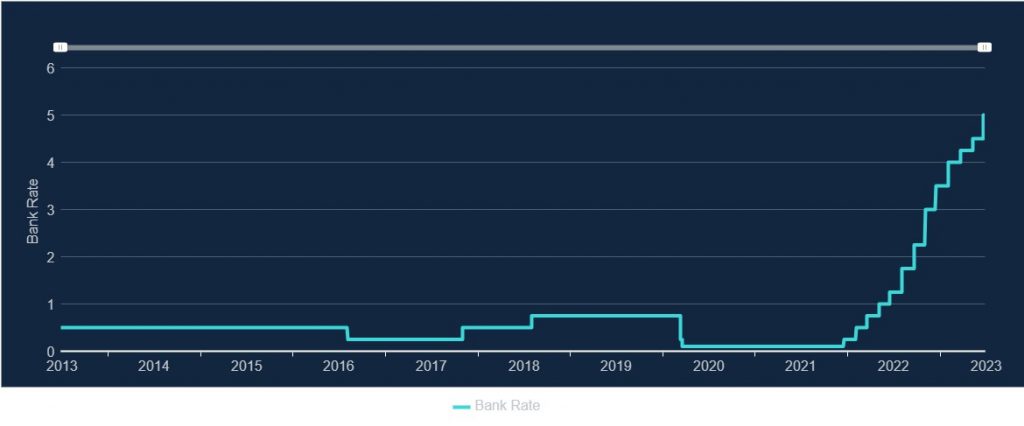
The current interest rate in the UK is 5% as of June 2023.
This is the Bank Rate set by the Bank of England (BoE), which influences the interest rates that other banks charge borrowers and pay savers. The BoE has raised the Bank Rate 13 times in a row from 0.1% to 5% in a bid to control inflation, which is the rate at which the prices of goods and services increase over time. The BoE has a target of keeping inflation at 2%, but the current inflation rate is 8.7%, which is much higher than the target. This means that the purchasing power of money is decreasing and people have to pay more for the same things.
Summary
The Bank of England has increased the base rate to 5% – up from 4.5% in June 2023
It’s a bigger increase than most forecasters expected
The last time the base rate was 5% or higher was in 2008
Higher interest rates are intended to lower inflation, by giving mortgage-holders and consumers less to spend
The government’s target is to have inflation down to 5% by the end of the year
Rishi Sunak said: ‘I always said this would be hard – and clearly it’s got harder over the past few months’ – I am totally, 100%, on it, and it’s going to be OK‘
Seven of the nine members of the bank’s committee voted for the 5% rate – two wanted no change at all
Bank of England mission statement
Promoting the good of the people of the United Kingdom by maintaining monetary and financial stability.
Meet our new policy adviser
Well, the BoE has clearly done a good job here then with the UK interest rate now at 5%, again… and inflation at 8.7% after peaking at 11.1% in November 2022, a 41 year high! Great job!
And the UK PM said, ‘I always said this would be hard – and clearly it’s got harder over the past few months. I am totally, 100%, on it, and it’s going to be OK‘.
That’s good to know then – it’s going to be OK – so reassuring for borrowers! It’s going to be OK, so don’t worry!
Sorry PM, but that is so weak it’s bordering pathetic. Weren’t you the chancellor too?