


OpenClaw Creator Peter Steinberger Joins OpenAI as Agent Race Accelerates

OpenAI and OpenClaw link up

OpenAI has made a decisive move in the fast‑evolving world of autonomous AI agents by hiring Peter Steinberger. He is the Austrian developer behind the viral open‑source project OpenClaw.

The announcement, made by CEO Sam Altman, signals a strategic push towards building more capable personal AI agents. These agents are designed to complete more meaningful tasks for its users.

Steinberger’s creation, OpenClaw—previously known as Clawdbot and Moltbot—rose to prominence for its ability to automate real digital tasks.

Rapid Adoption

Its rapid adoption highlighted a growing appetite for AI systems that move beyond conversation and into practical execution.

Altman reportedly described Steinberger as ‘a genius with a lot of amazing ideas about the future’. He also emphasised that agentic systems will soon become central to OpenAI’s product ecosystem.

Crucially, OpenClaw it was reported, will not be absorbed into a closed platform. Instead, it will reportedly continue as an open‑source project under an independent foundation, with OpenAI providing support.

This approach preserves the community‑driven development model that helped the tool gain traction. This allows Steinberger to focus on advancing agent capabilities within OpenAI’s broader framework.

Steinberger

In a blog post, Steinberger reportedly explained that although OpenClaw could have grown into a large standalone company, he was more motivated by the opportunity to ‘change the world‘ rather than build another corporate venture.

His move comes amid intensifying competition in the agent space. Major tech firms are racing to define the next generation of AI assistants capable of coordinating complex tasks across multiple platforms.

OpenAI’s decision to bring Steinberger onboard underscores the company’s belief that autonomous agents will shape the next phase of AI adoption.

With OpenClaw remaining open and Steinberger now leading internal development, the stage is set for rapid innovation in personal AI systems
Nvidia Draws a Line Under Its Arm Ambitions with Full Share Sale

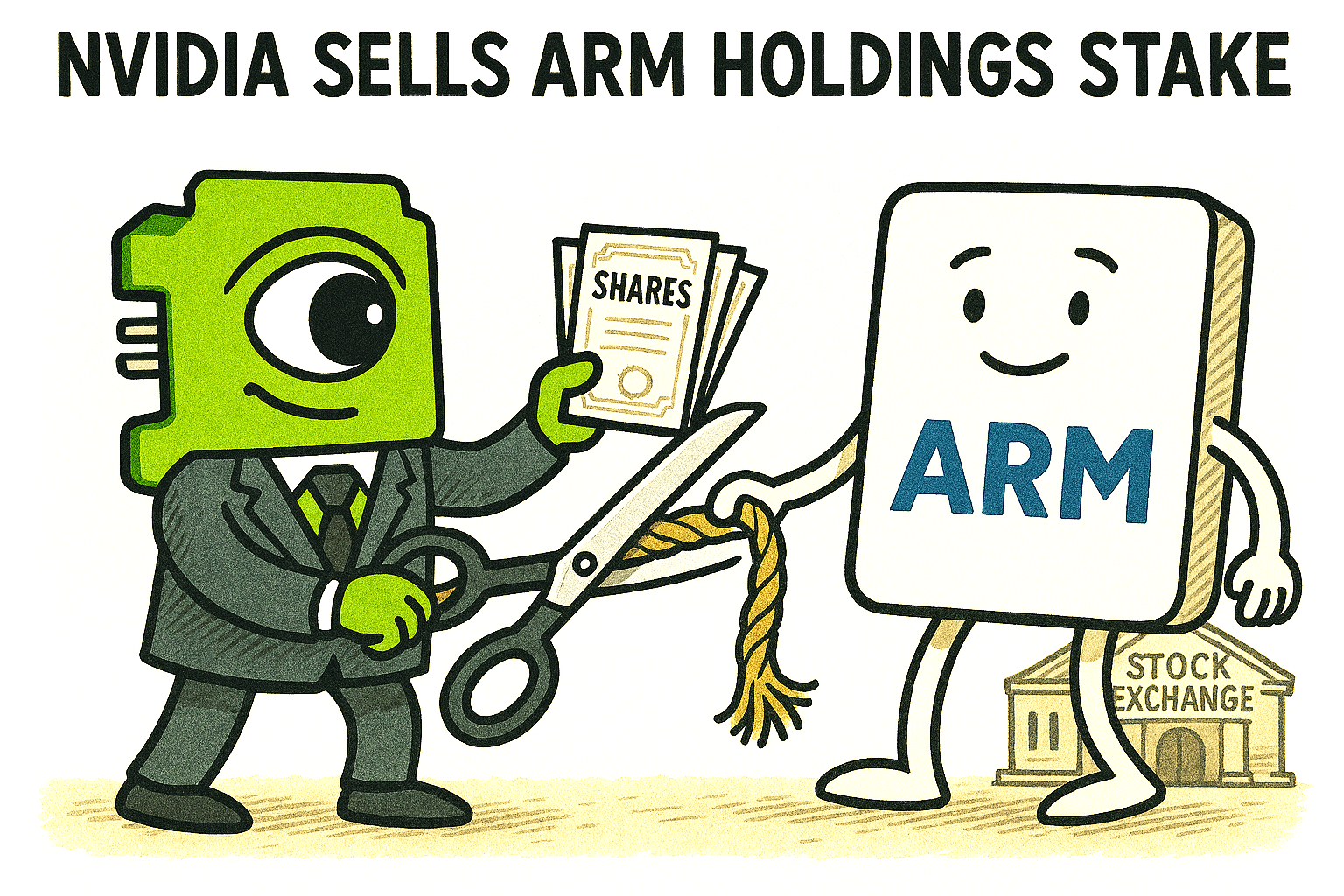
Nvidia sells ARM stock

Nvidia has formally severed its financial ties with Arm Holdings, selling the final tranche of its shares and closing the book on one of the semiconductor industry’s most ambitious — and ultimately unsuccessful — takeover attempts.

Regulatory filings reportedly show the chipmaker disposed of roughly 1.1 million Arm shares during the fourth quarter, a holding valued at around $140 million based on Arm’s recent market price.

Sale of entire ARM stake

The move brings Nvidia’s ownership of the British chip‑architecture specialist to zero, marking a symbolic end to a saga that began in 2020 when Nvidia launched a bold $40 billion bid to acquire Arm.

That deal, which would have reshaped the global semiconductor landscape, collapsed under intense regulatory scrutiny and resistance from major industry players concerned about competition and neutrality.

Despite the divestment, the relationship between the two companies is far from over. Nvidia remains a major licensee of Arm’s instruction‑set technology, which underpins its current and next‑generation CPU designs.

Strategic move

Analysts note that the sale appears to be strategic housekeeping rather than a shift in technological direction, especially given Nvidia’s rapid expansion across data‑centre, AI, and edge‑computing markets.

Arm’s shares initially wobbled on news of the disposal but quickly stabilised, even edging higher as investors interpreted Nvidia’s exit as a clearing of legacy baggage rather than a signal of weakening confidence in Arm’s long‑term prospects.

The company, now primarily owned by SoftBank, continues to push ahead with its growth strategy following its public listing.

For Nvidia, the sale represents a clean break from a failed acquisition that once promised to redefine the industry.

For Arm, it marks another step in its evolution as an independent powerhouse at the centre of global chip design. The strategic paths of both companies however, remain intertwined

Alibaba’s Qwen 3.5 Marks a Strategic Shift Toward AI Agents

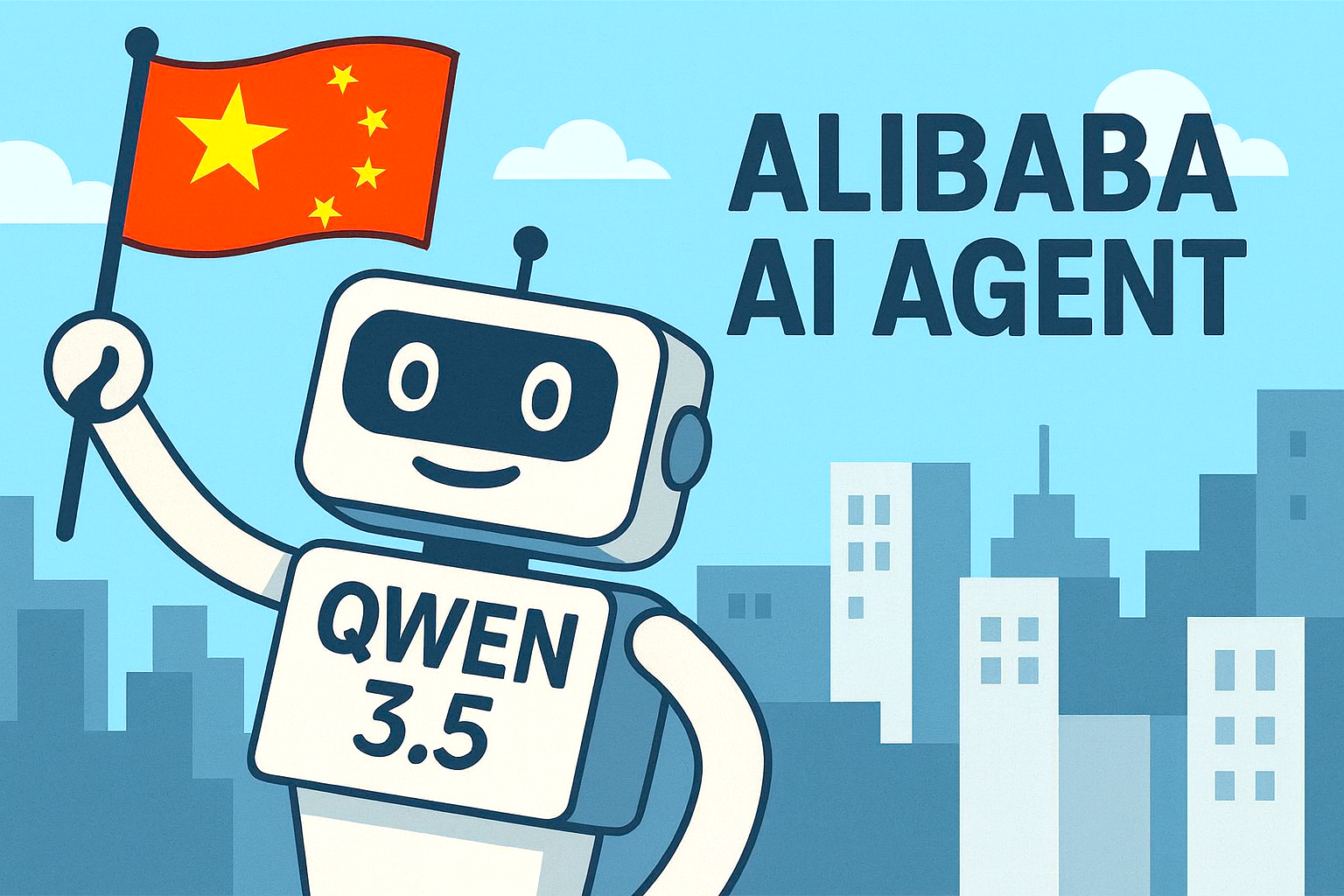
Qwen 3.5 AI agent

Alibaba has unveiled Qwen 3.5, its latest large language model series, signalling a decisive shift in China’s increasingly competitive AI landscape.

Released on the eve of the Chinese New Year, the new model arrives with both open‑weight and hosted versions, giving developers the option to run the system on their own infrastructure or through Alibaba’s cloud platform.

The company emphasises that Qwen 3.5 delivers improved performance and lower operating costs compared with earlier iterations, while introducing ‘native multimodal capabilities’ that allow it to process text, images, and video within a single system.

Ability

What sets Qwen 3.5 apart is its focus on agentic behaviour — the ability for AI systems to take actions, complete multi‑step tasks, and operate with minimal human supervision.

This trend has accelerated globally following recent releases from Anthropic and other U.S. based developers, prompting Chinese firms to respond rapidly.

Alibaba says Qwen 3.5 is compatible with popular open‑source agent frameworks such as OpenClaw, which has surged in adoption among developers seeking more autonomous AI tools.

Capable

The open‑weight version features 397 billion parameters, fewer than Alibaba’s previous flagship model, yet the company claims significant gains in reasoning and benchmark performance.

It also supports 201 languages and dialects — a notable expansion that reflects Alibaba’s ambition to position Qwen as a global‑ready platform rather than a purely domestic competitor.

With rivals like ByteDance and Zhipu AI launching their own upgraded models, Qwen 3.5 underscores how China’s AI race is evolving from chatbot development to full‑scale autonomous agents — a shift that could reshape software markets and business models worldwide.