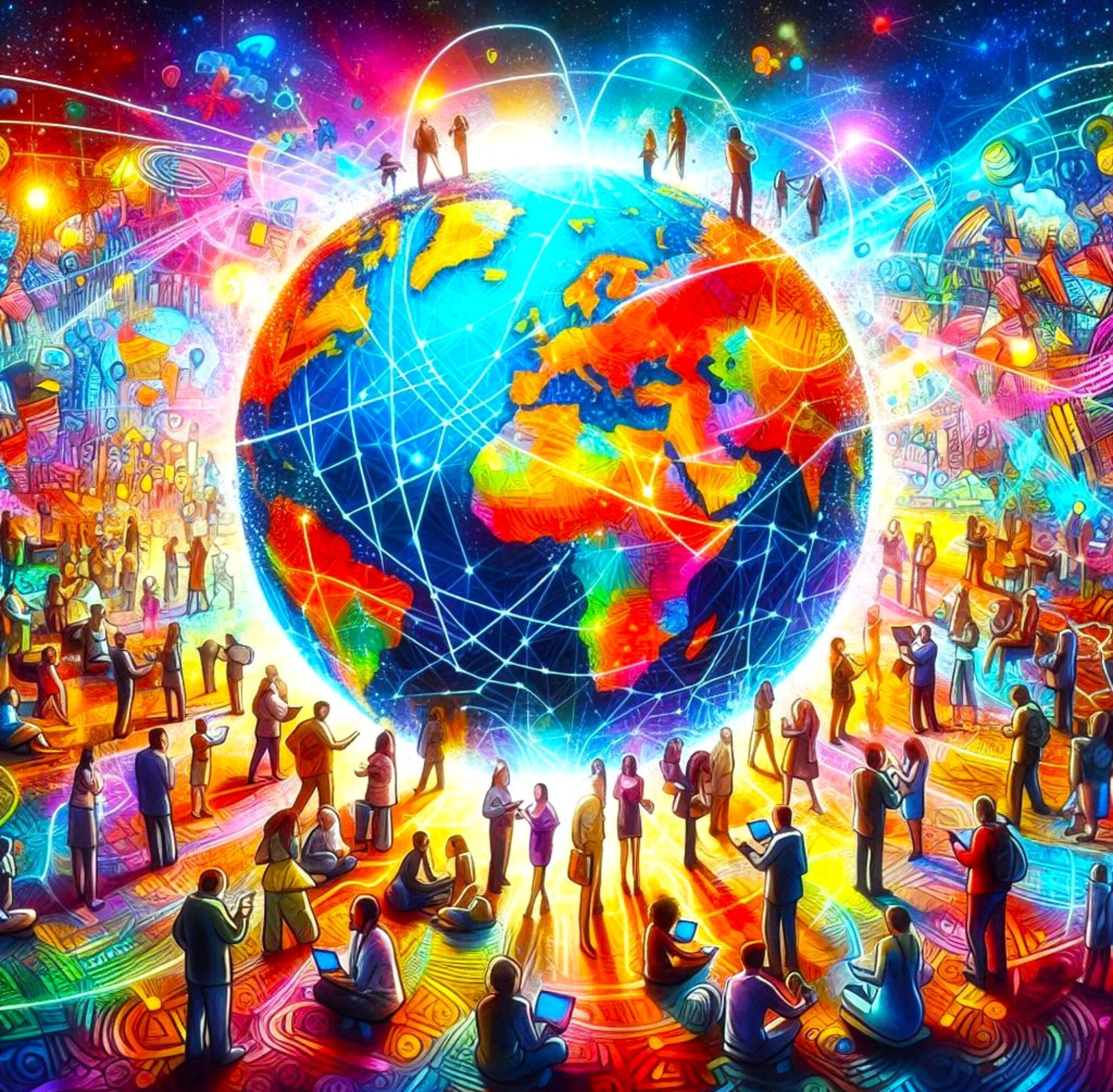

The Power Tower
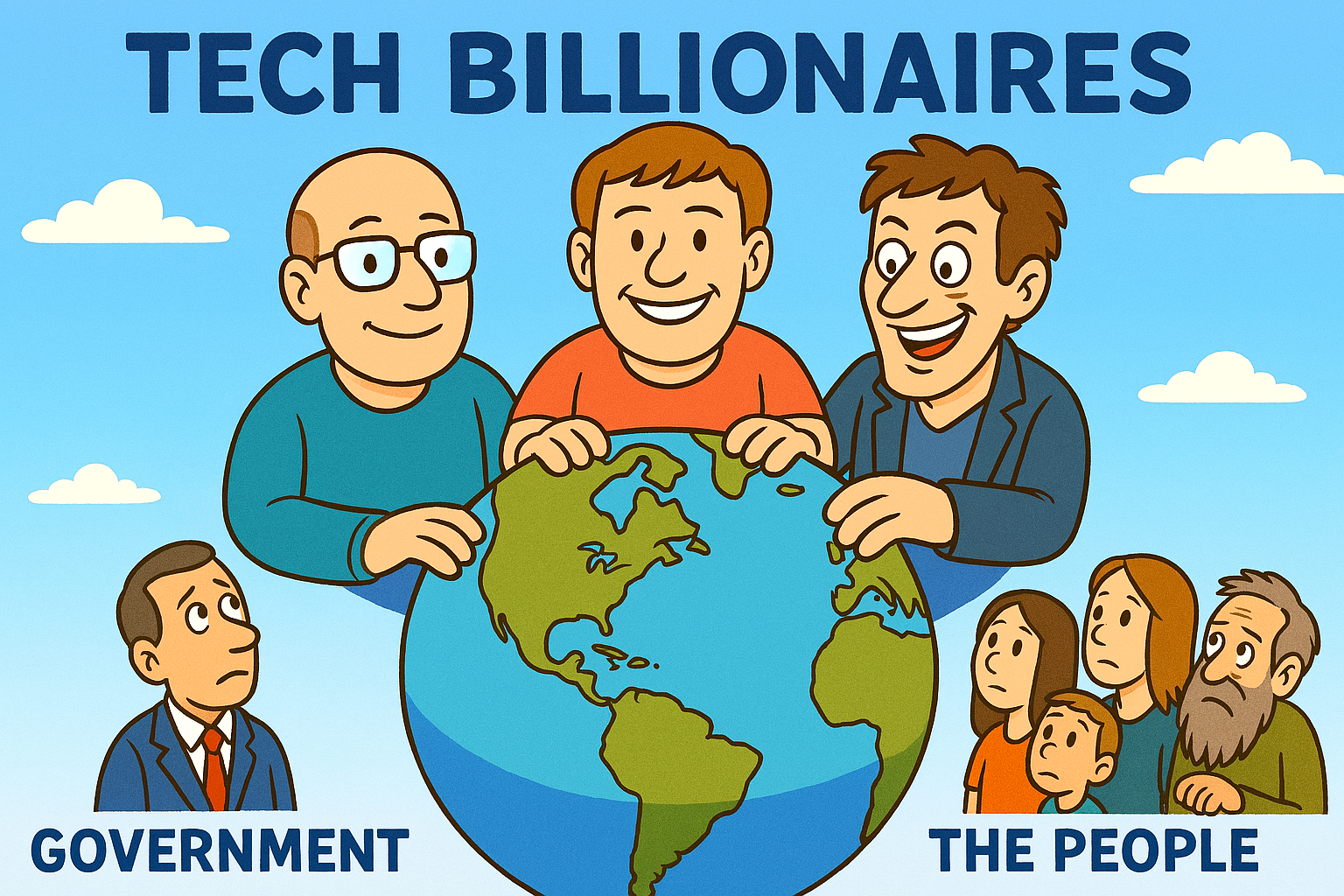
The modern political landscape increasingly resembles a boardroom, where the wealthiest individuals hold the loudest voices and the most decisive influence.
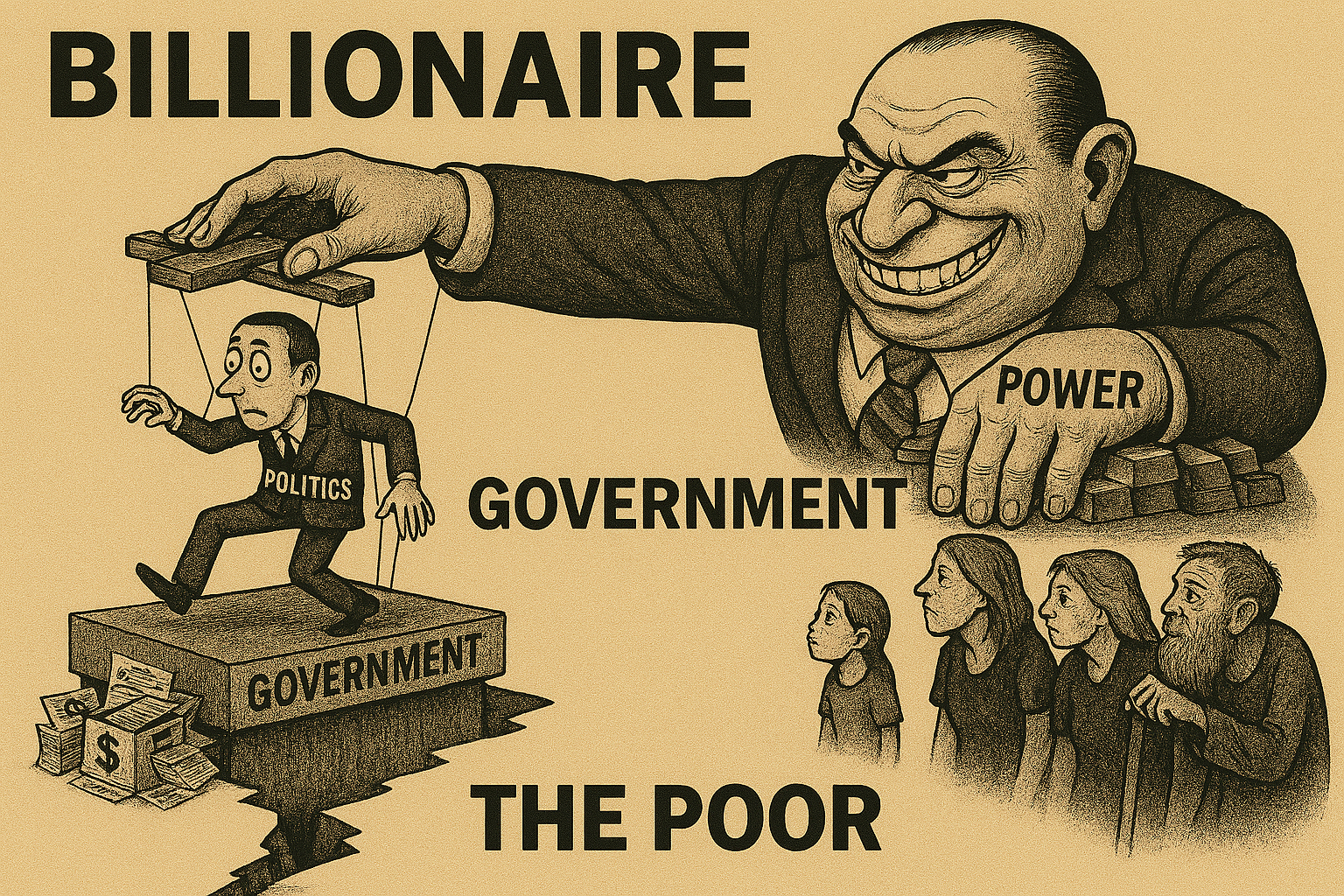
Billionaires do not merely participate in politics; they shape it. Their resources allow them to steer governments, policies, and public narratives in directions that often serve their own interests rather than the collective good.
They don’t predict the future – they MAKE the future!
As the gap between rich and poor widens, the consequences of this imbalance become harder to ignore.
Money has always played a role in power, but the scale has changed dramatically. Today, a single billionaire can fund political campaigns, lobby for favourable legislation, acquire media outlets, and even bankroll ‘think tanks’ that craft ideological frameworks.
Making the future
This is not prediction; it is construction. They do not wait for the future to unfold—they design it. Their wealth becomes a tool for engineering outcomes that align with their ambitions, whether economic, technological, or geopolitical.
For ordinary citizens, this creates a troubling dynamic. Democracy is built on the principle that every voice carries equal weight, yet the reality increasingly suggests otherwise.
When political influence can be purchased, the public’s needs risk being overshadowed by the priorities of the ultra-wealthy. Policies on taxation, labour rights, housing, healthcare, and environmental protection can be shaped not by what benefits society, but by what preserves or expands elite wealth.
Inequality
This imbalance becomes even more stark when examining global inequality. Reports consistently show that billionaire wealth grows at a pace far exceeding that of the average worker.
While wages stagnate and living costs rise, the richest individuals accumulate fortunes so vast they can influence entire nations. The result is a world where opportunity is unevenly distributed, and where the wealthy can insulate themselves from the consequences of the very policies they help create.
The influence of billionaires also extends into emerging technologies. From artificial intelligence to space exploration, the wealthiest individuals are often the ones setting the agenda.
Ambition
Their visions—however innovative or ambitious—are not always aligned with public interest. When private capital drives technological progress, ethical considerations risk being overshadowed by profit motives or personal legacy-building.
Once again, the future becomes something crafted by a select few, rather than a shared endeavour shaped by collective values.
Yet the most concerning aspect is how normalised this dynamic has become. Many people accept billionaire influence as an inevitable feature of modern society, rather than a distortion of democratic principles.
The narrative of the ‘visionary entrepreneur’ can obscure the reality of concentrated power. Admiration for individual success stories sometimes blinds us to the structural consequences of allowing wealth to dictate policy.
Gap
The widening gap between rich and poor is not simply an economic issue; it is a political one. When wealth becomes synonymous with power, inequality becomes self-reinforcing.
The rich gain more influence, which leads to policies that protect their interests, which in turn allows them to accumulate even more wealth. Meanwhile, the voices of ordinary people grow quieter.
If societies wish to preserve genuine democracy, they must confront this imbalance. Transparency, regulation, and civic engagement are essential tools for ensuring that political power remains accountable to the many, not the few.
The future should be shaped by collective will, not by the unchecked ambitions of those who can afford to buy it.
According to Oxfam
Billionaires’ wealth has surged to a record $18.3 trillion, with the ultra-rich reportedly seeking power for personal benefit, according to a recent report from global charity Oxfam.
The number of billionaires reached more than 3,000 last year, and collectively they saw their fortunes increase by 16%, or $2.5 trillion, the report said.
Added to this, billionaires’ wealth has surged by 81% since 2020, the charity said, describing the past as “a good decade for billionaires.”
Having wealth creators is one thing but having them ‘run’ the world is quite another!